


About Amer Fort, Jaipur
Amer Fort, also known as Amber Fort or Amber Palace, is one of the most famous historical attractions in Jaipur. Located about 11 kilometres from the city centre, the fort rises dramatically on the Aravalli hills above Maota Lake. It was the principal seat of the Kachwaha Rajput rulers before Sawai Jai Singh II founded Jaipur in 1727 and shifted the capital to the new planned city.
The main palace complex was begun by Raja Man Singh I in 1592 and was expanded by successive Kachwaha rulers over several generations. What visitors see today is therefore not a single fort built at one time, but a large royal complex containing defensive walls, courtyards, audience halls, temples, gardens, gateways and richly decorated palace interiors.
A Fort That Came Before Jaipur
For centuries, Amer was the political and royal centre of the Kachwaha kingdom. The settlement and fort developed in the Aravalli landscape at a time when Jaipur had not yet been established. The hill provided a naturally defensible position, while the surrounding landscape and water sources supported the royal settlement.
In 1727, Maharaja Sawai Jai Singh II established Jaipur and moved the royal capital to the new city. Amer, however, remained an important part of the region's history and today provides one of the clearest glimpses into the royal life and architecture that preceded Jaipur.
Rajput and Mughal Influences at Amer Fort
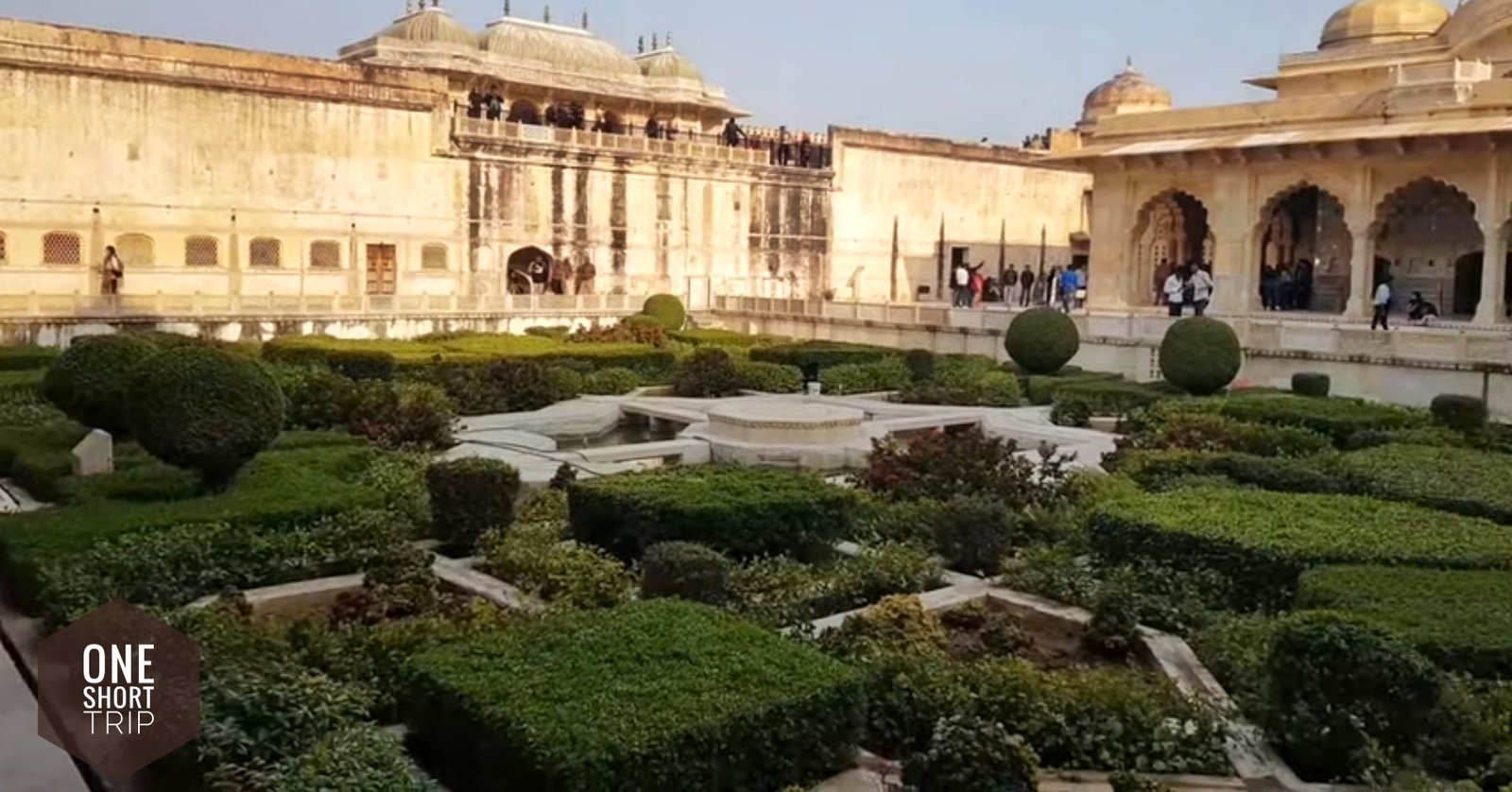
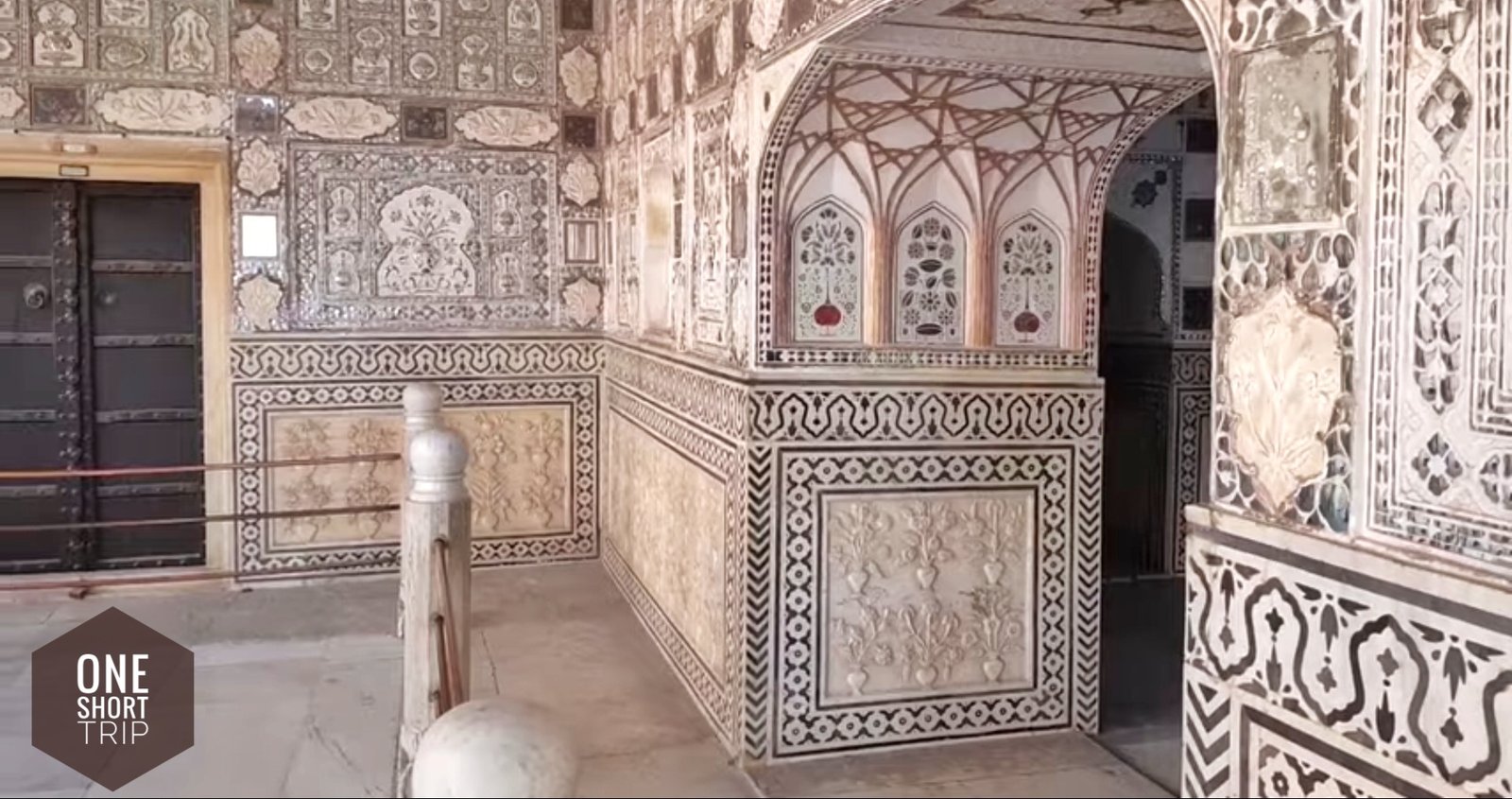
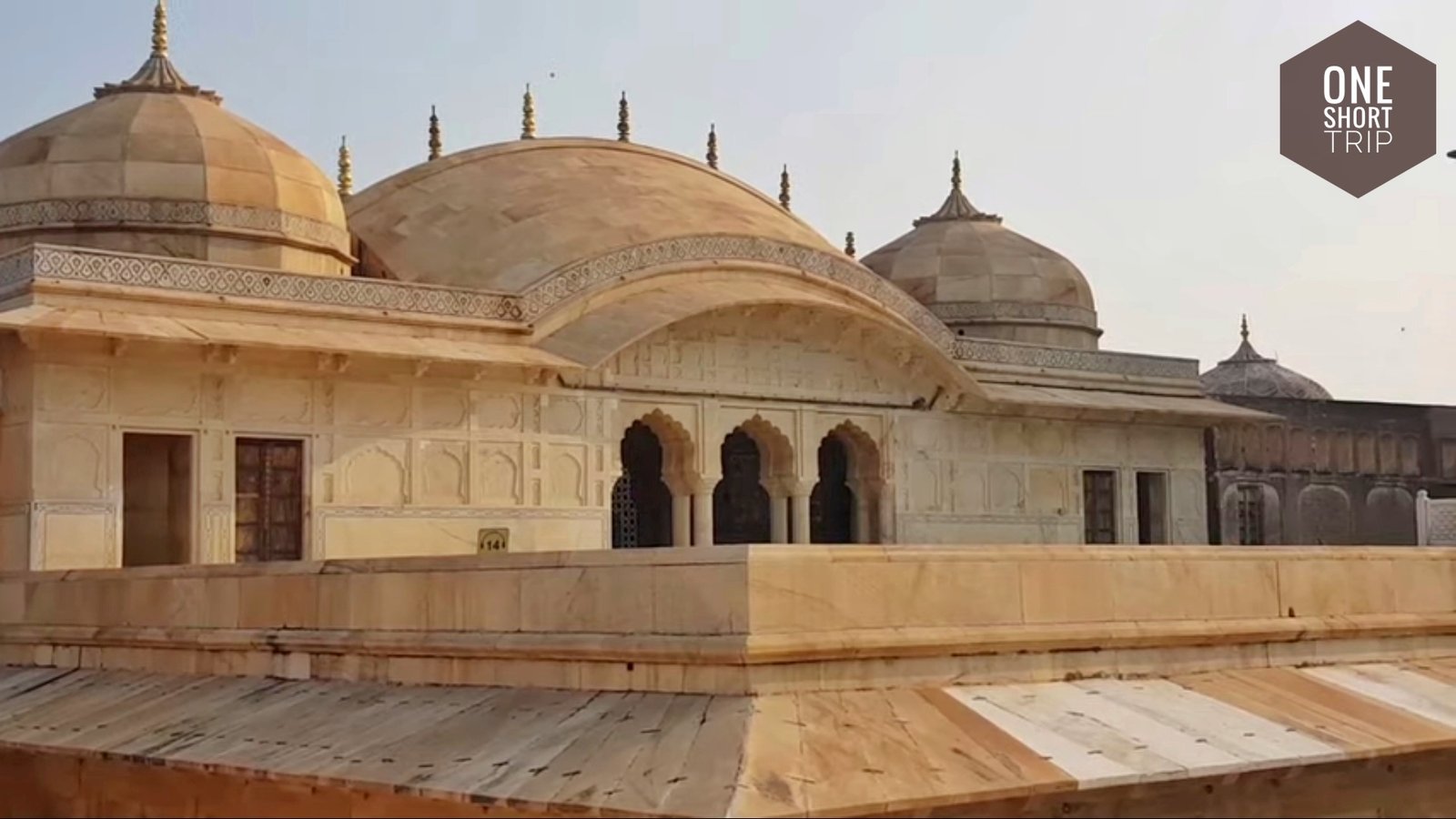
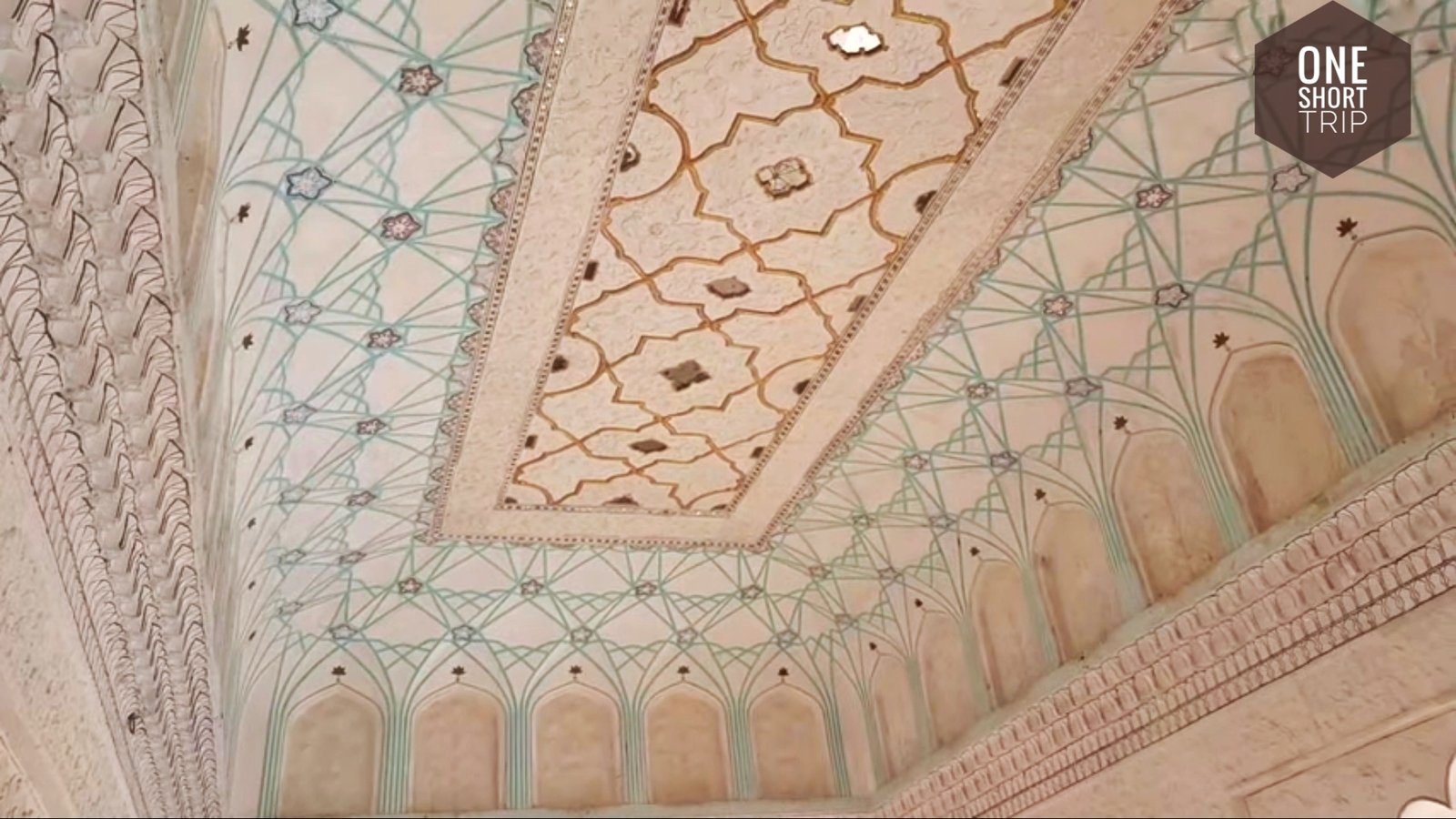
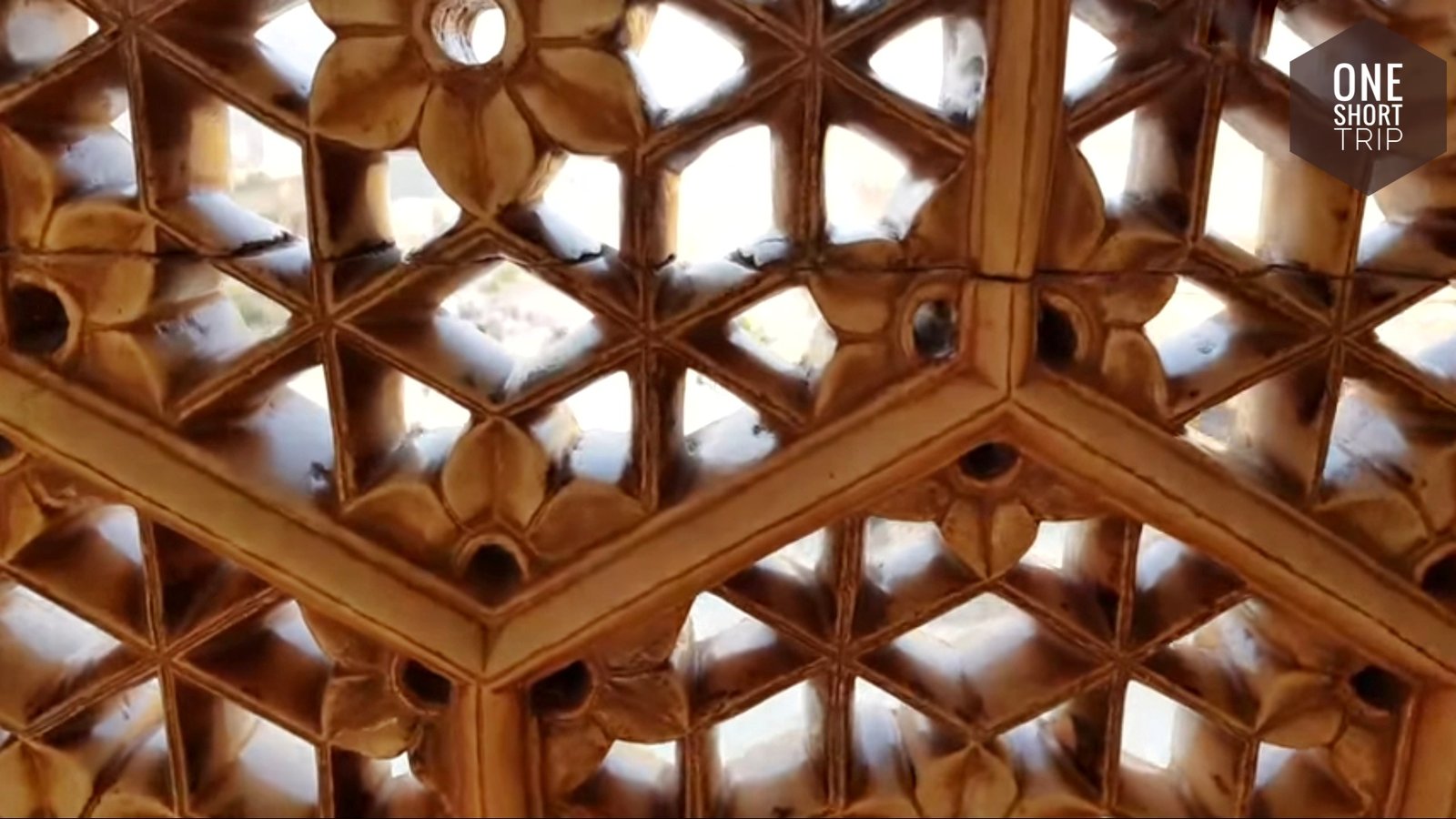
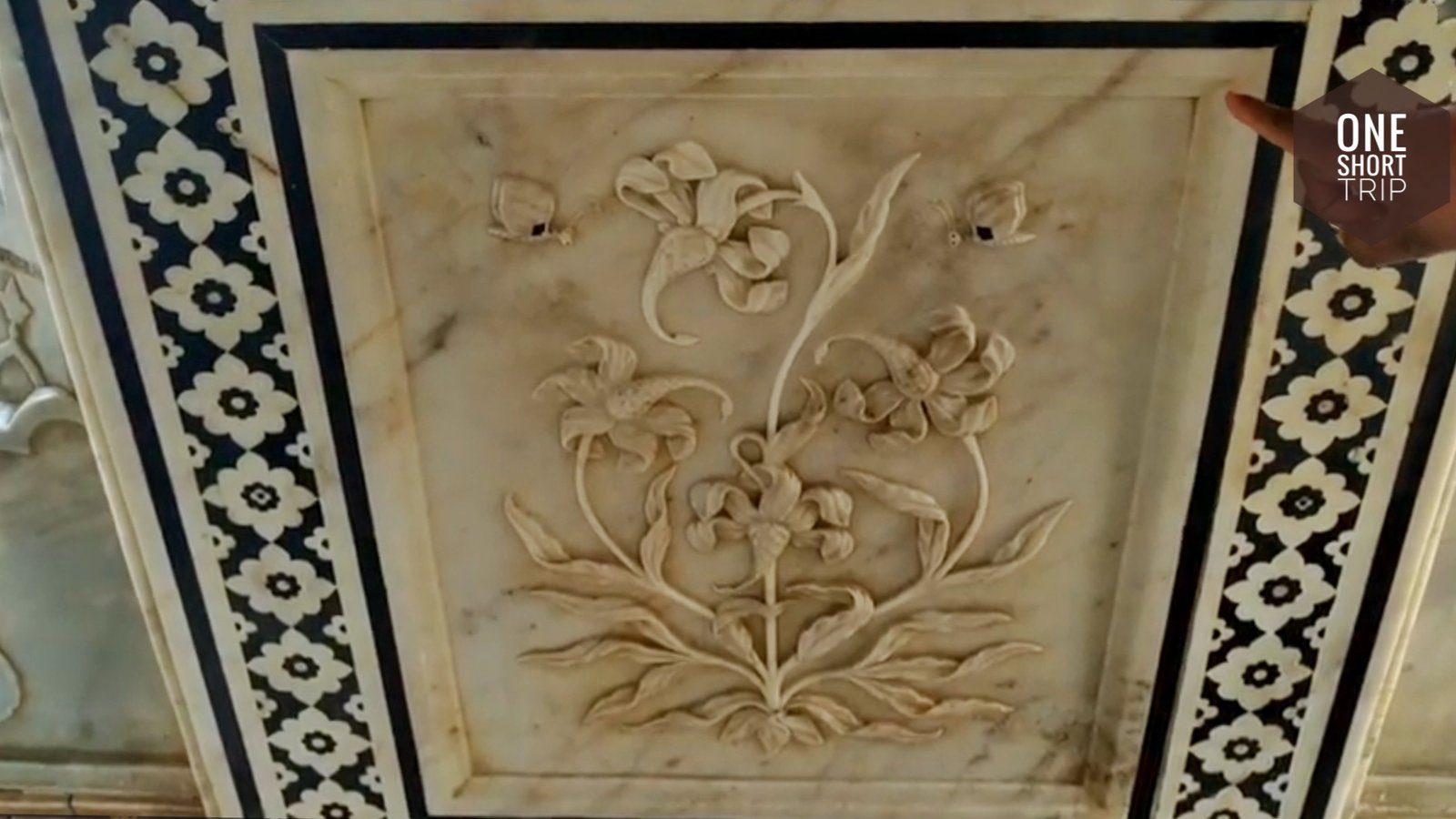
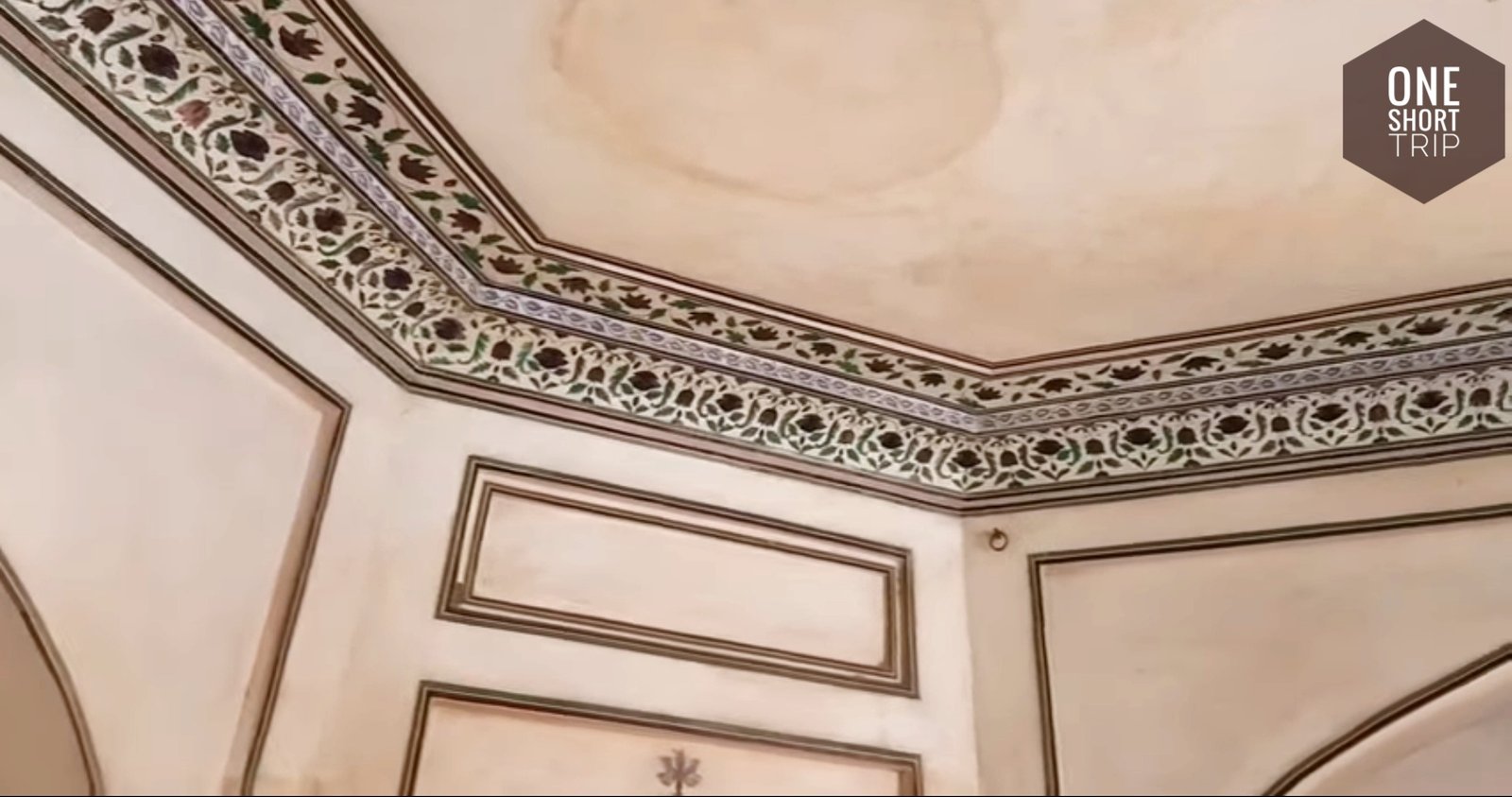
One of the most interesting aspects of Amer Fort is the way Rajput and Mughal architectural influences appear together. The fort's defensive walls, imposing gateways and courtyards reflect its Rajput royal and military character, while the palace interiors feature elaborate ornamentation, gardens, marble work, decorative panels and refined details associated with the cultural exchange between the Rajput courts and the Mughal Empire.
The combination is especially visible as you move from the massive exterior walls into the more intimate royal spaces. Amer Fort was designed not only to protect the ruling family but also to accommodate court ceremonies, private life, religious practices and the daily functioning of a royal household.
Exploring the Courtyards of Amer Fort
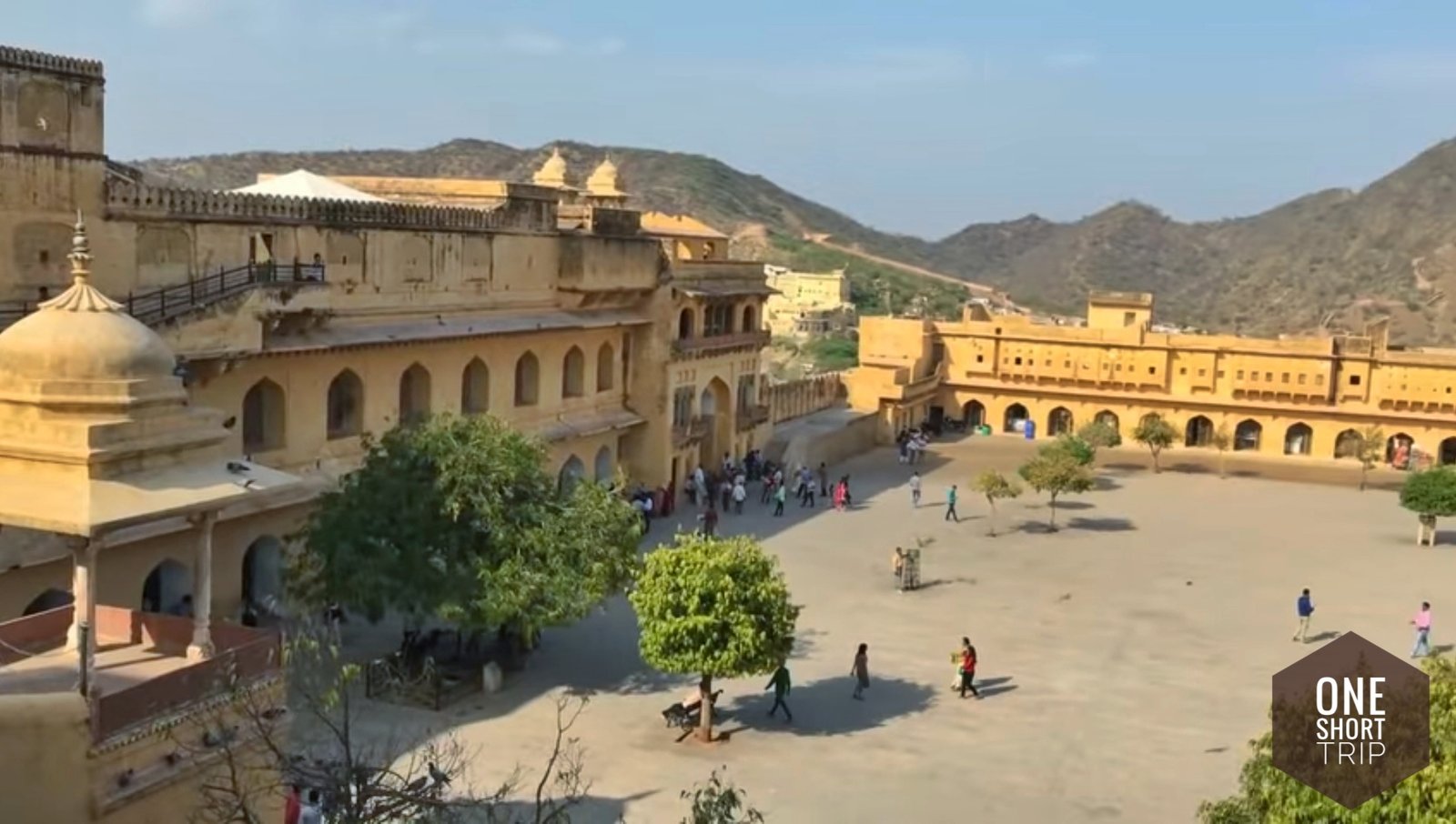
The experience of visiting Amer Fort unfolds through a series of courtyards and gateways rather than along a single straight route. One of the first major spaces is Jaleb Chowk, a large courtyard that historically served as an important gathering area for the royal household and returning armies.
From here, visitors continue towards the palace areas, where the architecture gradually changes from the imposing defensive character of the fort to richly decorated royal spaces. The Diwan-i-Aam, or Hall of Public Audience, was used for formal meetings and audiences, while the Diwan-i-Khas served more private royal functions.
Sheesh Mahal: The Famous Mirror Palace
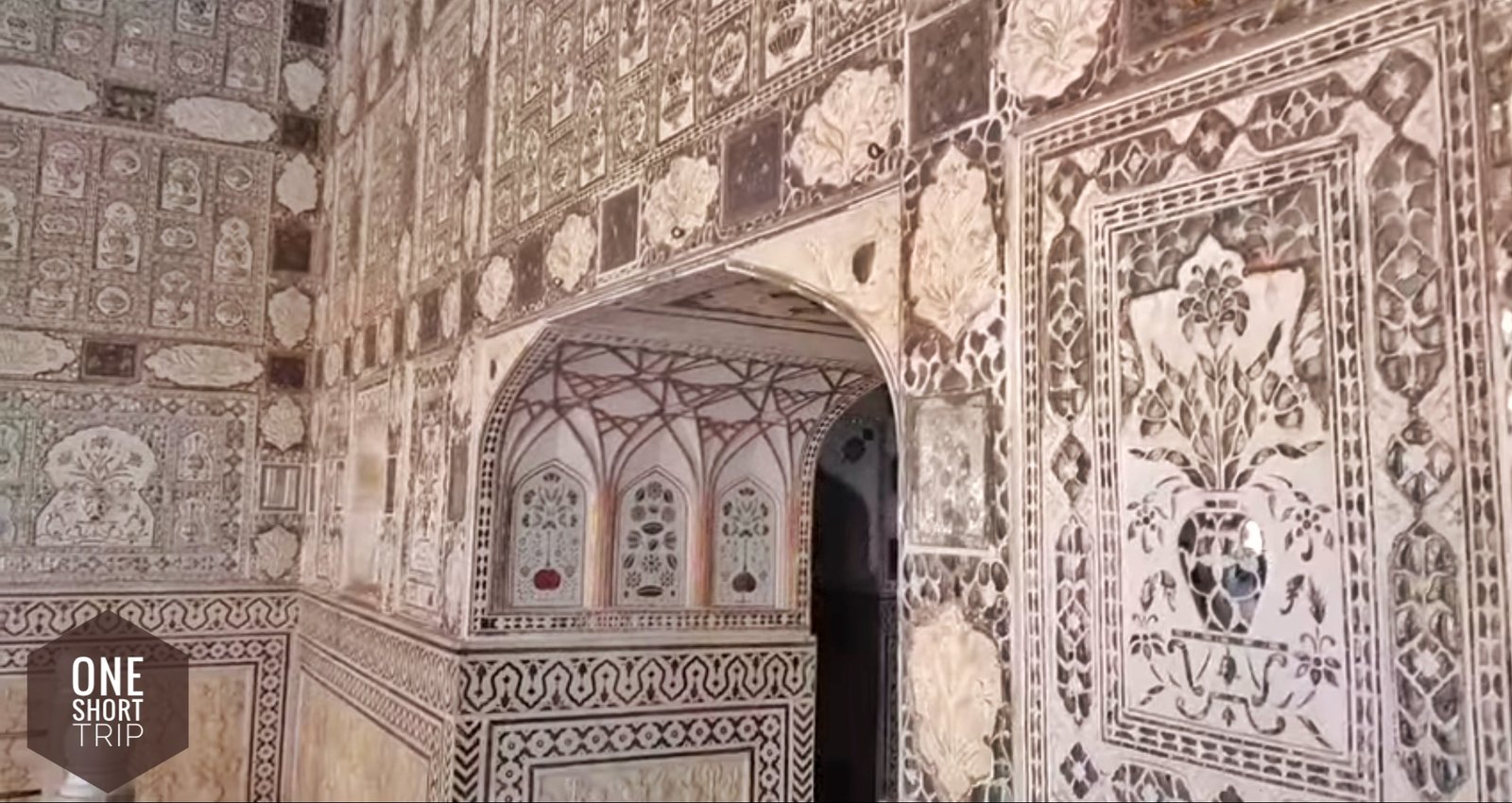
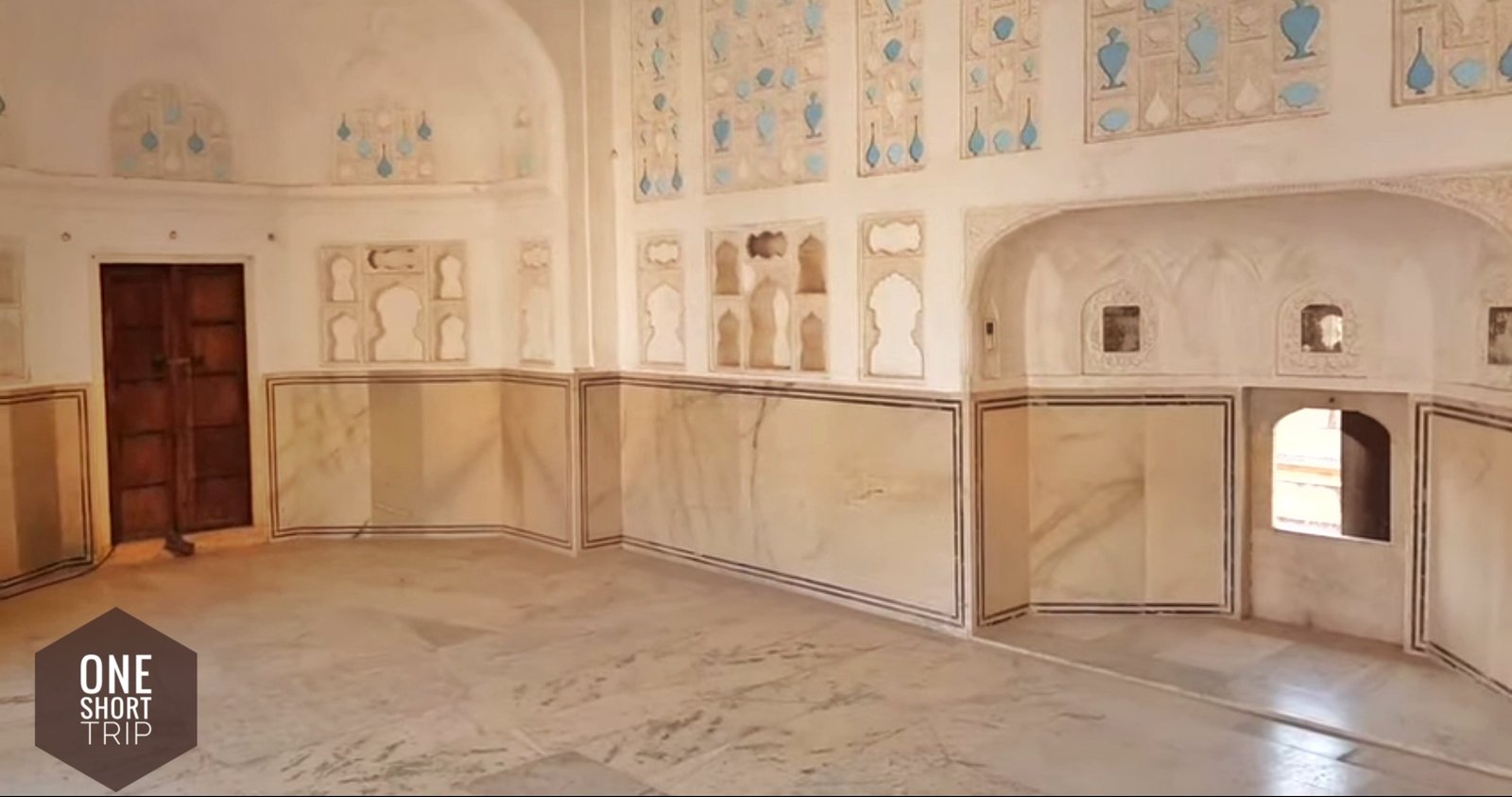
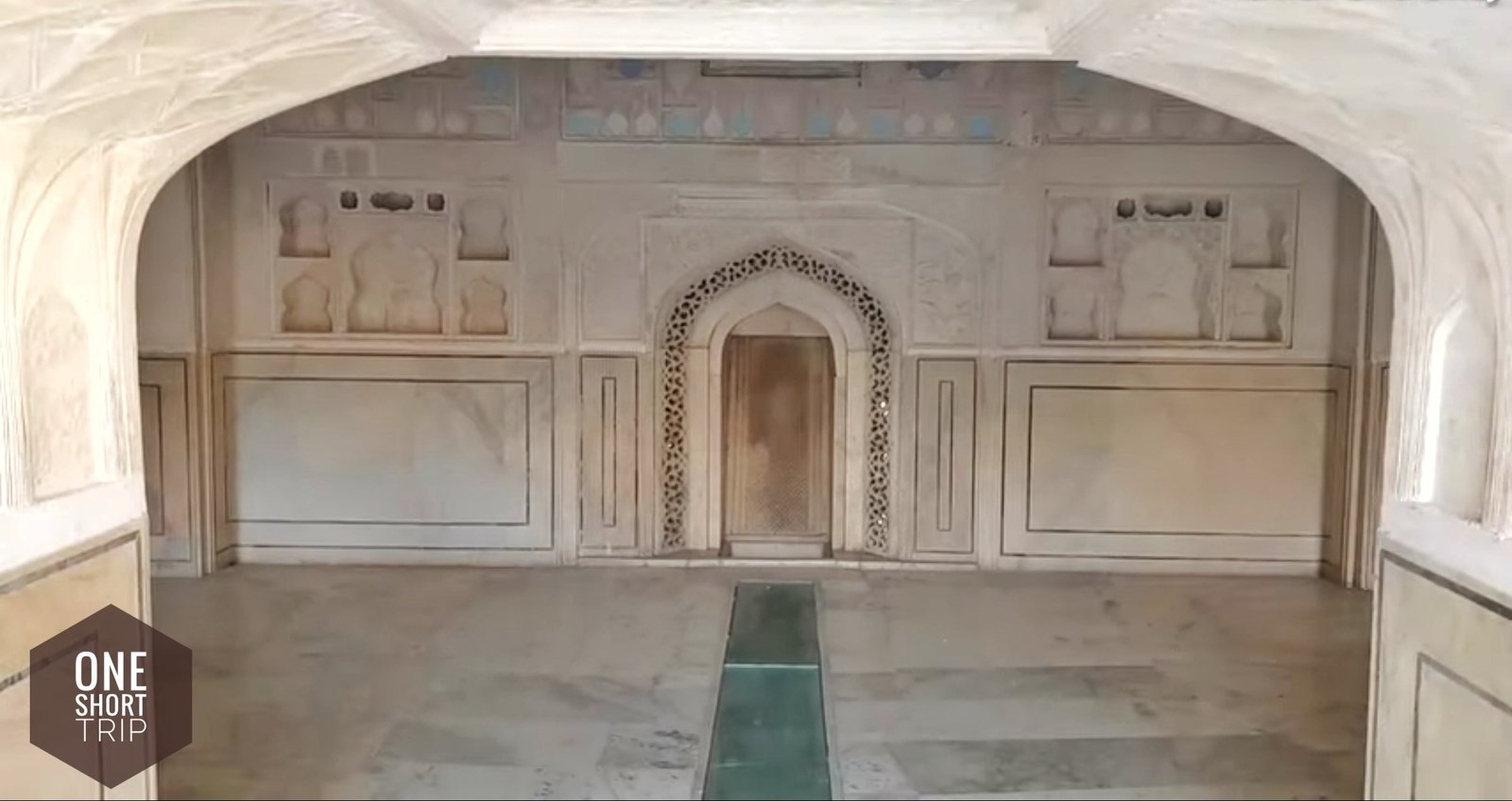
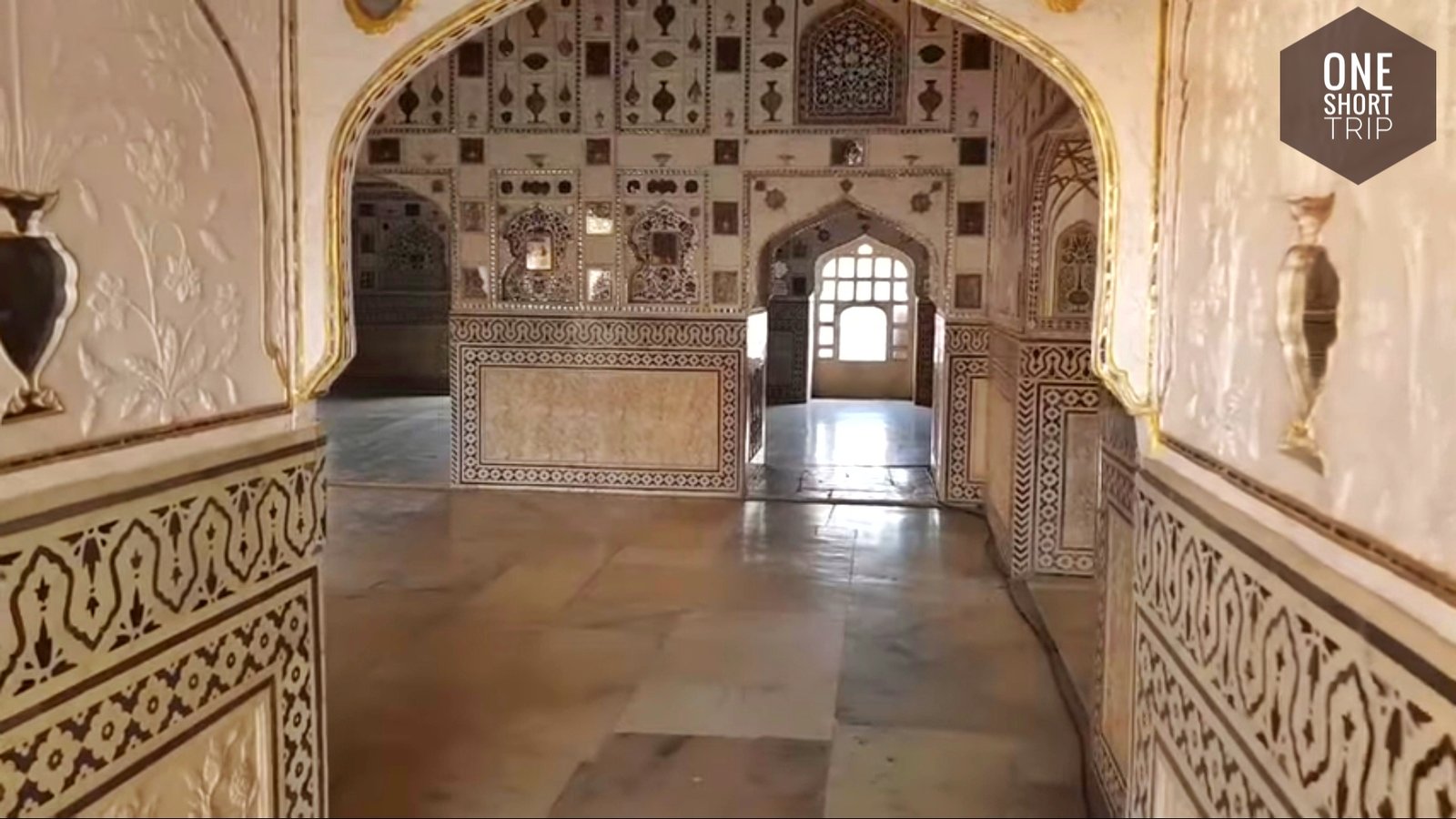
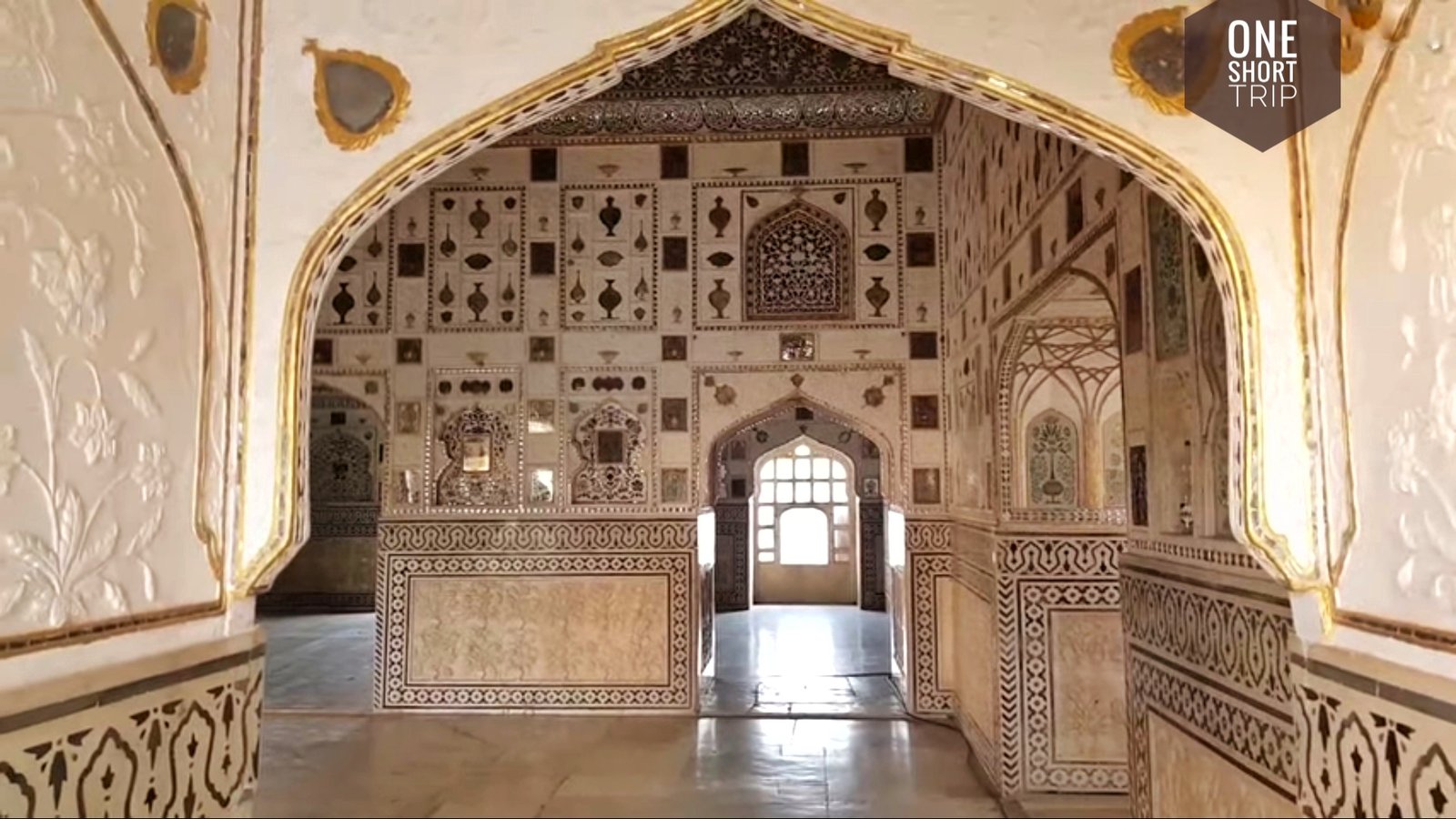
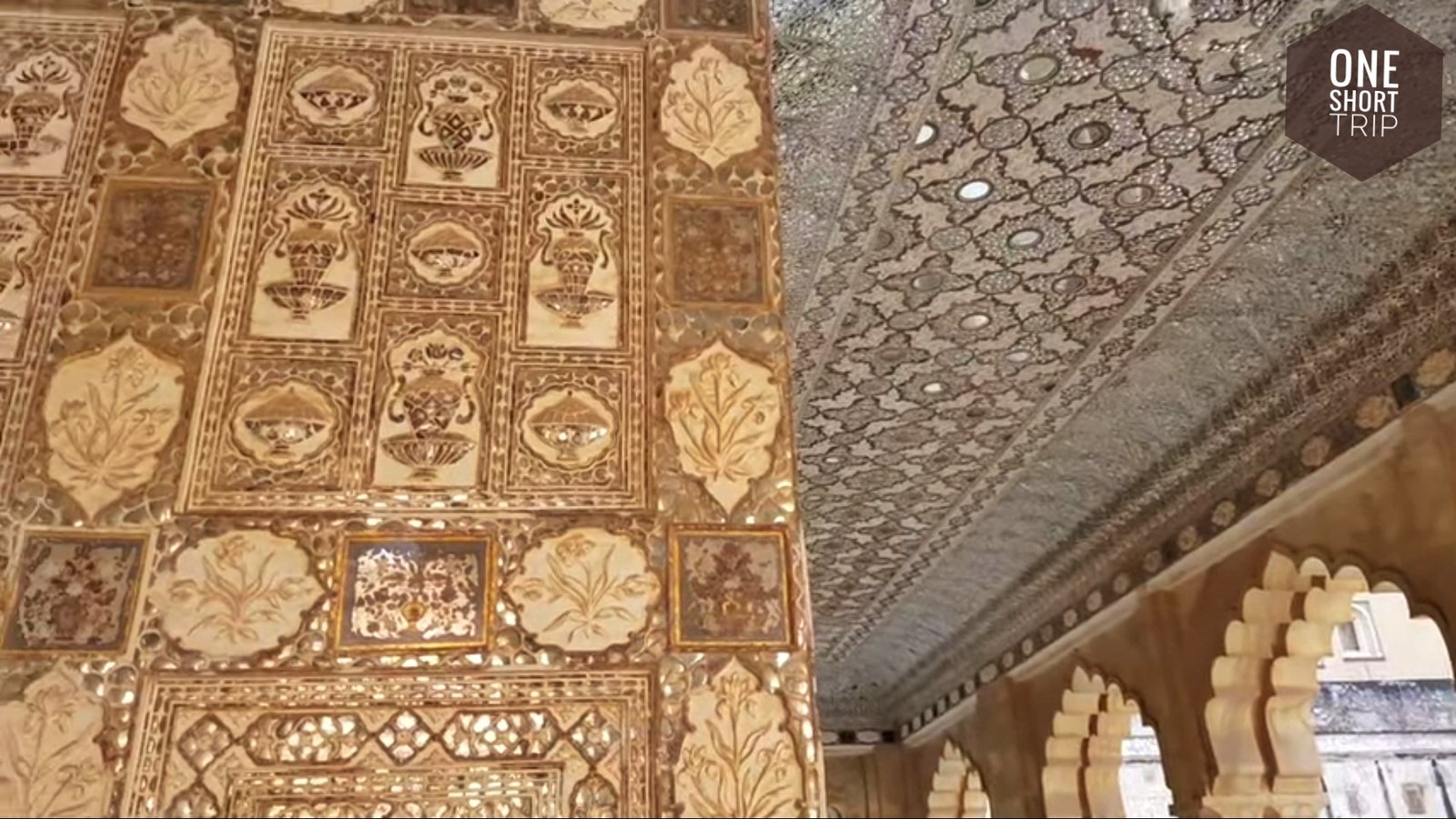
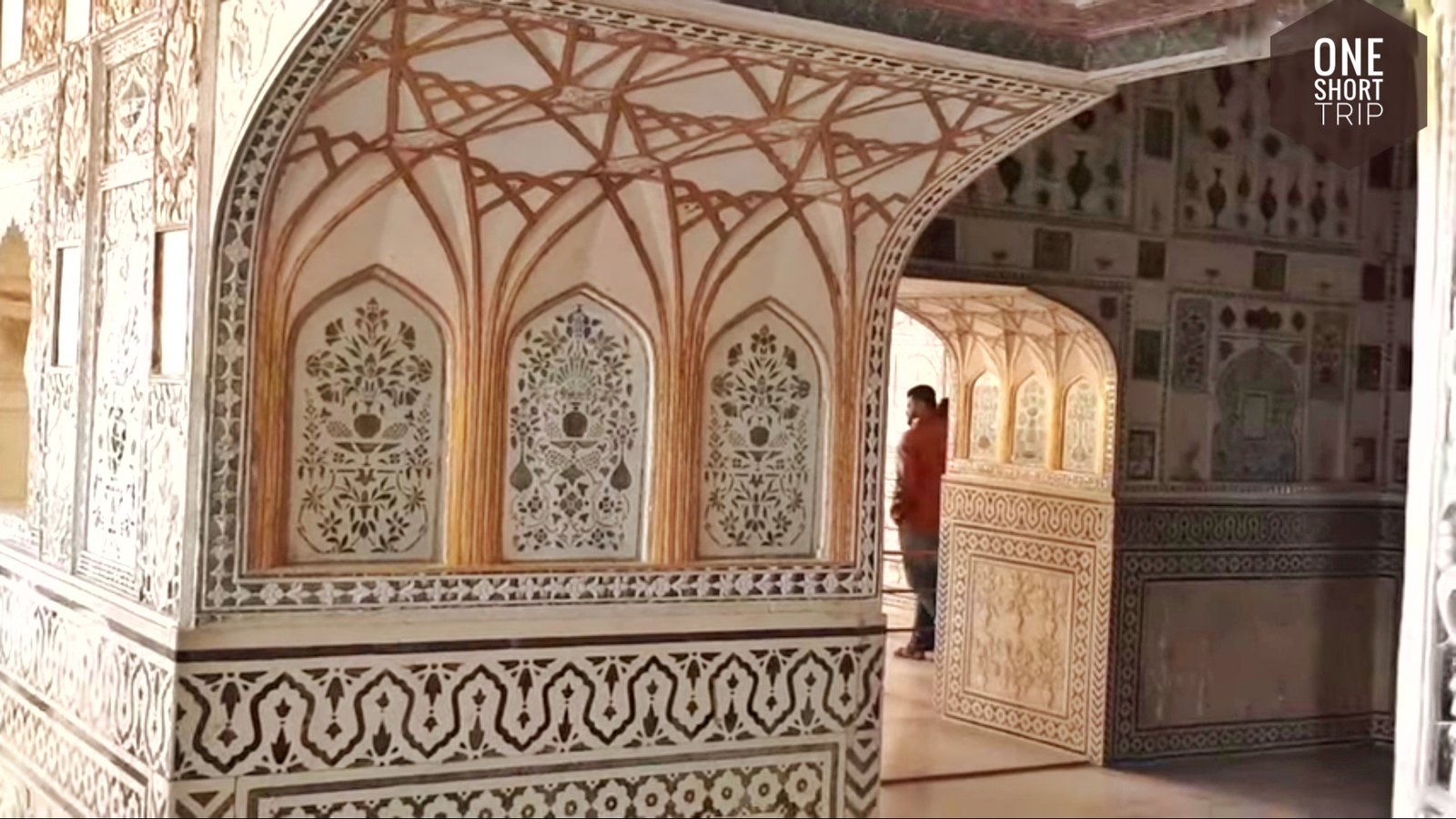
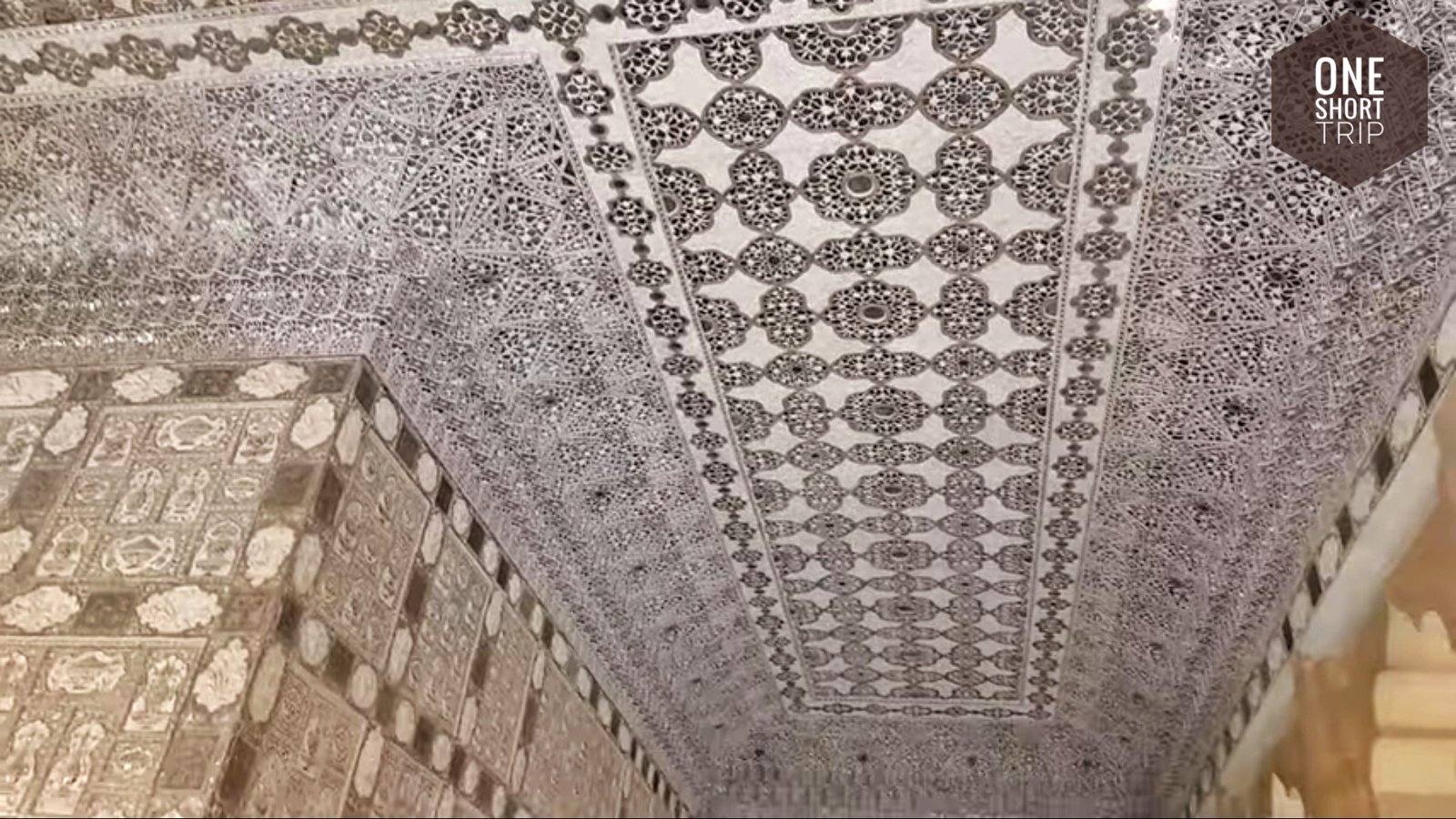
Among the many interiors of Amer Fort, the Sheesh Mahal is one of the most celebrated. The name means "Mirror Palace", referring to the extensive decorative mirror work incorporated into its walls and ceilings. Small pieces of reflective glass were arranged within intricate designs, creating a distinctive effect when illuminated.
The Sheesh Mahal is often associated with the idea that even a small source of light could produce reflections throughout the decorated chamber. Rather than being simply ornamental, the mirror work demonstrates the craftsmanship and attention to detail that went into the private royal areas of Amer Fort.
Ganesh Pol and the Private Royal Quarters
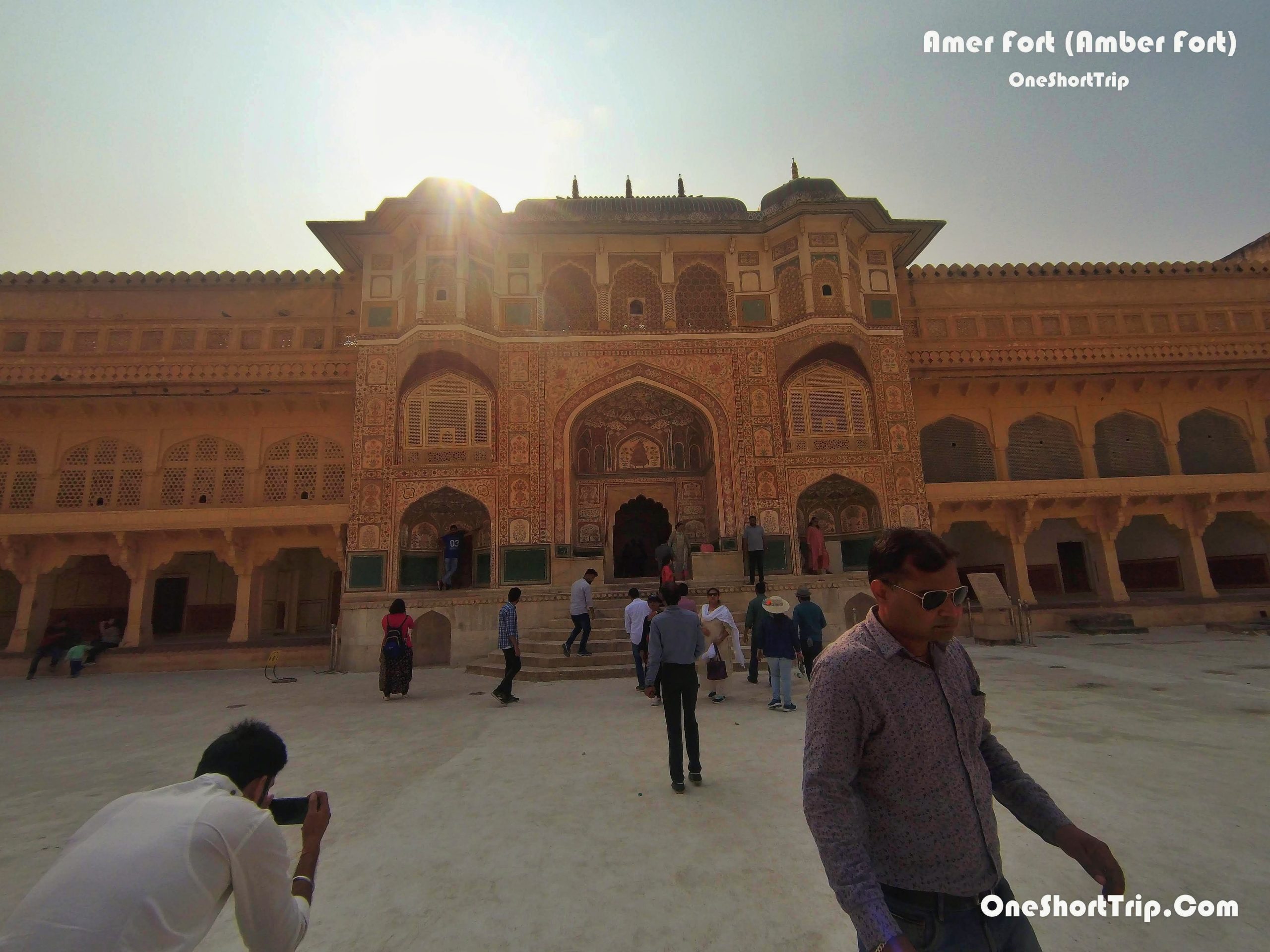
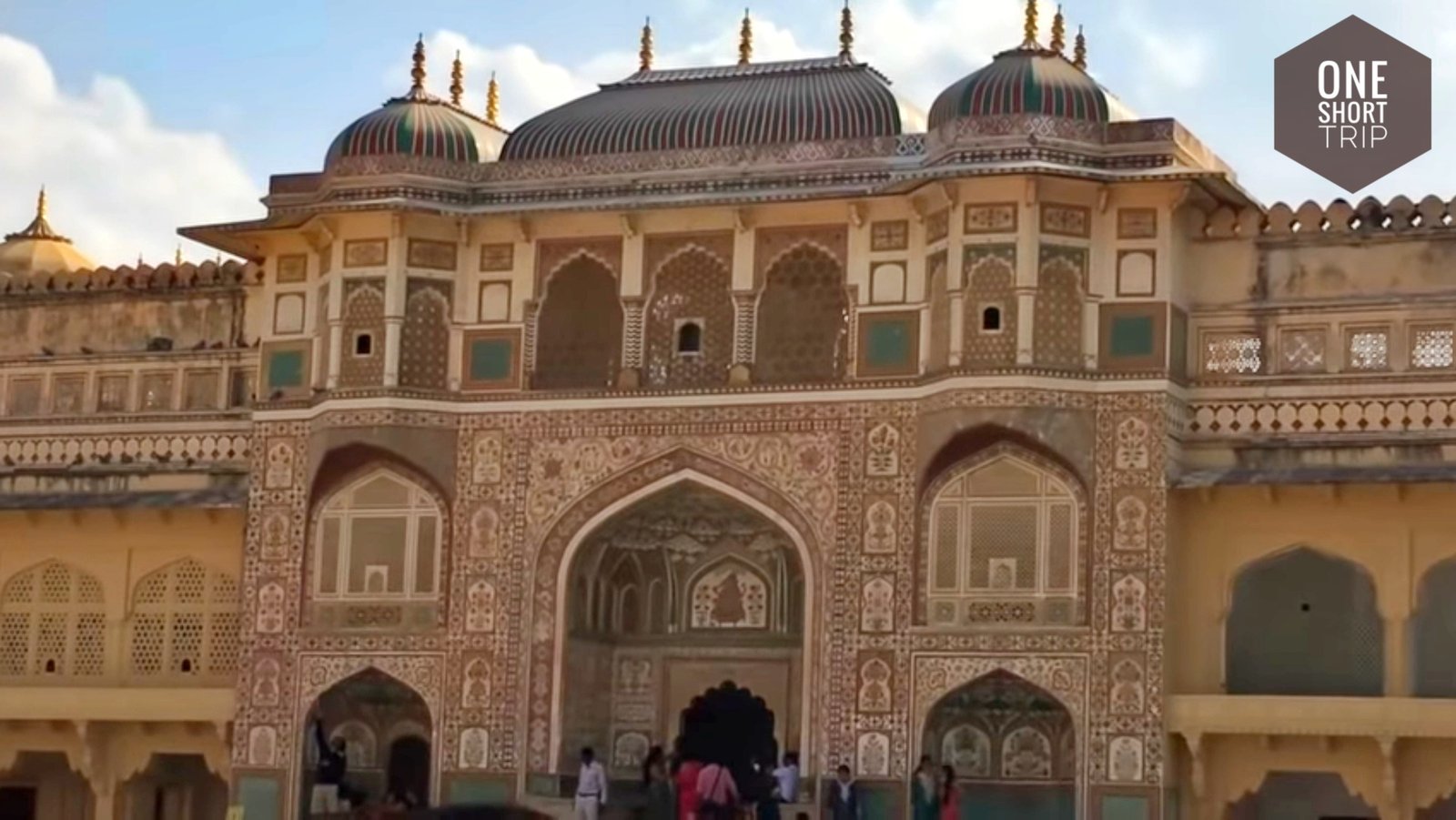
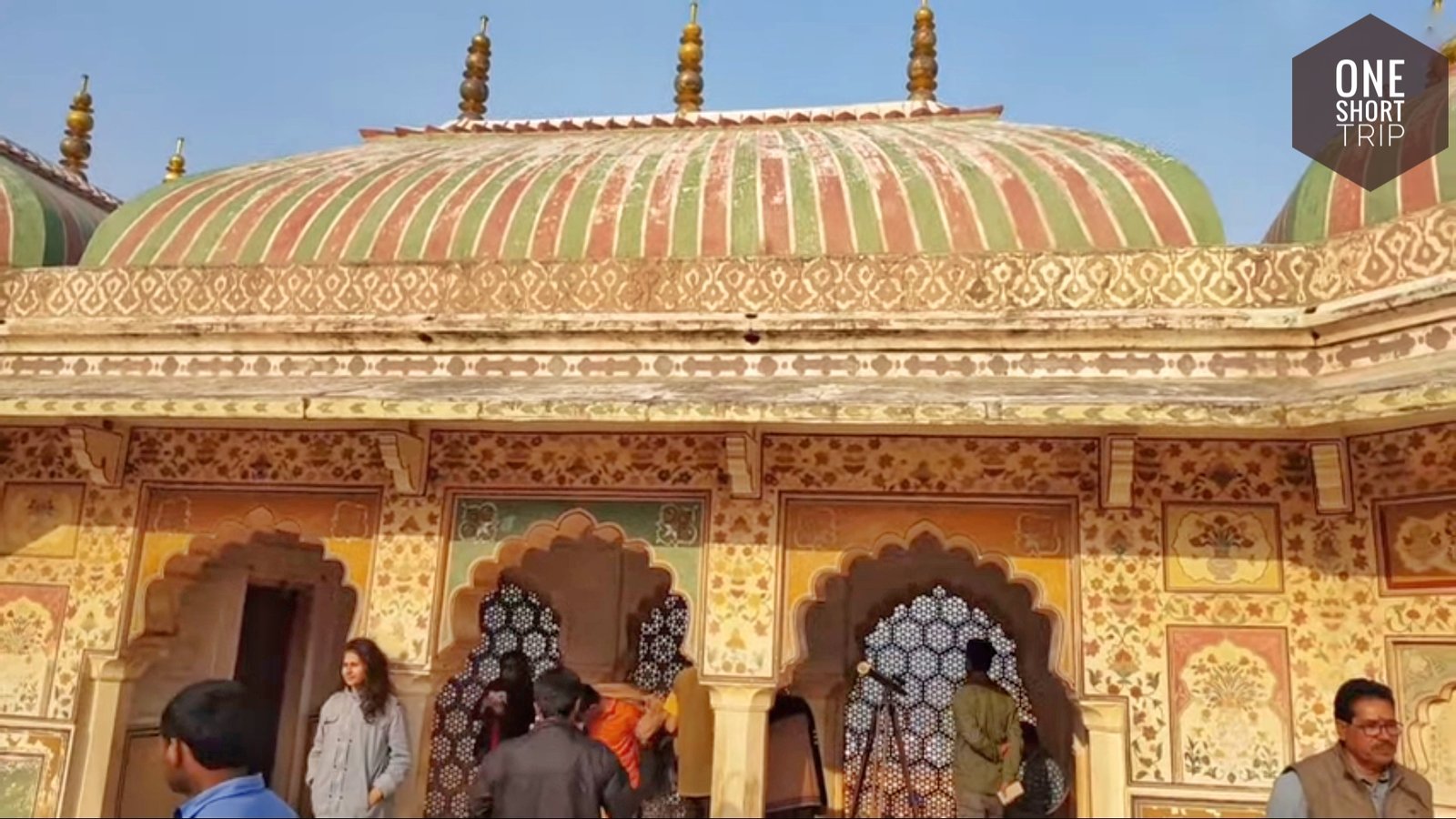
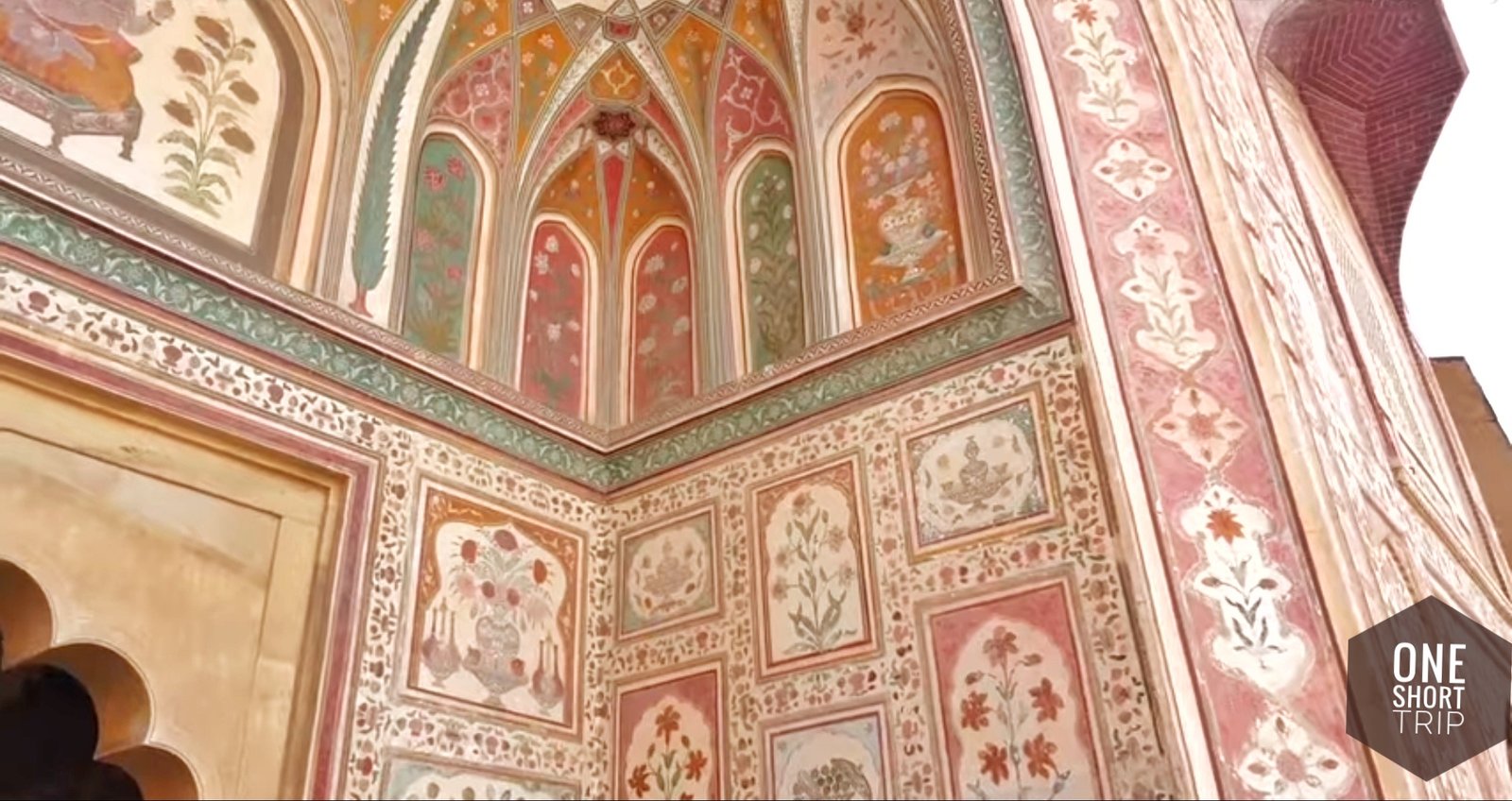
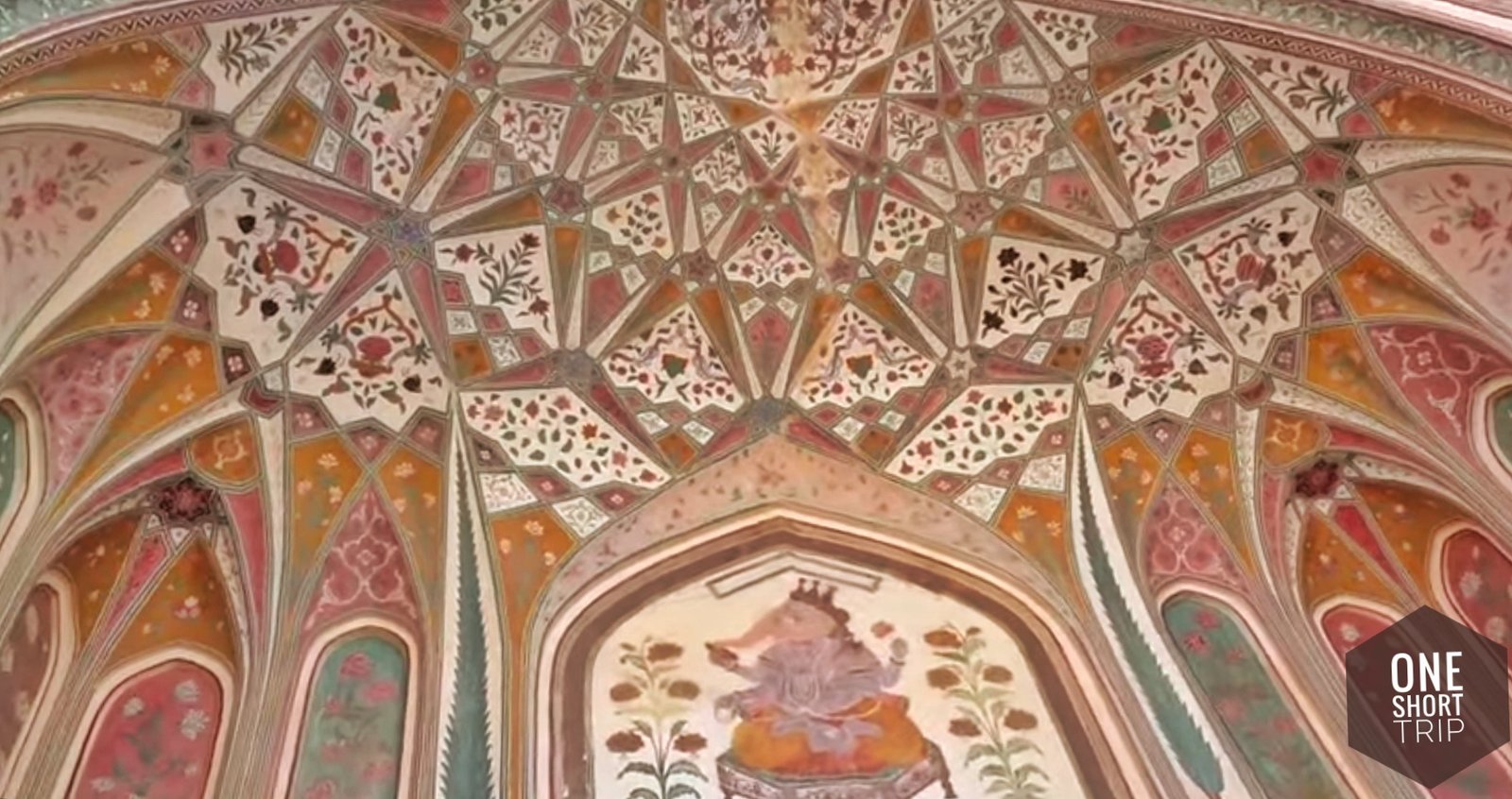
Ganesh Pol is one of the most recognisable gateways within Amer Fort. Its richly decorated entrance leads towards the private royal quarters and demonstrates how functional gateways could also become elaborate architectural features.
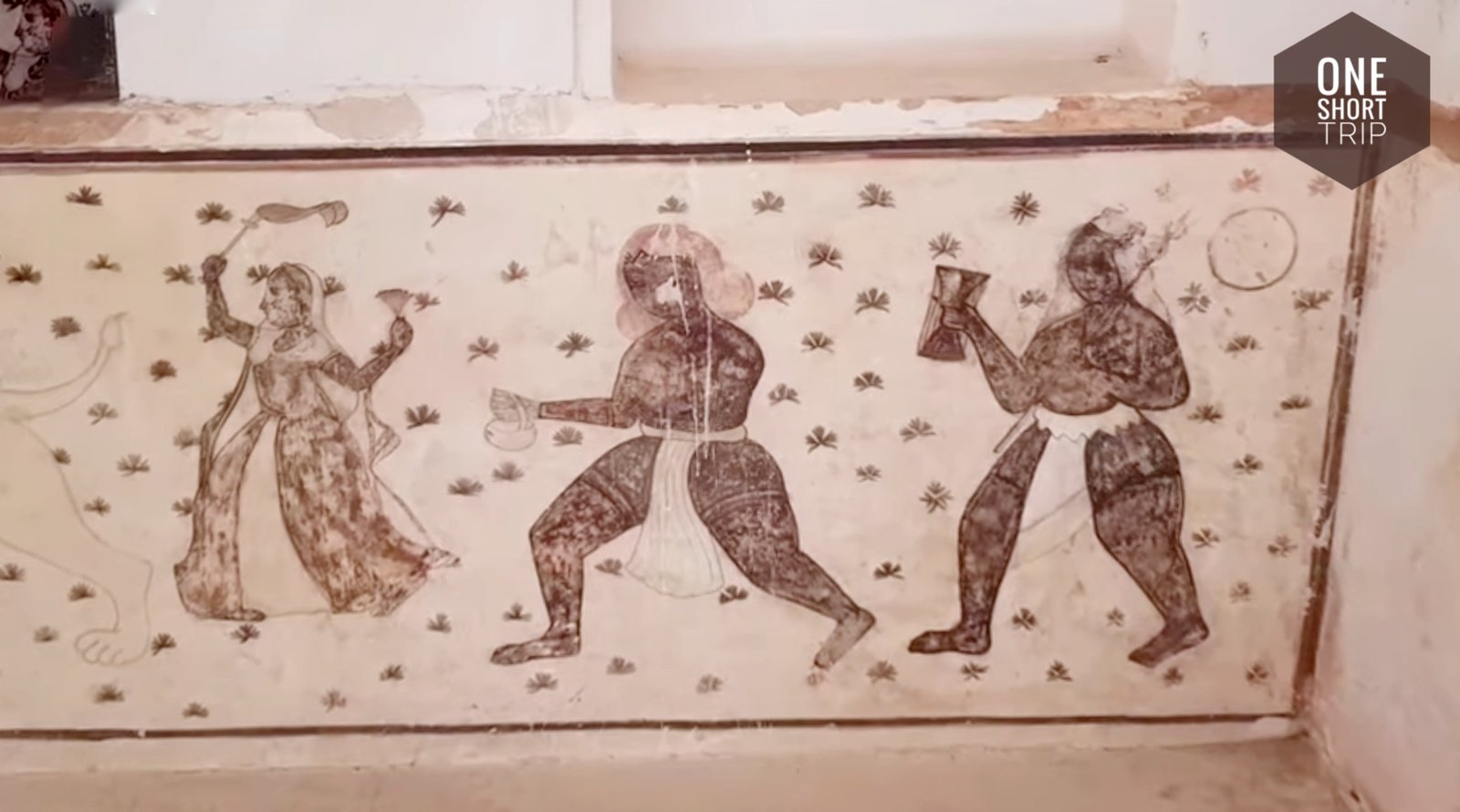
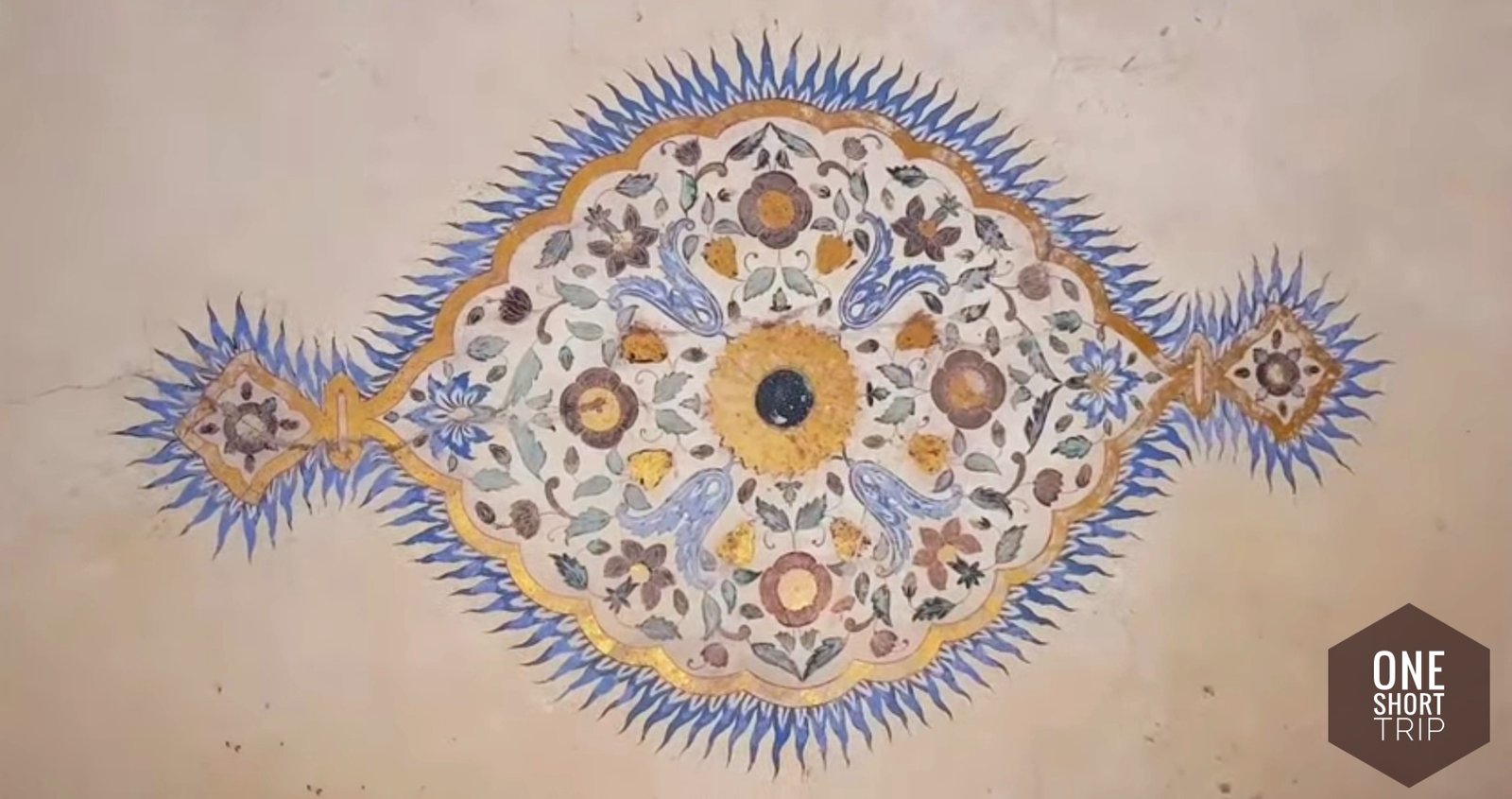
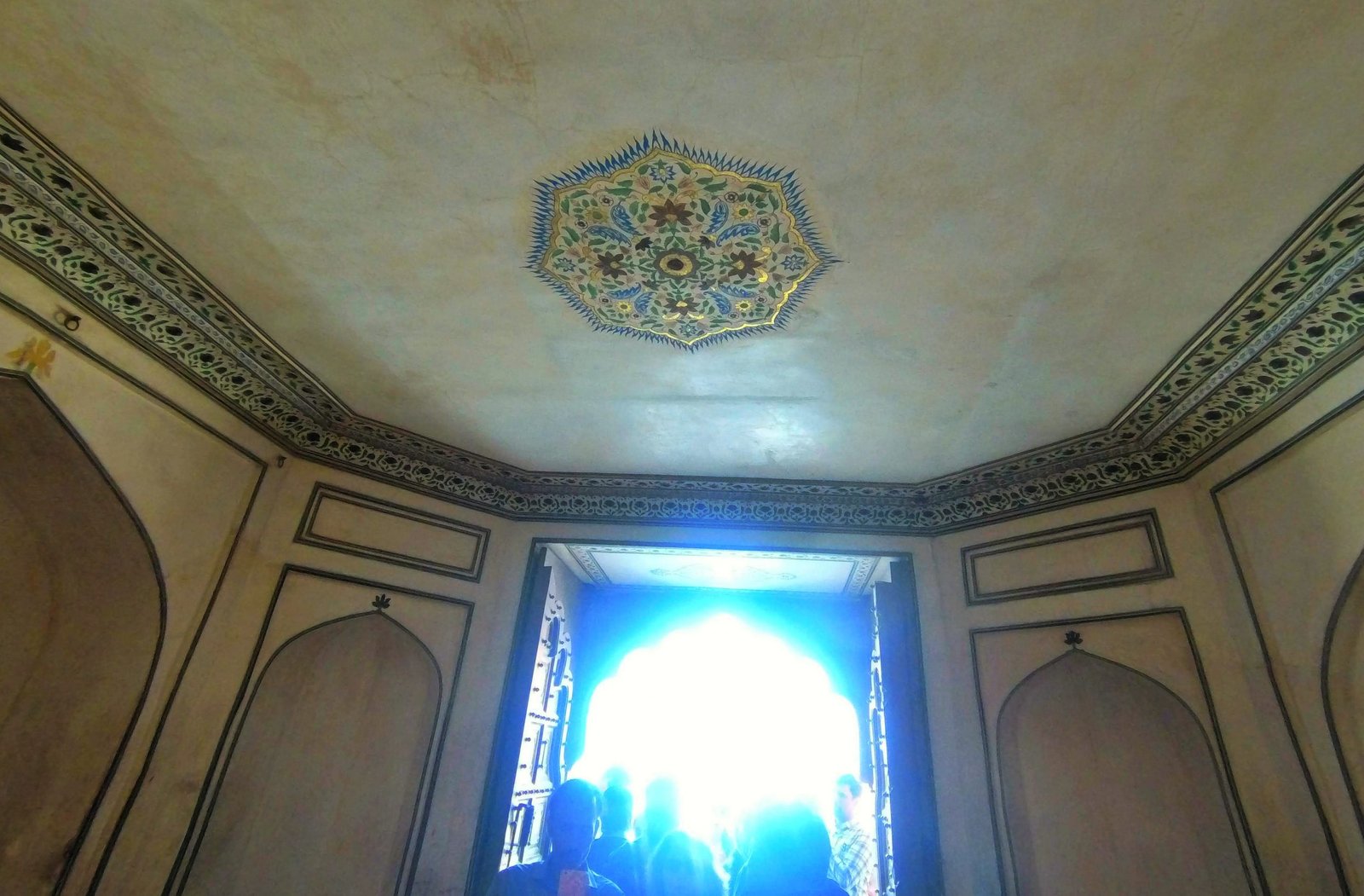
As you explore this section of the palace, look closely at the painted and carved details, decorative arches and transitions between public and private spaces. These details help explain how the fort functioned as both a defensive stronghold and a royal residence.
Shila Devi Temple and the Religious Heritage of Amer Fort
Amer Fort also contains the Shila Devi Temple, an important place of worship associated with the Kachwaha royal family. The temple adds a religious dimension to the palace complex and reflects the close relationship between royal authority, family traditions and worship in the old capital of Amer.
According to local tradition, Raja Man Singh I brought the image of Shila Devi to Amer following his campaign in Bengal. The story associated with the goddess forms an important part of the temple's traditional history. Visitors should remember that the temple remains a place of worship and should follow any current rules regarding entry, photography and timings.
Maota Lake and Kesar Kyari Garden
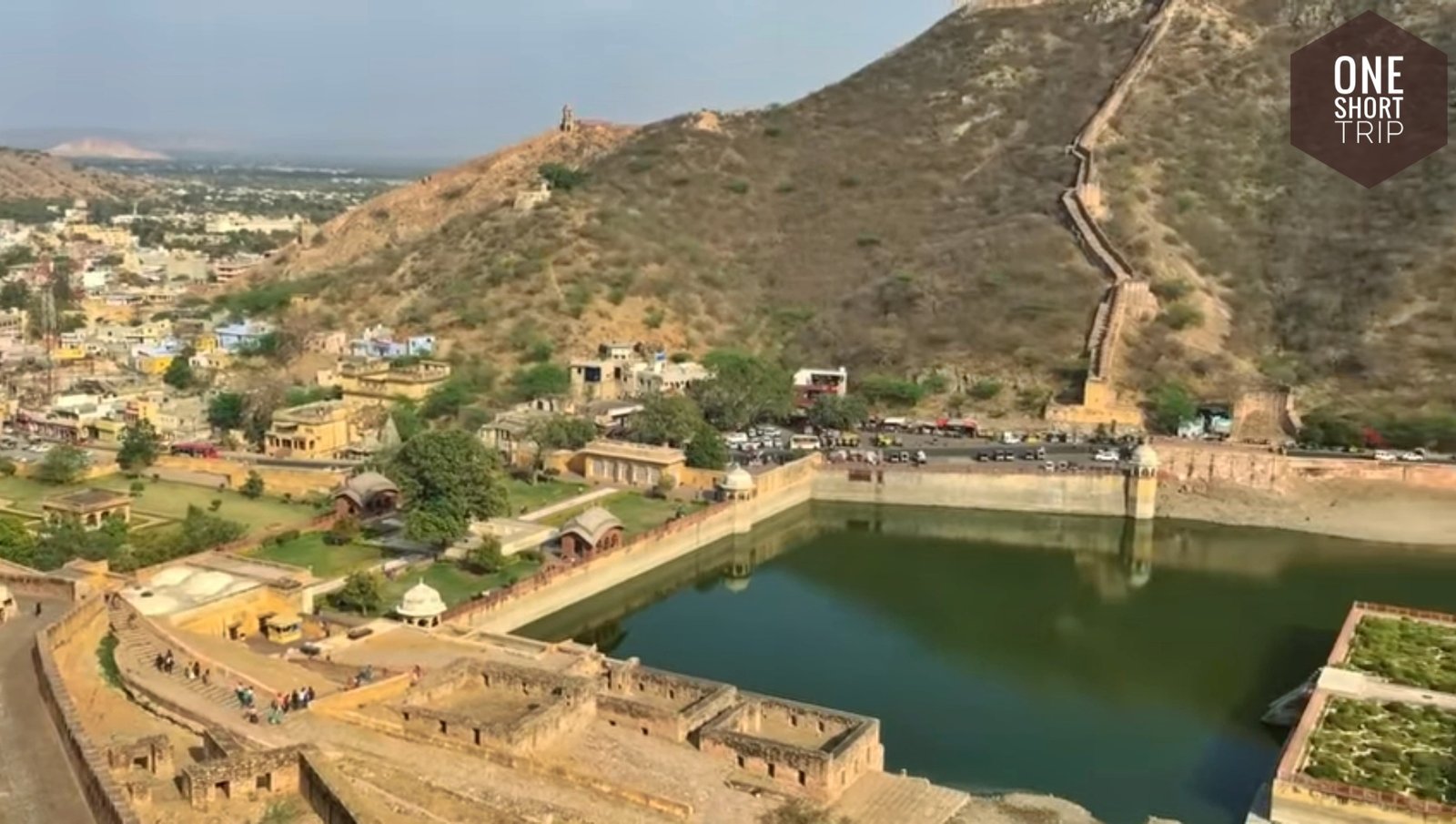
One of the defining features of Amer Fort is its relationship with the landscape around it. Maota Lake lies below the palace, providing a dramatic foreground to the fort's hilltop walls. The lake was also an important part of the historic settlement's water-management system.
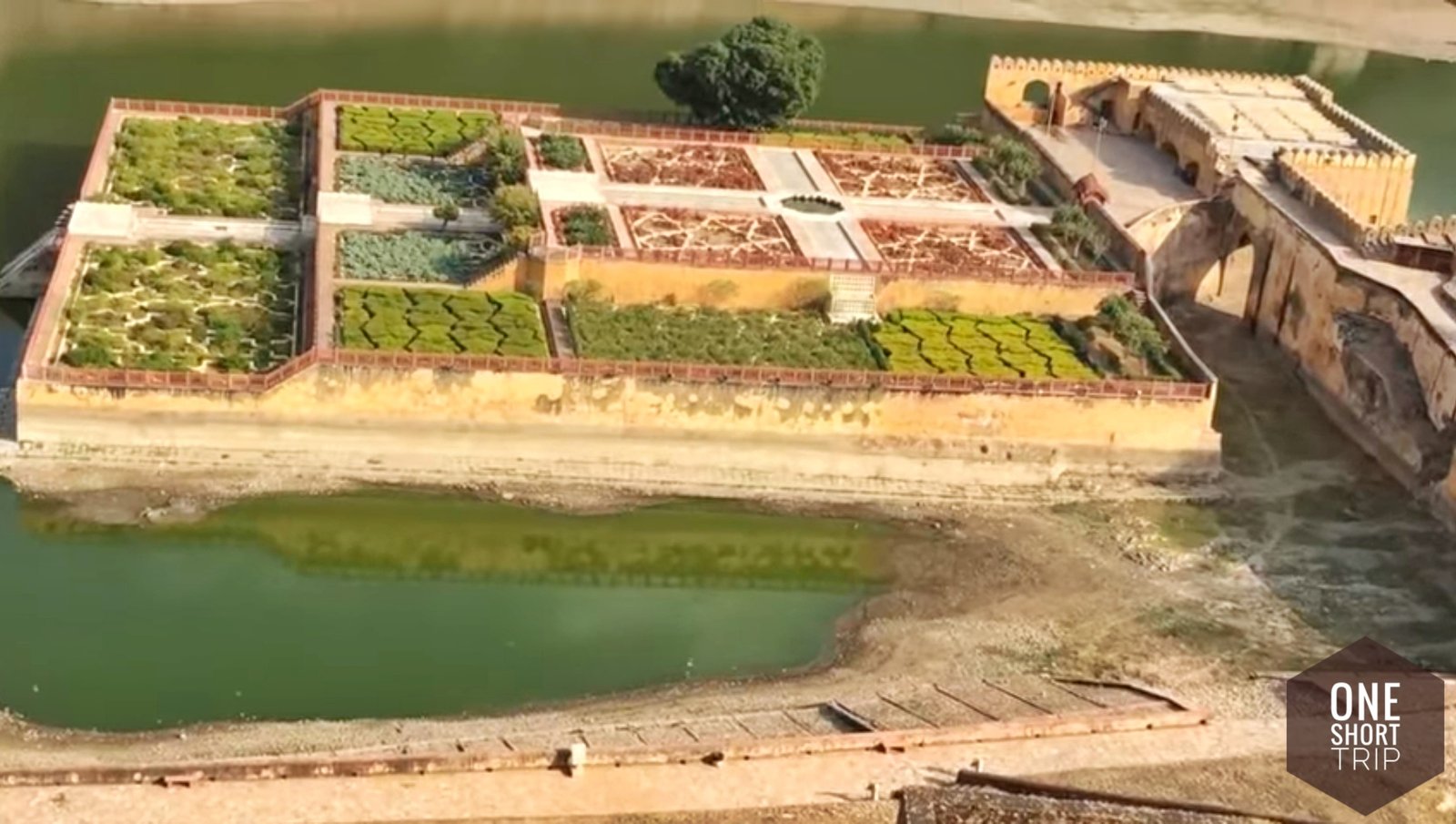
Kesar Kyari Garden occupies an island in Maota Lake and is particularly recognisable for its geometric layout. The combination of the island garden, lake, palace and Aravalli hills creates one of the classic views of Amer Fort. If time permits, it is worth viewing the fort from below as well as exploring its palace interiors.
Amer Fort as a UNESCO World Heritage Site
Amer Fort is one of the six forts included in the UNESCO World Heritage property known as the Hill Forts of Rajasthan. The other five are Chittorgarh, Kumbhalgarh, Ranthambore, Gagron and Jaisalmer. The property was inscribed on the UNESCO World Heritage List in 2013.
The UNESCO designation recognises the forts as important examples of Rajput military architecture and the way these fortified landscapes supported political power, royal life, religion and settlement. Amer is particularly notable because its defensive setting is combined with an elaborate palace complex and carefully designed water and garden features.


How to Reach Amer Fort from Jaipur
Amer Fort is approximately 11 kilometres from central Jaipur, making it easy to include in a Jaipur sightseeing itinerary. Travellers can reach the fort by taxi, auto-rickshaw, local bus or private vehicle. The drive from the main city area takes you towards the historic Amer settlement and the Aravalli hills.
If you are visiting Jaipur by car, starting early can make the experience more comfortable, particularly during warmer months. The approach roads and areas around the fort can become busy later in the day, especially during peak tourist periods.
How Much Time Do You Need at Amer Fort?
Plan to spend at least two to three hours at Amer Fort if you want to explore the principal courtyards, palace interiors, gateways and viewpoints without rushing. Visitors interested in history and architecture may prefer to spend longer, particularly if they want to explore the site with a guide.
Comfortable footwear is strongly recommended. The fort includes stairways, slopes, stone surfaces and uneven sections, and exploring the complex involves considerable walking. Carry water, protect yourself from the sun and allow additional time if you plan to visit nearby attractions such as Jaigarh Fort or Panna Meena Ka Kund.
Tips for a Better Amer Fort Visit
A local guide can make the history of Amer Fort considerably easier to understand. The complex contains several courtyards and royal spaces, and knowing the purpose of places such as Jaleb Chowk, Diwan-i-Aam, Diwan-i-Khas, Sheesh Mahal and Ganesh Pol adds context that is easy to miss when exploring independently.
Visitors should also dress comfortably for the weather and wear footwear suitable for walking. Respect the rules around active religious spaces, particularly at the Shila Devi Temple. Photography should also follow the current restrictions applicable to individual areas of the complex.
If you are considering an elephant ride, check the current regulations and operating conditions before making a decision. Walking and vehicle-based transfers are practical alternatives for visitors who prefer not to use an elephant. Whatever option you choose, keep some time aside to appreciate the fort's views across Maota Lake and the surrounding Aravalli hills.