About Bettadasanapura Fort
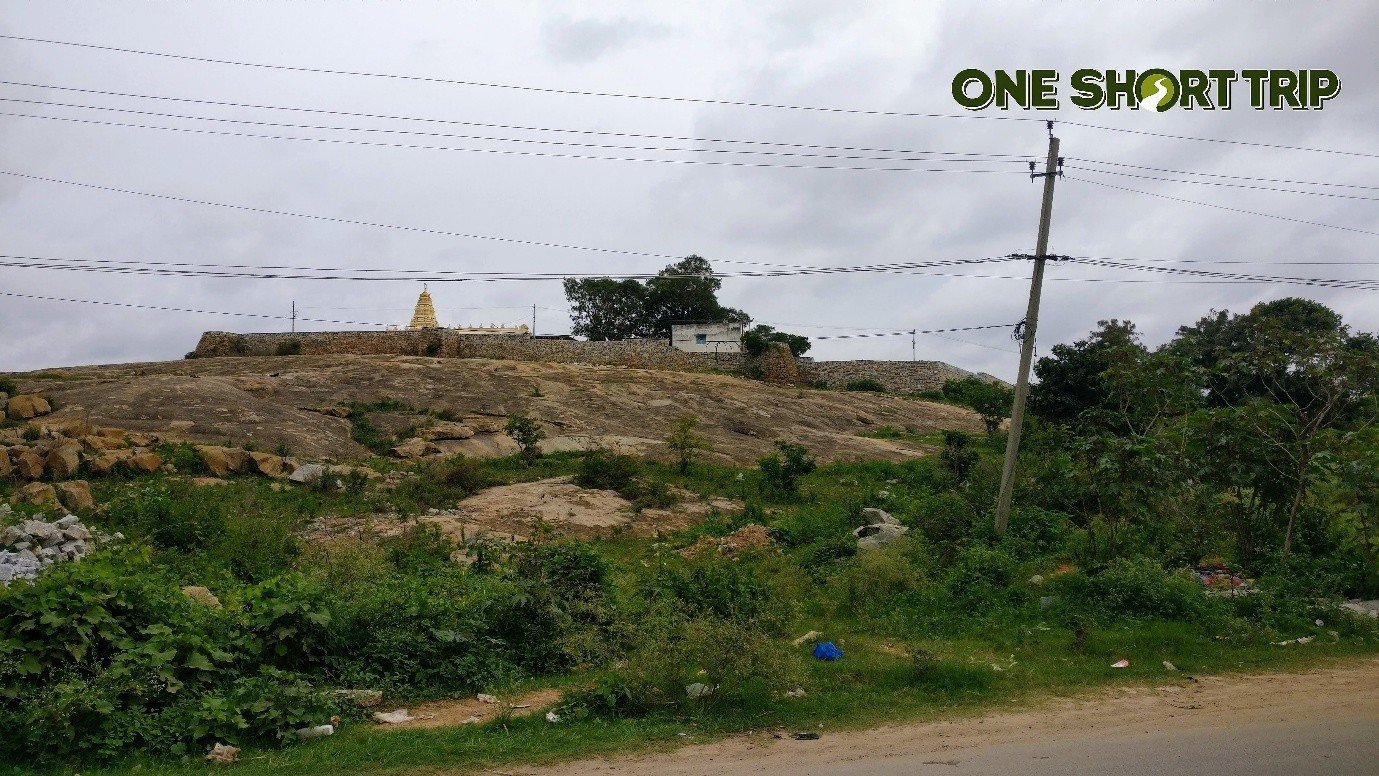
Bettadasanapura Fort is a lesser-known hilltop heritage site in South Bengaluru, located near Electronic City and Bettadasanapura village. Built over a rocky monolith, the small granite fort combines historic fortification, active temples and a distinctive rock-cut water structure in one compact hilltop complex. Its setting makes it an interesting place to visit for travellers looking beyond Bengaluru's better-known tourist attractions.
The fort is particularly notable because the historic remains are closely connected with the Sri Kote Thimmarayaswamy Temple and a nearby shrine dedicated to Lord Shiva as Kashi Vishwanath. Inside the complex, visitors can see roughly built granite walls, surviving bastions, temple structures and a rock-cut Kalyani or sacred pond. The hill also provides elevated views towards the rapidly developing parts of South Bengaluru, creating an unusual contrast between old stone architecture and the modern city.


The exact history of Bettadasanapura Fort is not completely settled. Some historical accounts associate the fort with the period of Kempegowda and suggest that the Thimmarayaswamy Temple may have an older history, while local traditions connect the temple with earlier dynasties. Because the available sources differ on the precise date and builder, it is better to view Bettadasanapura as a historic fort-temple complex whose surviving architecture reflects several layers of Bengaluru's past rather than assigning one definitive construction date.
The fort itself is relatively small compared with major forts such as Devanahalli or Chitradurga, but its setting on a rocky hill gives it a distinctive character. Parts of the fort walls and bastions remain, while the hilltop position offers a natural vantage point over the surrounding landscape. For visitors interested in Bengaluru's lesser-known history, the combination of fort walls, temples, stonework and views makes Bettadasanapura worth including in a heritage-focused outing.


Bettadasanapura Fort and Its Temple Complex
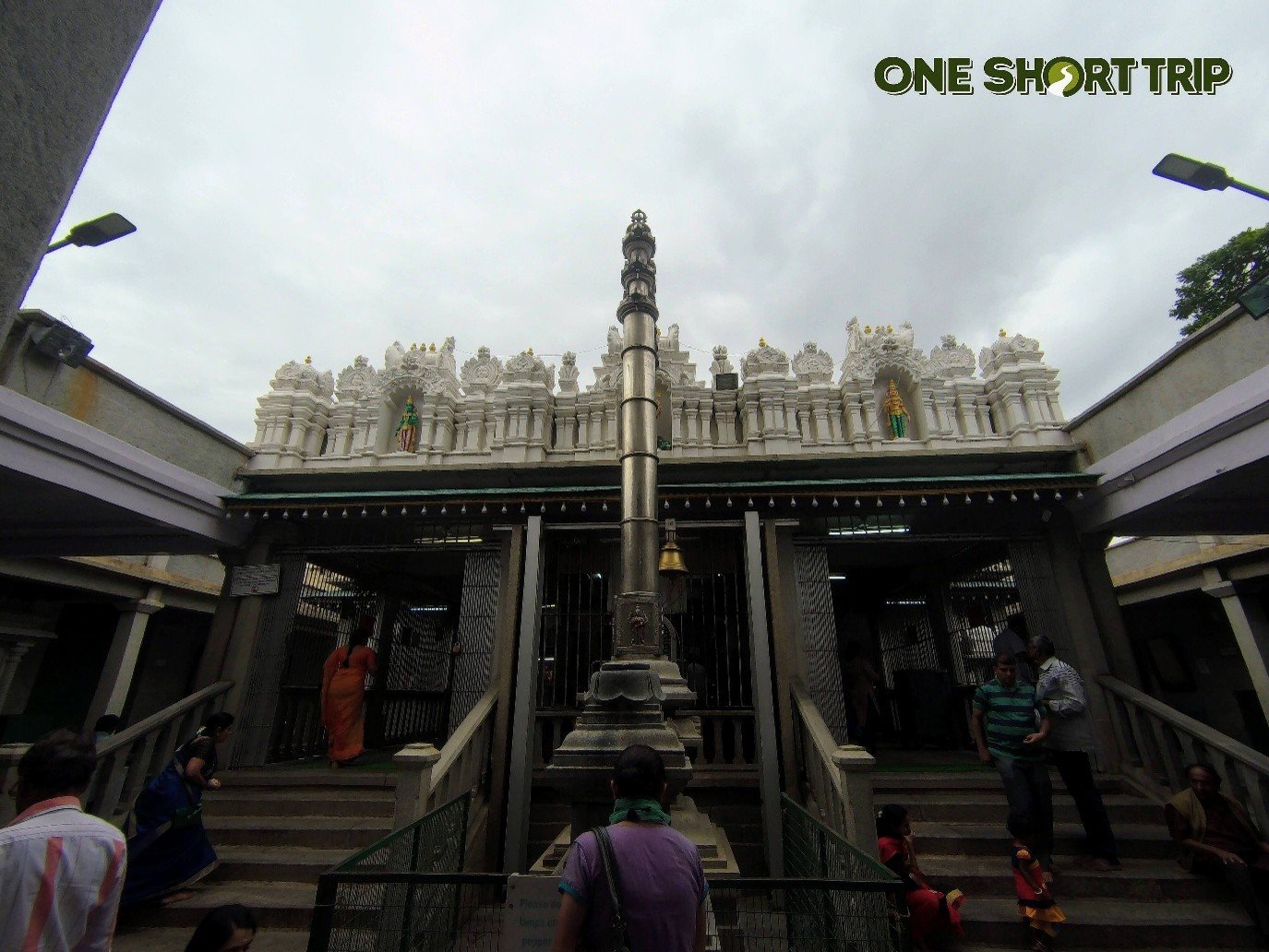
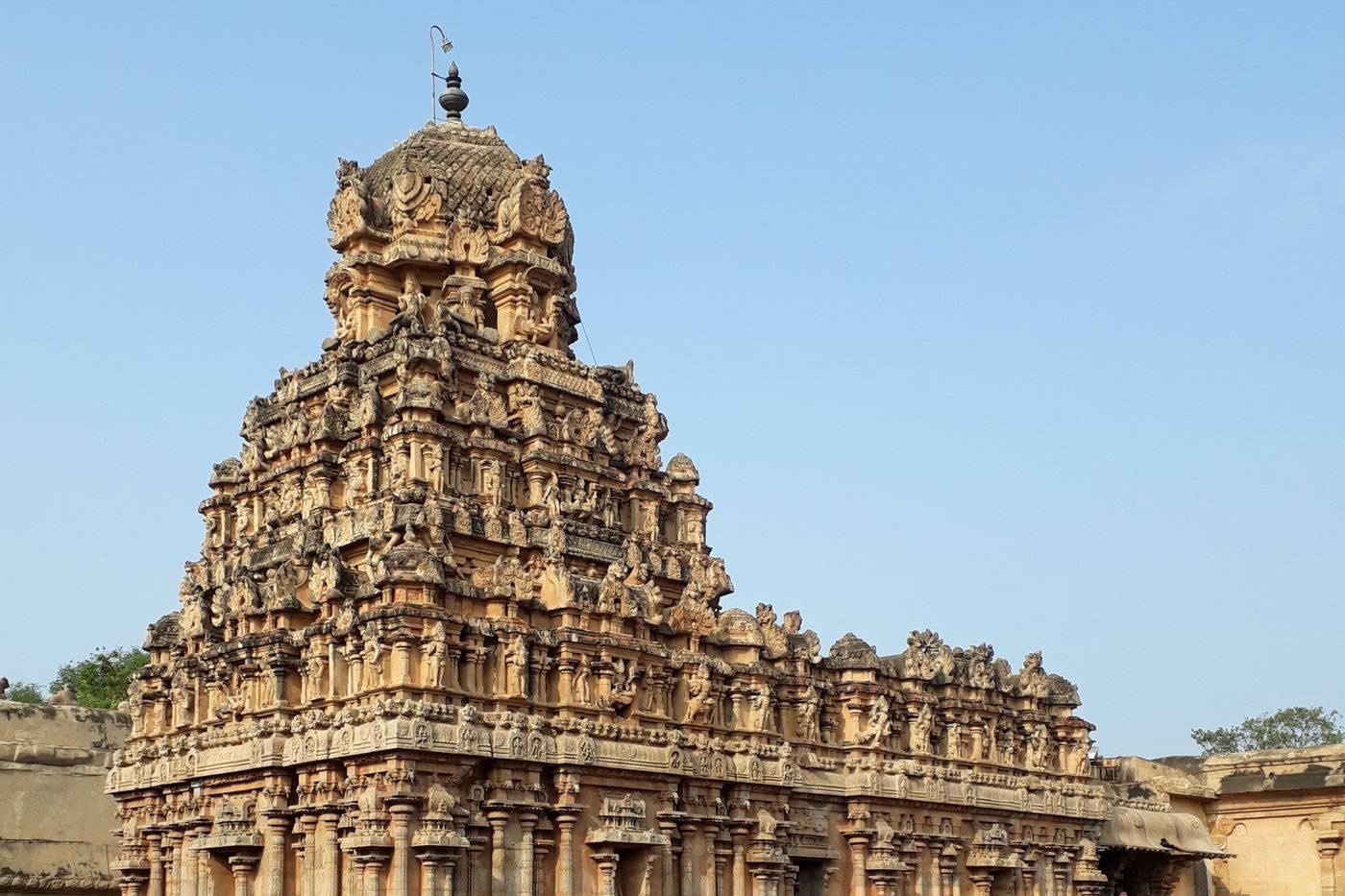
One of the most important reasons to visit Bettadasanapura is the presence of an active temple complex within the historic fort. The main shrine is dedicated to Lord Thimmarayaswamy, a form of Lord Vishnu, and is also associated with the name Kote Thimmaraya Swamy Temple. A separate Kashi Vishwanath shrine dedicated to Lord Shiva adds another layer to the religious character of the hill.
The temples remain places of worship rather than being purely archaeological monuments. Visitors should therefore approach the complex respectfully, especially during prayer and temple rituals. The combination of a functioning shrine with old fort walls gives Bettadasanapura a different atmosphere from abandoned forts and purely historical monuments around Bengaluru.


Bettadasanapura Fort: Quick Visitor Information
What Makes Bettadasanapura Fort Worth Visiting?
Bettadasanapura Fort is especially appealing to travellers who enjoy discovering lesser-known places around Bengaluru. It brings together several experiences in a short visit: a historic hill fort, active temples, traditional stone architecture, a rock-cut water structure and open views of the surrounding city and countryside.
The site is also a reminder of how Bengaluru's historic landscape extends beyond its famous palaces, markets and large forts. What is now surrounded by rapidly developing urban areas was once a much quieter rural landscape, and the surviving fort and temple complex provide a glimpse into that older setting.
A Fort Built Around a Sacred Hill
Bettadasanapura Fort is closely associated with the sacred hilltop temples that stand within its historic enclosure. Local traditions explain the religious importance of the hill through stories connected with Sage Gautama and Lord Thimmarayaswamy, a form of Lord Vishnu. These traditions are part of the site's cultural heritage, although they should be understood as local religious narratives rather than as independently established historical events.
Another local tradition connects the construction or restoration of the fort with the protection of the temple. According to this story, a ruler was instructed in a dream to restore the shrine and protect it with a fortification. Whether or not the story can be historically verified, it reflects the close relationship between the temple and the fort that visitors can still see today.


Granite Walls, Bastions and a Rock-Cut Kalyani
The fort occupies a natural rocky hill and makes use of the granite landscape in its construction. Surviving sections of the enclosure include stone walls, defensive-looking bastions and a substantial entrance structure. The remains are modest compared with the great hill forts of Karnataka, but their position on the rock gives Bettadasanapura Fort a distinctive appearance.
One of the more interesting features is the rock-cut Kalyani, a traditional stepped water structure associated with the temple complex. The stone steps and surrounding granite surfaces provide a glimpse into older methods of creating and managing water within a hilltop settlement. Temple courtyards, stone pillars and a Deepa Stambha further contribute to the traditional character of the site.


A Living Temple Within the Historic Fort
What makes Bettadasanapura different from a purely abandoned fort is that its religious character continues today. The Sri Kote Thimmarayaswamy Temple remains an important place of worship, and devotees from nearby communities visit the shrine for prayers and religious observances. The presence of an active temple gives the old fort complex a sense of continuity that is often missing at ruined heritage sites.
Visitors should remember that this is a functioning religious site. During worship, festivals or busy prayer periods, parts of the temple area may be more crowded than usual. Photography should be carried out respectfully, and visitors should follow any instructions displayed at the shrine.
How Much Time Should You Spend at Bettadasanapura Fort?
A quick temple visit can be completed in about 30 to 45 minutes, but that does not give enough time to appreciate the entire hilltop. If you want to explore the fort remains, see the Kalyani, spend time around the temple complex and enjoy the surroundings, allow approximately 1.5 to 2 hours.
Photography and leisurely exploration can extend the visit further. Since the site involves uneven stone surfaces and an uphill approach, comfortable footwear is recommended. Travellers visiting during the hotter part of the day should also carry drinking water and allow time to rest.


How to Reach Bettadasanapura Fort
Bettadasanapura Fort is located in South Bengaluru, close to Electronic City. The easiest way to reach the site is by car, taxi, auto-rickshaw or two-wheeler. From Electronic City, the fort can be combined with other attractions in the southern part of Bengaluru, making it practical for a half-day or full-day local sightseeing plan.
Public transport can be used to reach the surrounding Bettadasanapura area, although the final approach to the hill is more convenient by local auto or taxi. If you are travelling from another part of Bengaluru, allow additional time for city traffic, particularly during weekday peak hours. The final approach is better suited to walking and climbing than to expecting a vehicle to take you directly to every part of the hilltop.
Best Time to Visit Bettadasanapura Fort
The cooler months from roughly October to February are generally more comfortable for exploring the rocky hill and surrounding heritage structures. Early mornings and late afternoons are also preferable to the middle of the day because the exposed stone surfaces can become hot under the Bengaluru sun.
The monsoon season can make the rocky approach and uneven surfaces slippery, so visitors should take extra care after rain. If the main purpose of the visit is photography and exploring the fort remains, check local weather conditions before setting out.
What Should You Wear and Carry?
Wear comfortable footwear with a good grip because the hill contains uneven rock and stone surfaces. Light, breathable clothing is useful during warmer months, while modest clothing is advisable when entering the temple. Carry drinking water, sun protection and any personal medicines you may need during the outing.
Because the fort and temple are heritage and religious spaces, avoid climbing fragile structures, standing on unstable walls or disturbing stone features. Keep the area clean and follow temple-specific instructions when visiting the shrines.
Extending the Trip Around South Bengaluru
Bettadasanapura Fort works particularly well as one stop on a South Bengaluru sightseeing route. Depending on the time available, travellers can combine the fort with nearby heritage, temple and nature attractions around Electronic City, Bannerghatta and Begur. This creates a more complete day rather than travelling only for a short fort visit.
Travellers interested in combining history with nature can consider adding Bannerghatta National Park, while those interested in Bengaluru's older religious heritage can explore historic temples in the southern part of the city. The exact combination is best planned according to opening hours, travel time and the amount of walking involved.

Why Bettadasanapura Fort Is Worth Visiting
Bettadasanapura Fort offers a different side of Bengaluru from the city's famous palaces, shopping districts and technology corridors. Here, granite walls, a hilltop temple, a rock-cut water structure and open surroundings come together in a relatively compact heritage site. Its location near Electronic City makes the contrast particularly striking: an old sacred hill survives within a rapidly changing urban landscape.
The fort is best suited to travellers who enjoy lesser-known historical places, temple visits, photography and short explorations around Bengaluru. It is not a large monument that requires an entire day, but its combination of history, religious tradition, architecture and hilltop surroundings makes it a rewarding addition to a carefully planned South Bengaluru itinerary.
Is Bettadasanapura Fort Suitable for Families and Senior Citizens?
Families can visit Bettadasanapura Fort, particularly if children are interested in temples, old forts and exploring rocky landscapes. However, adults should supervise children around uneven ground, steps, rock edges and historic structures.
Senior citizens who are comfortable walking on uneven surfaces can enjoy the temple and lower portions of the complex, but the hilltop terrain may be tiring for anyone with limited mobility. There is no need to rush the visit. A slower itinerary with sufficient rest stops is more suitable for older travellers.
Things to Know Before Visiting Bettadasanapura Fort
- Bettadasanapura is a historic hill fort and temple complex rather than a large restored fort.
- The site includes an active temple, so visitors should maintain appropriate temple etiquette.
- Some historical stories associated with the fort are based on local tradition and should not be treated as proven historical facts.
- Wear footwear suitable for uneven stone and rocky surfaces.
- Carry water, especially when visiting during warmer parts of the day.
- Avoid climbing or leaning on fragile historic walls and structures.
- Allow around 1.5 to 2 hours if you want to experience the fort, temples and surroundings without rushing.
- Check local temple arrangements before travelling if your visit is specifically for worship or a festival.
A Quiet Heritage Experience Near Bengaluru
Bettadasanapura Fort may not have the scale of Karnataka's famous forts, but that is part of its appeal. The compact hilltop setting allows visitors to experience historic fortification, traditional temple architecture and a living religious landscape without the crowds associated with Bengaluru's most popular attractions.
For anyone searching for lesser-known places to visit near Bengaluru, especially around Electronic City and South Bengaluru, Bettadasanapura Fort is a worthwhile heritage stop. Give yourself enough time to walk slowly, observe the stonework, respect the temple environment and appreciate the unusual meeting of Bengaluru's old landscape with its modern cityscape.