About Sri Lakshmi Venkataramanaswamy Temple
About Sri Lakshmi Venkataramanaswamy Temple
Tucked along KRS Road in Mysore's Gokulam neighbourhood, Sri Lakshmi Venkataramanaswamy Temple is a Vaishnavite shrine built in 1937 by Chikkanadasaru during the reign of Nalvadi Krishnaraja Wadiyar. The sanctum enshrines Lord Venkataramana alongside Goddess Padmavati, with the idols originally worshipped at Tonnur village in Pandavapura taluk, brought to Gokulam in 1937 on Sri Chikkanadasaru’s guidance after he received a divine instruction in a dream, and formally transferred with the help of Sri Sampath Krishna Jois, a respected figure in the Mysore palace during Nalvadi Krishnaraja Wadiyar’s reign. Poojas here follow the Agama tradition prescribed by Sri Brahmatantra Parakala Swamiji, the same ritual lineage followed at the Tirumala Tirupati temple — the mutt is also said to have gifted the temple its Utsavamurthy (festival processional idol).
The temple carries a mythological connection to the Sri Vaishnava saint Ramanujacharya, who is said to have travelled from Tamil Nadu and worshipped Lord Venkataramana at Tannur village in Pandavapura taluk before the deity found its permanent home here. Today the temple observes daily Abhisheka at 9:00 AM and Mahamangalarathi at 10:30 AM and 8:00 PM, with its annual car (rathotsava) festival held on Dasara day, drawing devotees from across Mysore district.
The temple keeps a low profile compared to Mysore's bigger monuments, which makes it a good stop for travellers who want a quieter, more devotional counterpoint to the palace and museum circuit — especially if visiting during Vaikunta Ekadashi or another festival day when the rituals are at their most elaborate.
The move from Tonnur to Gokulam happened at a moment when the Mysore court, under Nalvadi Krishnaraja Wadiyar, was actively patronising Vaishnava institutions across the kingdom, and temple relocations guided by a dream or a signed instruction from a mutt head were not unusual in that period — several Mysore-area shrines carry similar founding stories. What sets this one apart is the direct institutional link to the Parakala Mutt, the same Sri Vaishnava mutt that has served as the royal spiritual guide of the Wodeyar dynasty for centuries, which explains why a comparatively small neighbourhood temple ended up following the same Agama procedures as one of India's wealthiest and most visited pilgrimage sites.
The Agama tradition itself, broadly speaking, refers to the codified system of temple construction, image consecration and daily ritual that governs Vaishnava worship across South India — everything from the exact sequence of the Abhisheka to the food offered at each Mahamangalarathi is meant to follow rules laid down centuries ago rather than local custom. A temple following the Tirumala lineage specifically is signalling a fairly high level of ritual seriousness, which is part of why devotees from well beyond Gokulam make the trip here rather than to a closer, more generic neighbourhood shrine.
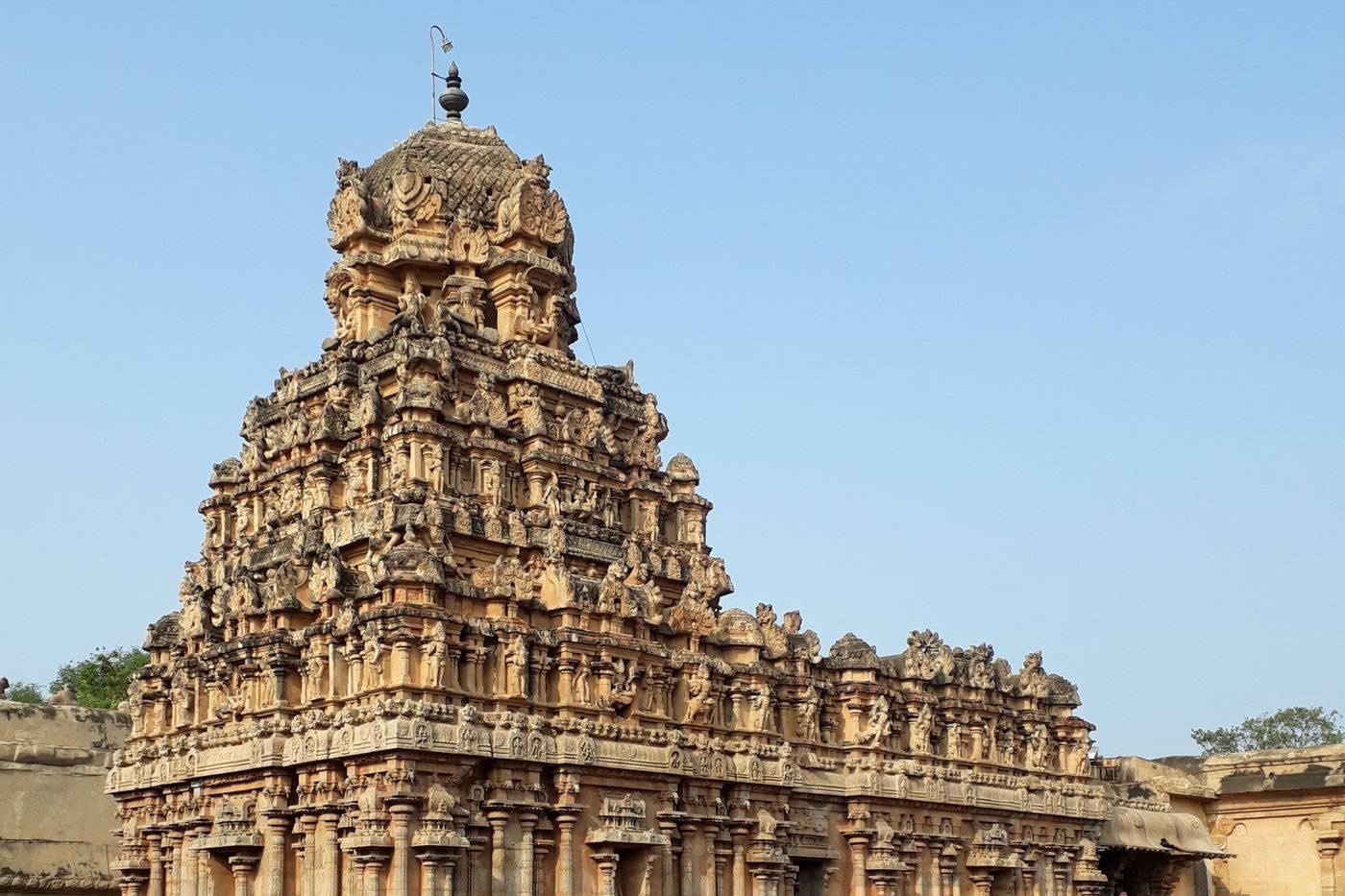
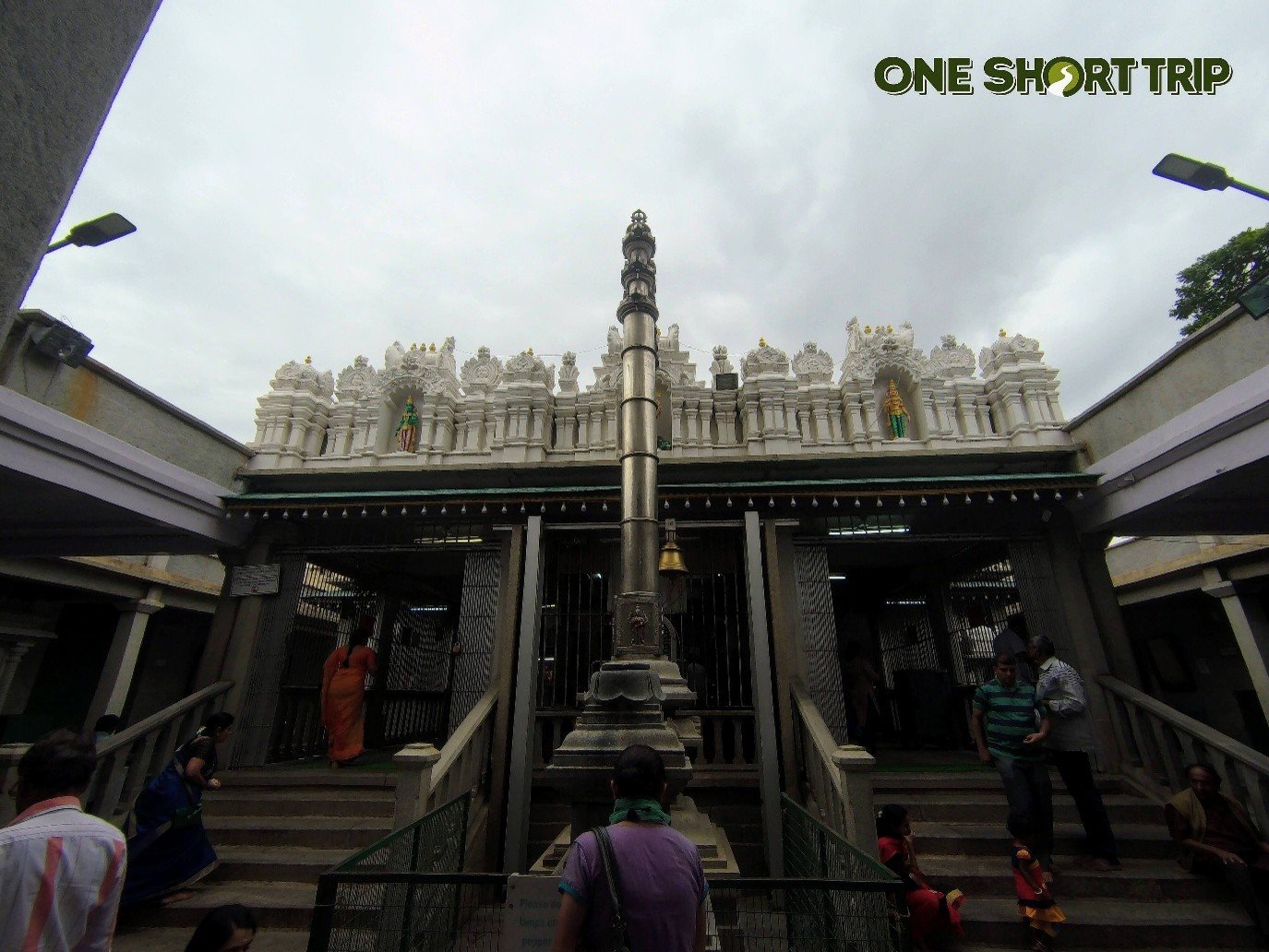
Architecturally the temple keeps to the modest scale typical of early twentieth-century Vaishnava shrines built under royal sponsorship rather than royal residence — a compact garbhagriha housing the main deities, a mandapa for congregational worship, and a dwajasthambha (flagstaff) facing the sanctum, the standard vocabulary of South Indian temple design rather than anything architecturally showy. The setting suits the temple's character: this was built to be used daily by a community, not to impress visitors, and it still functions largely that way.
Gokulam itself is worth knowing a little about if you are making the trip. It is one of Mysore's more established residential neighbourhoods, and in recent decades it has become internationally known as the base of the Ashtanga Yoga tradition, thanks to the presence of the K. Pattabhi Jois Ashtanga Yoga Institute nearby — so it is entirely possible to combine a morning at the temple with an afternoon around a part of Mysore that draws yoga practitioners from around the world, a slightly unexpected pairing that longtime residents rarely think to mention to visitors.
Holding the annual car festival on Dasara day is itself a meaningful choice rather than a coincidence. Dasara is Mysore's defining civic and religious event, built around the royal family's own Chamundeshwari worship, so a neighbourhood Vaishnava temple timing its biggest procession to fall within that same window effectively borrows some of the city's largest annual footfall — and lets a comparatively young, 1937-founded shrine participate in a festival calendar that in Mysore otherwise stretches back centuries.
The Ramanujacharya connection is worth sitting with for a moment too. The eleventh-century philosopher-saint is credited with travelling widely through South India establishing and revitalising Vaishnava centres of worship, and the Kaveri basin around Srirangapatna, Tonnur and Mysore was one of the regions most shaped by that journey. A temple tracing its deity's lineage back to a site he is said to have worshipped at is, in effect, claiming a thread that runs from one of Hindu philosophy's most influential figures straight through to a working shrine on a Mysore side street today — the kind of continuity that is easy to walk past without noticing, unless someone points it out first.
For most visitors, though, the appeal is simpler than any of this history: it is a genuinely peaceful place to sit for twenty minutes, largely free of the queues and souvenir stalls that surround Mysore's more famous stops. Pair it with a Nanjundeshwara or Jaganmohan visit on the same day and you get a rounded sense of Mysore's religious life — grand state temple, royal-turned-public gallery, and a quiet working neighbourhood shrine that most guidebooks skip entirely.
None of it requires much planning either — no advance booking, no dress-code enforcement beyond ordinary common sense, and a location close enough to the city centre that it slots easily into a half-day loop with the rest of Gokulam and central Mysore.
If you are planning the visit, mornings work best, both because the Abhisheka is the more elaborate of the two daily rituals and because Gokulam's streets are considerably quieter before the day's traffic builds up. Modest dress is expected, as at any working Vaishnava temple, and there is no entry fee or ticketing process to navigate, which keeps the whole visit refreshingly uncomplicated compared to the more monument-like stops elsewhere in Mysore.