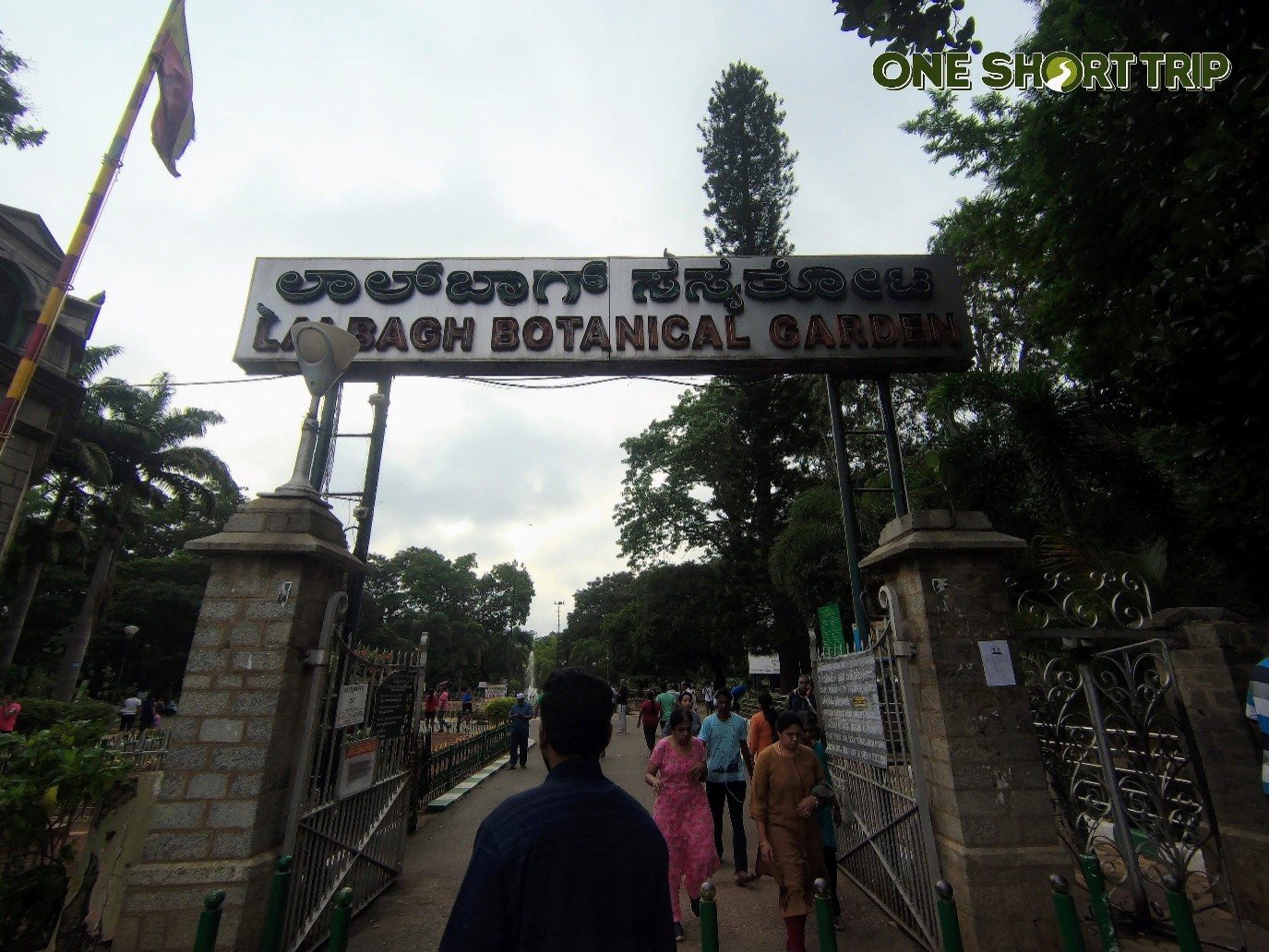
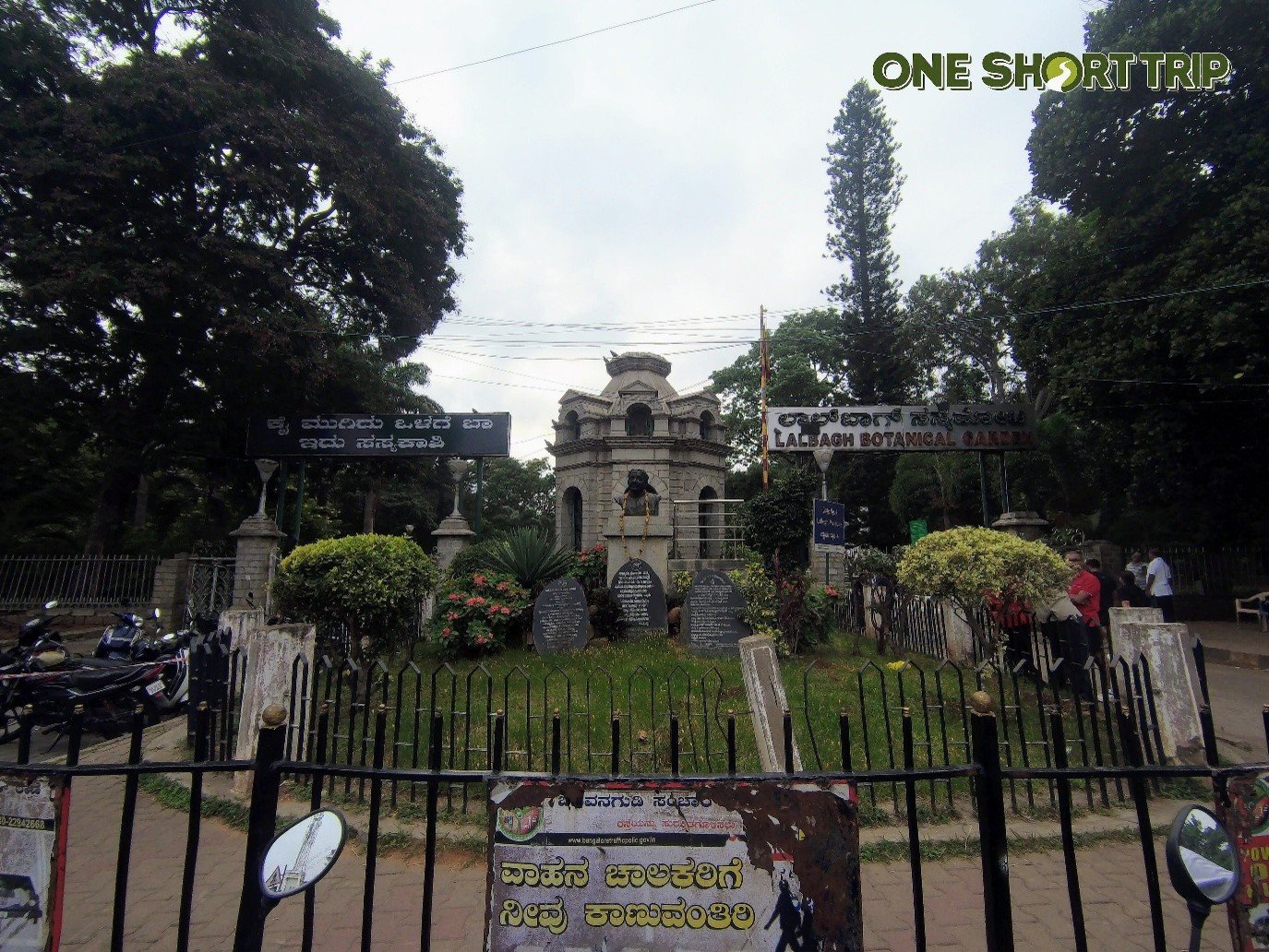

Lalbagh Botanical Garden is one of Bengaluru's most iconic landmarks and one of the city's finest places to experience nature, history and horticulture together. Spread across approximately 240 acres in South Bengaluru, this historic garden contains an extraordinary collection of plants, centuries-old trees, landscaped gardens, a lake, the famous Glass House and an ancient geological rock formation. Lalbagh is not simply a city park; it is also an important horticultural and botanical centre managed by the Department of Horticulture, Government of Karnataka.
Lalbagh Botanical Garden – A Complete Guide
For travellers visiting Bengaluru, Lalbagh offers a different side of the city. Instead of busy streets and commercial areas, visitors can spend several hours walking through extensive greenery, discovering unusual plants, photographing historic structures and relaxing beside the lake. The garden is suitable for families, couples, senior citizens, photographers, nature lovers, morning walkers and anyone interested in Bengaluru's heritage.
The garden is also closely connected with Bengaluru's reputation as the Garden City of India. Its long history, botanical collections and large green landscape have made Lalbagh one of the most important open spaces in the city.


History of Lalbagh Botanical Garden
The history of Lalbagh dates back to the 18th century. Hyder Ali began developing the garden around 1760, creating a royal garden inspired in part by formal garden traditions. His son, Tipu Sultan, subsequently expanded the garden and strengthened its collection of plants and trees from different parts of the world.
Over the following decades, Lalbagh developed beyond its original role as a royal garden. During the British period, greater emphasis was placed on scientific horticulture, plant classification and botanical collections. The garden gradually became an important centre for horticultural activity and plant experimentation.
This long history is one of Lalbagh's greatest attractions. A visit allows travellers to experience a living landscape that has evolved through the eras of the Mysore rulers, colonial administration and modern Bengaluru.
Why Is Lalbagh Botanical Garden Famous?
Lalbagh is famous for several reasons rather than one single attraction. Its 240-acre landscape, historic Glass House, ancient Peninsular Gneiss rock, Kempegowda watchtower, lake, botanical collections, mature trees and biannual flower shows make it one of the most distinctive sightseeing destinations in Bengaluru.
The garden is also home to more than 1,854 species of plants according to Karnataka Tourism. These collections give Lalbagh importance not only as a recreational destination but also as a place associated with botanical research, horticultural education and conservation.


The Famous Glass House at Lalbagh
The Glass House is the most recognisable structure inside Lalbagh Botanical Garden. Its iron-and-glass design was inspired by London's Crystal Palace and has become one of Bengaluru's best-known horticultural landmarks. The structure is particularly famous for hosting the Lalbagh Flower Show.
During the flower show, the Glass House is transformed into a large floral exhibition with elaborate arrangements, themed installations and thousands of flowers. Outside the show period, the structure remains an important architectural attraction and a popular photography spot.
Why the Glass House Is Important
The Glass House represents the connection between Lalbagh's horticultural history and its continuing role as a centre for public flower exhibitions. Its open interior, glass panels and surrounding gardens make it one of the first places visitors usually look for when exploring Lalbagh.
Lalbagh Flower Show
The Lalbagh Flower Show is one of the biggest annual attractions at the garden. It is traditionally organised twice a year, around Republic Day in January and Independence Day in August. Each edition generally features a different theme and large floral installations inside and around the Glass House.
The scale of the event makes Lalbagh particularly popular during flower-show periods. The 2026 Republic Day edition, for example, ran from January 14 to January 26 and was themed around Kannada writer, environmentalist and photographer K. P. Poornachandra Tejaswi.
For visitors who want to experience the flower show, arriving early on a weekday is usually a better choice because the event attracts very large crowds. Special entry fees and timings apply during flower-show periods.


Lalbagh Rock – An Ancient Geological Landmark
One of the most unusual attractions inside Lalbagh is the enormous Peninsular Gneiss rock formation. The rock is estimated to be around 3,000 million years old, making it vastly older than the historic garden itself. This geological feature gives Lalbagh a remarkable natural-history dimension that many visitors may not expect from a botanical garden.
The exposed rock rises above the surrounding landscape and provides one of Lalbagh's most interesting viewpoints. It is a reminder that the geological history of the Bengaluru region stretches back billions of years.
Kempegowda Watchtower
A historic watchtower stands on the rocky outcrop inside Lalbagh. It is associated with Kempe Gowda I, the founder of Bengaluru, and forms part of the city's older heritage. Traditional accounts connect the tower with the boundary-marking towers established around the early settlement of Bengaluru.
The combination of an ancient geological formation and a historic Bengaluru landmark makes this one of the most interesting areas of Lalbagh for visitors who want more than gardens and flowers.
Lalbagh Lake
Lalbagh Lake is one of the quieter areas within the garden. Surrounded by greenery, the lake provides a pleasant place to slow down after exploring the busier sections. Early morning is particularly attractive, when the light is softer and the surroundings are generally calmer.
The lake and surrounding vegetation also provide opportunities for observing birds and photographing the natural landscape. Visitors should allow some extra time for this section rather than treating Lalbagh only as a collection of individual attractions.
Botanical Collections and Plant Diversity
Lalbagh's greatest long-term importance lies in its plant collections. Karnataka Tourism records more than 1,854 plant species from different parts of the world. The garden contains tropical and subtropical plants, flowering plants, palms, ornamental species, trees and specialised collections.
For someone interested in gardening or botany, Lalbagh can therefore be much more than a sightseeing stop. Different sections reveal different types of vegetation, making the garden especially rewarding when explored slowly.


Important Attractions Inside Lalbagh
Bonsai Collection
The bonsai section showcases miniature trees that have been cultivated and shaped over long periods. It is particularly interesting for visitors who enjoy gardening and plant art.
Topiary Garden
The topiary section features plants that have been carefully shaped into decorative forms, adding an artistic element to the botanical landscape.
Rose Garden
The rose sections add seasonal colour to the garden and are especially attractive when the plants are in bloom.
Bamboo Groves
The bamboo sections create a distinctive green environment with tall, closely packed plants and shaded walking areas.
Floral Clock
The floral clock is one of Lalbagh's recognisable landscaped features, combining horticulture with decorative design.
Bandstand
The historic bandstand adds another architectural element to the garden and reflects Lalbagh's long history as a public and horticultural space.
Nursery and Horticultural Facilities
Lalbagh also has horticultural facilities and a nursery, reinforcing its role as a centre for gardening, plant cultivation and horticultural education rather than simply a recreational park.
Lalbagh as a Centre for Horticulture and Conservation
Lalbagh continues to have an important role beyond tourism. The garden is managed by the Department of Horticulture, Government of Karnataka and functions as a centre for botanical research, horticultural education and conservation.
This is one reason Lalbagh has remained relevant for generations. The garden combines a historic landscape with living plant collections and continuing horticultural activity, allowing visitors to experience both Bengaluru's heritage and its modern relationship with gardening and plant conservation.
Who Should Visit Lalbagh Botanical Garden?
- Families: Open spaces, plants, flowers and varied attractions make it suitable for a family outing.
- Nature lovers: The large botanical collection and mature greenery provide plenty to explore.
- Photographers: The Glass House, lake, flowers, rock formation and landscaped areas offer varied subjects.
- Senior citizens: Early morning visits can be comfortable, although the large garden requires considerable walking.
- History enthusiasts: The garden connects Bengaluru's royal, colonial and modern horticultural history.
- Garden enthusiasts: The plant collections and horticultural sections make Lalbagh particularly rewarding.
- Travellers with limited time: The major highlights can be covered in a shorter visit if the route is planned in advance.


Lalbagh Botanical Garden Timings, Entry Fee and Visitor Information
Lalbagh Botanical Garden is open throughout the year, including Sundays and public holidays. The garden follows separate timings for morning walkers, general visitors and evening walkers. Visitors can enter free of charge during the designated walking periods, while a nominal entry fee applies during the main daytime visiting hours. Special timings and ticket prices may apply during the Lalbagh Flower Show.


Lalbagh Botanical Garden Timings
| Visitor Period | Timing | Entry |
|---|---|---|
| Morning Walking Period | 6:00 AM – 9:00 AM | Free |
| General Visitors | 9:00 AM – 6:00 PM | Ticket required |
| Evening Walking Period | 6:00 PM – 7:00 PM | Free |
| Last Entry | Around 6:30 PM | Subject to garden rules |
The 6:00 AM to 9:00 AM period is particularly popular with walkers and visitors looking for a quieter experience. If you want to explore the Glass House, Lalbagh Rock, lake, bonsai garden and other attractions, plan a longer daytime visit rather than relying only on the free walking period.
Lalbagh Entry Fee
The current standard entry fee listed by Karnataka Tourism is ₹30 for adults, while children below 12 years can enter free. Morning walkers between 6:00 AM and 9:00 AM and visitors during the 6:00 PM to 7:00 PM free walking period do not require the standard entry ticket. Flower-show tickets are separately priced according to the event.
During special flower shows, ticket prices can be higher than normal garden entry. For example, the 2026 Republic Day Flower Show used separate event pricing, with adult tickets costing ₹80 on regular days and ₹100 on holidays, while children aged 6–12 were charged ₹30.


How to Reach Lalbagh Botanical Garden
By Metro
The Lalbagh Metro Station on Bengaluru's Green Line is one of the most convenient ways to reach the garden. The station is close to the West Gate, making the metro especially useful during weekends, holidays and flower-show periods when traffic around Lalbagh can become heavy.
By BMTC Bus
BMTC buses connect Lalbagh with several parts of Bengaluru. Visitors travelling from areas such as Majestic, Jayanagar, Banashankari, Basavanagudi and other parts of South Bengaluru can use city buses to reach the garden.
By Car, Taxi or Auto
Lalbagh is accessible by car, taxi and auto-rickshaw from major parts of Bengaluru. However, road traffic can be significant during peak hours, weekends and special events. During flower shows, using the metro is generally more convenient than driving.
By Train
Visitors arriving at Krantivira Sangolli Rayanna Bengaluru City Railway Station can continue to Lalbagh by metro, bus, taxi or auto-rickshaw. The railway station is roughly 6–7 km from the garden.
Which Lalbagh Gate Should You Use?
Lalbagh has multiple entrances, allowing visitors to choose an access point depending on their mode of transport and the sections they want to explore. The West Gate is particularly convenient for metro users because of its proximity to Lalbagh Metro Station. Other gates can be useful for visitors approaching from different parts of Bengaluru.
During major events, some entrances may be designated for particular ticketing or crowd-management arrangements. Check the event instructions before visiting during a flower show.


Best Time to Visit Lalbagh Botanical Garden
Best Time of the Day
Early morning is the best time for most visitors. The 6:00 AM to 9:00 AM period is cooler, quieter and ideal for walking, photography and enjoying the garden without the intensity of daytime heat. The morning light also works particularly well for photographing flowers, trees and historic structures.
The evening walking period from 6:00 PM to 7:00 PM is another pleasant option for a short visit. However, visitors who want to explore the garden properly should arrive earlier and allow several hours.
Best Season
The cooler months from November to February are generally comfortable for exploring a large outdoor garden like Lalbagh. The garden remains attractive throughout the year, but the appearance of flowering plants changes with the seasons.
Best Time for the Flower Show
If your main objective is the Lalbagh Flower Show, plan around the Republic Day edition in January or the Independence Day edition in August. These events bring large floral installations into the historic Glass House and surrounding areas.
Lalbagh Flower Show – What Visitors Should Know
The Lalbagh Flower Show is held twice a year and is one of Bengaluru's most popular horticultural events. The January and August editions usually have different themes, floral installations and special exhibits. The 2026 Republic Day edition included more than 95 varieties of flowers and special displays celebrating the work and legacy of Poornachandra Tejaswi.
Flower-show days are considerably busier than normal garden days. Visitors should arrive early, preferably on a weekday, and use the metro where possible. During the 2026 event, Karnataka Tourism specifically advised visitors to use Lalbagh Metro Station and noted restrictions on vehicles entering the garden.
How Much Time Do You Need at Lalbagh?
A short visit covering the most important attractions can take around 1.5 to 2 hours. For a relaxed visit covering the Glass House, Lalbagh Rock, lake, bonsai collection, floral areas and other sections, allow approximately 3 to 4 hours.
Visitors interested in botany, photography or the flower show may comfortably spend half a day inside the garden. Because Lalbagh covers around 240 acres, trying to see everything quickly can make the experience tiring.


Is Lalbagh Suitable for Families?
Yes. Lalbagh is an excellent family destination in Bengaluru because it combines open green spaces with attractions that appeal to different age groups. Children can enjoy the plants, flowers and wide garden areas, while adults can explore the Glass House, historic features, lake and botanical collections.
Families visiting during a flower show should expect significantly larger crowds and should keep children close, particularly around the Glass House and major floral displays.
Is Lalbagh Suitable for Senior Citizens?
Lalbagh can be enjoyed by senior citizens, especially when visited during the cooler morning hours. However, the garden is very large and exploring all its sections requires considerable walking. It is better to choose the main attractions in advance, take regular breaks and avoid trying to cover the entire garden in one visit.
Photography at Lalbagh
Lalbagh is one of Bengaluru's best locations for nature, garden and architectural photography. The Glass House, flowering plants, ancient rock formation, lake, mature trees, bonsai collection and landscaped pathways offer a wide variety of subjects.
For better natural light and fewer people, arrive early in the morning. During flower shows, the floral installations provide additional photographic opportunities, although crowds can make it difficult to photograph the Glass House without people in the frame.
Facilities at Lalbagh Botanical Garden
Lalbagh provides basic visitor facilities across its large grounds. Visitors can find drinking-water facilities, restrooms, seating areas and horticultural facilities. The garden also has a nursery and information resources connected with horticulture. The official Karnataka Tourism page describes Lalbagh as an active centre for horticultural research, education and conservation.
Because the garden is extensive, visitors should carry essentials such as drinking water and wear comfortable footwear. During large events, facilities can become busier than usual.
Visitor Rules and Practical Tips
- Wear comfortable shoes because Lalbagh involves considerable walking.
- Arrive early for a quieter experience and better photography.
- Carry drinking water, particularly if visiting during warmer hours.
- Do not pluck flowers or damage plants.
- Stay on designated pathways and respect restricted areas.
- Use designated waste bins and help keep the garden clean.
- During flower shows, use the metro whenever possible.
- Check the latest flower-show dates, timings and ticket prices before travelling.
- Keep children close during crowded events.
- Senior citizens should plan a shorter route and take regular breaks.
Nearby Places to Visit from Lalbagh
Bull Temple
The historic Bull Temple in Basavanagudi is a natural addition to a Lalbagh itinerary. It allows visitors to combine Bengaluru's green spaces with one of its important traditional temples.
Dodda Ganapathi Temple
Located in Basavanagudi, Dodda Ganapathi Temple can be visited along with the Bull Temple and Lalbagh, creating a convenient South Bengaluru sightseeing circuit.
Bugle Rock Park
Bugle Rock is another green and rocky heritage space in Basavanagudi. It is particularly suitable for visitors who enjoy Bengaluru's unusual geological landscape.
Tipu Sultan's Summer Palace
Tipu Sultan's Summer Palace is a major historical attraction and can be combined with Lalbagh for a day focused on Bengaluru's connection with the Mysore rulers.
Bengaluru Fort
Bengaluru Fort provides another glimpse into the city's military and political history. It can be paired with Tipu Sultan's Summer Palace and KR Market.
KR Market
Krishnarajendra Market is one of Bengaluru's major wholesale markets and is particularly interesting in the early morning when the flower trade is active. Karnataka Tourism also identifies KR Market as one of Bengaluru's important city attractions.
Cubbon Park
Cubbon Park is another major green landmark in Bengaluru. Visitors with a full day can combine Lalbagh and Cubbon Park to experience two of the city's most important historic green spaces.
Visvesvaraya Industrial and Technological Museum
The museum near Cubbon Park is a good option for families with children and visitors interested in science and technology.
Best Lalbagh Sightseeing Combinations
Lalbagh + Bull Temple + Bugle Rock: A relaxed South Bengaluru route combining gardens, temples, heritage and geology.
Lalbagh + Tipu Sultan's Summer Palace + Bengaluru Fort + KR Market: A good choice for travellers interested in Bengaluru's history and traditional city life.
Lalbagh + Cubbon Park + Visvesvaraya Museum: Suitable for families looking for a combination of gardens, science and sightseeing.
Lalbagh + Basavanagudi: A slower itinerary combining greenery, temples, traditional neighbourhoods and local food.
Why Lalbagh Botanical Garden Is Worth Visiting
Lalbagh Botanical Garden is much more than a green space in the middle of Bengaluru. Its 240-acre landscape brings together an 18th-century royal garden, one of the city's most important botanical collections, a historic Glass House, an ancient geological formation, a lake, horticultural facilities and one of India's best-known flower shows.
Whether you are visiting Bengaluru for the first time, travelling with family, exploring the city as a couple, looking for a peaceful morning walk or interested in plants and history, Lalbagh deserves several hours on your itinerary. Arrive early, plan your route and give yourself enough time to experience the garden rather than simply visiting the Glass House and leaving.