Sringeri Shankar Math – Shankarapuram, Bengaluru
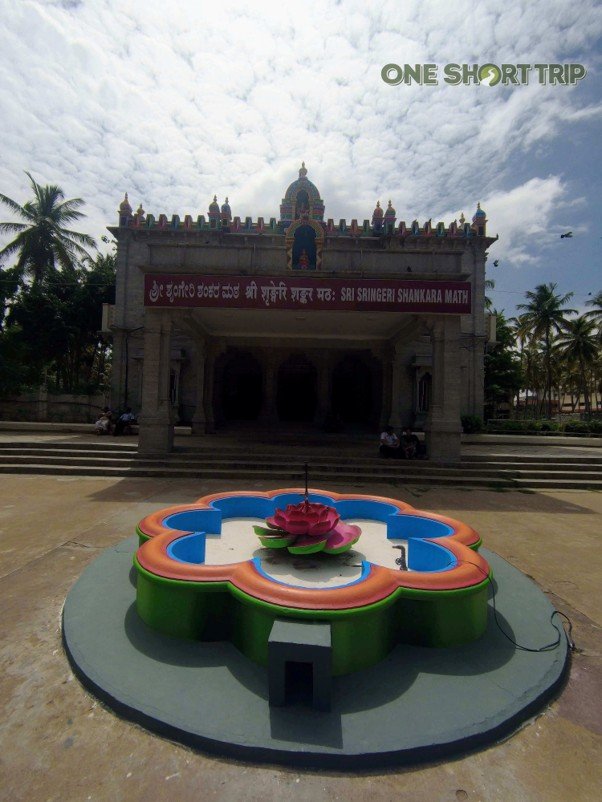
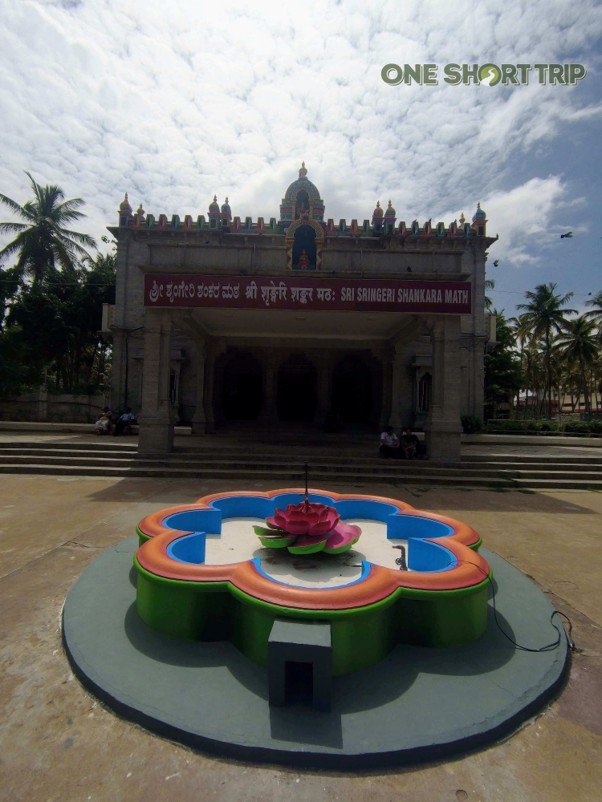
Sringeri Shankar Math in Shankarapuram is one of Bengaluru's historic spiritual centres and an important city branch of the Sringeri Sharada Peetham. Located in the traditional Basavanagudi area, the Math is associated with the worship of Sri Sharadamba and Sri Adi Shankara and has been a centre of devotion, traditional learning and religious activity in Bengaluru for more than a century.
Established in 1907 by Jagadguru Sri Sri Sri Sacchidananda Shivabhinava Nrisimha Bharati Mahaswamiji, the Shankarapuram Math developed into an important spiritual institution in the city. The idol of Goddess Sharadamba was consecrated here in 1939, while the temple gopuras were built and consecrated in 1968. Today, the Math offers visitors an opportunity to experience a quieter and more traditional side of Bengaluru's cultural heritage.
Why Is Sringeri Shankar Math in Bengaluru Important?
The Shankarapuram Math is more than a temple in Bengaluru. It represents the city's long connection with the Sringeri Sharada Peetham and the Advaita tradition associated with Sri Adi Shankaracharya. When the 33rd Jagadguru Shankaracharya of Sringeri visited Bengaluru in 1907, devotees requested the establishment of a Shankara Math in the city. With support from the then Maharaja of Mysore, Nalvadi Krishnaraja Wodeyar, and Diwan V. P. Madhava Rao, the Math was established in the area that came to be known as Shankarapura.
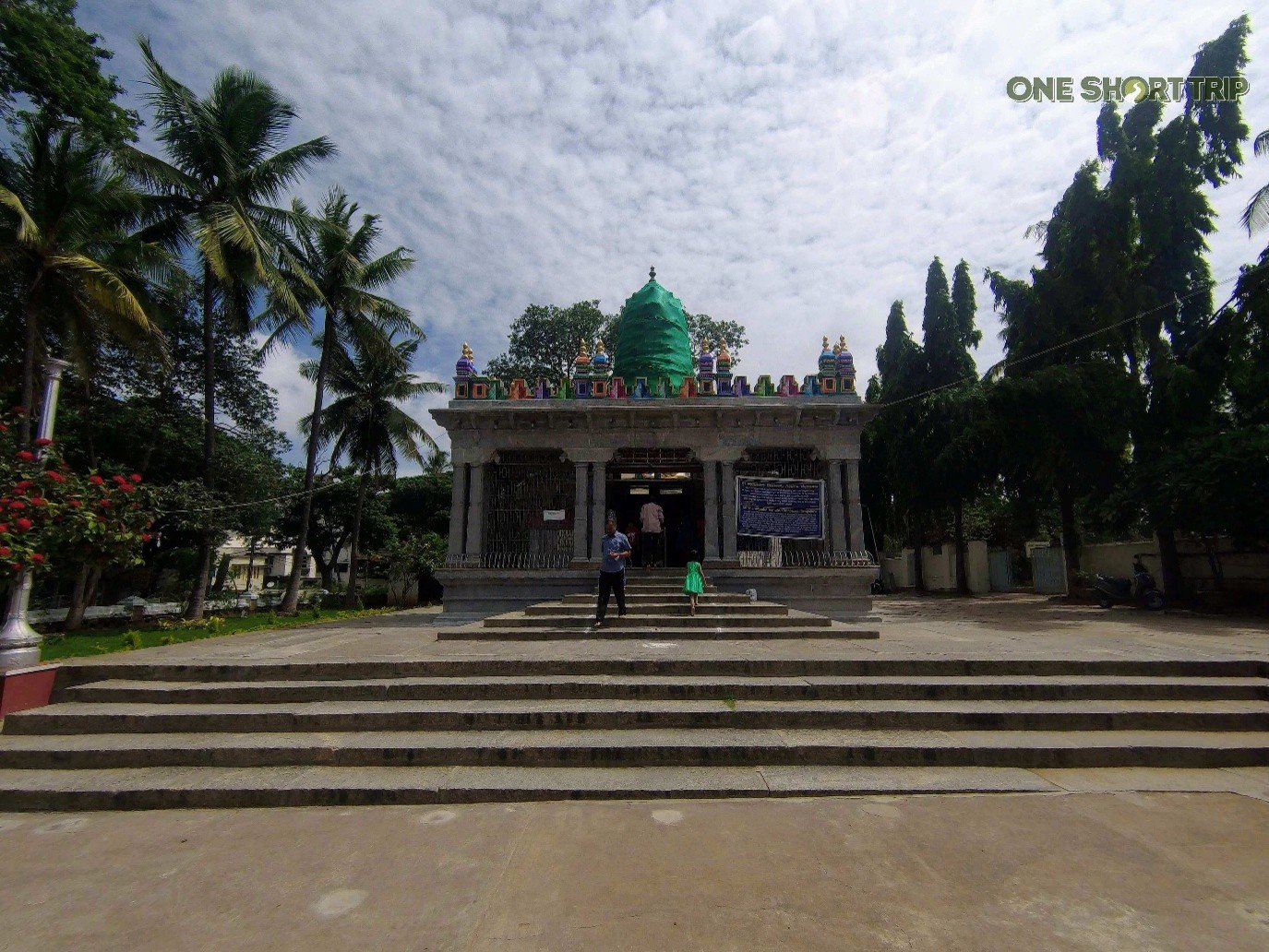
The original spiritual focus included the shrine of Sri Adi Shankara. In 1939, the idol of Goddess Sharadamba was consecrated by the 34th Jagadguru, Sri Chandrasekhara Bharati Mahaswamiji. The two shrines form the spiritual heart of the Math and continue to attract devotees seeking prayer, darshan and quiet reflection in Bengaluru.
History of Sringeri Shankar Math, Shankarapuram
The history of the Shankarapuram Math begins in the early 20th century, when the Sringeri tradition established a permanent spiritual presence in Bengaluru. The Math was founded in 1907 by Jagadguru Sri Sri Sri Sacchidananda Shivabhinava Nrisimha Bharati Mahaswamiji, the 33rd Jagadguru Shankaracharya of the Sringeri Sharada Peetham.
The centenary year in 2007 was marked by special celebrations and a Maha-Kumbhabhisheka. The Math continues to serve as a place for worship, traditional learning, religious discourses and spiritual activities.
What Can You See at Sringeri Shankar Math?
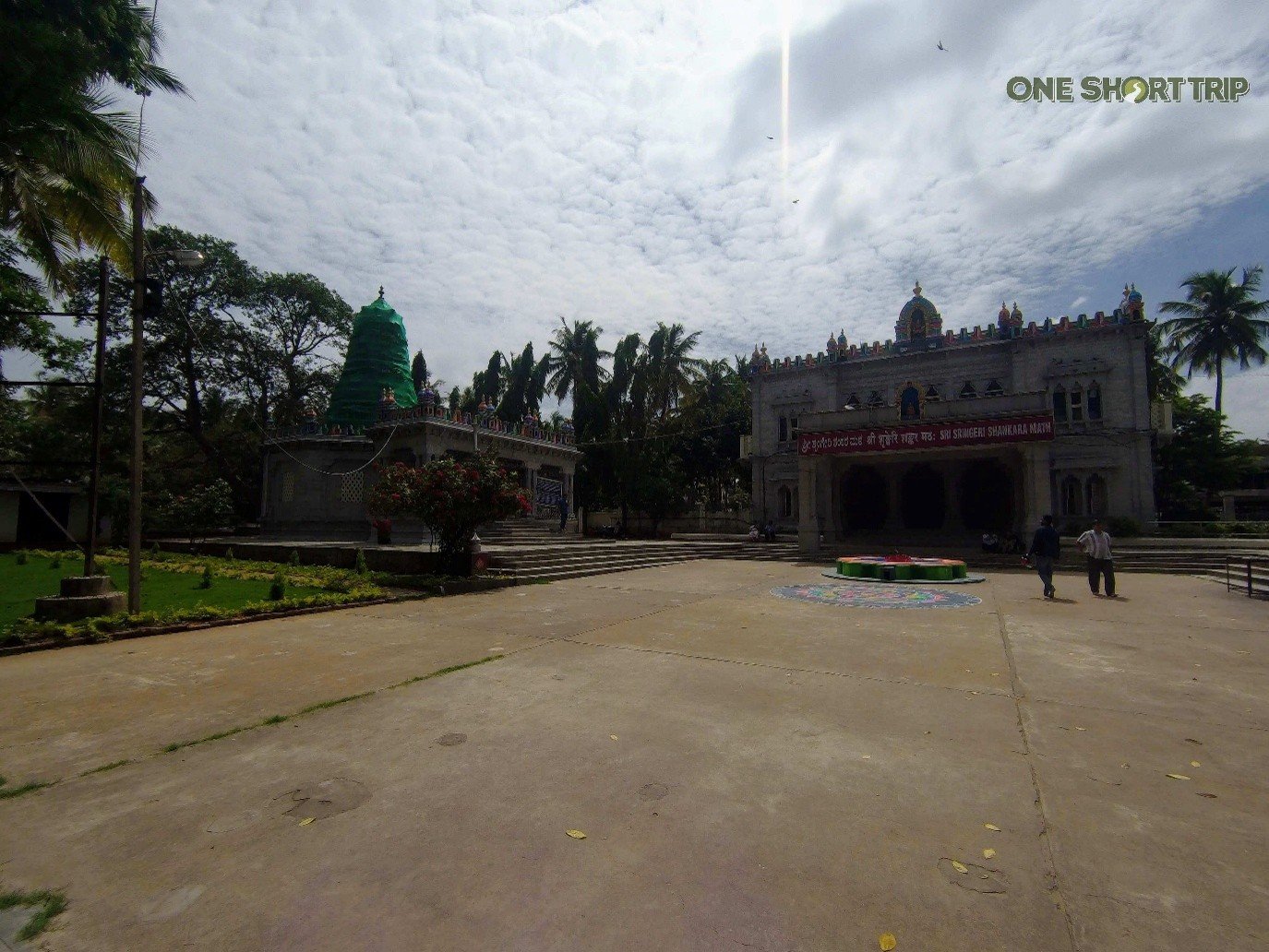
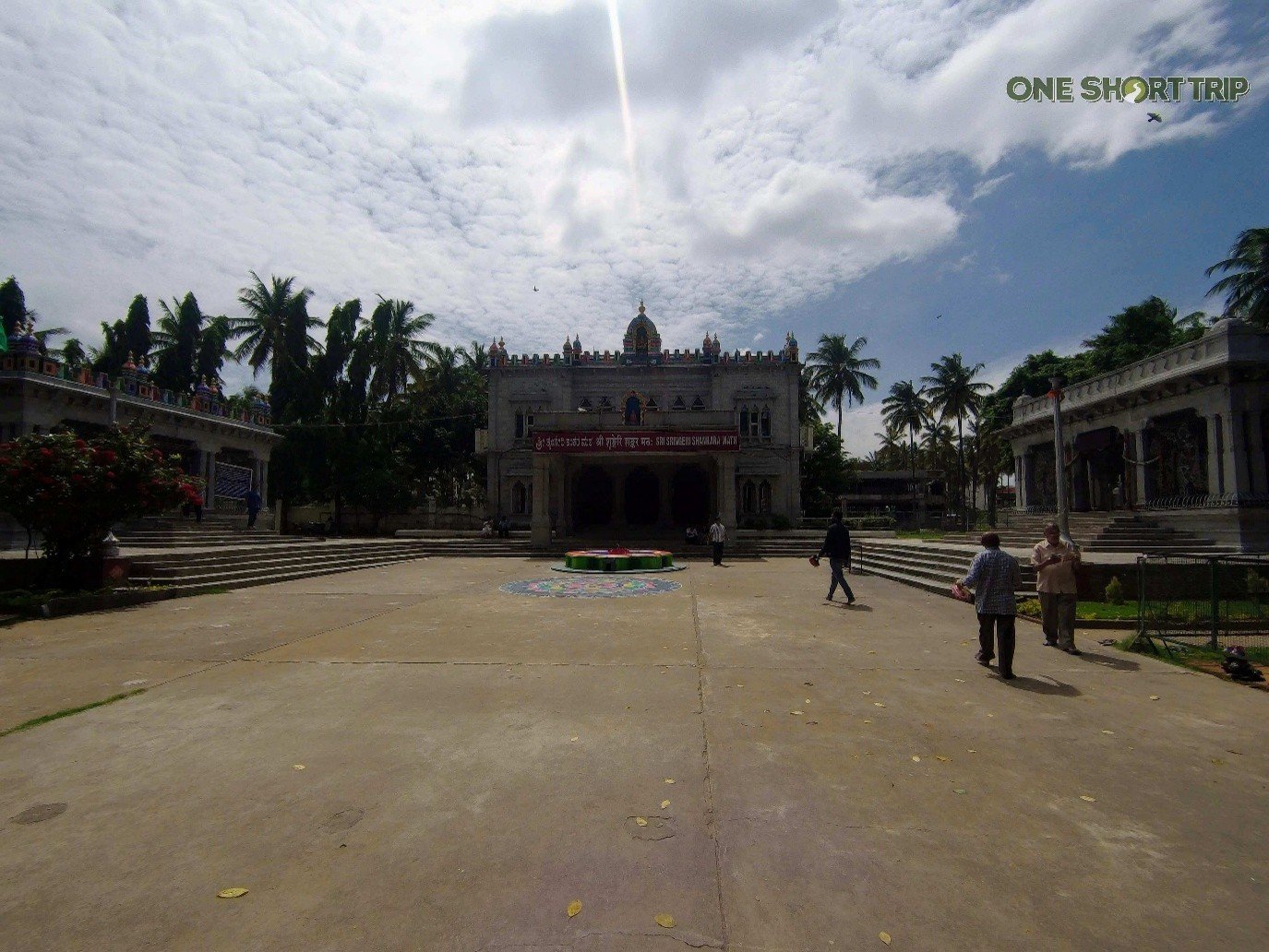
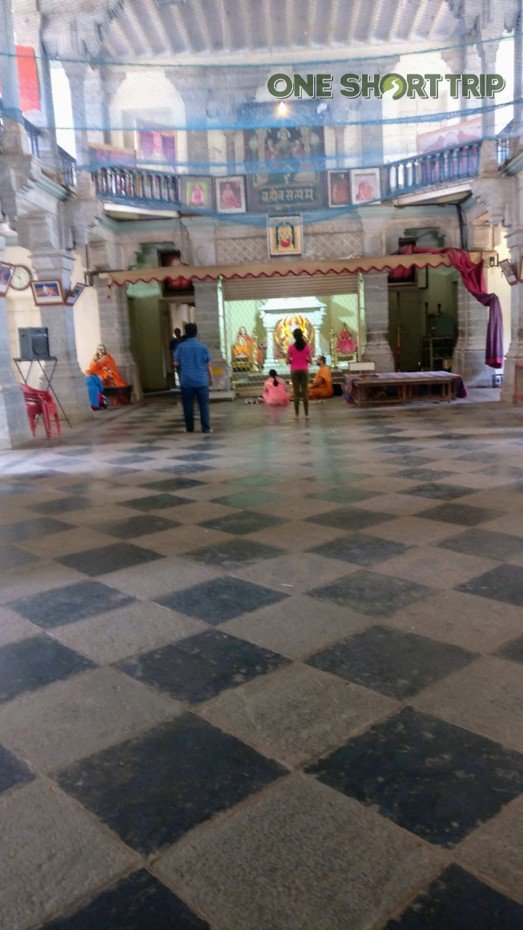
A visit to the Shankarapuram Math is primarily a spiritual and cultural experience rather than conventional sightseeing. The main attractions are the shrines of Sri Sharadamba and Sri Adi Shankara, along with the traditional atmosphere of the Math premises.
- Sri Sharadamba Shrine – dedicated to Goddess Sharadamba, the presiding deity associated with the Sringeri tradition.
- Sri Adi Shankara Shrine – associated with the original spiritual foundation of the Bengaluru Math.
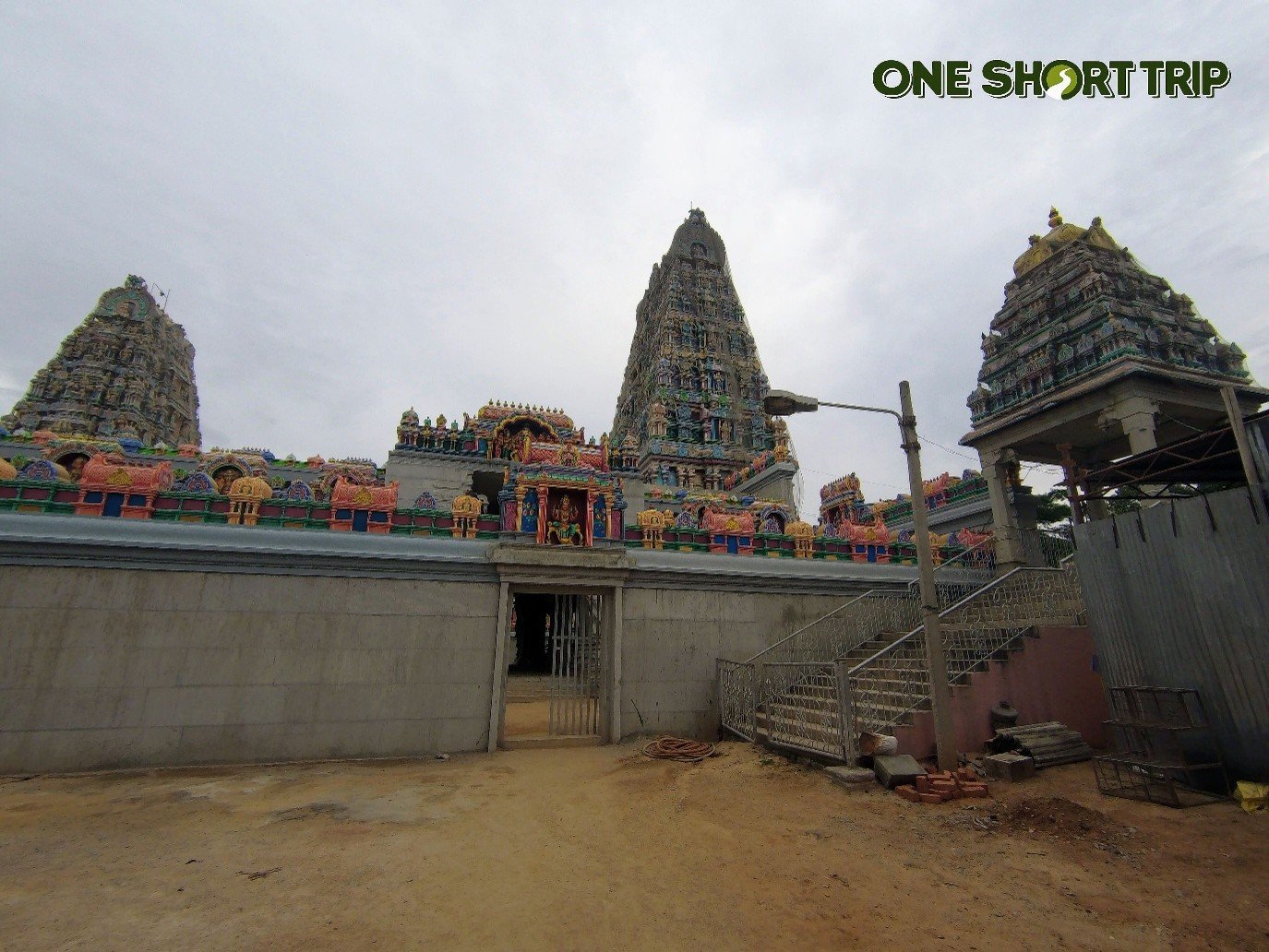
- Temple Gopuras – the prominent gopuras were constructed and consecrated in 1968.
- Veda Pathashala – connected with the Math's tradition of Vedic and Sanskrit learning.
- Goshala – a goshala is maintained within the Math premises.
- Pravachana Hall – used for religious discourses and spiritual programmes.
- Book Stall – useful for visitors interested in spiritual and religious literature.
What Is a Visit to Shankarapuram Sringeri Math Like?
The experience is quiet, devotional and distinctly different from Bengaluru's busier tourist attractions. Visitors generally come for darshan, prayer and peaceful reflection. The Math is especially meaningful for devotees familiar with the Sringeri Sharada Peetham, Sri Adi Shankaracharya and the Advaita Vedanta tradition.
As this is an active religious institution, visitors should maintain a respectful atmosphere. Modest clothing, quiet behaviour and following instructions from temple staff are recommended. If you wish to photograph inside the temple areas, check with the staff before doing so, particularly during pooja or other religious ceremonies.
Sringeri Shankar Math Bengaluru – Quick Information
The Spiritual Significance of the Math
Sringeri Shankar Math in Bengaluru is connected to the Sringeri Sharada Peetham, one of the principal monastic institutions traditionally associated with Sri Adi Shankaracharya. For devotees, the importance of the Shankarapuram branch lies not only in its shrines but also in its continuing connection with religious teaching, worship and the spiritual lineage of the Sringeri Jagadgurus.
The Bengaluru Math also forms part of the city's older cultural landscape. Its establishment in 1907 took place during the period of the Mysore Kingdom, and its development received support from prominent figures of that era. More than a century later, it remains an active spiritual institution in Shankarapuram.
Veda Pathashala and Traditional Learning
One of the important aspects of the Bengaluru Math is its connection with traditional learning. A Veda Pathashala was started at the Math in 1907 by Jagadguru Sri Sacchidananda Shivabhinava Nrisimha Bharati Mahaswamiji. It became a place where students could pursue traditional studies in the Shastras and Sanskrit learning.
The Sringeri tradition records the educational importance of the Bengaluru Math and its Veda Pathashala. This gives the Shankarapuram branch an additional cultural dimension: it is not simply a place of worship, but also part of a long-standing tradition of preserving religious and classical learning.
Facilities at Sringeri Shankar Math, Bengaluru
The Shankarapuram branch has facilities associated with its religious and educational activities. These include a Pravachana Hall, Book Stall and Guest House, while the wider Math complex also has a Veda Pathashala and goshala.
Used for religious discourses and spiritual programmes.
Useful for visitors interested in spiritual and religious literature.
Guest-house facilities are associated with the Shankarapuram branch.
Connected with traditional Vedic and Sanskrit learning.
A goshala is maintained as part of the Math's activities.
Sringeri Shankar Math Bengaluru Timings
The official Shankarapuram branch does not currently publish a fixed daily darshan timetable on its dedicated branch information page. Since pooja timings and special programmes can change, visitors planning a specific darshan or religious ceremony should confirm the day's schedule directly with the Math.
If you are visiting during a festival or special occasion, it is particularly useful to check beforehand. Religious celebrations such as Navaratri, Shankara Jayanthi and other events may follow special schedules.
How to Reach Sringeri Shankar Math in Shankarapuram
Sringeri Shankar Math is located in Shankarapuram in the Basavanagudi area of Bengaluru. The official address is Shankar Math Road, Shankarapuram, Bengaluru – 560004. The Math is well connected to the older southern parts of the city by road.
Convenient when travelling directly from other parts of Bengaluru.
BMTC services connect Basavanagudi and surrounding neighbourhoods with other parts of the city.
The Math is accessible by road, although parking conditions can vary during busy periods and special events.
Places to Visit Near Sringeri Shankar Math
The Shankarapuram Math works particularly well as part of a Basavanagudi heritage and temple circuit. Travellers can combine their visit with several nearby attractions rather than treating the Math as a standalone stop.
Explore one of Bengaluru's oldest cultural neighbourhoods and its famous Nandi temple.
A peaceful green space known for its historic geological rock formations.
A traditional Basavanagudi market area known for local food and shopping.
One of Bengaluru's most famous gardens and a natural addition to a south Bengaluru itinerary.
Another important temple that can be included in a Basavanagudi spiritual circuit.
Who Should Visit Sringeri Shankar Math?
This Math is particularly suitable for devotees, families, senior citizens, spiritual travellers and visitors interested in Bengaluru's religious heritage. It is also a good stop for travellers exploring Basavanagudi and the traditional neighbourhoods of south Bengaluru.
If your interest is primarily in modern attractions, shopping or entertainment, the Math may not require a long visit. But if you enjoy historic temples, traditional institutions and quieter cultural experiences, it can add considerable depth to a Bengaluru sightseeing itinerary.
How Much Time Do You Need?
Most visitors can experience the Math in around 30–60 minutes, depending on whether they are visiting only for darshan or also spending time exploring the premises. If you are attending a pooja, religious discourse or special event, allow additional time.
Is Sringeri Shankar Math Worth Visiting?
Yes, especially if you enjoy temples, spiritual heritage and the traditional side of Bengaluru. The Shankarapuram Math is not a conventional tourist attraction designed for a quick checklist. Its appeal comes from its history, connection with the Sringeri tradition and the opportunity to experience a living spiritual institution in one of Bengaluru's older neighbourhoods.
For travellers exploring south Bengaluru, the best approach is to combine the Math with nearby temples, Bugle Rock Park, Gandhi Bazaar and Lalbagh to create a more complete Basavanagudi heritage and sightseeing experience.