

Sri Rajarajeshwari Temple – Rajarajeshwari Nagar, Bengaluru
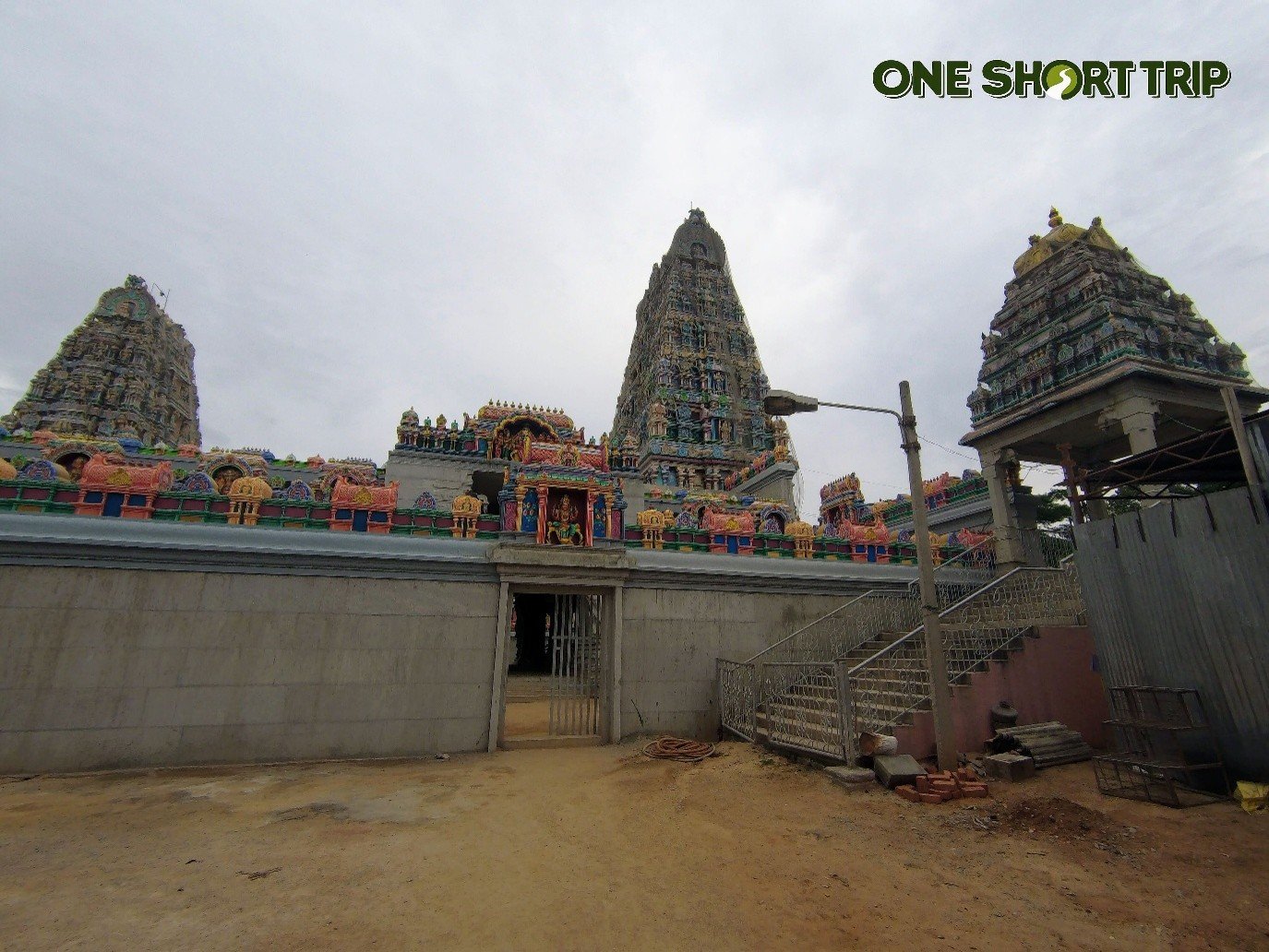
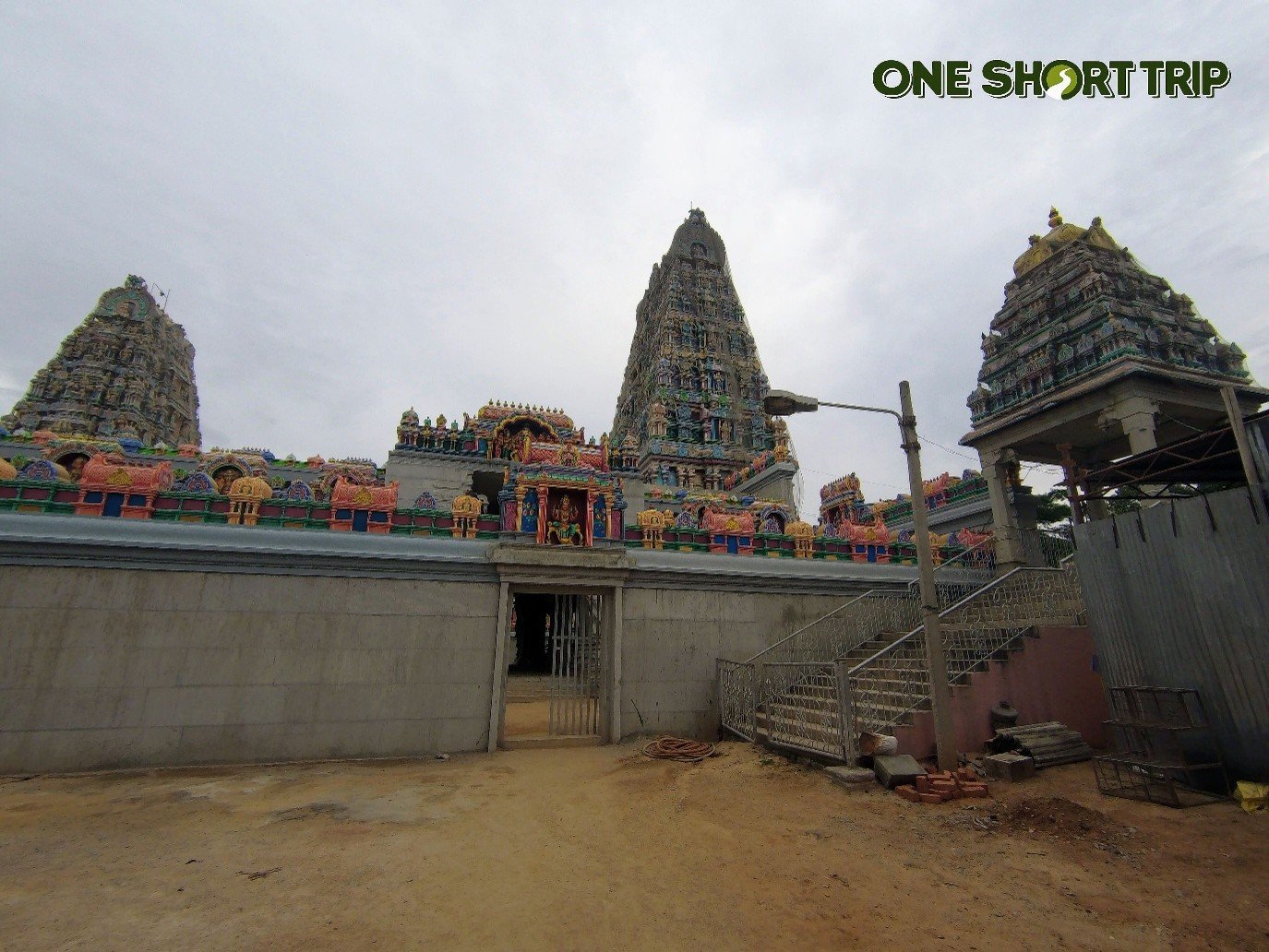
Sri Rajarajeshwari Temple, also known as Sri Jnanakshi Rajarajeshwari Temple, is one of the prominent Shakti temples in Rajarajeshwari Nagar, Bengaluru. Dedicated to Goddess Sri Rajarajeshwari, the temple is known for its magnificent granite architecture, towering Rajagopurams, powerful devotional traditions and the striking six-foot-tall stone image of the Divine Mother.
The temple is part of the Sri Kailash Ashrama Mahasamsthana and has played an important role in shaping the spiritual identity of the surrounding Rajarajeshwari Nagar neighbourhood. Its combination of traditional South Indian temple architecture and Shakta worship makes it an important religious and cultural landmark in southwest Bengaluru.
History of Sri Rajarajeshwari Temple
The history of the temple is closely connected with Sri Tiruchi Swamigal, also known as Sri Sivaratnapuri Swamiji. He founded the Sri Kailash Ashrama Mahasamsthana at Kenchenahalli, the area that later became known as Rajarajeshwari Nagar.
According to the temple's traditional account, Swamiji had a spiritual vision of the three divine forms of Durga, Lakshmi and Saraswathi during his meditation at Mount Kailash. On Makara Sankranti day, 14 January 1960, while travelling from Bengaluru towards Mysuru, he noticed three Garudas circling above a particular location. He interpreted this as a divine indication and subsequently established his ashrama at Kenchenahalli.
The foundation stone of the ashrama was laid on 3 April 1960. Sri Tiruchi Swamigal later established the temple dedicated to Sri Rajarajeshwari and also created a Sri Chakra temple with a Maha Meru, strengthening the site's importance as a centre of Shakta and Sri Vidya traditions.
Who Is Goddess Rajarajeshwari?
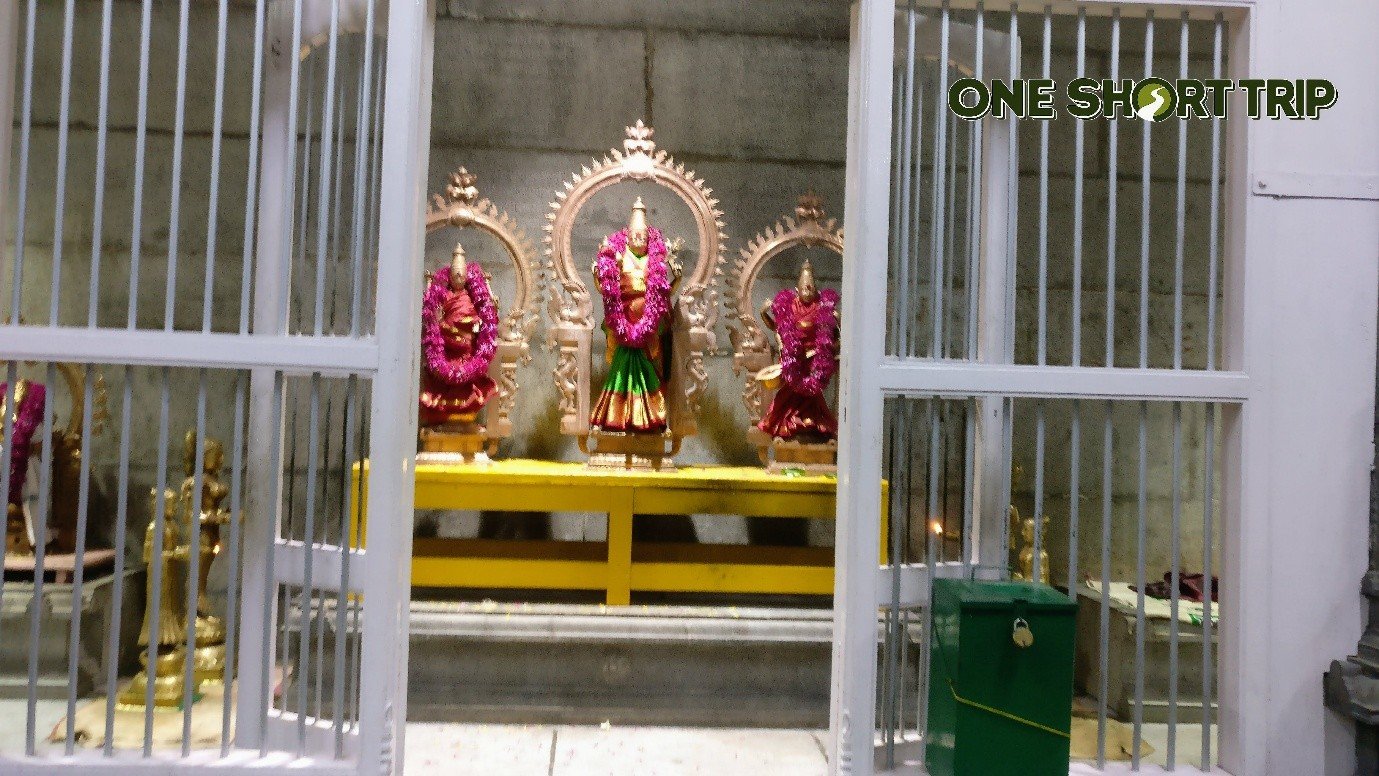
The principal deity of the temple is Sri Jnanakshi Rajarajeshwari, worshipped as the Divine Mother. In the Shakta tradition, Rajarajeshwari is associated with the supreme feminine divine and is commonly identified with Tripura Sundari.
The temple's main deity is represented by an impressive six-foot-tall granite image. The official temple history describes the Goddess as seated on a throne, with one foot folded across the seat and the other resting upon a lotus. The image forms the spiritual centre of the magnificent granite temple.
Rajarajeshwari Temple Architecture
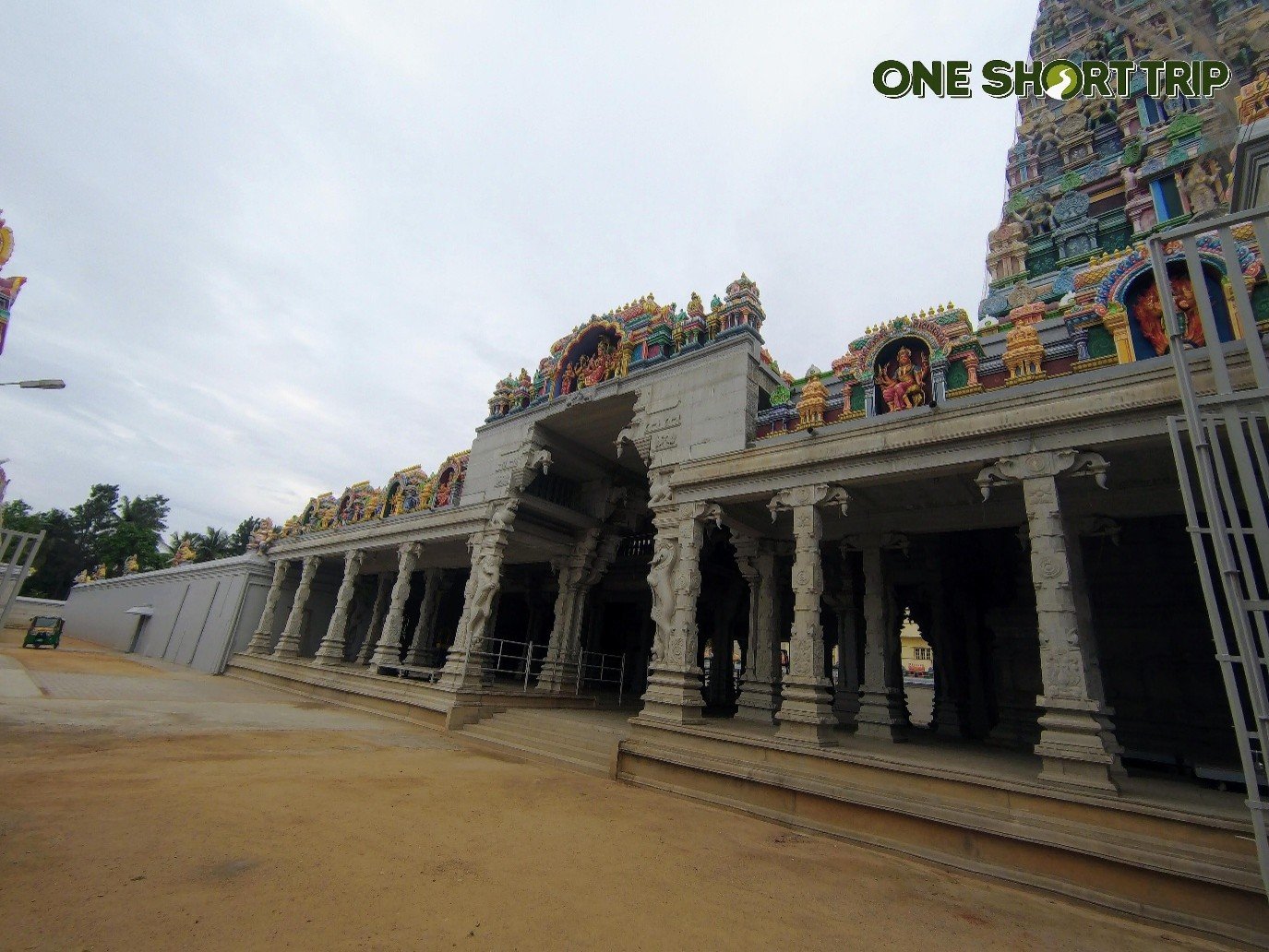
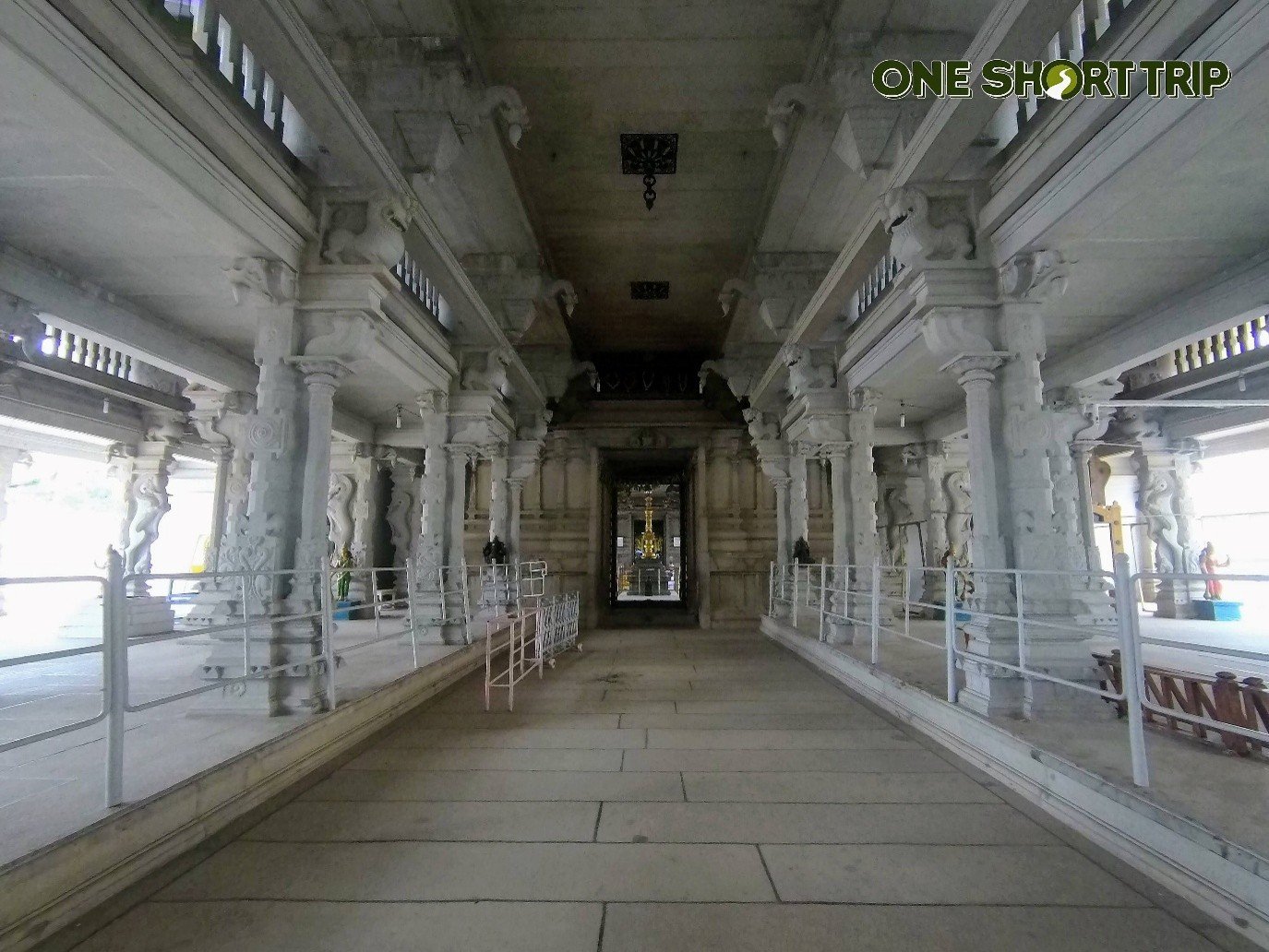
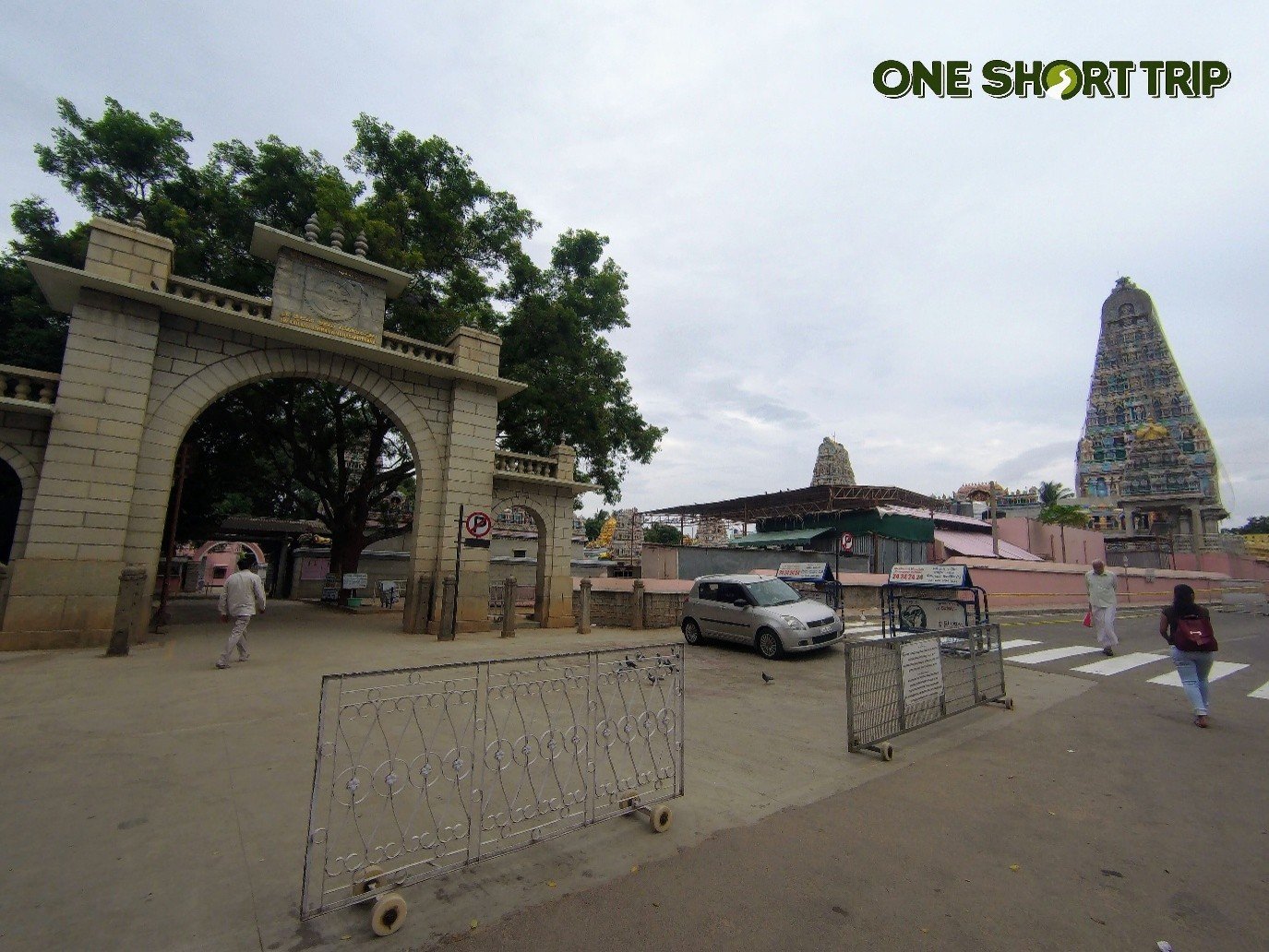
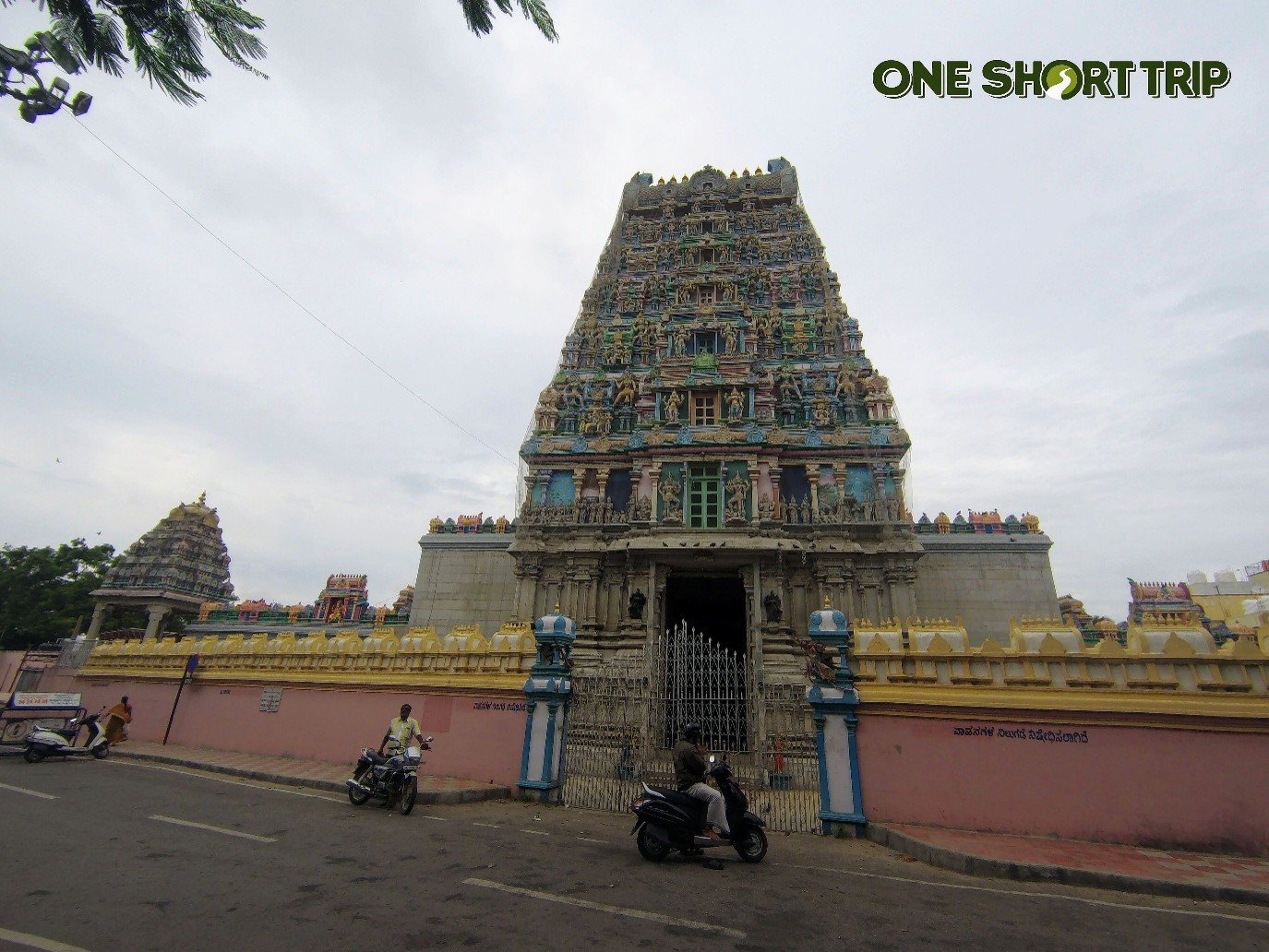
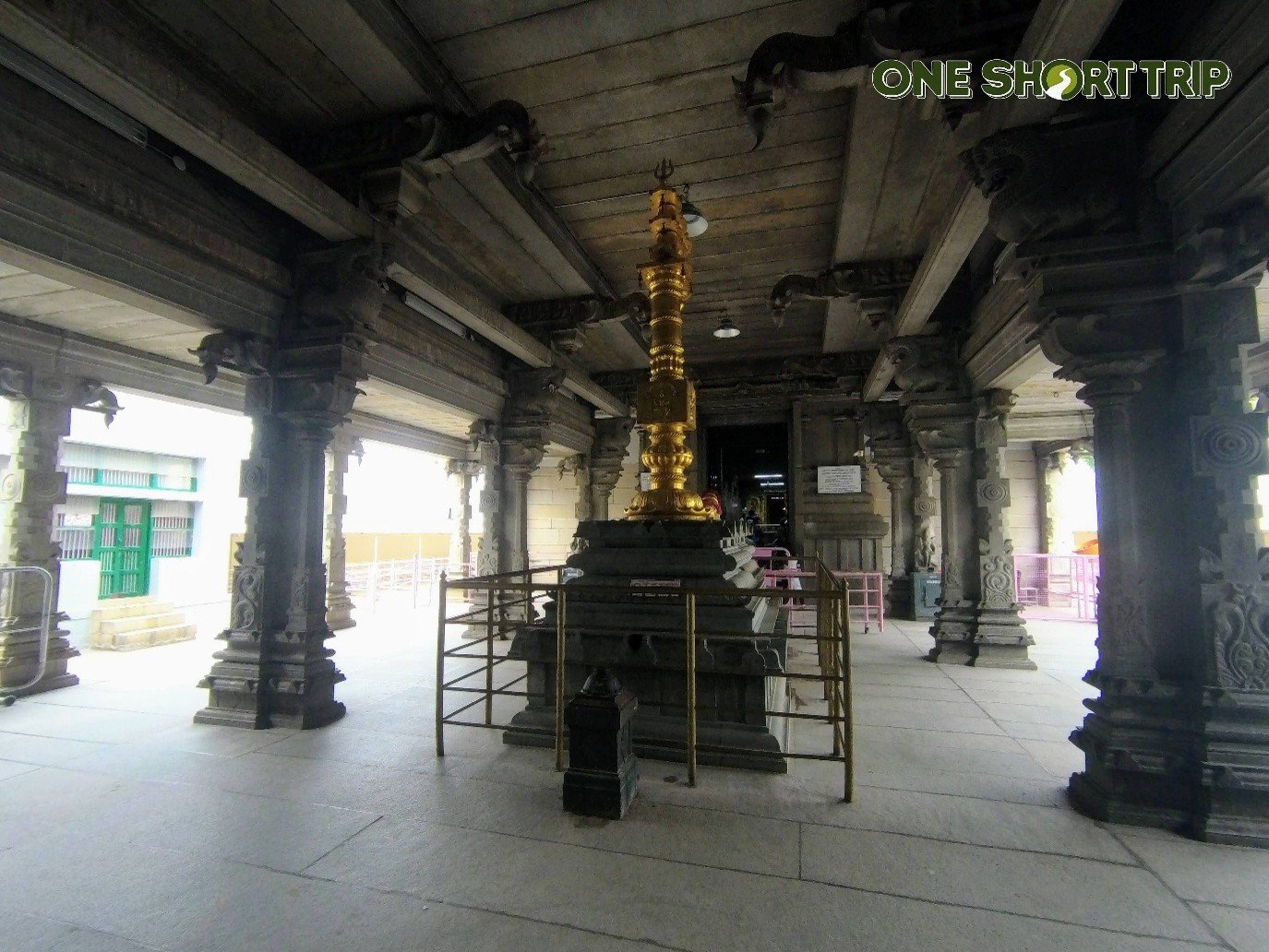
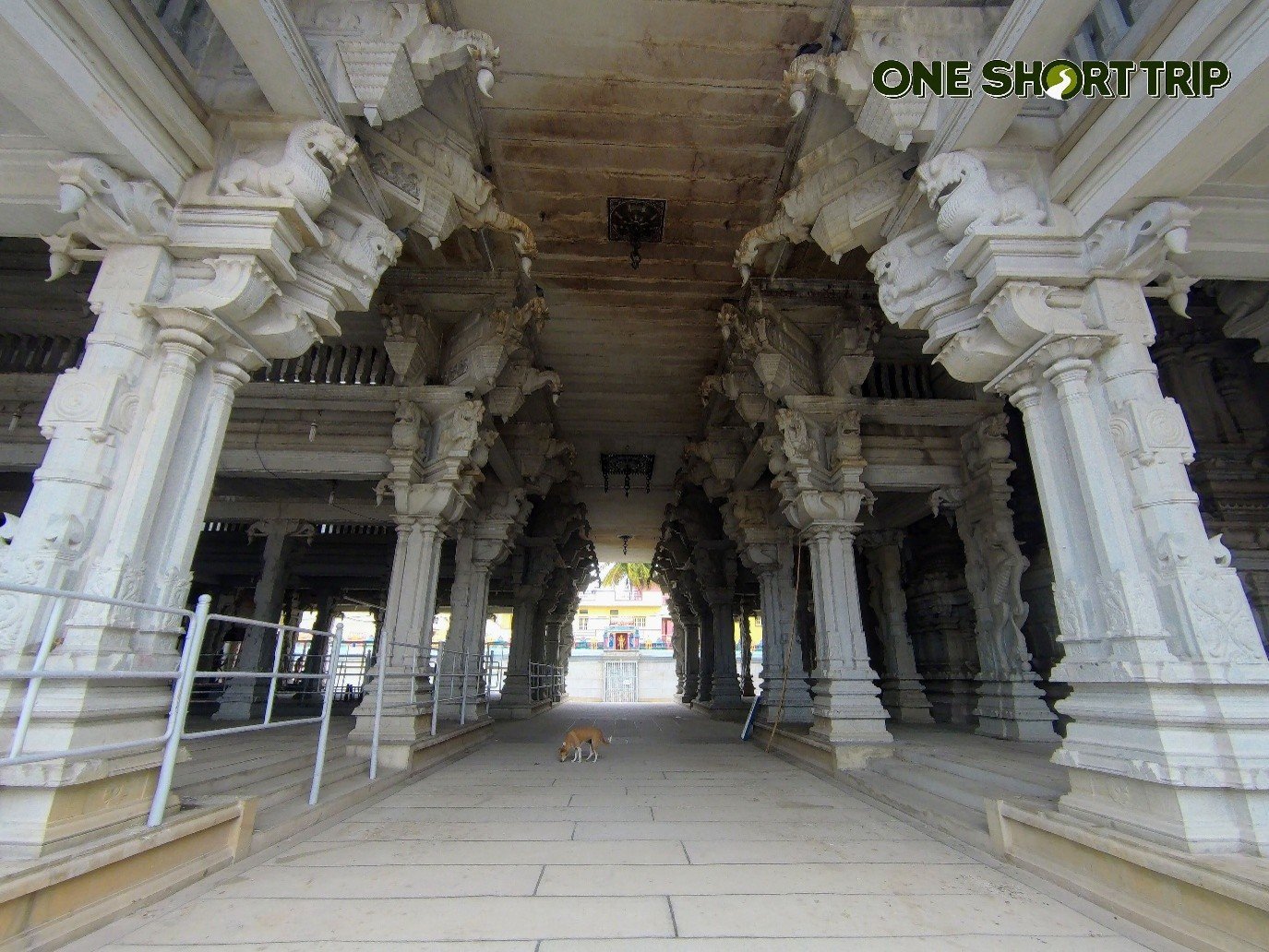
Sri Rajarajeshwari Temple is an excellent example of Dravidian temple architecture. The complex features five Rajagopurams, finely carved granite pillars, dressed stone walls, an elevated sanctum and traditional spaces designed around the principal shrine.
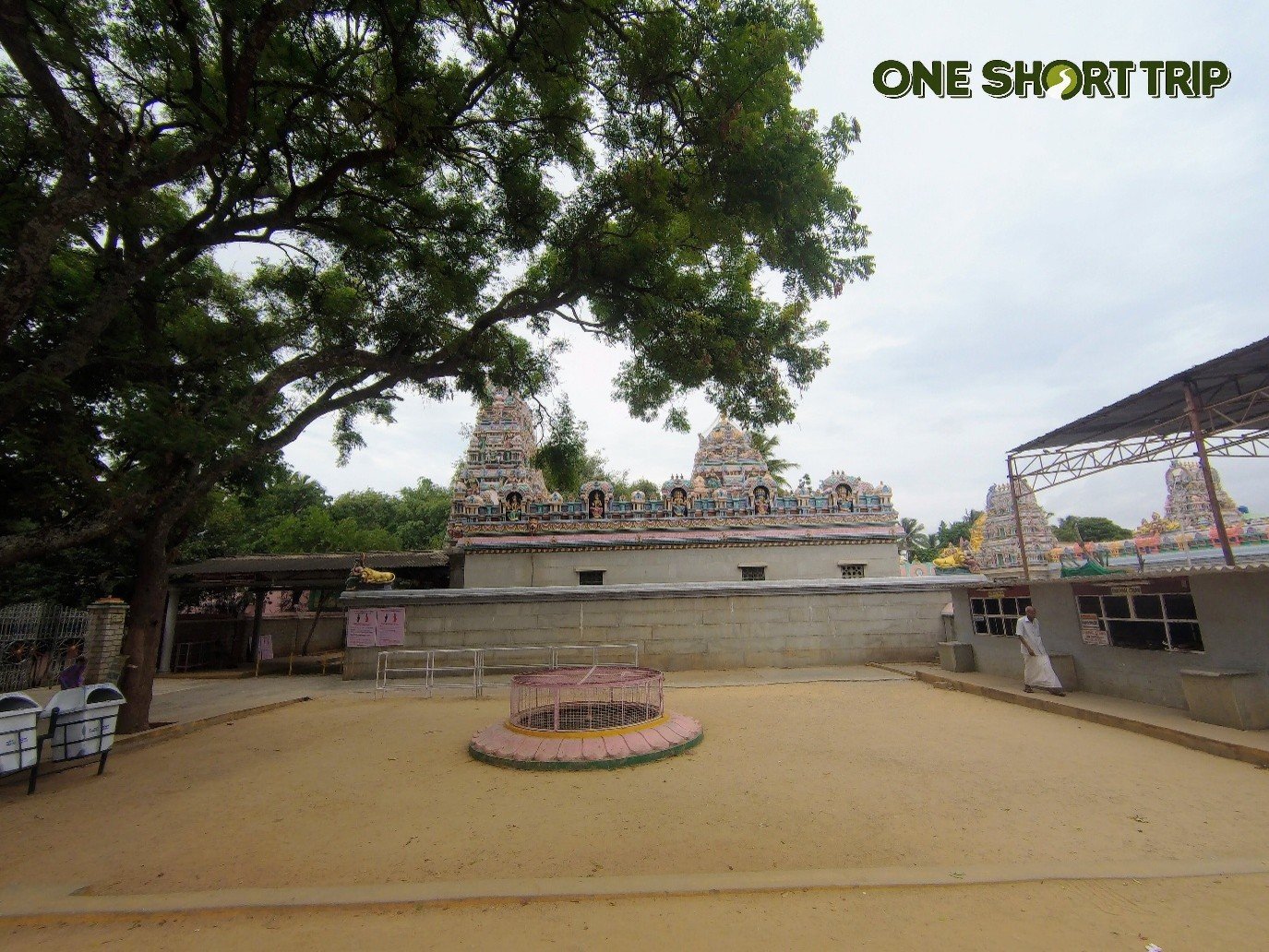
The temple includes a Garbha Griha, or sanctum sanctorum, an Antarala, a pillared Mukha Mantapa, a circumambulatory pathway and an inner courtyard. The extensive use of granite gives the temple a monumental appearance while maintaining the proportions and layout associated with traditional Agama-based temple construction.
The five Rajagopurams and detailed stone craftsmanship are among the first features visitors notice when entering the temple complex. The temple's official history describes it as a recent but significant monument representing traditional Dravidian religious architecture in Karnataka.
The Annual Sunlight Phenomenon
One of the most fascinating features of Sri Rajarajeshwari Temple is an annual solar alignment. According to the temple's official account, on 27 March every year at sunrise, the rays of the Sun enter the temple in such a way that they fall directly on the forehead of Goddess Rajarajeshwari and travel down towards her feet.
The temple states that this alignment was not deliberately planned during construction but occurs naturally because of the positioning of the structure. It adds an intriguing astronomical dimension to an already architecturally distinctive temple.
Sri Rajarajeshwari Temple Timings
Sri Rajarajeshwari Temple in Rajarajeshwari Nagar is open every day, with separate morning and evening darshan hours. On Tuesdays, Fridays and Sundays, the temple remains open for longer hours, making these days particularly convenient for devotees who prefer an extended visiting window.
Monday, Wednesday, Thursday & Saturday
Morning: 6:00 AM – 12:30 PM
Evening: 4:00 PM – 8:30 PM
Tuesday, Friday & Sunday
Morning: 6:00 AM – 1:00 PM
Evening: 4:00 PM – 9:00 PM
During major festivals and special celebrations, timings can change. It is advisable to contact the temple before travelling on festival days, especially if you are planning your visit around a specific puja or event. The temple lists (080) 2860 8398 and (080) 2860 0888 for enquiries.
Where Is Sri Rajarajeshwari Temple Located?
Sri Rajarajeshwari Temple is located at Kenchenhalli, Rajarajeshwari Nagar, Bengaluru, Karnataka – 560098, along the Bengaluru–Mysuru corridor. Its location in southwest Bengaluru makes it accessible from Rajarajeshwari Nagar, Kengeri, Mysore Road and other parts of the city.
How to Reach Sri Rajarajeshwari Temple, Bengaluru
By Metro
The temple's current visitor information identifies Rajarajeshwari Nagar Metro Station on the Purple Line as the nearest metro station. From the station, you can continue by auto-rickshaw, taxi or local bus to reach the temple.
By Bus
Kempegowda Bus Station (Majestic) is about 8 km from the temple. BMTC routes serving the Rajarajeshwari Nagar area include 225H, 225J, 225C, 225CB, 225D, V225CA and 239C. Visitors should check the latest BMTC route information before starting their journey because routes and schedules can change.
By Train
Krantivira Sangolli Rayanna Railway Station, commonly known as Bengaluru City Railway Station, is the nearest major railway station. From the railway station, visitors can continue towards Rajarajeshwari Nagar by bus, auto-rickshaw or taxi. Kengeri Railway Station is another useful option for travellers arriving from the south and can be connected to the temple by local transport.
By Car or Taxi
The temple is situated in Kenchenhalli, Rajarajeshwari Nagar, making it convenient to reach by private car, cab or auto-rickshaw. Parking facilities are available opposite the Sri Rajarajeshwari Devasthanam, according to the temple's current visitor information.
Dress Code and Temple Etiquette
Dress respectfully
The temple requests devotees to wear modest and respectful clothing. Shorts, skirts above the knee, sleeveless tops and tight-fitting garments are not permitted.
The temple's visitor guidelines suggest sarees or salwar kameez with a dupatta for women and girls, and dhoti or kurta for men and boys. Visitors whose clothing does not meet the temple's guidelines may be denied entry.
Photography and mobile phones
Photography and videography are currently not permitted inside the Devasthana. Visitors are also requested to keep mobile phones on silent and maintain a calm, respectful atmosphere. Footwear should be left at the designated chappal stand.
Best Time to Visit Sri Rajarajeshwari Temple
For a quieter visit
Weekday mornings are generally a good choice if you prefer a calmer temple experience.
For devotional atmosphere
Tuesdays and Fridays can be particularly devotional but may also attract larger crowds.
For the solar alignment
If you want to witness the temple's annual sunrise alignment, plan around 27 March and confirm arrangements beforehand.
The temple's official history records that on 27 March each year at sunrise, sunlight falls directly on the forehead of the main deity and travels down towards the feet. This is a distinctive annual feature of the temple and can attract additional interest and crowds.
Festivals at Sri Rajarajeshwari Temple
Navaratri is one of the most important periods at Sri Rajarajeshwari Temple. The temple's official information describes special pujas, homas, Chandi Homa, rathotsavas and cultural programmes during the nine-day celebrations. Brahmotsavam is another important annual celebration associated with the temple.
Festival days can be significantly busier than ordinary days. Devotees visiting with children or senior citizens should allow additional time for queues and movement around the temple.
How Much Time Do You Need at the Temple?
For a regular darshan and a peaceful look around the temple premises, keeping around 45 minutes to 1.5 hours is a practical plan. On Tuesdays, Fridays, Sundays and major festival days, you may need additional time because of larger crowds and queues.
If you are visiting as part of a Bengaluru temple tour, the temple can comfortably be combined with other attractions in and around Rajarajeshwari Nagar and southwest Bengaluru.
Visiting with Children and Senior Citizens
Sri Rajarajeshwari Temple can be included in a family temple visit, provided visitors follow the dress and conduct guidelines. Families travelling with senior citizens may find weekday mornings more comfortable than busy devotional days. Since footwear must be left at the designated stand and queues can become longer during festivals, plan the visit with enough time and avoid rushing through darshan.
Accommodation Near Rajarajeshwari Temple
Visitors who want to stay near the temple can find accommodation options ranging from budget stays to more comfortable hotels in Rajarajeshwari Nagar and surrounding areas. Staying in southwest Bengaluru can be convenient if you are planning to visit several temples and attractions around the Mysuru Road and Kengeri side of the city.
Useful Tips for Visiting Sri Rajarajeshwari Temple
- Check the temple timings before travelling, especially on festival days.
- Choose modest clothing that follows the temple's current dress guidelines.
- Leave footwear at the designated chappal stand.
- Keep your mobile phone on silent inside the temple.
- Do not photograph or record videos inside the Devasthana.
- Allow extra time on Tuesdays, Fridays, Sundays and major festival days.
- Senior citizens may find weekday morning visits more comfortable.
- If you are specifically visiting for the 27 March sunrise alignment, contact the temple in advance and plan for possible crowds.
- Respect ongoing pujas, prayers and other devotional activities while moving through the temple.
Why Visit Sri Rajarajeshwari Temple in Bengaluru?
Sri Rajarajeshwari Temple is more than a neighbourhood place of worship. Its association with Sri Tiruchi Swamigal, traditional Sri Vidya worship, distinctive Dravidian architecture, five Rajagopuras and the annual sunrise alignment give it a special place among Bengaluru's spiritual destinations.
For travellers interested in Bengaluru temples, Hindu spiritual traditions and lesser-known cultural landmarks, a visit to Sri Rajarajeshwari Temple in Rajarajeshwari Nagar offers a peaceful and meaningful experience away from the city's busiest tourist attractions.