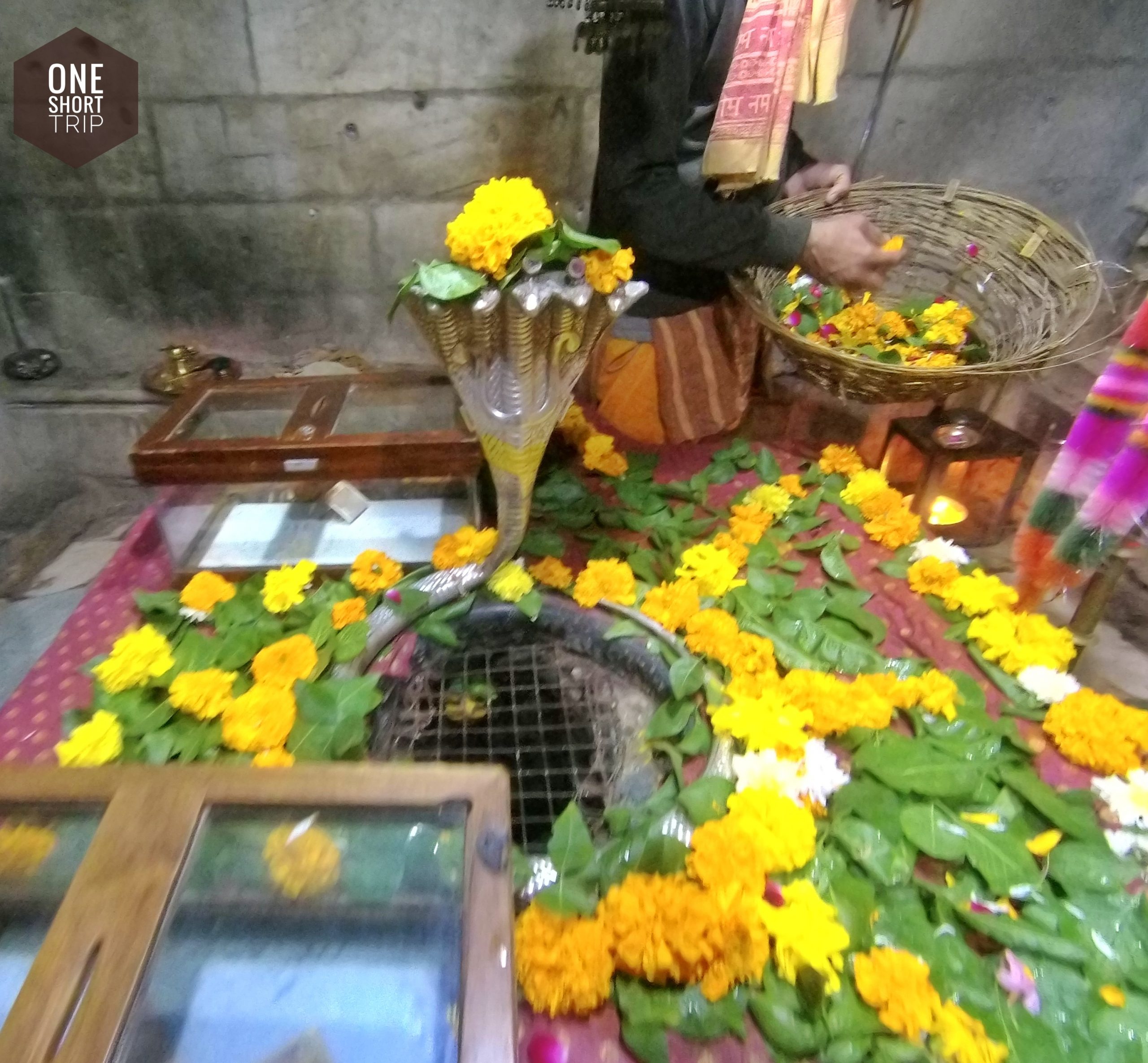

Brahma Kumaris Shantivan, Abu Road – A Spiritual Campus at the Foot of Mount Abu
Brahma Kumaris Shantivan is a large spiritual and meditation campus at Taleti near Abu Road in Rajasthan, at the foothills of Mount Abu. Rather than being a conventional tourist attraction, Shantivan is a living centre of meditation, spiritual education, retreats, conferences and large gatherings conducted by the Brahma Kumaris. The campus is particularly known for its peaceful surroundings and the remarkable Diamond Hall, a vast pillarless auditorium designed for major spiritual programmes.
For travellers exploring Abu Road and Mount Abu, Shantivan offers a very different experience from the region's forts, temples and viewpoints. Its appeal lies in understanding the Brahma Kumaris' approach to Rajyoga meditation, seeing the scale of the campus and experiencing an environment deliberately designed around silence, reflection, learning and community.
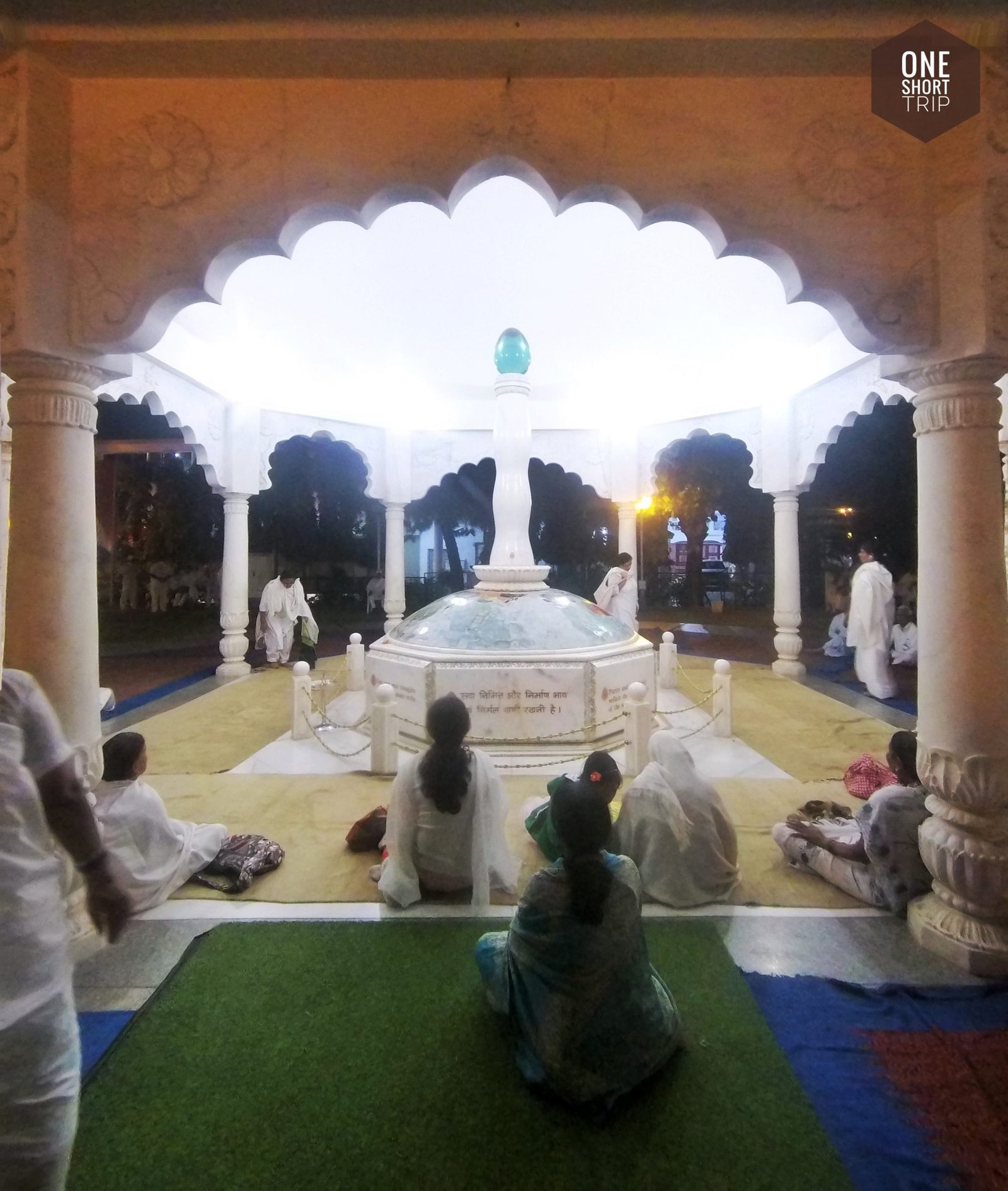
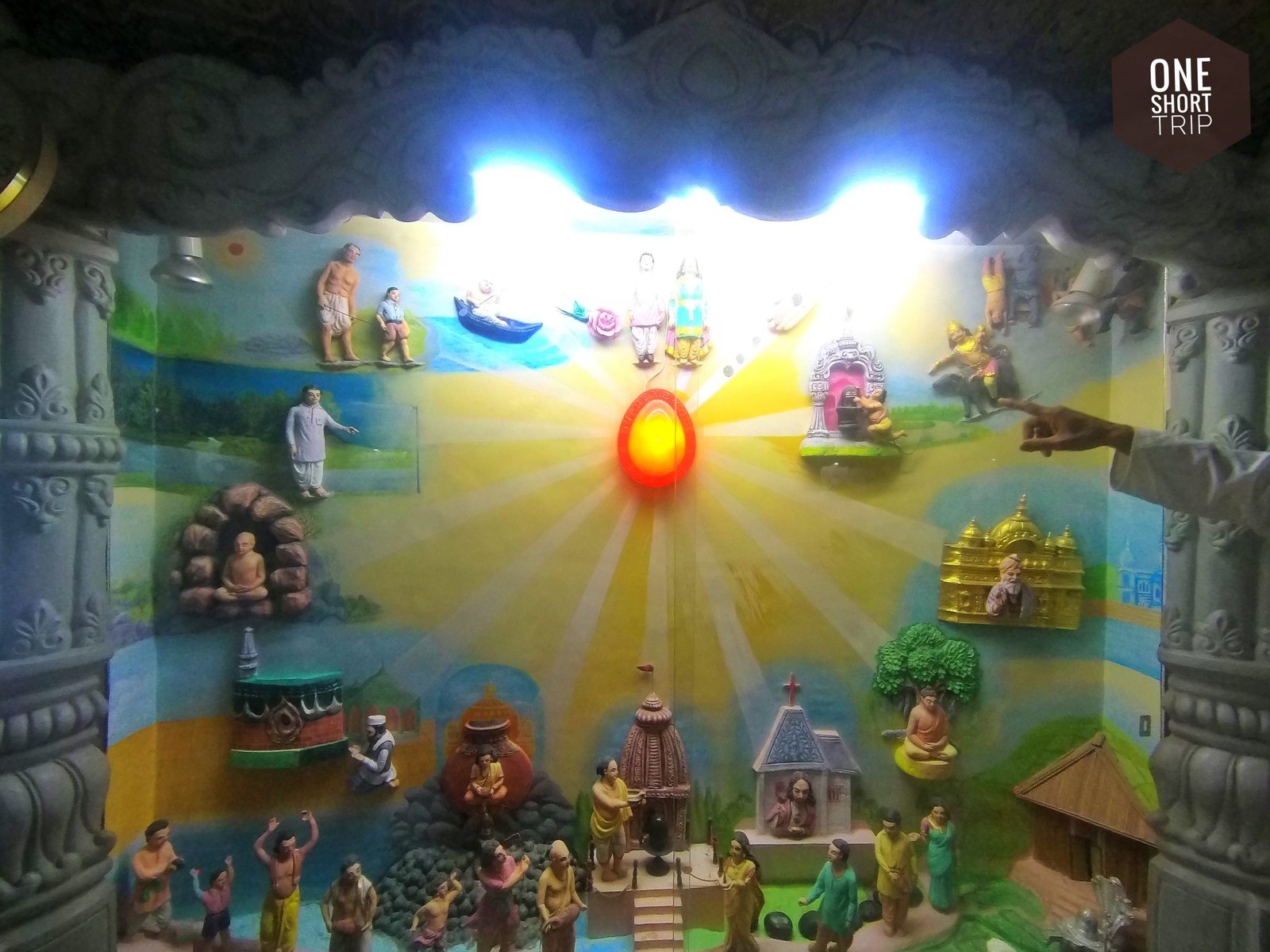
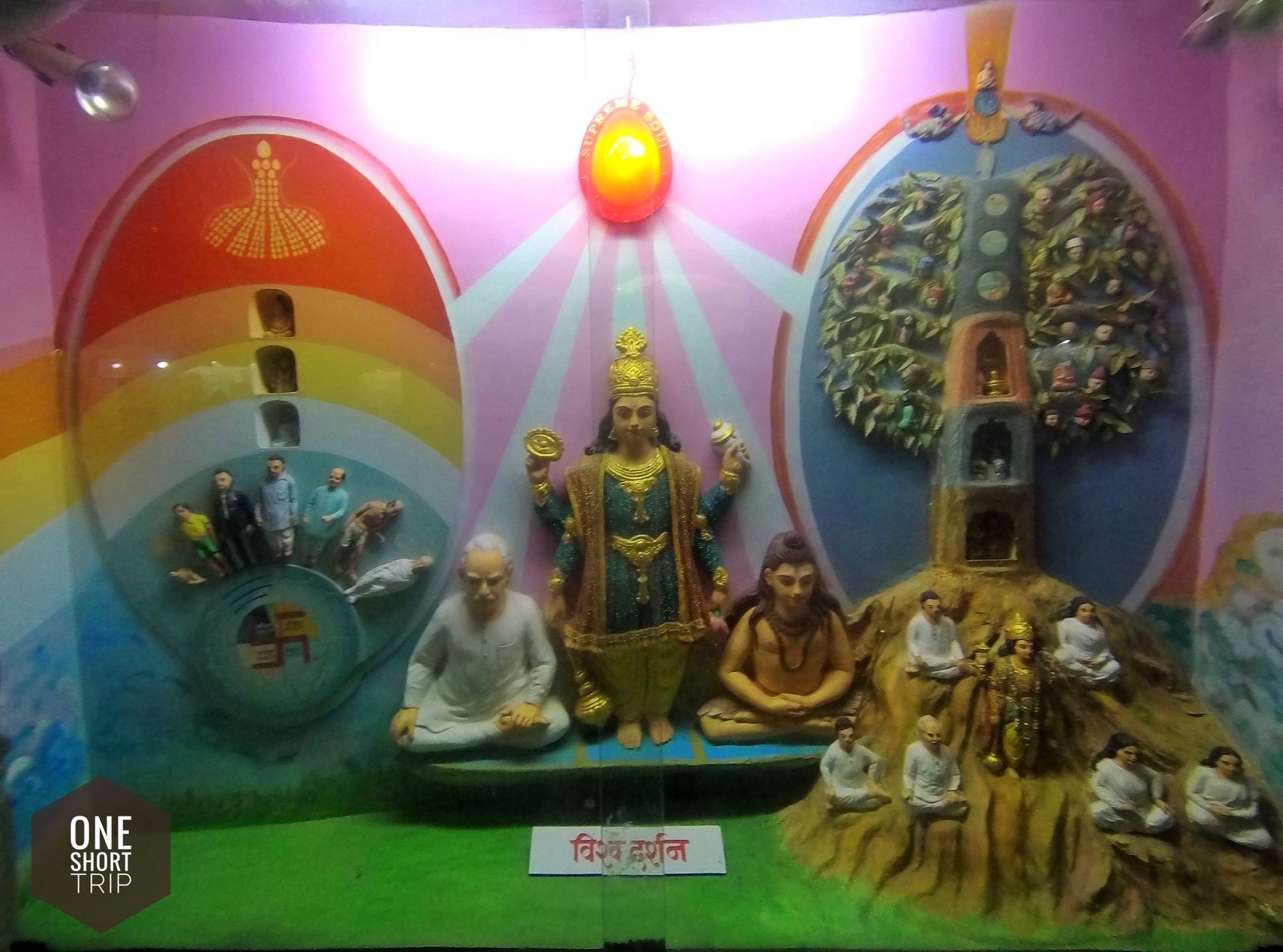
What Is Shantivan?
Shantivan means a “forest of peace”, and the name reflects the character the Brahma Kumaris intend for the campus. It functions as a major spiritual gathering centre where people come for meditation programmes, courses, conferences, retreats, cultural programmes and other activities connected with the organisation.
The campus is located at Taleti, Abu Road, rather than on the Mount Abu plateau itself. This distinction is useful when planning a visit: Shantivan is one of the Brahma Kumaris' major campuses at the foot of the mountain, while Pandav Bhawan and Gyan Sarovar are among the organisation's better-known campuses on Mount Abu.

The Brahma Kumaris and the Development of Shantivan
The Brahma Kumaris traces its beginnings to the 1930s in Hyderabad, Sindh, where Dada Lekhraj Kripalani, later known as Brahma Baba, became the founding figure of the movement. In 1937, a managing committee of eight young women was formed, marking an important stage in the organisation's development. The founding group later moved to Mount Abu in 1950, establishing the mountain region as the centre of its spiritual activities.
Shantivan developed as one of the organisation's major campuses at Abu Road. The Brahma Kumaris' own historical material records the establishment of the Shantivan complex in 1996, while its later development transformed the site into a large-scale venue capable of accommodating thousands of participants for spiritual gatherings and conferences.
Today, Shantivan forms part of the Brahma Kumaris' wider headquarters network around Mount Abu. It should therefore be understood not simply as a meditation centre but as a major institutional and spiritual campus with facilities created for education, meditation, residential programmes and large gatherings.
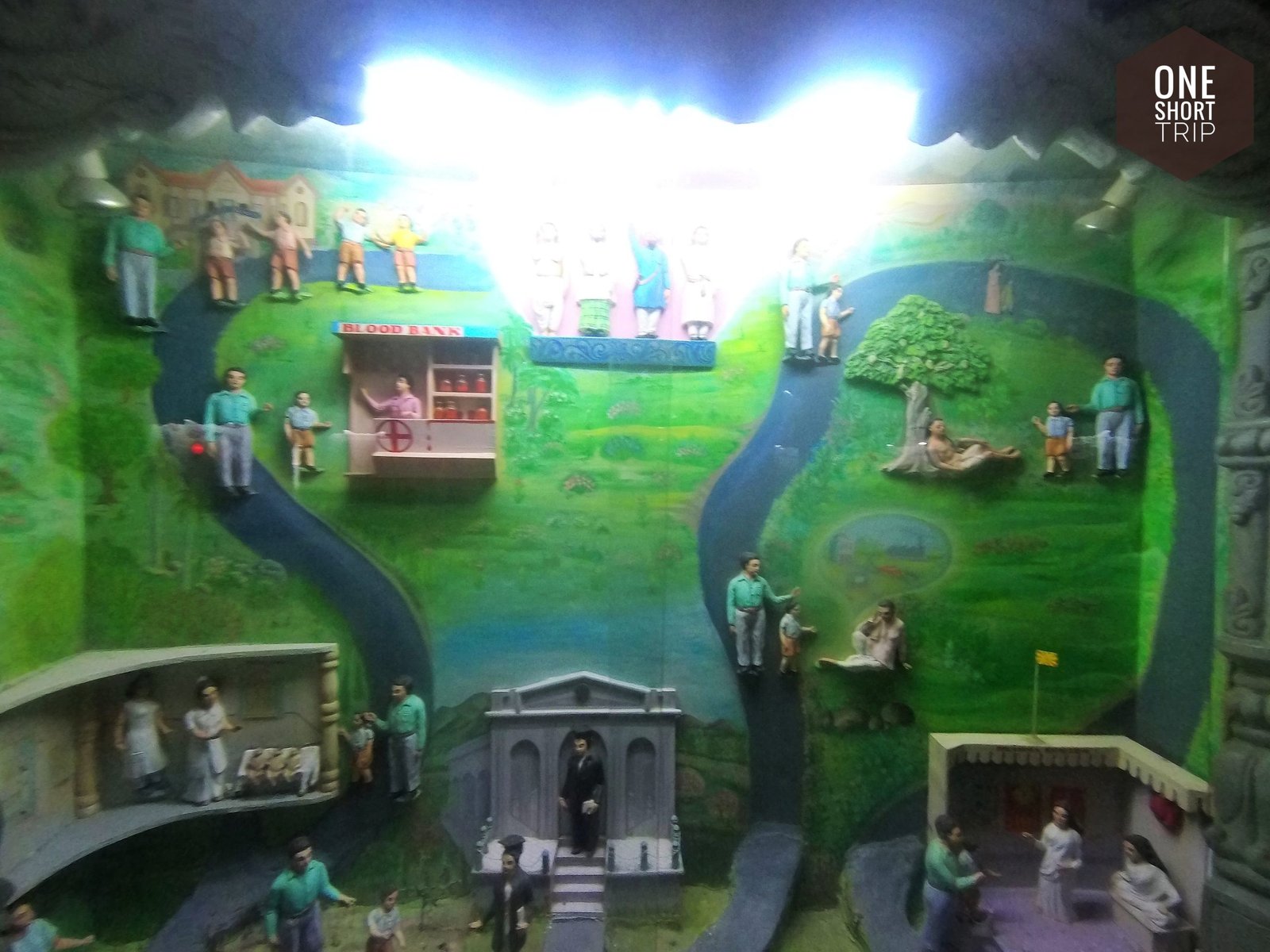
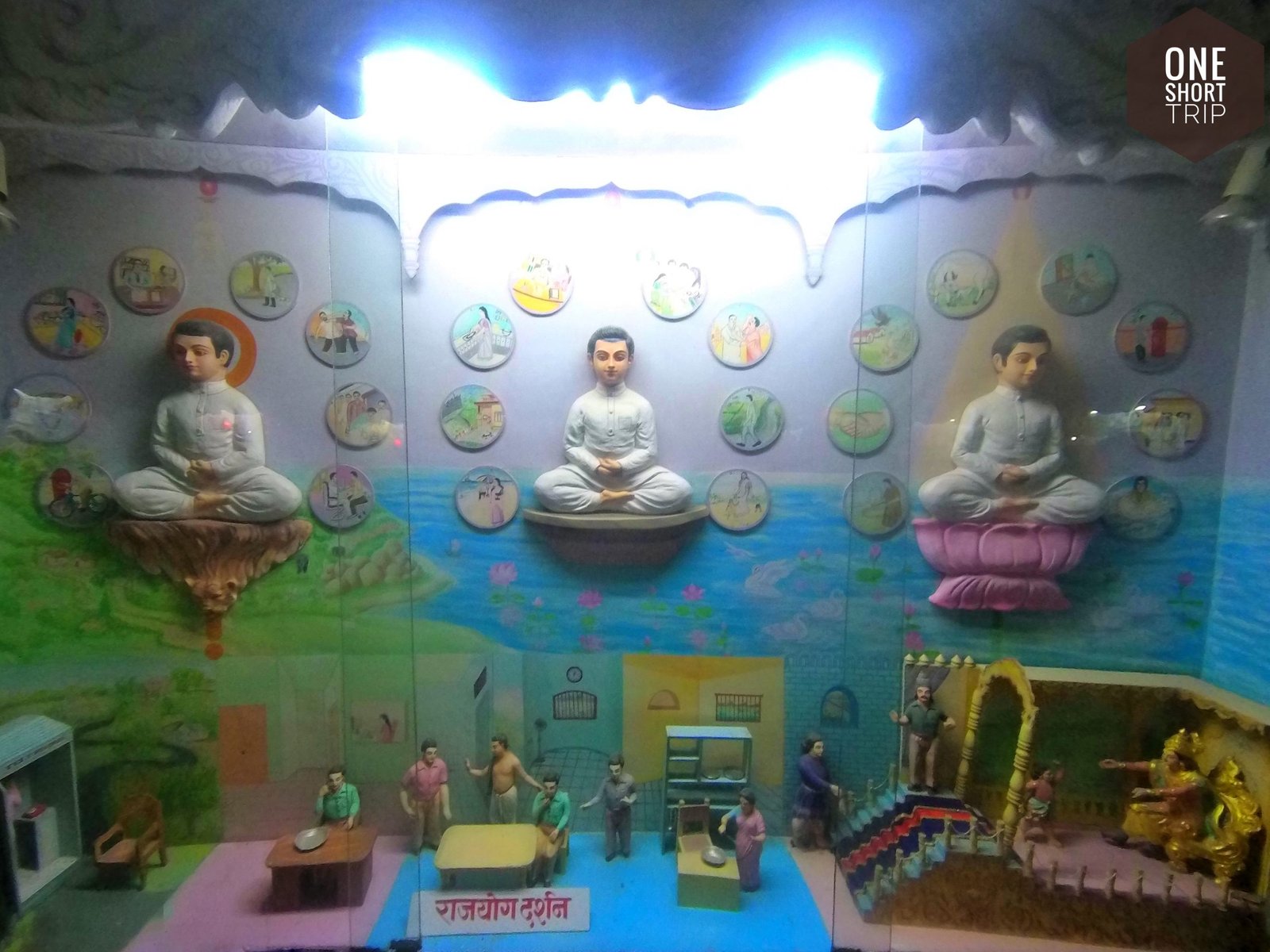
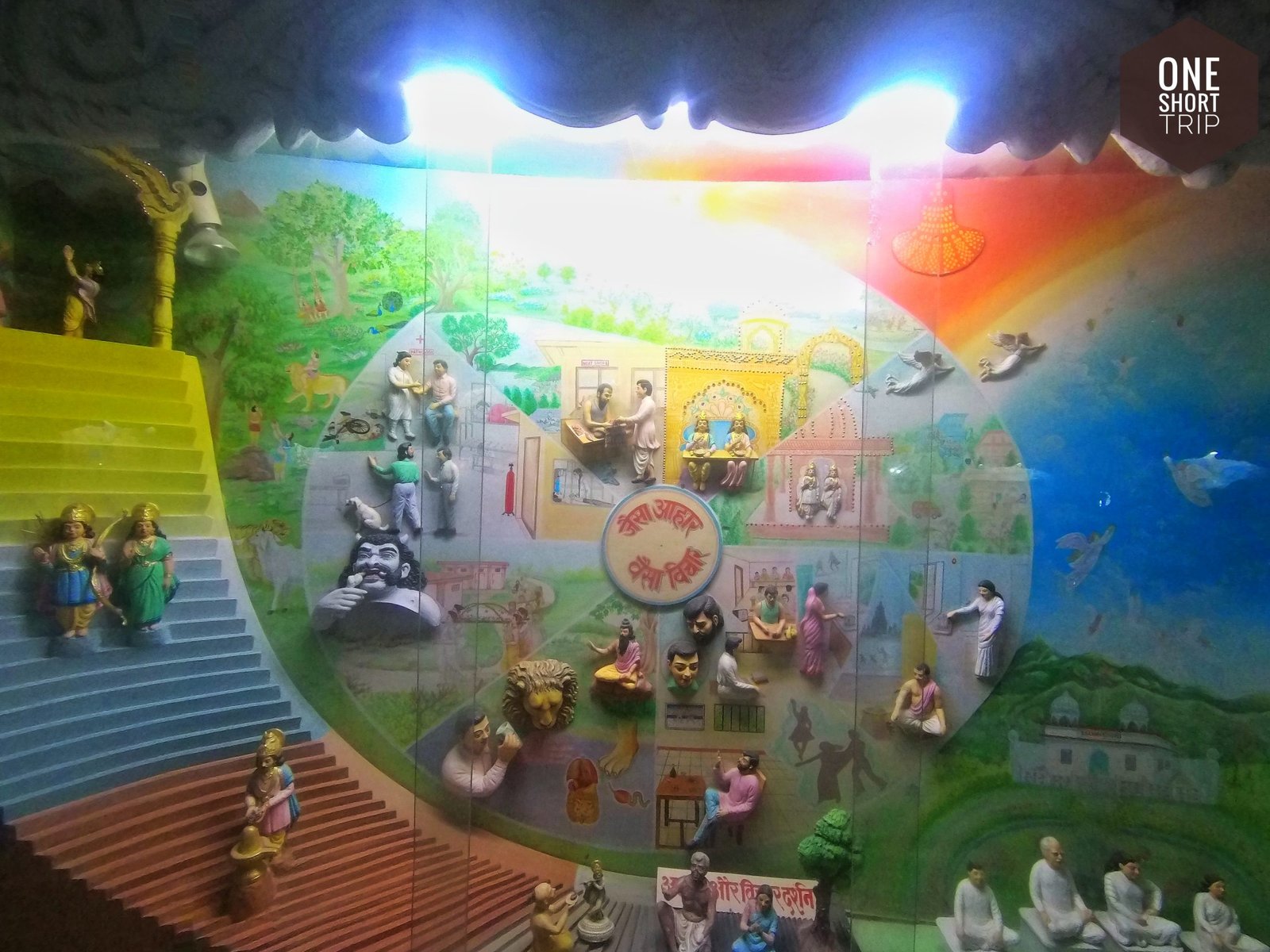
The Diamond Hall – Shantivan's Most Recognisable Landmark
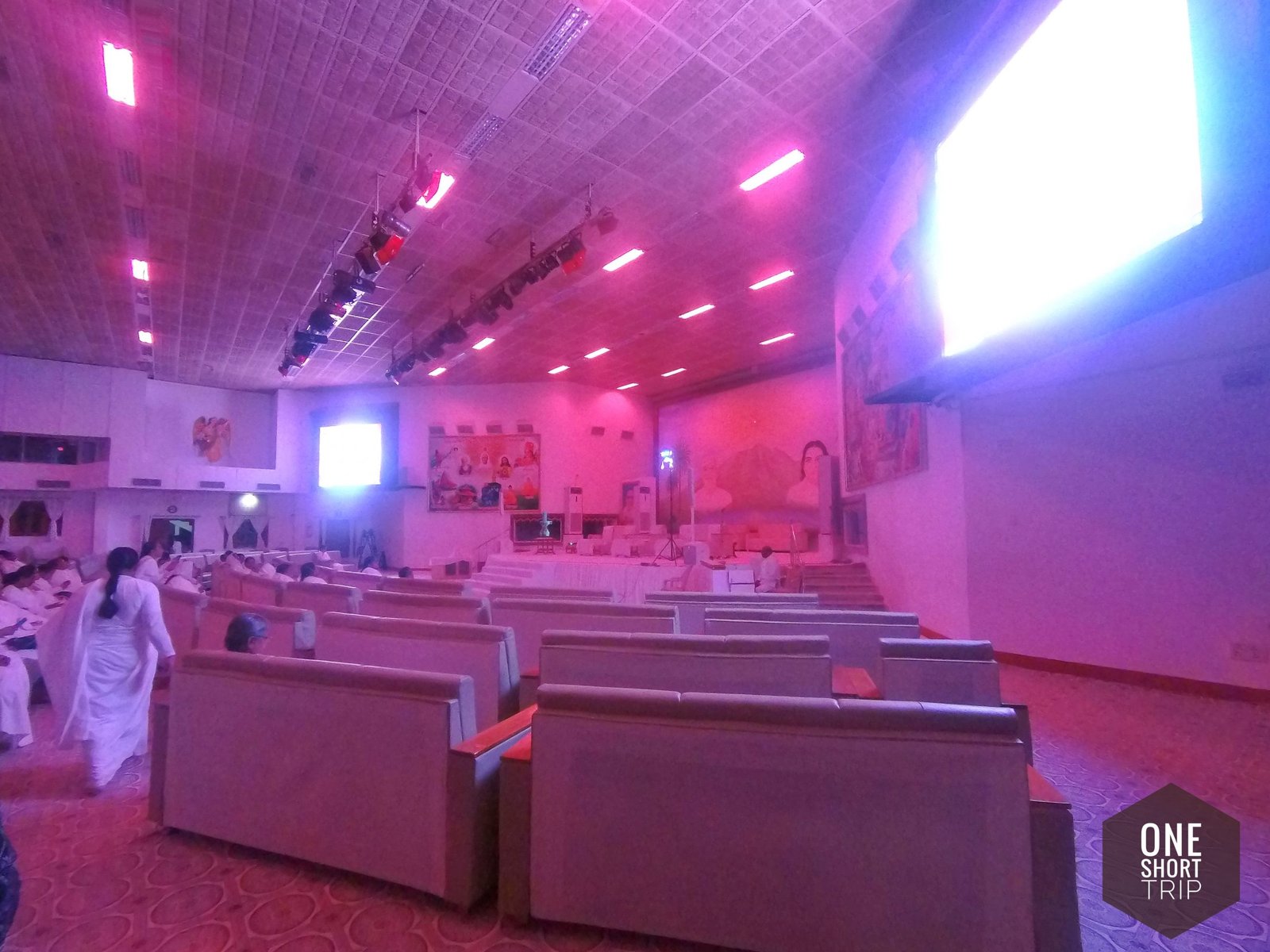
The most striking feature of Shantivan is the Diamond Hall, a huge pillarless auditorium designed for major gatherings. The Brahma Kumaris states that the hall can accommodate approximately 20,000 people without pillars obstructing the central view. Its scale makes it fundamentally different from the meditation halls found at ordinary spiritual centres.
The hall was inaugurated in December 1996 as part of the Diamond Jubilee celebrations of the organisation. Its design combines the practical requirement of accommodating very large audiences with the visual language of a spiritual gathering space. Large meditation sessions, conferences, cultural programmes and institutional events have been held here.
For architecture and large-scale event design enthusiasts, the Diamond Hall is one of the most interesting aspects of Shantivan. It demonstrates how a modern spiritual institution has created a purpose-built space capable of bringing together thousands of people while maintaining an unobstructed interior.
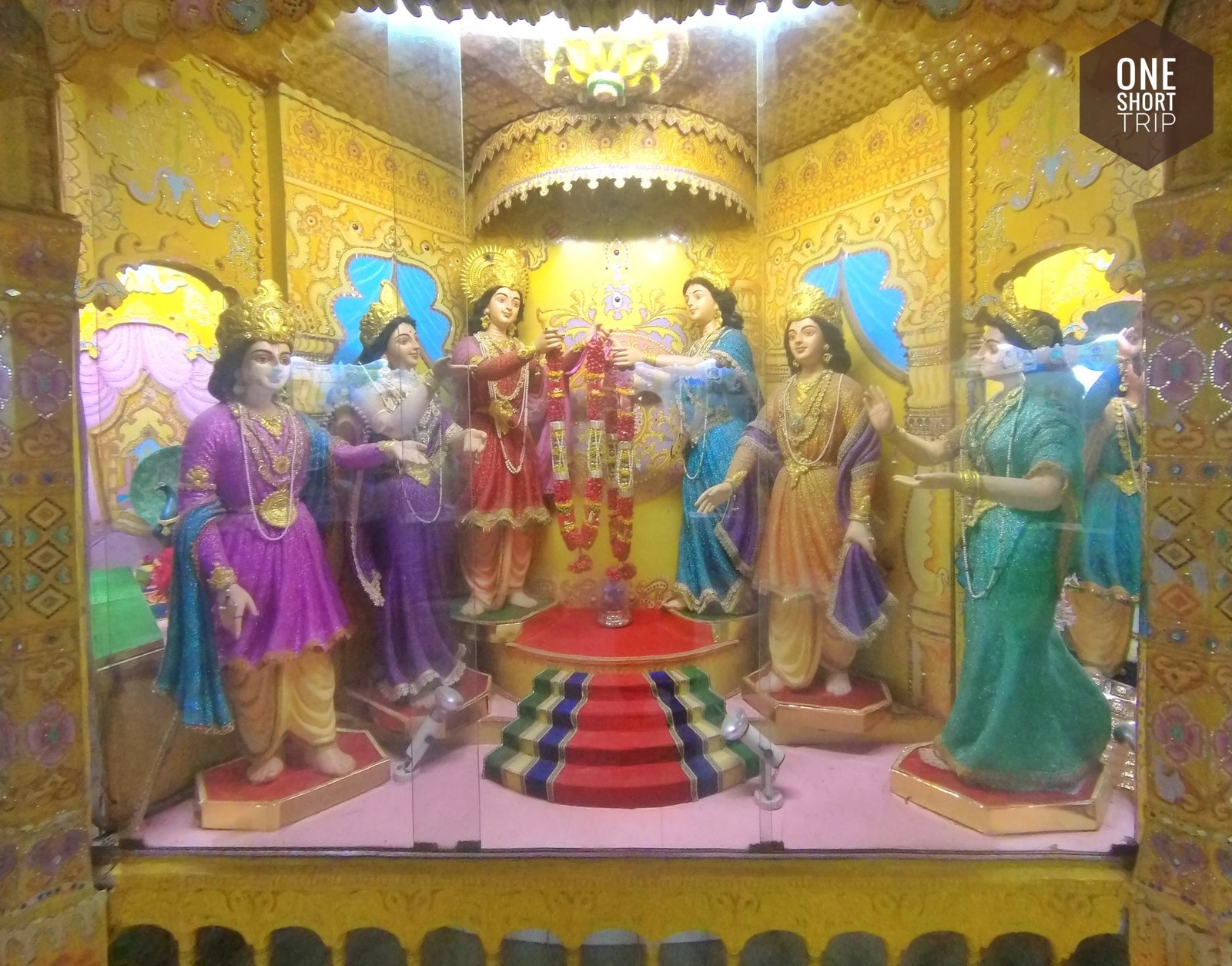
Rajyoga Meditation at Shantivan
Rajyoga is at the centre of the Brahma Kumaris' spiritual practice. The organisation presents it as a method of meditation based on understanding the self as a soul and developing a conscious connection with the Supreme Soul. Meditation is combined with spiritual study and reflection rather than being presented simply as a relaxation technique.
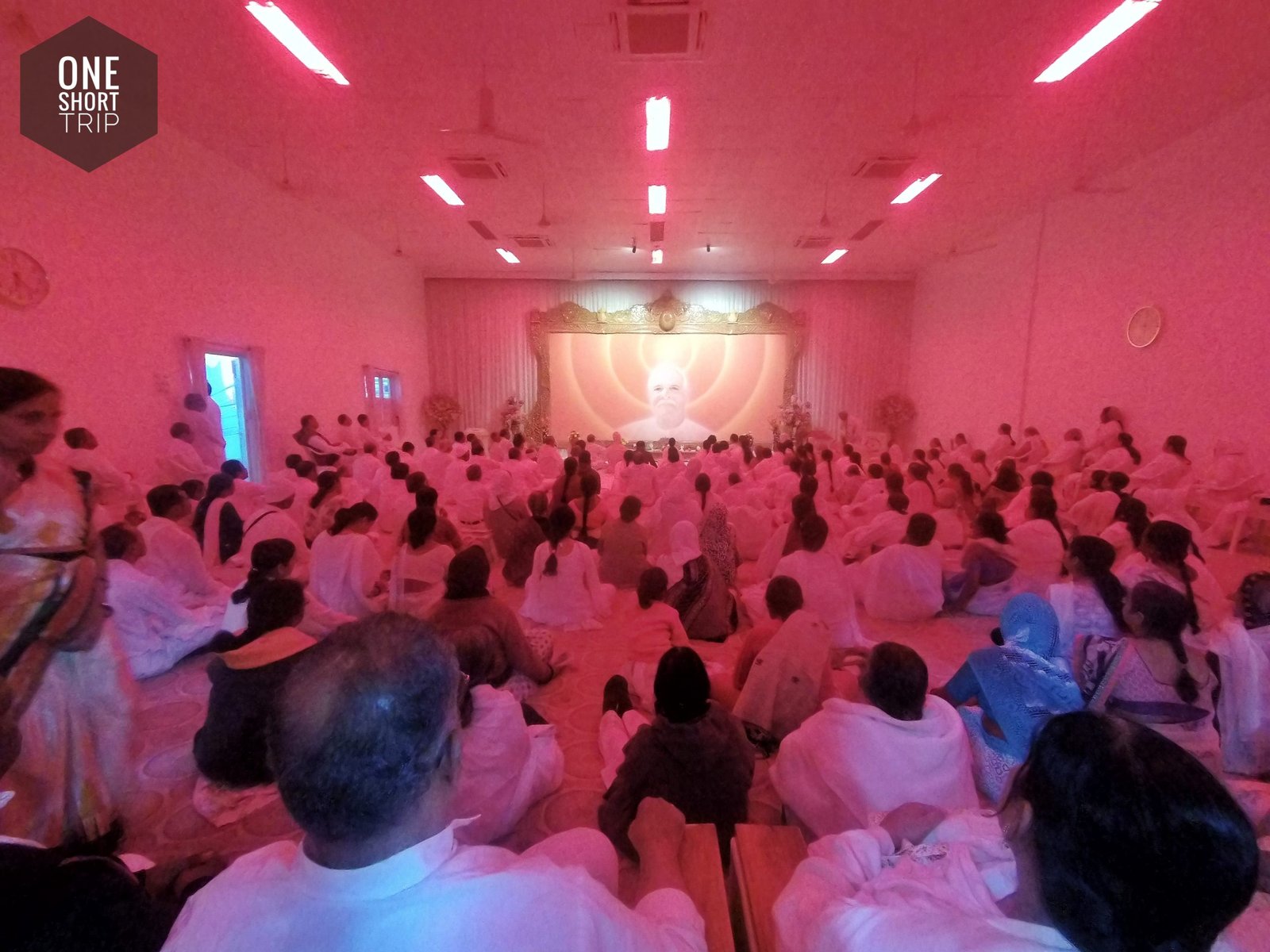
Shantivan currently offers a free introductory seven-day Rajyoga course, with the Abu Road centre stating that visitors can begin on any day and attend the morning or evening sessions. The current published centre timings are 7:00–9:00 AM and 5:00–8:00 PM, although the organisation specifically advises visitors to confirm timings before arriving because schedules can change.
This makes Shantivan particularly relevant for travellers who are interested in experiencing a spiritual centre rather than simply photographing a landmark. A visit can be approached as an opportunity to understand the Brahma Kumaris' philosophy, sit quietly, learn the basics of Rajyoga and observe the atmosphere of a large meditation community.
A Campus Built for Large Spiritual Gatherings
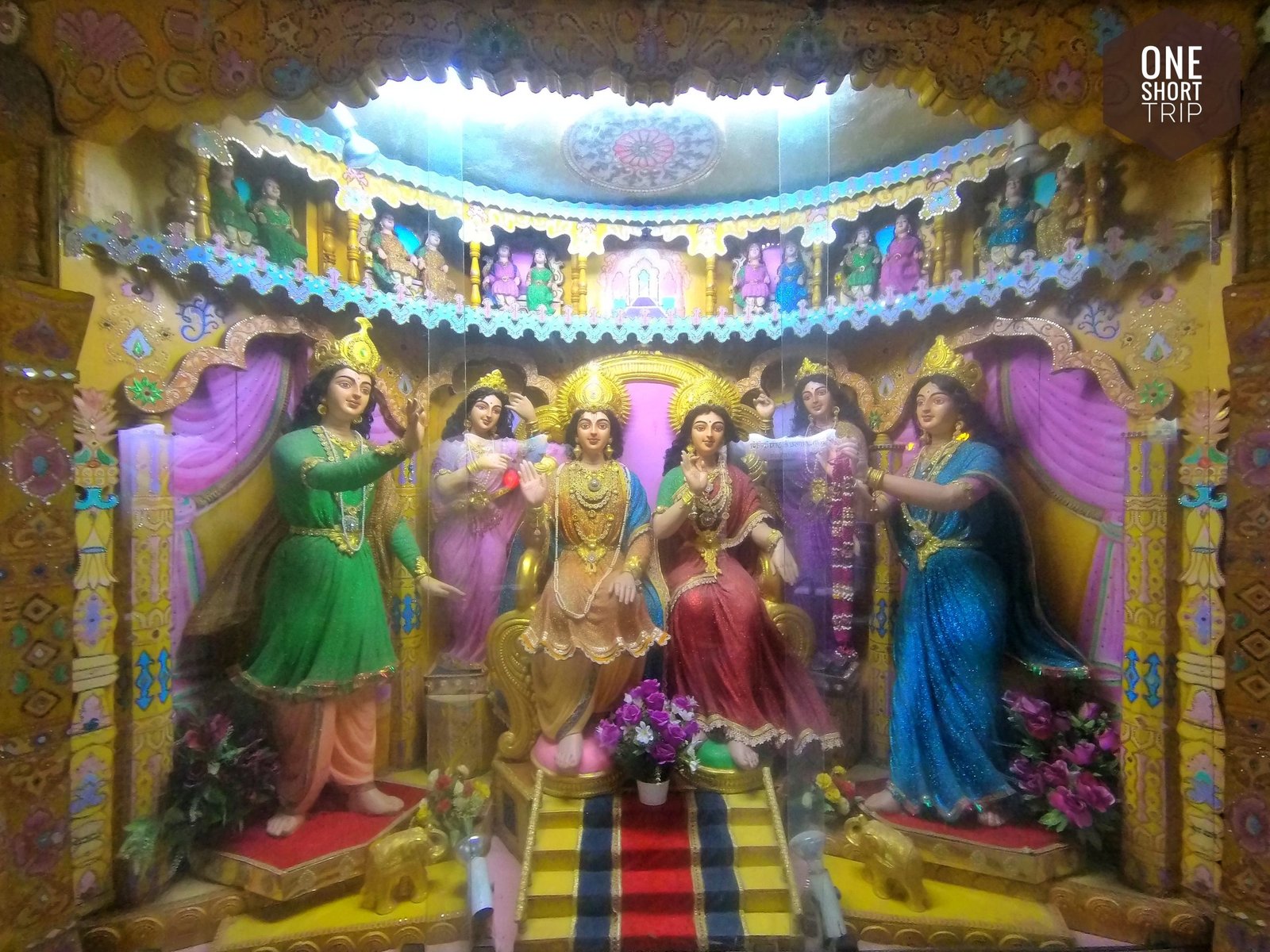
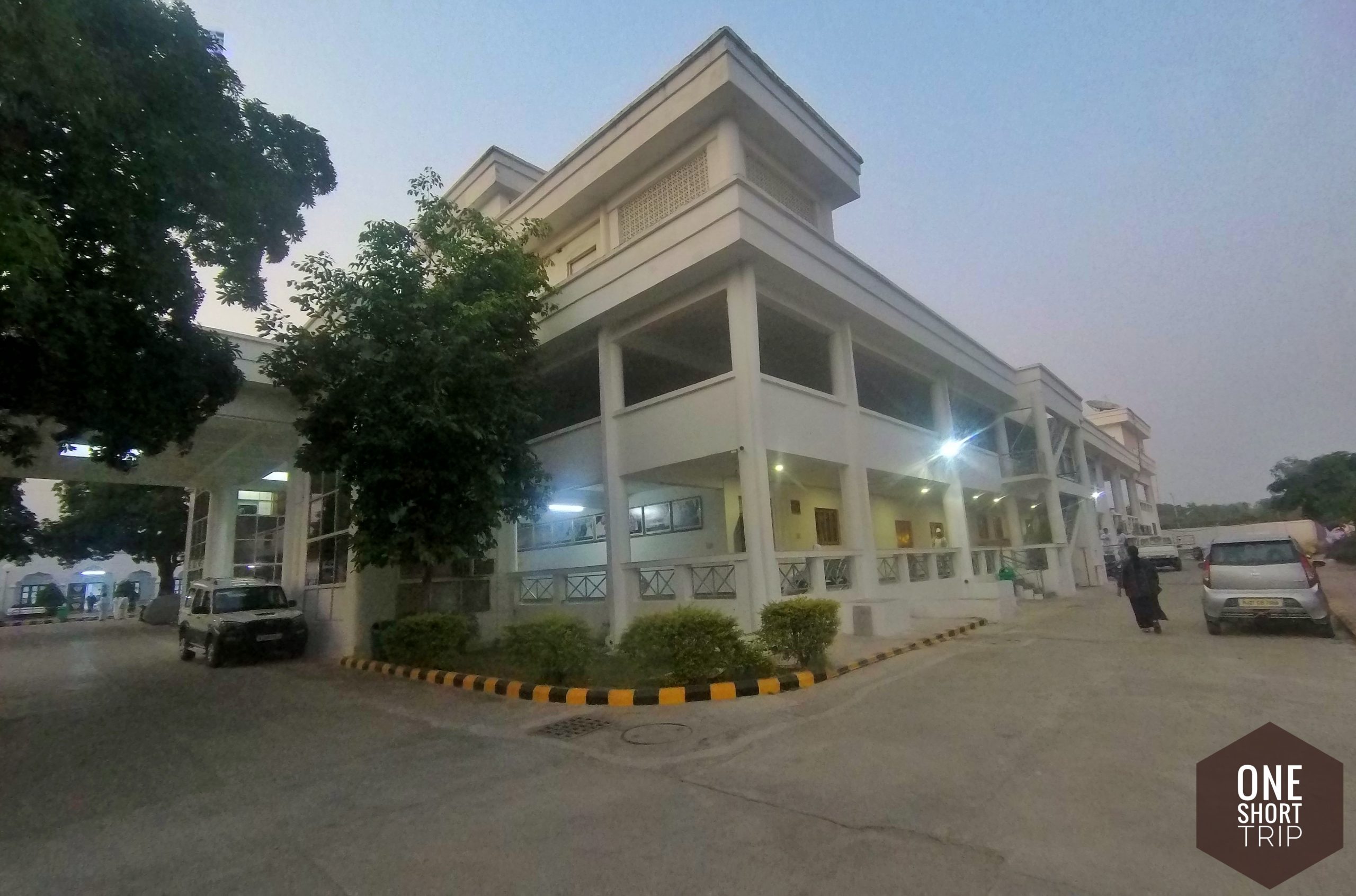
Shantivan is considerably larger than a conventional meditation centre. Alongside the Diamond Hall, the complex contains conference and training spaces, dining facilities, residential accommodation and other buildings designed to support large programmes. Brahma Kumaris material describes the wider complex as capable of hosting very large numbers of participants during major events.
Its scale becomes particularly apparent during conferences and special programmes, when people arrive from different parts of India and abroad. The campus therefore serves both as a place for individual spiritual practice and as a meeting point for a much larger international community.
More Than a Tourist Landmark
The best way to understand Shantivan is as a living spiritual institution. Visitors are not coming only to see a building; they are entering a functioning campus where meditation, spiritual study, service, conferences and retreats continue throughout the year. That distinction is important when planning a visit and also explains why quiet behaviour and respect for the campus environment matter.
For travellers combining Abu Road with Mount Abu, Shantivan provides a completely different dimension to the trip. Mount Abu is known for its hill landscapes, viewpoints and historic temples, while Shantivan introduces the spiritual and institutional side of the region through Rajyoga meditation and the remarkable scale of the Brahma Kumaris' Abu Road campus.
Visiting Brahma Kumaris Shantivan – What to Expect
A visit to Brahma Kumaris Shantivan is different from visiting a monument or conventional sightseeing attraction. The campus is an active spiritual centre, so the experience is best approached with a little more time and a quieter mindset. Visitors can explore the surroundings, learn about Rajyoga meditation and, depending on the day's programme, attend meditation or spiritual sessions.
The most important thing to understand is that Shantivan is not simply a place to photograph the Diamond Hall. It is a functioning campus where courses, meditation sessions, conferences and residential programmes take place. The atmosphere can therefore change considerably depending on whether you arrive on an ordinary day or during a major event.
Shantivan Timings and Rajyoga Meditation
The current official Brahma Kumaris listing for Abu Road Shantivan gives general centre timings of 7:00 AM to 9:00 AM in the morning and 5:00 PM to 8:00 PM in the evening. These are also the published timings for the introductory Rajyoga programme. Because special programmes and events can alter the daily schedule, it is advisable to confirm before travelling.
The organisation currently offers a free seven-day introductory Rajyoga meditation course. It is open to people without previous meditation experience, and the official centre information says visitors can start on any day without advance registration. The course introduces subjects such as the nature of the self, the Supreme Soul, karma, the cycle of time and the practice of Rajyoga meditation.
If your intention is specifically to attend meditation rather than simply see the campus, plan your arrival around one of these sessions instead of treating Shantivan as a quick sightseeing stop.
Who Can Visit Shantivan?
The Brahma Kumaris welcomes people from different backgrounds to its meditation centres. You do not need to be a member of the organisation or an experienced meditator to attend the introductory Rajyoga course. The Abu Road centre specifically describes its course as open to all and free of charge.
Families, older travellers and first-time visitors can therefore include Shantivan in an Abu Road or Mount Abu itinerary. However, visitors should remember that this is a spiritual environment rather than an amusement or entertainment venue. Children should be accompanied and encouraged to maintain the same quiet and respectful behaviour expected from adults.
How to Reach Brahma Kumaris Shantivan
By Train
Abu Road Railway Station is the most convenient railway station for Shantivan and is the principal rail gateway for visitors travelling to the Brahma Kumaris centres around Mount Abu. The Brahma Kumaris' own travel information states that Shantivan is around a 20-minute drive from Abu Road railway station.
From Abu Road Railway Station
The Brahma Kumaris states that a free ride to Shantivan may be available from the railway station, with buses and a Brahma Kumaris counter on Platform 1 helping visitors with onward arrangements. Because these arrangements can change, it is sensible to check with the station counter or the Shantivan centre after arrival.
By Road
Shantivan is at Taleti, Abu Road, Rajasthan 307510. If travelling by car, taxi or private vehicle, use Shantivan Complex, Abu Road as the destination. It is at the base of Mount Abu, so it should not be confused with the Brahma Kumaris campuses located on the Mount Abu hill itself.
Shantivan and Mount Abu – An Important Difference
One of the most common planning mistakes is treating every Brahma Kumaris centre around Mount Abu as the same place. Shantivan is located at Abu Road, below the mountain. Pandav Bhawan and Gyan Sarovar are associated with the Mount Abu hill area.
This means you should allow separate travel time if your itinerary includes Shantivan as well as Mount Abu's hill attractions. Shantivan works especially well as an Abu Road stop before or after travelling up to Mount Abu.
Dress Code and Visitor Etiquette
The Brahma Kumaris does not prescribe a strict dress code for visitors, but its official guidance recommends casual and modest clothing when attending courses or activities. White clothing is traditionally preferred within the Brahma Kumaris community because of its association with simplicity, purity and cleanliness.
Keep your phone on silent, avoid loud conversations and follow instructions from volunteers and staff. During meditation sessions, do not walk around unnecessarily or disturb people who are meditating. The campus should be treated as a place of spiritual practice rather than as an ordinary public attraction.
Food, Stay and Campus Experience
The Brahma Kumaris follows a vegetarian, satvik food tradition. Food prepared within the organisation is commonly referred to as Brahma Bhojan and is associated with the spiritual discipline followed by practitioners. Visitors attending organised programmes may have access to campus dining arrangements according to the programme or accommodation they are participating in.
Shantivan is also designed to support residential programmes and large gatherings. However, accommodation arrangements can depend on the nature of the programme and availability. A traveller visiting only for sightseeing should not assume that residential accommodation is automatically available without prior arrangements.
How Much Time Should You Spend at Shantivan?
For travellers who only want to see the campus and its major spaces, around 1–2 hours can be sufficient depending on what areas are accessible on the day. However, visitors interested in Rajyoga meditation should plan around the actual session rather than a fixed sightseeing duration.
Someone undertaking the seven-day introductory course should naturally plan a much longer stay. Shantivan therefore works for both a short Abu Road stop and a deeper spiritual retreat, depending on the purpose of the visit.
Best Time to Visit
Shantivan can be visited throughout the year because its principal attraction is the spiritual and educational experience rather than a seasonal natural phenomenon. For travellers combining it with Mount Abu sightseeing, the cooler months are generally more comfortable for exploring the wider region.
If you specifically want to attend a conference, meditation retreat or special programme, the date of the event matters more than the general tourist season. Major gatherings can make the campus substantially busier, so checking the current programme calendar before travelling is worthwhile.
Nearby Places to Combine with Shantivan
Shantivan is particularly easy to combine with an Abu Road–Mount Abu journey. Depending on the time available, travellers can build a spiritual and sightseeing circuit rather than making a separate trip only for the campus.
Mount Abu
Continue uphill from Abu Road to explore Mount Abu's viewpoints, lakes, temples and forested hill landscape.
Brahma Kumaris Pandav Bhawan
Pandav Bhawan is another important Brahma Kumaris campus on Mount Abu and should be treated as a separate destination from Shantivan.
Gyan Sarovar
Gyan Sarovar – Academy for a Better World is another Mount Abu campus associated with the Brahma Kumaris and is particularly relevant for those interested in residential learning and spiritual programmes.
Practical Tips for Visiting Shantivan
• Confirm the day's timings before travelling, especially if your visit is centred around meditation or a particular programme.
• Wear comfortable, modest clothing and carry a light shawl if you are attending a meditation session.
• Keep your phone silent inside meditation and spiritual areas.
• Follow volunteer instructions regarding photography and access to different buildings.
• Do not treat residential or programme areas as unrestricted sightseeing spaces.
• If travelling with senior citizens, allow comfortable walking time rather than rushing through the large campus.
• If travelling specifically for the seven-day Rajyoga course, plan the trip around the course rather than trying to fit it into a normal sightseeing itinerary.
• Remember that Shantivan is a working spiritual headquarters, so respect for silence, privacy and ongoing programmes is more important than seeing every part of the campus.