Shree Banashankari Devi Temple, Bengaluru
In the heart of South Bengaluru, Shree Banashankari Devi Temple is one of the city's best-known temples dedicated to Goddess Banashankari. Located in the Banashankari neighbourhood, the temple is an important centre of Devi worship and continues to attract devotees from across Bengaluru and Karnataka.
The presiding deity is Goddess Banashankari, a revered form of Goddess Parvati. She is also associated with Shakambari, the goddess traditionally connected with vegetation, food and nourishment. For generations, devotees have visited the temple seeking the blessings of the Goddess for family wellbeing, health, prosperity, education and important milestones in life.

Who Is Goddess Banashankari?
Banashankari is worshipped as a powerful manifestation of Goddess Parvati. The name is traditionally understood through the association of Vana, meaning forest, and Shankari, a name associated with Parvati. In the Shakambari tradition, the Goddess is also revered as a provider of food and vegetation and as a divine force associated with protection and nourishment.
The Bengaluru temple has a close traditional connection with the much older Banashankari Temple at Badami. Karnataka Tourism describes the Bengaluru shrine as a branch of the original Badami tradition. This connection is especially important to understanding why Banashankari worship has such a strong cultural presence in Karnataka.
History of Banashankari Temple Bengaluru
The present Bengaluru temple belongs to the 20th century. According to the Karnataka Government's Hindu Religious Institutions and Charitable Endowments records, the temple was established on 21 May 1915 by Sri Basappa Shetty and his family, with the installation of Goddess Banashankari as the principal deity.
The temple's history is closely connected with the family tradition of worshipping Banashankari at Badami. The temple's official history records the traditional account that Basappa Shetty, unable to travel to Badami one year, prayed to the Goddess and subsequently received her guidance in a dream. He then brought an idol of Banashankari from Badami and established worship at the present Bengaluru location.
The official temple history also notes that the temple was taken under government administration in 1984 and subsequently renovated by the Karnataka government's Religious Endowments Department in 2010. Today, the temple remains an important religious landmark around which the Banashankari neighbourhood itself developed.
The Sacred Presence of Banashankari Amma
The central attraction of the temple is the sanctum of Goddess Banashankari. Devotees come for regular darshan as well as for special prayers and sevas. The Goddess is traditionally worshipped as a powerful form of Shakti, and the temple has become deeply connected with the religious life of families living in South Bengaluru.
Rather than being only a tourist attraction, Banashankari Temple functions as a living neighbourhood temple. Morning prayers, regular archana, special decorations, festival rituals and family visits continue throughout the year, giving the shrine a strong sense of everyday devotion.
Temple Architecture and the Sacred Well
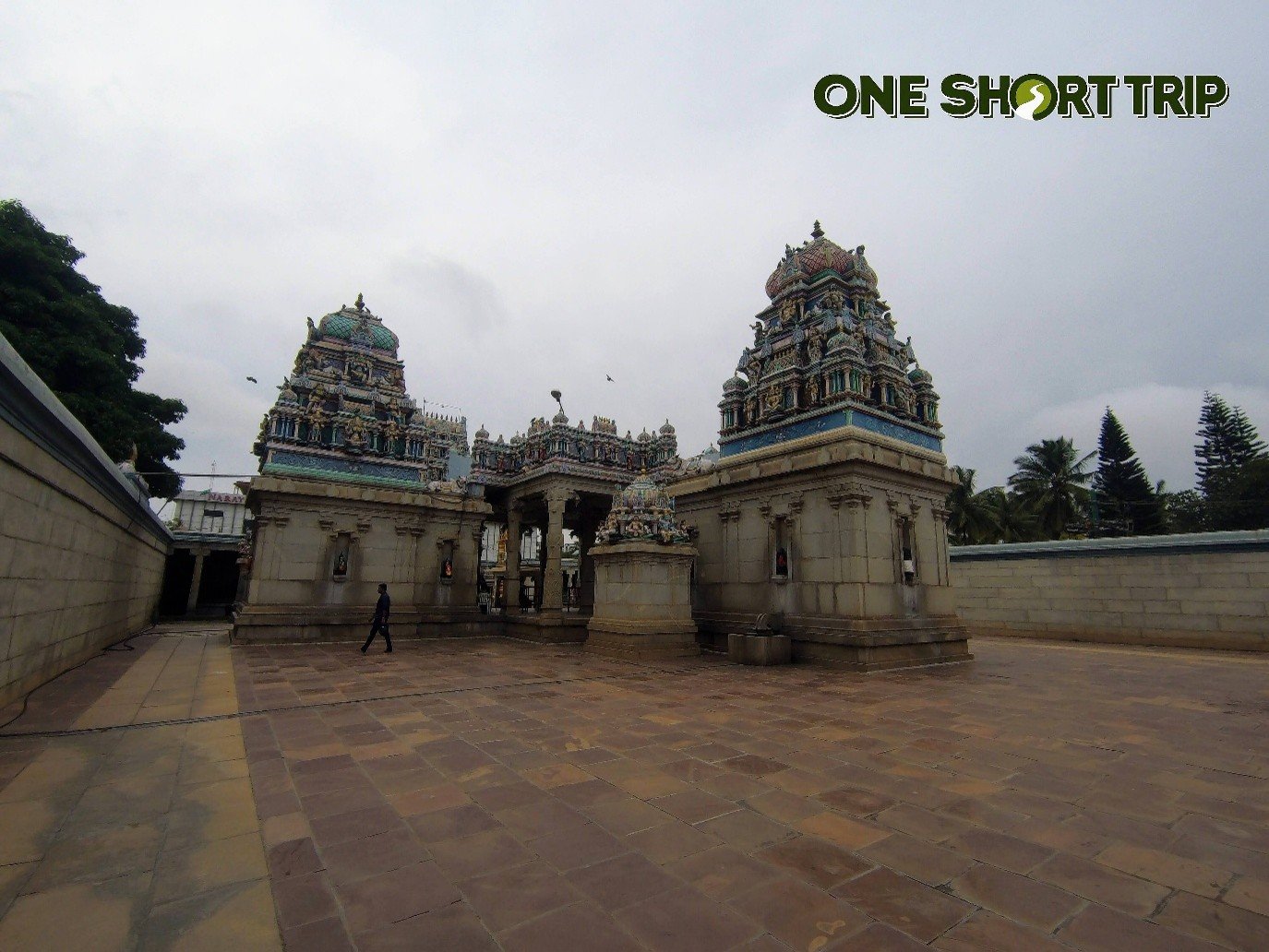
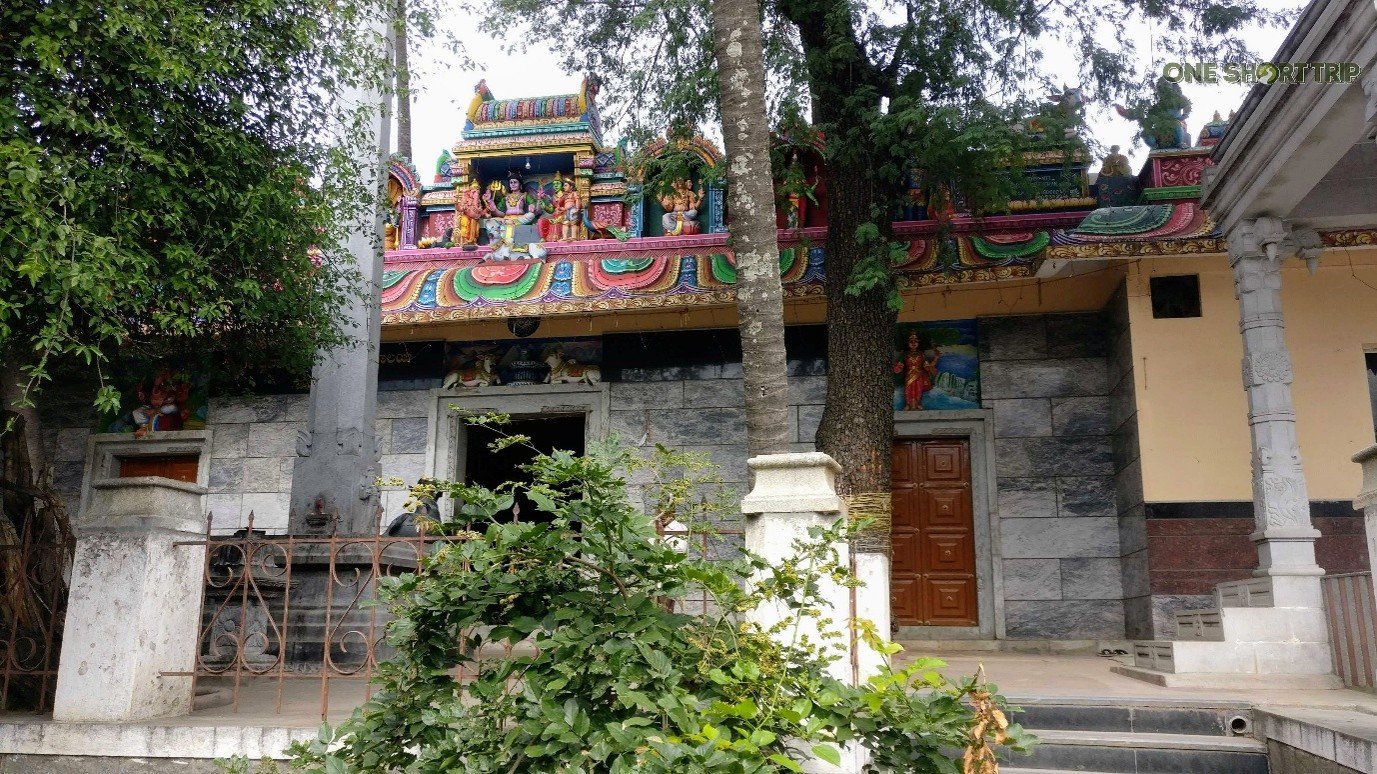
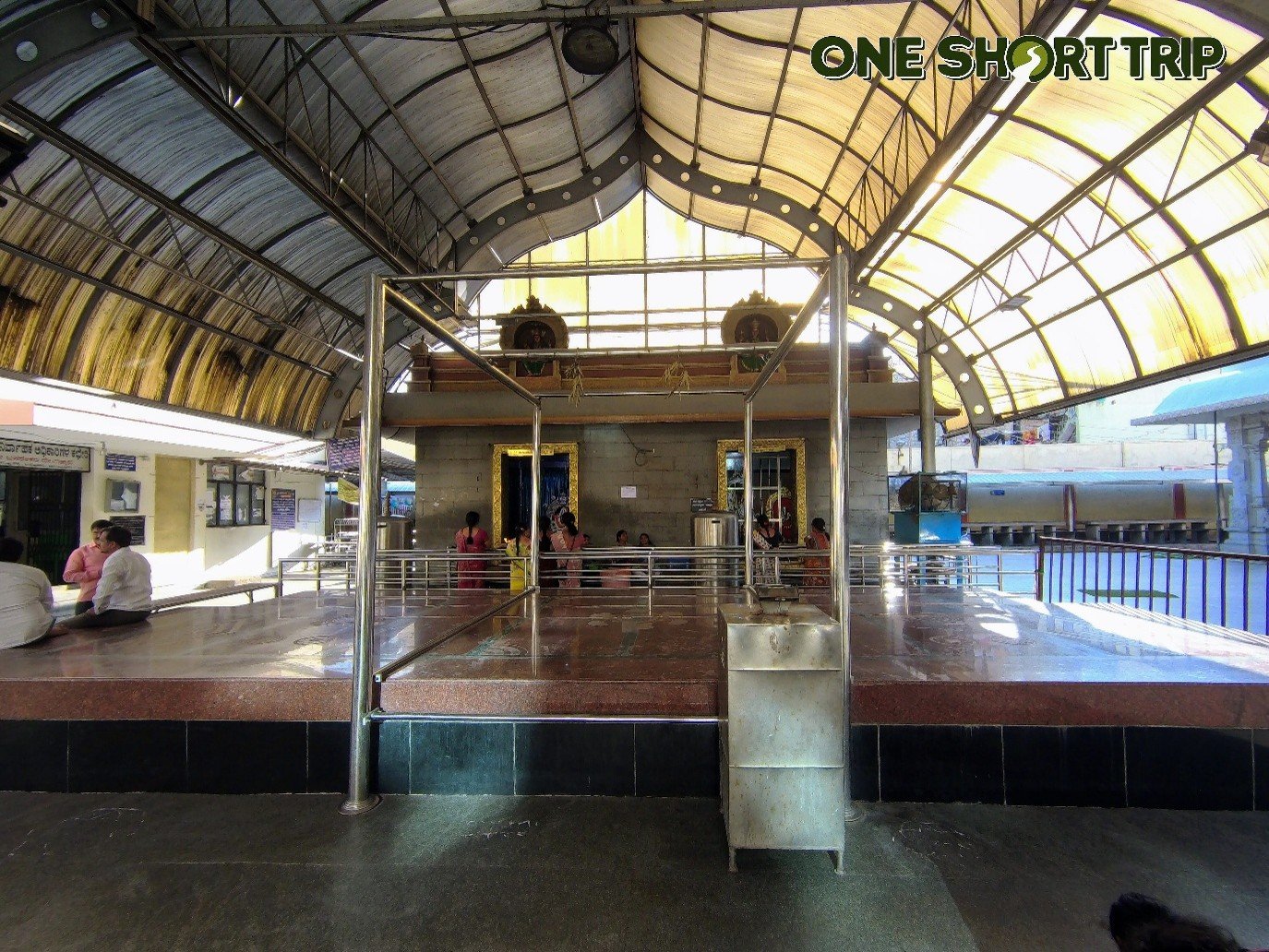
The temple combines traditional South Indian temple elements with the character of a historic Bengaluru neighbourhood shrine. Its entrance and temple structures feature traditional decorative work, while the interior contains pillars and carvings associated with Hindu religious themes.
One of the interesting features recorded in the temple's official history is the well within the temple premises. The temple tradition maintains that the well has remained a dependable source of water and that its water is used for the Goddess's abhisheka. This adds another layer of sacred significance to the temple complex.
Sri Varaprasada Anjaneyaswamy Temple
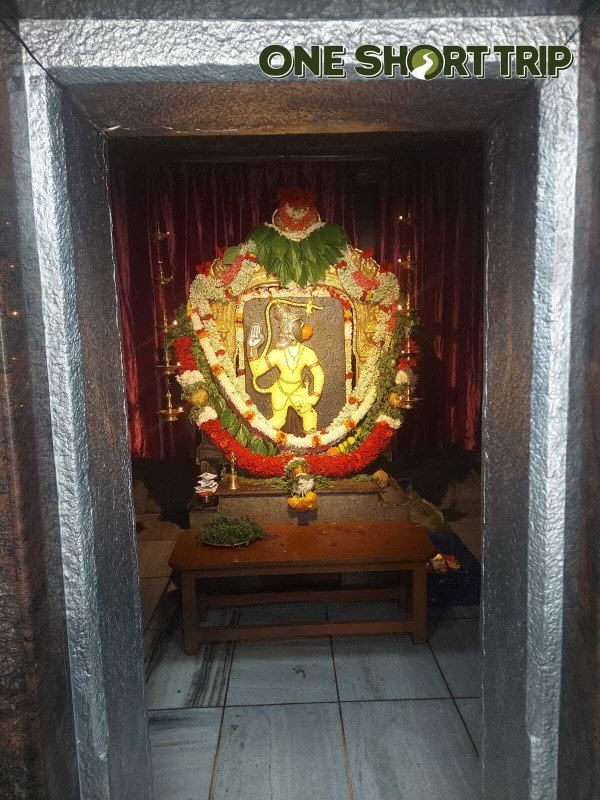
The temple complex is also associated with Sri Varaprasada Anjaneyaswamy. According to the Karnataka Government's temple history, the Anjaneya idol is regarded as swayambhu, or naturally manifested. Devotees therefore have the opportunity to offer prayers to both Banashankari Devi and Hanuman during the same visit.
This makes the temple complex particularly meaningful for devotees who prefer visiting a shrine where more than one important form of Hindu worship can be experienced within the same premises.
Darshan at Banashankari Temple
The temple is open for devotees in the morning and evening, with a break in the afternoon. The current Karnataka Government HRCE listing gives general temple hours as 6:30 AM to 1:00 PM and 4:30 PM to 8:30 PM. Special festival days and individual rituals may follow different schedules, so visitors planning a visit around a major celebration should verify the day's arrangements.
For a quieter visit, an early morning darshan is generally a good choice. Tuesdays, Fridays and important Hindu festival days can attract considerably larger crowds, particularly when special poojas or celebrations are taking place.
Special Poojas and Sevas
Banashankari Temple offers a range of religious services for devotees. These include Archana, Trishati, Sahasranama, Panchamrutha Abhisheka, special darshan, Navagraha Pooja, Durga Homa, Saptashati Parayana and different forms of alankara and festival-related worship.
Some services are available at modest fixed charges, while special rituals have separate fees. Devotees interested in performing a particular seva should check the current temple service information before visiting, as availability and timings can change during festivals.
Why Banashankari Temple Is Important to Bengaluru
The importance of Shree Banashankari Devi Temple extends beyond its religious role. The surrounding locality takes its name from the temple, making the shrine an important part of Bengaluru's urban identity as well as its spiritual landscape.
For local families, the temple is often part of everyday life rather than a once-in-a-lifetime pilgrimage destination. Devotees visit before important occasions, during festivals, for special prayers and simply to spend a few peaceful moments in the presence of the Goddess.
Banashankari Jatre and Major Celebrations
The temple becomes particularly vibrant during major religious celebrations. Banashankari Jatre, Navaratri and other auspicious occasions bring increased devotional activity, special decorations, rituals and large gatherings of devotees.
Fridays and other traditionally auspicious days associated with Devi worship can also be significantly busier than ordinary weekdays. Visitors who want to experience the temple's festive atmosphere may enjoy these occasions, while those looking for a more relaxed darshan should consider an ordinary morning.
Who Should Visit Banashankari Temple?
Shree Banashankari Devi Temple is a worthwhile stop for devotees of Goddess Shakti, families exploring Bengaluru's historic temples, visitors interested in Karnataka's religious traditions and travellers looking for authentic local experiences away from Bengaluru's major commercial attractions.
The temple is also easy to include in a South Bengaluru temple circuit. A visit can be combined with nearby attractions such as Dodda Ganapathi Temple, Bull Temple, Bugle Rock Park, Gavi Gangadhareshwara Temple and other historic sites around Basavanagudi and South Bengaluru.
Quick Information
| Location | Banashankari, Bengaluru, Karnataka |
| Main Deity | Goddess Banashankari Devi |
| Deity Tradition | Banashankari / Shakambari, a form of Goddess Parvati |
| Temple Established | 21 May 1915 |
| Morning Timings | 6:30 AM – 1:00 PM |
| Evening Timings | 4:30 PM – 8:30 PM |
| Entry | General temple entry is free |
| Best For | Devotion, family visits, temple tourism and South Bengaluru sightseeing |
Shree Banashankari Devi Temple is more than a historic shrine in Bengaluru. It is a living centre of Devi worship whose story connects the city's Banashankari neighbourhood with the older Banashankari tradition of Badami. Its history, daily rituals, associated Anjaneya shrine and continuing importance to local families make it a meaningful temple to include in any Bengaluru spiritual or heritage itinerary.
Planning Your Visit to Shree Banashankari Devi Temple, Bengaluru
Shree Banashankari Devi Temple is one of the most accessible spiritual attractions in South Bengaluru. Because the temple is located in a busy urban neighbourhood, it is easy to include in a Bengaluru temple tour, a family outing or a short spiritual visit without requiring a full-day trip.
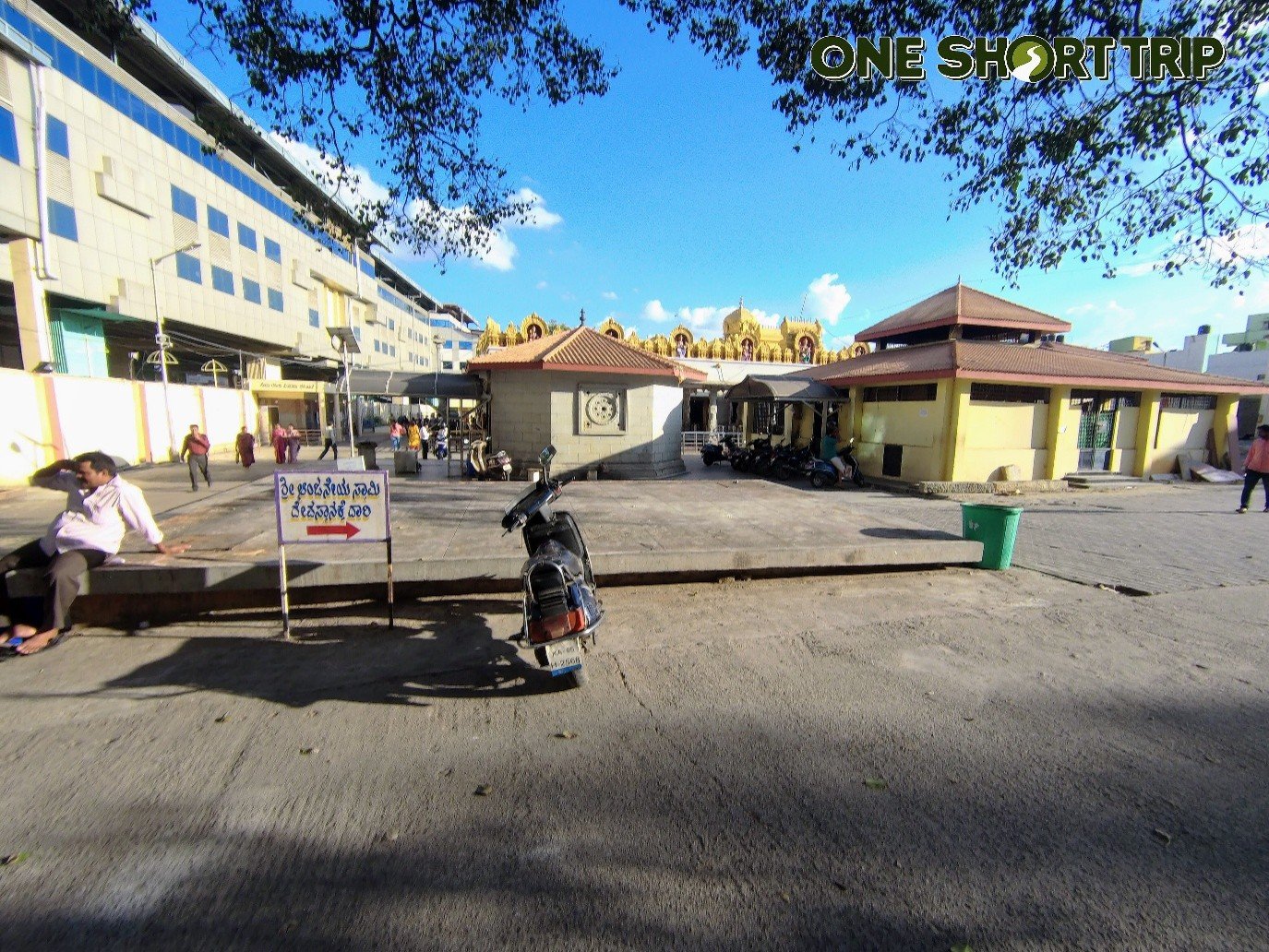
The temple is situated on S. Kariyappa Road in the Banashankari area of Bengaluru. The Karnataka Government's official temple listing currently gives the general darshan hours as 6:30 AM to 1:00 PM and 4:30 PM to 8:30 PM. Timings can change for festivals and special rituals, so it is sensible to confirm before travelling on an important occasion.


Banashankari Temple Timings
The current official Karnataka HRCE listing shows the temple's general opening hours as:
- Morning: 6:30 AM to 1:00 PM
- Evening: 4:30 PM to 8:30 PM
The temple also lists early-morning Abhisheka Pooja from 6:00 AM to 8:00 AM. Because ritual schedules and darshan arrangements can vary on special days, devotees visiting for a particular pooja should check the latest temple information before arriving.
What Is the Best Time to Visit?
For a peaceful darshan, early morning is generally the best option. The first part of the day can be particularly suitable for visitors who want to pray without spending too much time in queues.
The temple can become much busier on Tuesdays, Fridays, Sundays, weekends, Navaratri and other auspicious occasions. These days can nevertheless be an excellent time to experience the devotional atmosphere, especially if you want to see special decorations, lamps and festival rituals.
If you prefer a quieter visit, choose an ordinary weekday morning and avoid peak commuting hours around the busy Banashankari locality.
How Much Time Do You Need?
A normal darshan can usually be completed in around 30 to 60 minutes, depending on the queue and how much time you spend inside the temple complex.
If you are visiting during a festival, special pooja or particularly busy worship period, allow additional time for queues and crowd movement. Devotees performing a seva should also allow extra time according to the service schedule.
How to Reach Banashankari Temple by Metro
The Banashankari area has excellent public transport connectivity. The Banashankari Metro Station on the Green Line and the adjoining Banashankari TTMC make this one of the easier South Bengaluru temples to reach without a private vehicle.
From the metro station, visitors can continue by a short auto-rickshaw or local connection toward the temple. The exact walking distance depends on the entrance and route used, so visitors unfamiliar with the area should follow the current map directions rather than relying on an older distance estimate.
Reaching the Temple by Bus
Banashankari TTMC is a major public transport interchange in South Bengaluru. BMTC buses connect the area with several parts of the city, making the temple practical to visit from Jayanagar, JP Nagar, BTM Layout, Basavanagudi, Mysuru Road, Kanakapura Road and other surrounding neighbourhoods.
If you are travelling by bus, Banashankari TTMC is a useful landmark to use while planning the final part of your journey.
Reaching Banashankari Temple by Car or Cab
The temple is located in South Bengaluru and can be reached by major roads leading toward Banashankari and Kanakapura Road. Google Maps or another current navigation service is recommended because Bengaluru traffic can significantly change journey times.
Traffic is usually heavier during morning and evening office hours and around major temple festivals. If travelling with senior citizens or children, leaving early can make the journey considerably more comfortable.
Parking and Footwear
Parking availability around the temple can be affected by traffic, local restrictions and festival crowds. Visitors travelling by car should avoid assuming that a convenient parking space will always be available immediately outside the temple.
As with other Hindu temples, footwear should be removed before entering designated worship areas. During crowded periods, keeping footwear and personal belongings organised will make the visit easier.
Dress Code and Temple Etiquette
There is no need for elaborate traditional clothing for an ordinary visit, but visitors should choose clean, modest and respectful clothing suitable for a Hindu place of worship.
Inside the temple, maintain silence or speak softly, follow the queue, respect devotees performing prayers and avoid obstructing entrances or ritual areas. Do not touch idols, sacred objects or temple decorations unless the temple authorities specifically permit it.
Photography at the Temple
Photography rules can vary between different areas of a temple. Visitors should follow signs and instructions from temple staff and should not photograph the sanctum, rituals or devotees in a way that disturbs worship.
If photography is permitted in an exterior area, keep it discreet and avoid using flash where it may interfere with prayers or ceremonies.
Poojas and Sevas
The official temple service list includes several options for devotees. These include Archana, Trishati, Sahasranama, Lemon Garland, Panchamrutha Abhisheka, Navagraha Pooja, Durga Homa, Chandi Homa, Saptashati Parayana and various forms of alankara.
The temple also lists services such as Aksharabhyasa and Namakarana, making it possible for families to visit the temple for important religious milestones.
Some services have separate charges, and the availability of particular rituals can depend on the day. If you want to perform a specific seva, check the current official service information rather than assuming it will be available on every visit.
Rahukala Worship
Banashankari Devi worship is particularly popular among devotees who follow Rahu Kala prayers. Tuesdays, Fridays and Sundays are traditionally significant days for devotees visiting the Goddess, and the temple can become noticeably busier during associated worship periods.
If your purpose is specifically to participate in Rahukala worship, check the day's Rahukala period and temple arrangements before leaving, as the exact schedule depends on the day of the week.
Banashankari Temple for Senior Citizens
The temple can be included comfortably in a Bengaluru sightseeing plan for senior citizens, particularly when the visit is planned during a less crowded morning period.
For older visitors, it is better to avoid the busiest festival periods unless experiencing the festival is the main purpose of the visit. Carrying water, allowing sufficient time and avoiding unnecessary rushing can make the experience more comfortable.
Banashankari Temple with Children
Families with children can visit the temple, and a short darshan makes it relatively easy to include in a larger Bengaluru itinerary. During crowded festival days, keep children close and avoid standing unnecessarily in congested areas.
Teaching children simple temple etiquette before entering—removing footwear, speaking softly, following the queue and respecting worshippers—can make the visit more meaningful.
Nearby Temples and Places to Visit
One of the biggest advantages of visiting Banashankari Temple is its location in South Bengaluru, where several important temples and heritage attractions can be combined into a single day.
- Dodda Ganapathi Temple, Basavanagudi – one of Bengaluru's most popular Ganesha temples.
- Shri Gavi Gangadhareshwara Swamy Temple – a historic cave temple known for its distinctive rock-cut setting and annual sunlight phenomenon.
- Basavanagudi and Bull Temple – an important historic temple area of Bengaluru.
- Bugle Rock Park – a natural rock formation and green space in Basavanagudi.
- Tipu Sultan's Summer Palace – a major historical attraction that can be combined with a South Bengaluru heritage circuit.
- Bengaluru Fort – an important historical landmark close to the old city area.
Suggested South Bengaluru Temple Circuit
If you have several hours available, Banashankari Temple can be combined with other major temples in a practical South Bengaluru circuit. A possible route is Banashankari Devi Temple → Dodda Ganapathi Temple → Bull Temple → Bugle Rock → Gavi Gangadhareshwara Temple.
Those interested in Bengaluru's history can extend the route toward Bengaluru Fort and Tipu Sultan's Summer Palace. The exact order should be adjusted according to traffic, temple timings and the time available.
How to Plan a One-Hour Visit
For a simple temple visit, arrive during the morning opening hours, remove footwear, proceed for darshan, spend a few quiet moments in the temple and visit the associated Anjaneya shrine before leaving.
This approach works particularly well for travellers who are including Banashankari Temple between other Bengaluru sightseeing stops rather than planning an entire day around the shrine.
How to Plan a Longer Visit
If you have half a day, combine the temple with the historic Basavanagudi area. This allows you to experience Bengaluru's traditional neighbourhoods, temples, parks and heritage buildings rather than visiting the temple in isolation.
For a full-day South Bengaluru experience, add the Bull Temple, Dodda Ganapathi Temple, Gavi Gangadhareshwara Temple, Bugle Rock, Bengaluru Fort and Tipu Sultan's Summer Palace, while keeping sufficient time for traffic and individual temple timings.
Important Tips Before Visiting
- Check the latest temple timings before travelling, particularly on festival days.
- Early morning is a good choice if you prefer a calmer darshan.
- Expect larger crowds on traditionally auspicious days and during major festivals.
- Wear comfortable and modest clothing.
- Carry only essential belongings inside the temple.
- Follow the queue and instructions given by temple staff.
- Remove footwear before entering designated temple areas.
- Do not photograph restricted areas or disturb ongoing rituals.
- If you want a particular seva, confirm its current availability and timing in advance.
- Allow extra travel time because traffic in South Bengaluru can be unpredictable.
Best Experience at Banashankari Temple
The best way to experience Shree Banashankari Devi Temple is not simply to arrive, take a photograph and leave. Spend a few quiet minutes observing the devotional atmosphere, understand the connection between Banashankari worship in Bengaluru and the older Badami tradition, and take time to offer prayers to both Banashankari Devi and Sri Varaprasada Anjaneyaswamy.
Whether you are a devotee, a family visiting Bengaluru or a traveller interested in Karnataka's temples, the shrine offers a genuine glimpse into the religious life of South Bengaluru. Its convenient location also makes it one of the easiest temples to combine with a wider cultural and heritage itinerary.
Banashankari Temple at a Glance
Location: S. Kariyappa Road, Banashankari, Bengaluru
Deity: Goddess Banashankari Devi
Morning: 6:30 AM – 1:00 PM
Evening: 4:30 PM – 8:30 PM
Recommended visit: 30–60 minutes for ordinary darshan
Ideal combination: Banashankari, Basavanagudi and South Bengaluru temple circuit
Shree Banashankari Devi Temple is an ideal stop for anyone exploring Bengaluru's spiritual and cultural side. With its historic connection to the Banashankari tradition, active daily worship, associated Anjaneya shrine and convenient South Bengaluru location, it can easily be included in both a short temple visit and a larger Bengaluru sightseeing itinerary.