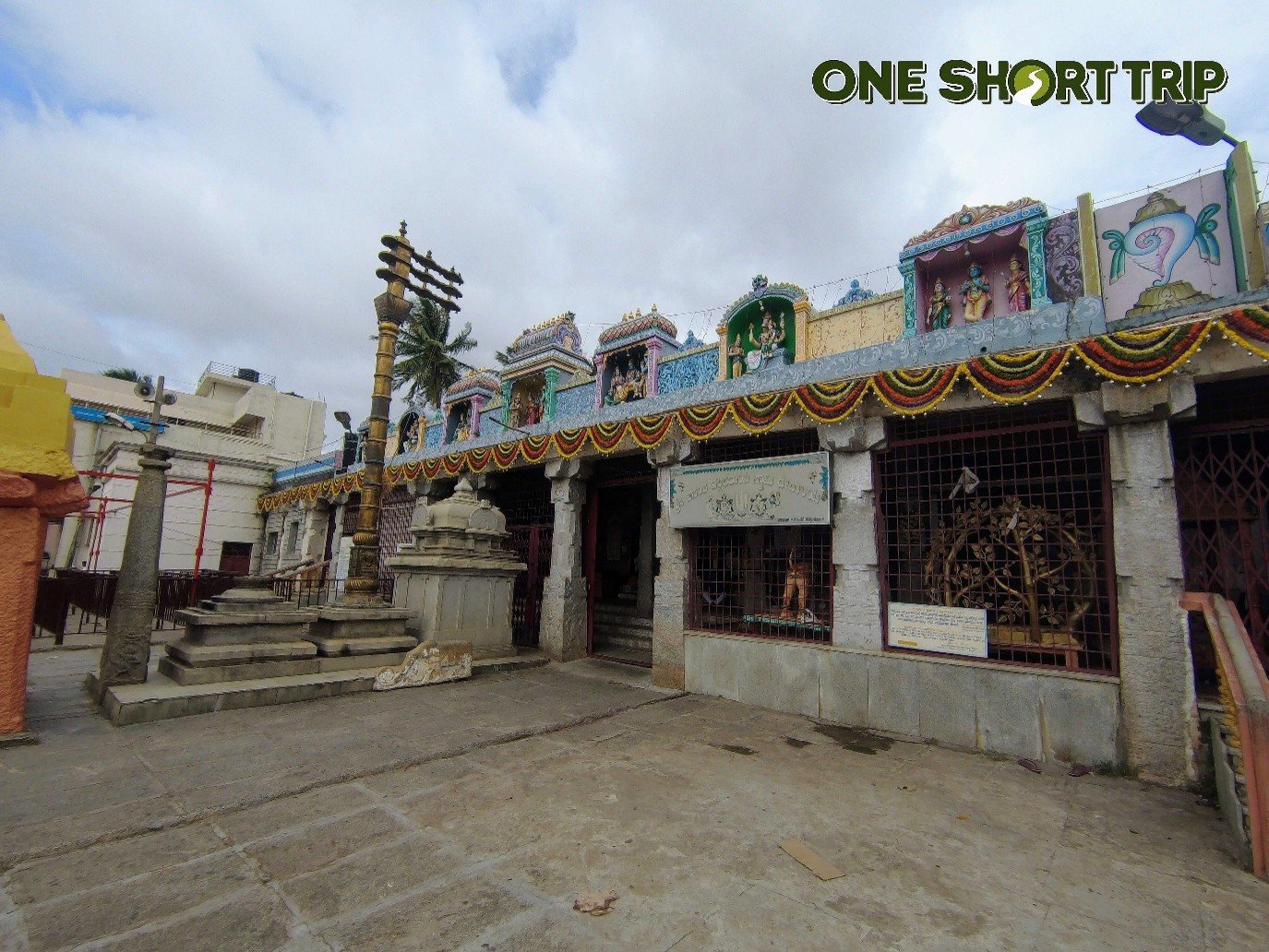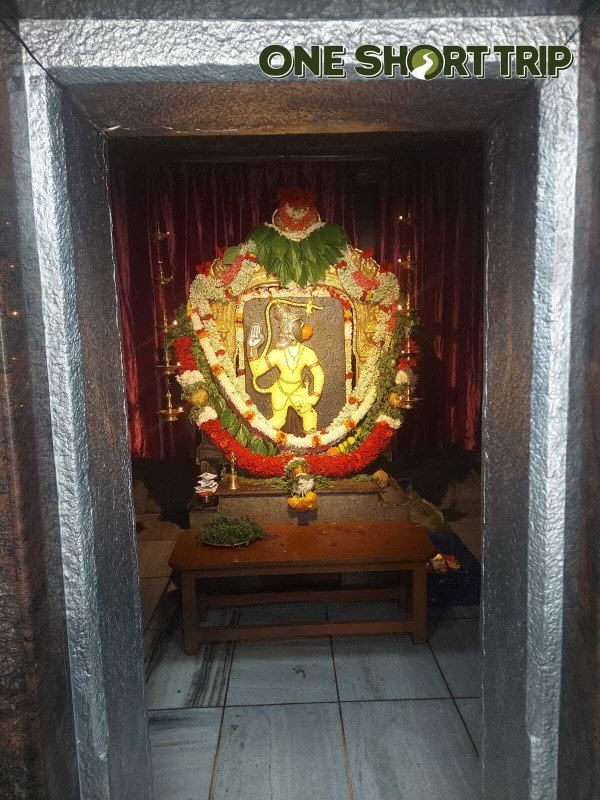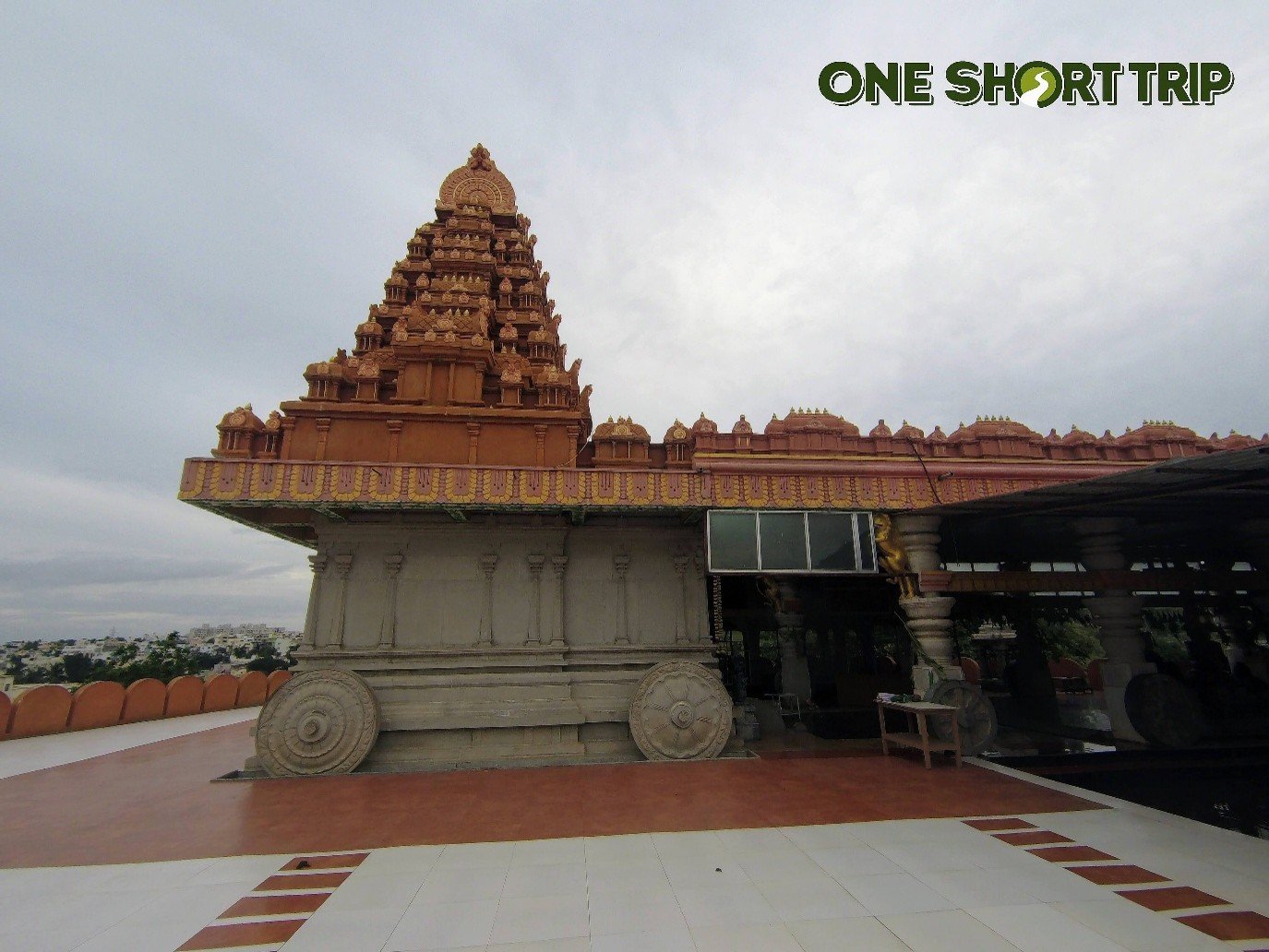
Sri Bhavani Shankara Temple, Vasanthapura, Bengaluru
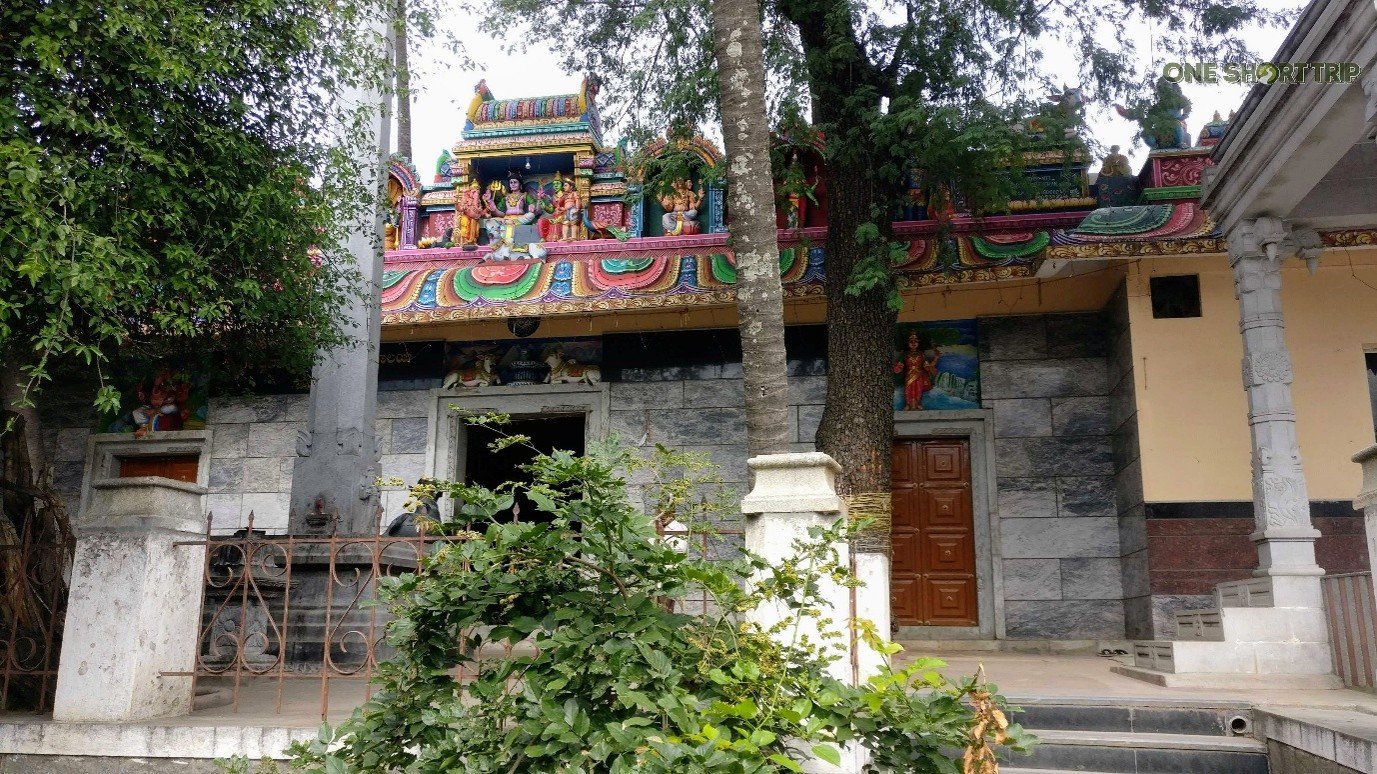


Tucked into the historic temple landscape of Vasanthapura in south Bengaluru, Sri Bhavani Shankara Temple is a smaller and considerably less-known shrine compared with the better-known Vasantha Vallabharayaswamy Temple nearby. The shrine is dedicated to the divine pair of Bhavani and Shankara — Parvati and Shiva — and forms part of a wider sacred setting that has long attracted devotees.
What makes this temple particularly interesting is not simply its present-day role as a neighbourhood shrine, but its place in the older religious landscape of Vasanthapura. Historical accounts of Bengaluru's early temple heritage associate the Bhavani Shankara temple with the Maratha period and with the tradition surrounding Samartha Ramdas, the spiritual teacher associated with Shivaji. This historical association gives the shrine a very different story from the much older Chola-era traditions connected with the neighbouring Vasantha Vallabharayaswamy temple.
Bhavani and Shankara — the meaning of the shrine
The name itself describes the temple's spiritual focus. Bhavani is a revered name of Goddess Parvati, while Shankara is one of the names of Lord Shiva. Together, they represent the inseparable relationship of Shakti and Shiva. For devotees, a shrine dedicated to both therefore carries a sense of completeness rather than focusing on Shiva alone.


A shrine within Vasanthapura's older sacred landscape
The Bhavani Shankara shrine is best understood as one element of a larger temple environment rather than as an isolated monument. Vasanthapura has traditionally been regarded as a sacred settlement, and the principal Vasantha Vallabharayaswamy temple stands on the same historic landscape. Accounts of the area also record other shrines, including Hanuman and village-deity worship, creating a compact cluster where different strands of Hindu devotional practice coexist.
This makes the temple particularly rewarding for travellers interested in Bengaluru's lesser-known heritage temples. Unlike the city's large modern temple complexes, the experience here is quieter and more local. The importance of the place comes from its continuing religious use, its connection with Vasanthapura's older sacred geography, and the historical traditions attached to the shrine.
The Maratha connection
One of the most intriguing historical traditions surrounding the shrine connects it with Samartha Ramdas. Bengaluru's historical studies record that the Bhavani Shankara temple at Vasanthapura is traditionally said to have been constructed by Ramdas during the period associated with Shivaji's Vellore campaign. This should be understood as a historical tradition rather than an independently established construction date, but it is an important part of the shrine's local story.
The association is especially interesting because Bengaluru experienced a significant period of Maratha political presence during the seventeenth century. The city's historical record notes a Maratha occupation from 1638 to 1687, during which Bengaluru developed strong connections with Maratha administrators, military figures and religious traditions. The Bhavani Shankara shrine forms a small but meaningful part of that wider historical layer.
A living temple rather than a monument frozen in time
For visitors, the most important distinction is that Sri Bhavani Shankara Temple is a living place of worship. Its value is not limited to architectural age. Devotees continue to visit the shrine for prayer and worship, while the surrounding temple environment remains part of everyday religious life in Vasanthapura.
If you are exploring Bengaluru's temple heritage, this shrine is best visited together with the neighbouring Vasantha Vallabharayaswamy Temple. The two temples allow visitors to see how different historical traditions — Vaishnava, Shaiva and local devotional practices — became woven into the religious landscape of the same neighbourhood.


Planning Your Visit to Sri Bhavani Shankara Temple
Sri Bhavani Shankara Temple is best experienced as part of a slow visit to the Vasanthapura temple neighbourhood rather than as a standalone sightseeing stop. The shrine sits beside the much older Vasantha Vallabharayaswamy Temple, allowing visitors to explore two different layers of Bengaluru's religious history within a short distance.
The temple is relatively modest in scale, which is part of its charm. Instead of expecting a large tourist complex, visitors should come for the atmosphere, the living tradition of worship and the opportunity to see a lesser-known temple associated with Bengaluru's Maratha-era history.
What to look for inside the shrine
The shrine's intimate character becomes apparent once you move beyond the entrance. Historical descriptions of the temple record a granite-pillared arrangement around the sanctum, with Bhavani Shankara as the central focus. A Maha Ganapati shrine and the image worshipped as Prasanna Parvati are also associated with the interior arrangement.
The temple's appeal is therefore less about monumental scale and more about the relationship between the deity, the old stone structure and the continuing devotional activity. Visitors interested in heritage should take time to observe the pillars, shrine arrangement and surviving character of the building rather than treating the visit as a quick photograph stop.


A rare Maratha-era layer of Bengaluru
The temple becomes particularly interesting when placed on a map of old Bengaluru. The city experienced an important period of Maratha political influence between 1638 and 1687. The Bhavani Shankara shrine is traditionally linked to this period, and local historical accounts attribute its establishment to Samarth Ramdas, the saint traditionally regarded as the guru of Shivaji.
That attribution should be presented as a local historical tradition rather than as an archaeologically proven construction record. What is more important for a visitor is that the shrine preserves a tangible reminder of the Maratha cultural presence that once formed part of Bengaluru's history.
Bhavani worship and the Maratha tradition
The name Bhavani has a particularly strong association with the Maratha religious tradition. Historical accounts of the Vasanthapura shrine say that the temple was originally associated with Amba Bhavani, while the goddess is now worshipped here as Prasanna Parvati. This provides an interesting connection between the temple's present Shaiva worship and the older Bhavani tradition associated with the Marathas.
For travellers interested in history, this is one of the reasons the temple deserves attention: it is not simply another Shiva temple in Bengaluru, but a small surviving link between the city's local sacred geography and a wider seventeenth-century Deccan religious culture.
Music and devotional traditions
The temple also has a cultural connection with Carnatic music. Historical accounts of the shrine describe a separate corner dedicated to the saint-composers Purandara Dasa and Tyagaraja. The temple has traditionally hosted a multi-day Thyagaraja Aradhana during Pushya Bahula Panchami, including Carnatic music performances and singing of the Pancharatna Kritis.
Because such programmes can change from year to year, visitors planning specifically around a musical or religious event should verify the current schedule locally rather than relying on an old festival calendar.
Temple timings and darshan
A dependable current official timetable specifically for the Bhavani Shankara shrine is not readily published online. Older local descriptions have recorded morning and evening worship periods, but these should not be treated as guaranteed present-day timings.
If you are planning a dedicated visit, especially on a weekday, confirm the temple's opening and darshan schedule locally before setting out. Festival days and special pujas may also alter the normal routine.
How to reach Sri Bhavani Shankara Temple
The temple is in Vasanthapura, Bengaluru, in the southern part of the city. It is easiest to reach by road using Kanakapura Road and the surrounding Vasanthapura–Subramanyapura neighbourhood roads. Autos, taxis and private vehicles are practical options.
Public transport is also available through BMTC services operating towards Vasanthapura and nearby areas. The exact best bus or metro combination depends on your starting point, so navigation apps are useful for checking the current route on the day of travel.
How long should you spend here?
Allow approximately 30–45 minutes for the Bhavani Shankara Temple itself. If you are interested in Bengaluru's heritage, allow considerably longer for the surrounding Vasanthapura temple cluster.
A more rewarding visit includes the neighbouring Vasantha Vallabharayaswamy Temple, its historic sacred landscape and the surviving temple-tank heritage of Vasanthapura. The result is a much richer experience than visiting the Bhavani Shankara shrine alone.
Best time to visit
Early morning and evening are generally the most comfortable times to visit a Bengaluru temple. They also provide a more peaceful atmosphere for prayer and exploration. If you are visiting during a festival or special religious programme, expect more devotees and a less leisurely experience.
Dress code and temple etiquette
Wear modest clothing suitable for a Hindu place of worship. Remove footwear wherever required and follow instructions from the temple authorities. During puja, avoid obstructing devotees or standing in front of the sanctum for extended periods.
Photography should be approached respectfully. If photography is restricted in the sanctum or during rituals, follow the temple's instructions. Avoid photographing devotees closely without permission.
Is it suitable for families and senior citizens?
Yes. The temple is suitable for a short family heritage visit and does not require trekking or strenuous walking. Senior citizens can combine the shrine with the nearby Vasantha Vallabharayaswamy Temple, although uneven stone surfaces and steps may require some care.
A better way to explore Vasanthapura
Rather than treating Sri Bhavani Shankara Temple as a standalone attraction, consider it the Shaiva and Maratha-era chapter of a wider Vasanthapura heritage walk. Begin with Vasantha Vallabharayaswamy Temple, explore the surrounding sacred landscape, visit Bhavani Shankara Temple and then look at the surviving water heritage of the area.
This compact circuit reveals something easily missed about Bengaluru: beneath the modern residential city are older layers of Chola, Vaishnava, Shaiva, Maratha and local village traditions. Sri Bhavani Shankara Temple is one of the quieter places where those layers can still be experienced.