
Shree Meenakshi Sundareshwara Temple, Bengaluru
Shree Meenakshi Sundareshwara Temple is a prominent Hindu temple in Bengaluru dedicated to Goddess Meenakshi and Lord Sundareshwara, a form of Lord Shiva. Located on Bannerghatta Main Road in the Kalena Agrahara area, the temple is known for its traditional South Indian temple architecture, colourful sculptures, spacious surroundings and peaceful devotional atmosphere.
The temple is particularly interesting for devotees and travellers who want to experience the story and worship of Meenakshi and Sundareshwara without travelling all the way to Madurai. It is also conveniently located on the Bannerghatta Road corridor, making it an easy spiritual stop when exploring the southern part of Bengaluru or travelling towards Bannerghatta National Park.
Why Is Meenakshi Sundareshwara Temple Famous in Bengaluru?
The temple is best known for its dedication to Goddess Meenakshi and Lord Sundareshwara, representing the divine relationship between Goddess Parvati and Lord Shiva. The temple's design, sculptures and collection of shrines give visitors an opportunity to experience elements of the traditional Tamil Nadu temple style within Bengaluru.
Visitors are drawn to the temple for several reasons: its prominent gopuram, detailed religious sculptures, spacious temple complex, multiple shrines and calm atmosphere. It has also become a popular stop for families, devotees and travellers exploring Bannerghatta Road.
The Story of Goddess Meenakshi and Lord Sundareshwara
The spiritual identity of the temple is closely connected with the famous story of Goddess Meenakshi and Lord Sundareshwara. In the traditional legend, Meenakshi is regarded as a manifestation of Goddess Parvati, while Sundareshwara is Lord Shiva. Their divine marriage is one of the central stories associated with the Meenakshi tradition.
The story is especially important because it combines devotion, marriage, divine grace and the union of Shakti and Shiva. For devotees visiting the Bengaluru temple, the shrines of Meenakshi and Sundareshwara provide a place to worship this divine couple and reflect on the spiritual significance behind their relationship.
Architecture of Meenakshi Sundareshwara Temple
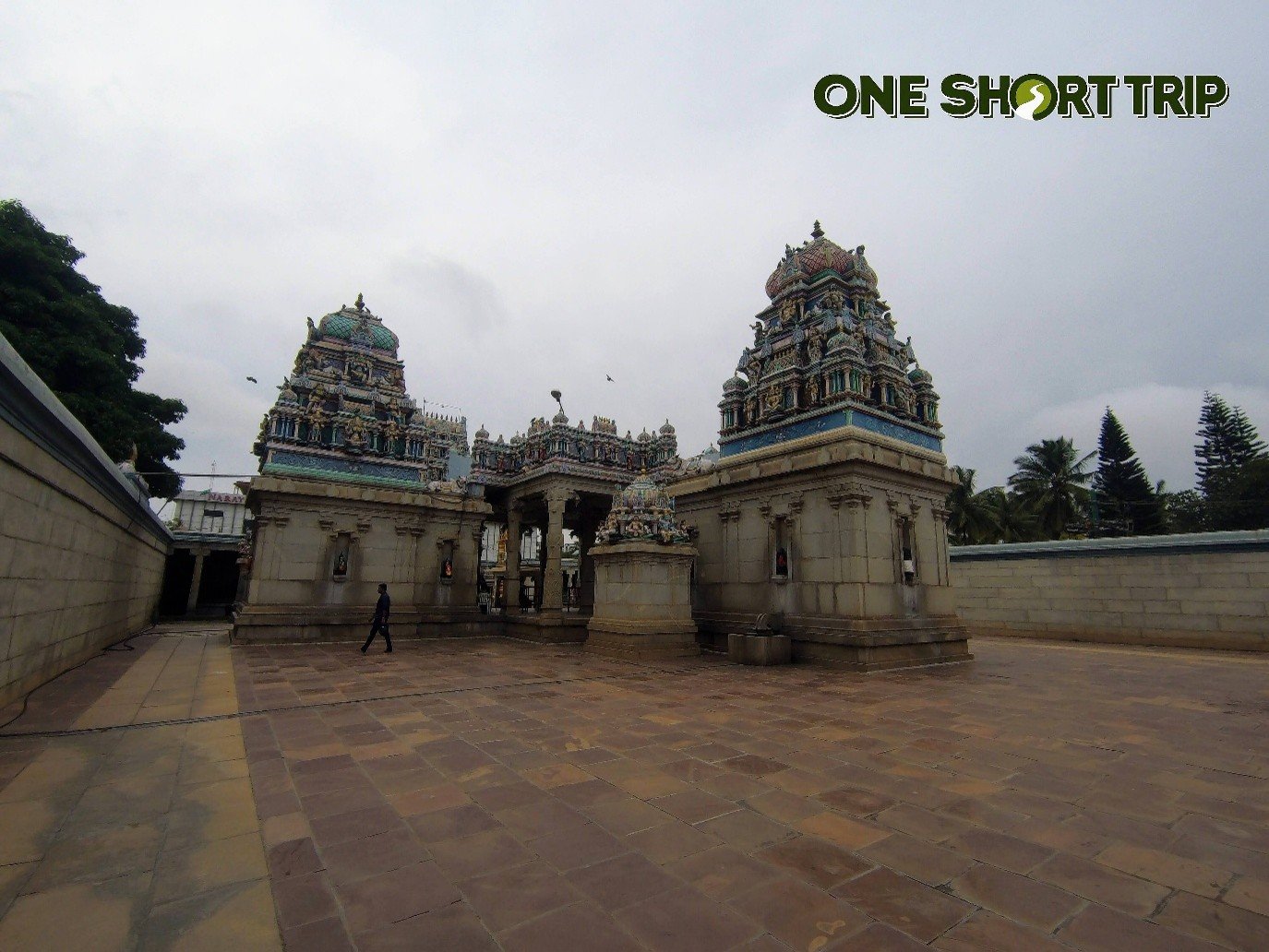
One of the first things visitors notice is the temple's traditional South Indian architectural character. The entrance gopuram is decorated with numerous sculptures and religious figures, creating a colourful and detailed façade that immediately identifies the temple as a South Indian Hindu shrine.
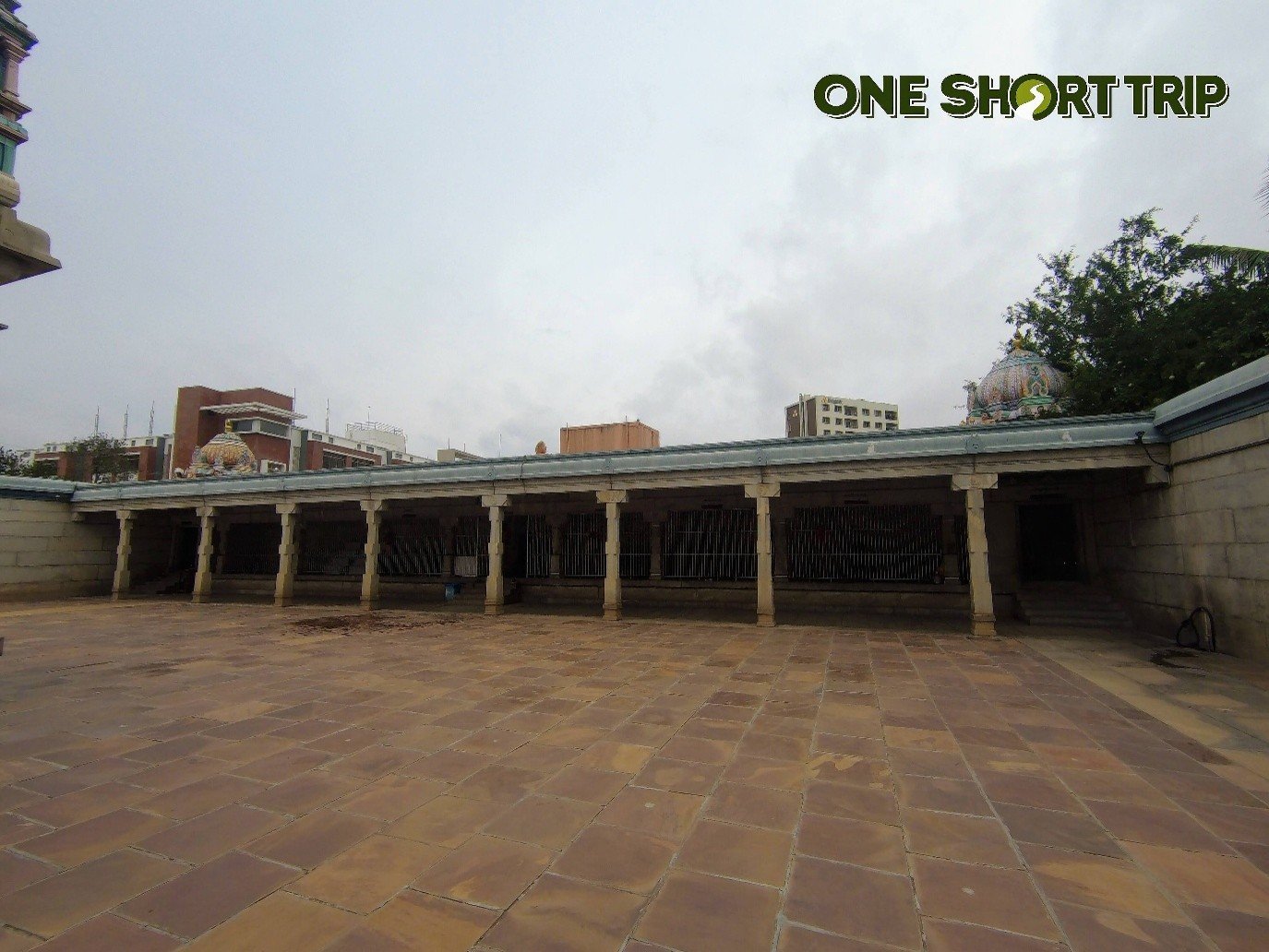
Inside the complex, the architectural details continue through the halls, shrines, pillars and sculptural elements. The temple provides a good example of how familiar Dravidian-style visual elements have been incorporated into a modern Bengaluru place of worship.
The Gopuram
The temple gopuram is one of its most recognisable features. Covered with sculptural representations of Hindu deities and mythological figures, it creates an impressive entrance for devotees arriving from Bannerghatta Main Road.
For visitors interested in temple architecture and photography from permitted areas, the gopuram is one of the first details worth observing before entering the main worship areas.
Main Deities of the Temple
The principal worship at the temple is centred on Goddess Meenakshi and Lord Sundareshwara. The two have separate sanctum areas, allowing devotees to offer prayers to both deities during their visit.
Lord Sundareshwara represents Lord Shiva, while Goddess Meenakshi represents Goddess Parvati. Together, they form the spiritual heart of the temple and give the shrine its distinctive identity.
Other Shrines Inside the Temple Complex
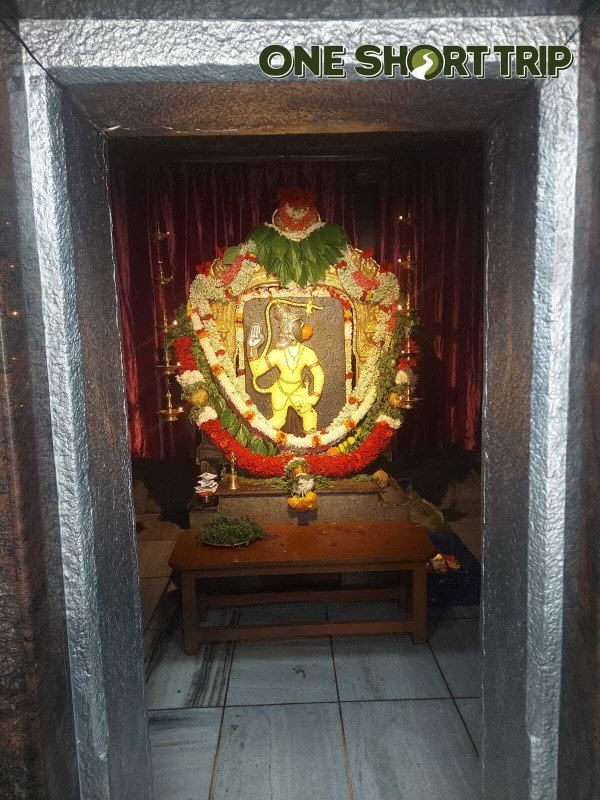
The temple complex also includes several other Hindu deities and sacred spaces. Depending on the area open to visitors, devotees may encounter shrines dedicated to deities such as Lord Ganesha, Lord Subramanya, Lord Ayyappa, Lord Hanuman, Lord Venkateshwara and other forms of Hindu worship.
A dedicated Navagraha shrine is also among the features associated with the temple. This makes the visit more than simply a darshan of the principal deities and allows devotees to offer prayers at several important shrines within the same complex.
Navagraha Shrine
The Navagraha section is an interesting feature for devotees who follow traditional Hindu practices associated with the nine planetary deities. The arrangement of the Navagrahas provides another distinctive element within the temple complex and is often included by visitors as part of their prayer visit.
Why Visit Meenakshi Sundareshwara Temple in Bengaluru?
For people living in or visiting Bengaluru, this temple offers a convenient opportunity to experience a traditional South Indian devotional setting without travelling outside the city. Its location on Bannerghatta Main Road also makes it practical to combine with other attractions in South Bengaluru.
- To seek darshan of Goddess Meenakshi and Lord Sundareshwara
- To admire traditional South Indian temple architecture
- To see the detailed gopuram sculptures
- To visit multiple Hindu shrines within one temple complex
- To spend some quiet time away from the city's busy surroundings
- To combine a temple visit with a Bannerghatta-area sightseeing trip
A Peaceful Temple in Busy South Bengaluru
Although the temple is situated along the busy Bannerghatta Main Road, visitors often describe the temple complex itself as spacious and peaceful. This contrast between a busy urban road and a devotional temple environment is one of the reasons the temple remains a popular place for local devotees and families.
The temple is also accessible from the surrounding residential neighbourhoods of Kalena Agrahara and Hulimavu, making it a convenient place for regular worship as well as occasional sightseeing.
Meenakshi Sundareshwara Temple and Bannerghatta Road
The temple's location makes it particularly useful for travellers exploring the southern side of Bengaluru. It stands on Bannerghatta Main Road in Kalena Agrahara, near the Royal Meenakshi Mall area.
Because of this location, the temple can be considered as part of a broader South Bengaluru sightseeing route, particularly for visitors heading towards Bannerghatta National Park or exploring attractions around Bannerghatta Road.
Who Should Visit This Temple?
Shree Meenakshi Sundareshwara Temple is suitable for devotees, families, senior citizens and travellers interested in South Indian temple architecture. It can also be a meaningful stop for people who know the Meenakshi-Sundareshwara tradition from Madurai and want to experience a similar devotional theme in Bengaluru.
Families may find the spacious temple environment convenient, while architecture and culture enthusiasts can spend additional time observing the sculptures, gopuram and individual shrines.
What Makes This Temple Different?
The biggest attraction is the combination of Meenakshi-Sundareshwara worship, traditional South Indian architectural elements and a convenient Bengaluru location. Rather than being only a small neighbourhood shrine, the temple has a substantial complex with multiple deities and distinctive sculptural details.
Its connection with the well-known Meenakshi-Sundareshwara tradition also gives it a special place among Bengaluru's temples. For anyone interested in the religious and cultural landscape of the city, it is a worthwhile temple to include in a South Bengaluru itinerary.


Shree Meenakshi Sundareshwara Temple Bengaluru – Visitor Information
Shree Meenakshi Sundareshwara Temple is located on Bannerghatta Main Road in Kalena Agrahara, Bengaluru. Its prominent location makes it relatively easy to include in a South Bengaluru sightseeing plan, especially for travellers heading towards Bannerghatta and nearby attractions.
The temple is a place of worship first and a sightseeing attraction second. Visitors should therefore plan their visit respectfully, keeping the atmosphere of the temple and the ongoing rituals in mind.
Quick Information
| Temple | Shree Meenakshi Sundareshwara Temple |
| Location | Near Mahal 654, Bannerghatta Road, Classic Orchards Layout, Kalena Agrahara, Bengaluru, Karnataka 560076 |
| Main Deities | Goddess Meenakshi and Lord Sundareshwara |
| Tradition | Hindu temple with strong South Indian architectural and devotional traditions |
| Temple Type | Urban Hindu temple and place of worship |
| Recommended Visit | About 45 minutes to 1.5 hours, depending on darshan and crowd levels |
| Best For | Devotees, families, temple enthusiasts, architecture lovers and South Bengaluru sightseeing |
Meenakshi Sundareshwara Temple Timings
The temple is generally visited during separate morning and evening darshan periods. Commonly published schedules list morning hours around 6:30 AM to 12:30 PM and evening hours around 4:00 PM to 8:30 PM, with some days having slightly different closing and reopening times.
Because temple timings can change for festivals, special pujas, religious ceremonies and other occasions, it is advisable to confirm the day's schedule before travelling, particularly if your itinerary depends on reaching at a specific time.
Best Time to Visit Meenakshi Sundareshwara Temple
The temple can be visited throughout the year. For a peaceful temple experience, early morning is usually a good choice because Bengaluru's roads are generally less congested and the temple environment can be calmer.
Evening is another suitable option for travellers who are exploring South Bengaluru during the day. However, traffic on Bannerghatta Road can become heavy, so allow additional travel time if you are visiting during peak hours.
For Devotees
Morning darshan can be particularly suitable for devotees who prefer to begin the day with prayers. Those planning special worship should check the temple's current schedule before arriving.
For Sightseeing
If you are combining the temple with other attractions, an early visit can help you avoid spending too much time in traffic later in the day.
How to Reach Meenakshi Sundareshwara Temple Bengaluru
By Road
The temple is situated directly on Bannerghatta Road, one of the important roads connecting central and southern parts of Bengaluru. This is the most convenient way to reach the temple by car, taxi, auto-rickshaw or private vehicle. The listed address is near Mahal 654 in the Classic Orchards Layout area of Kalena Agrahara.
By Bus
BMTC buses operating along the Bannerghatta Road corridor make the area accessible by public transport. Travellers should use a current navigation or BMTC route service to identify the most convenient stop from their starting point, as bus routes and stops can change.
By Metro and Road Transport
For travellers using Bengaluru's expanding metro network, the practical approach may involve combining the metro with a cab or auto for the final stretch, depending on the operating metro corridor and your starting location. Check the current metro route before travelling because connectivity on Bannerghatta Road continues to evolve.
By Cab or Taxi
Ride-hailing services are a convenient option, particularly for families and senior citizens. The temple's location on a major road makes it relatively straightforward to locate using the full address.
How Much Time Do You Need at the Temple?
A typical visit can take around 45 minutes to 1.5 hours. The actual time depends on the queue for darshan, the number of shrines you visit, ongoing rituals and how much time you spend observing the architecture.
If you are visiting mainly for darshan, you may need considerably less time on a quiet day. Visitors interested in the gopuram, sculptures, shrines and architectural details may prefer to keep more time available.
What to See Inside the Temple
Do not rush directly to the main sanctum. The temple has several architectural and devotional details worth noticing during your visit.
- The large entrance gopuram and its sculptural decorations
- Dwajasthambam and Nandi near the Shiva shrine
- The separate sanctum areas of Meenakshi and Sundareshwara
- Carvings and religious artwork in the temple halls
- Shrines dedicated to other Hindu deities
- The Navagraha shrine
- Decorative details on the temple walls and smaller vimanas
The combination of the gopuram, sculptures, flagstaff, Nandi and multiple shrines gives the temple a distinctly South Indian visual character.
Temple Etiquette and Dress Code
Visitors should dress modestly and appropriately for a Hindu place of worship. Traditional Indian clothing is welcome, but it is not necessary for ordinary darshan as long as the clothing is respectful.
- Dress modestly and comfortably.
- Follow instructions regarding footwear before entering restricted areas.
- Maintain silence or speak softly inside the temple.
- Do not interrupt devotees during prayers or rituals.
- Follow the temple's instructions regarding photography.
- Keep the premises clean.
- Supervise children around steps, crowds and ritual areas.
Photography at Meenakshi Sundareshwara Temple
The temple's exterior architecture and gopuram can be attractive subjects for photography, but visitors should always follow the temple's current rules. Photography may be restricted in sanctum areas or during certain rituals.
If you are carrying a professional camera or planning extensive photography, it is better to check with temple staff before taking photographs inside the complex.
Visiting with Children
The temple can be included in a family sightseeing plan, particularly for children who are interested in Hindu temples, colourful sculptures and traditional architecture. Parents should explain basic temple etiquette before entering and keep children close during busy periods.
The visit can also be a simple way to introduce children to the stories of Goddess Meenakshi and Lord Shiva and the symbolism found in South Indian temple architecture.
Visiting with Senior Citizens
Senior citizens can visit the temple comfortably when the crowd is manageable. An early morning visit can be preferable because Bengaluru's weather and road traffic may become more challenging later in the day.
If anyone in your group has difficulty standing for long periods, plan around quieter hours and allow enough time for a relaxed visit rather than trying to combine too many attractions into one short window.
Nearby Places to Visit
The temple's Bannerghatta Road location makes it possible to combine the visit with several attractions in South Bengaluru. The exact order depends on opening hours, traffic and how much time you have available.
Bannerghatta National Park
Bannerghatta National Park is one of the best-known attractions in this part of Bengaluru. The temple can be considered as an additional spiritual stop when planning a Bannerghatta outing.
Royal Meenakshi Mall
Royal Meenakshi Mall is located opposite the temple area and can be convenient for refreshments, shopping or a break before continuing your journey. The temple's location opposite the mall is also a useful landmark when navigating Bannerghatta Road.
Other South Bengaluru Temples
Travellers interested in temple tourism can create a broader South Bengaluru temple route by combining this temple with other important shrines in the southern part of the city.
Suggested South Bengaluru Temple and Sightseeing Combination
If you have a full day available, the temple works well as an early stop rather than as the only destination. A practical route could begin with morning darshan at Meenakshi Sundareshwara Temple, followed by attractions around Bannerghatta and other South Bengaluru landmarks.
For a shorter outing, simply combining the temple with Bannerghatta Road attractions can make a convenient half-day plan. The best sequence depends on the day of the week, traffic and the opening hours of the other attractions.
Is Meenakshi Sundareshwara Temple Worth Visiting?
Yes, especially if you are interested in Hindu temples, South Indian architecture or spiritual places in Bengaluru. The temple offers the distinctive Meenakshi-Sundareshwara tradition, a large sculpted gopuram, multiple shrines and an accessible location on Bannerghatta Road.
It is not a replacement for visiting the historic Meenakshi Amman Temple in Madurai, but it is a convenient Bengaluru temple for experiencing the same broad devotional tradition centred on Meenakshi and Sundareshwara.
Tips for a Better Visit
- Check the day's temple timings before leaving.
- Prefer morning hours if you want a quieter visit.
- Allow extra travel time for Bannerghatta Road traffic.
- Dress respectfully and follow temple etiquette.
- Keep footwear and personal belongings organised before entering.
- Do not assume photography is permitted everywhere inside.
- During festivals, expect larger crowds and possible changes to normal timings.
- If travelling with seniors or children, keep the itinerary relaxed.
Why Add Meenakshi Sundareshwara Temple to a Bengaluru Itinerary?
For travellers exploring Bengaluru beyond its shopping districts, technology hubs and modern attractions, Meenakshi Sundareshwara Temple provides a different side of the city. Its devotional atmosphere, colourful gopuram and traditional temple design offer a glimpse into the religious and cultural character of South Bengaluru.
Its location on Bannerghatta Road also makes it particularly useful for travellers planning a broader South Bengaluru itinerary. Whether you visit specifically for darshan or include it as part of a Bannerghatta sightseeing route, the temple can be a meaningful and relatively easy addition to your Bengaluru travel plan.