
About Bangalore Fort
In the heart of old Bengaluru, close to the busy streets of KR Market, stands Bangalore Fort, one of the city's most important surviving links to its early history. Also known as Kempegowda Fort, it represents the transformation of Bengaluru from a small fortified settlement into an important military and political centre. The surviving gateway and sections of the fort offer visitors a glimpse of Bengaluru as it existed centuries before the city became known as India's technology capital.
The history of Bangalore Fort begins in 1537, when Nadaprabhu Kempegowda I established Bengaluru and built a mud fort around the settlement. The fort protected the growing town of Bengaluru Pete, which developed around Kempegowda's new capital. Over the following centuries, the fort was expanded, rebuilt and strengthened as Bengaluru became increasingly important to the rulers of southern India.


From Kempegowda's Mud Fort to a Granite Stronghold
Kempegowda's original fort was primarily constructed from earth and mud and was designed to protect the settlement and its inhabitants. As Bengaluru grew in strategic and political importance, the earlier fortifications were gradually strengthened. In 1761, Hyder Ali began replacing the mud fort with stronger granite fortifications, transforming the earlier settlement defence into a substantial military stronghold.
Hyder Ali's son, Tipu Sultan, continued to strengthen Bengaluru Fort and its surrounding defences. The granite fort incorporated thick walls, bastions, gateways and other defensive features suited to the military conflicts of the period. The fort's architecture and history therefore reflect several important stages in the development of Bengaluru rather than the work of a single ruler.


The Siege of Bangalore Fort in 1791
One of the most important chapters in Bangalore Fort history came during the Third Anglo-Mysore War. In 1791, British East India Company forces commanded by Lord Cornwallis laid siege to Bengaluru. After a determined assault on the fortifications, British troops breached the defences and captured Bangalore Fort on 21 March 1791. The fall of the fort marked an important moment in the British campaign against Tipu Sultan and highlighted the strategic importance of Bengaluru.
The siege and capture of Bengaluru form an important part of the fort's military history. A plaque near the surviving fort area marks the location associated with the breach through which British forces entered. For visitors today, these surviving details provide a tangible connection to one of the major military episodes that shaped the history of Bengaluru and the Kingdom of Mysore.


What Remains of Bangalore Fort Today?
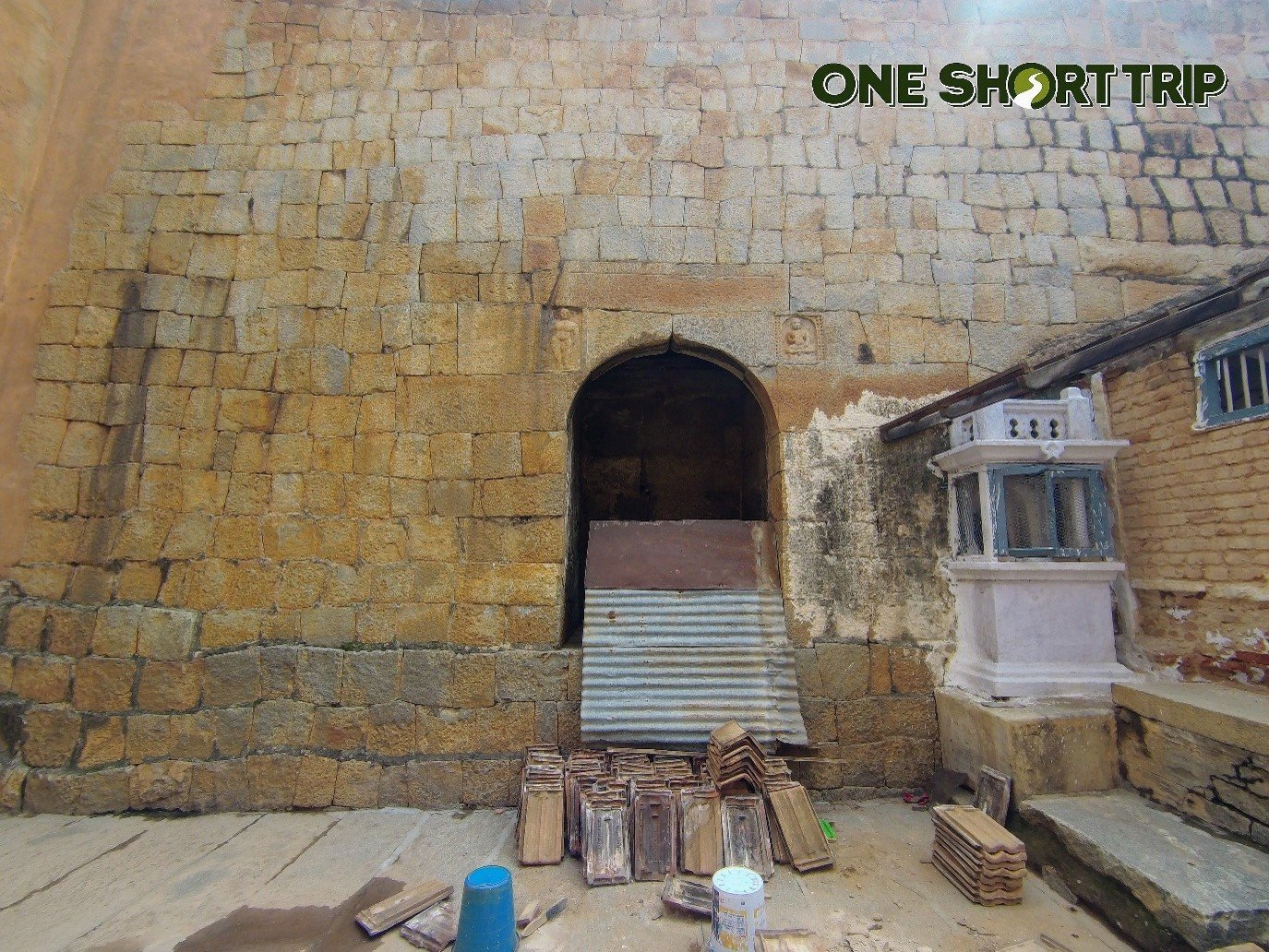
The Bangalore Fort visible today is only a small surviving portion of the much larger fortification that once surrounded the old city. The historic Delhi Gate is the most recognisable surviving feature, together with sections of the granite walls and defensive structures. Much of the original fort disappeared as Bengaluru expanded, roads were developed and the old settlement gradually evolved into a modern metropolitan city.
Although only fragments survive, the fort remains an important heritage landmark in Bengaluru. Its location also places it close to several other historic attractions, including Tipu Sultan's Summer Palace and the traditional streets around KR Market. This makes Bangalore Fort particularly useful for travellers who want to explore the historical character of old Bengaluru in a single outing.


Why Bangalore Fort Matters to Bengaluru
Bangalore Fort may be much smaller today than it was during the time of Kempegowda, Hyder Ali and Tipu Sultan, but its historical importance remains considerable. The fort represents the evolution of Bengaluru from a fortified 16th-century settlement into an important military centre connected with the Kingdom of Mysore and the wider political and military history of South India.
For travellers interested in Bengaluru history, Kempegowda Fort and the heritage of old Bangalore, the monument is best understood as part of a wider historical landscape. Combining Bangalore Fort with Tipu Sultan's Summer Palace, KR Market and nearby historic temples allows visitors to see how the old city developed around Kempegowda's original settlement and later grew into modern Bengaluru.


A visit to Bangalore Fort is therefore more than a stop at an old gateway. It is an opportunity to understand Bengaluru through the story of its founder Kempegowda, the fort's transformation under Hyder Ali and Tipu Sultan, the siege of 1791 and the dramatic changes that reshaped the city. Although only a small part of the original fort survives, those remains form an important and accessible piece of Bengaluru's heritage.
Exploring Bangalore Fort
A visit to Bangalore Fort is less about exploring a large surviving fort complex and more about discovering an important fragment of old Bengaluru. The original fort once covered a much larger area and played a major role in protecting the settlement. Today, the surviving gateway, granite masonry and defensive remains help visitors understand the scale and importance of the historic fort.
As you explore Bangalore Fort, take time to look closely at the stonework and surviving architectural details. The heavy granite construction reflects the transformation of Kempegowda's earlier mud fort into a stronger military establishment under Hyder Ali and Tipu Sultan. Its location within the busy streets of modern Bengaluru makes the experience even more distinctive, with centuries-old fortifications surrounded by the everyday life of the city.
What to Look for at Bangalore Fort
The surviving portion of Bangalore Fort may appear modest compared with the larger forts of India, but its architectural details are worth observing. Look at the granite masonry, the historic gateway and the remaining defensive elements that reveal how the fort was designed for protection. These details help visitors imagine the much larger military structure that once stood across this part of Bengaluru.
The fort is particularly interesting for travellers who enjoy history and architecture because its surviving remains represent several different periods of Bengaluru's development. Kempegowda's original settlement, the later granite reconstruction and the military conflicts involving the Kingdom of Mysore are all connected to the site.
Visiting Tips for Bangalore Fort
How Long Does It Take to Visit Bangalore Fort?
Bangalore Fort is a relatively compact heritage attraction. Most visitors can explore the surviving section in around 30 to 60 minutes, making it easy to include in a Bengaluru sightseeing itinerary. If you enjoy history, architecture or photography, allow some additional time to examine the gateway, granite construction and surviving defensive features.
Because the fort can be explored in a short period, it works particularly well as part of a wider old Bengaluru heritage trail. Visitors can combine it with Tipu Sultan's Summer Palace, KR Market and nearby historic temples during the same outing.
Bangalore Fort and KR Market
One of the most distinctive aspects of Bangalore Fort is its setting close to KR Market. The fort stands in one of the busiest parts of central Bengaluru, where flower sellers, vegetable vendors, shoppers, buses, auto-rickshaws and everyday traffic create a lively urban atmosphere around the historic structure.
This contrast between historic fortifications and modern city life is part of what makes the area interesting. A visit to Bangalore Fort followed by a walk around KR Market allows travellers to experience both the heritage of old Bengaluru and the everyday rhythm of the present-day city.
How to Reach Bangalore Fort
Bangalore Fort is located in central Bengaluru near KR Market and is accessible by Bengaluru Metro, city buses, auto-rickshaws, taxis and private vehicles. KR Market Metro Station is a convenient option for visitors travelling by metro, with the fort situated within the surrounding historic area.
Visitors travelling by car should allow additional time because traffic around KR Market can become heavy, particularly during busy periods. Public transport or a short auto-rickshaw or taxi journey can be more convenient if you want to avoid parking difficulties in this busy part of Bengaluru.
Best Time to Visit Bangalore Fort
The months from October to February are generally comfortable for exploring Bengaluru's outdoor heritage attractions. Early mornings and late afternoons are also good choices for walking around Bangalore Fort, especially during warmer periods. These times can also provide more comfortable conditions for photography.
Bangalore Fort can also be visited during the monsoon, when the surrounding landscape and old granite surfaces can have a different character. If you visit during rainy weather, carry suitable rain protection and take care around wet stone surfaces.
Bangalore Fort as Part of a Bengaluru Heritage Trail
Bangalore Fort is best included in a wider Bengaluru heritage itinerary rather than visited completely on its own. From the fort, travellers can continue towards Tipu Sultan's Summer Palace, Kote Sri Anjaneyaswamy Temple and KR Market. Together, these places reveal different aspects of old Bengaluru, from military fortifications and royal architecture to temples and traditional marketplaces.
If you have more time, the heritage experience can be extended towards Lalbagh, the Bull Temple and other historic landmarks across Bengaluru. Connecting these attractions helps tell the larger story of the city, from Kempegowda's fortified settlement to the large and rapidly developing Bengaluru of today.