Sri Devi Karumariamman Temple, Rajarajeshwari Nagar, Bengaluru
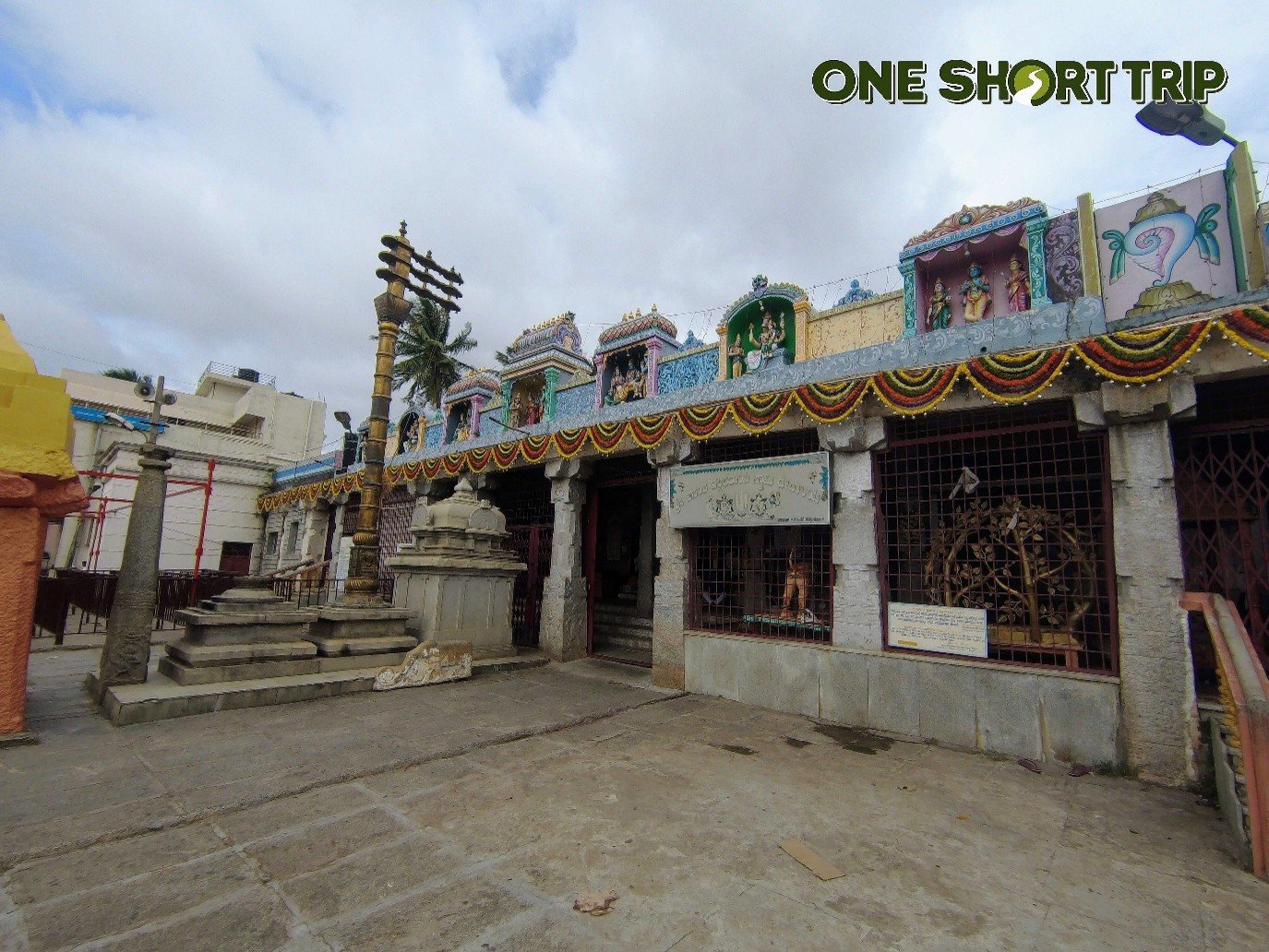
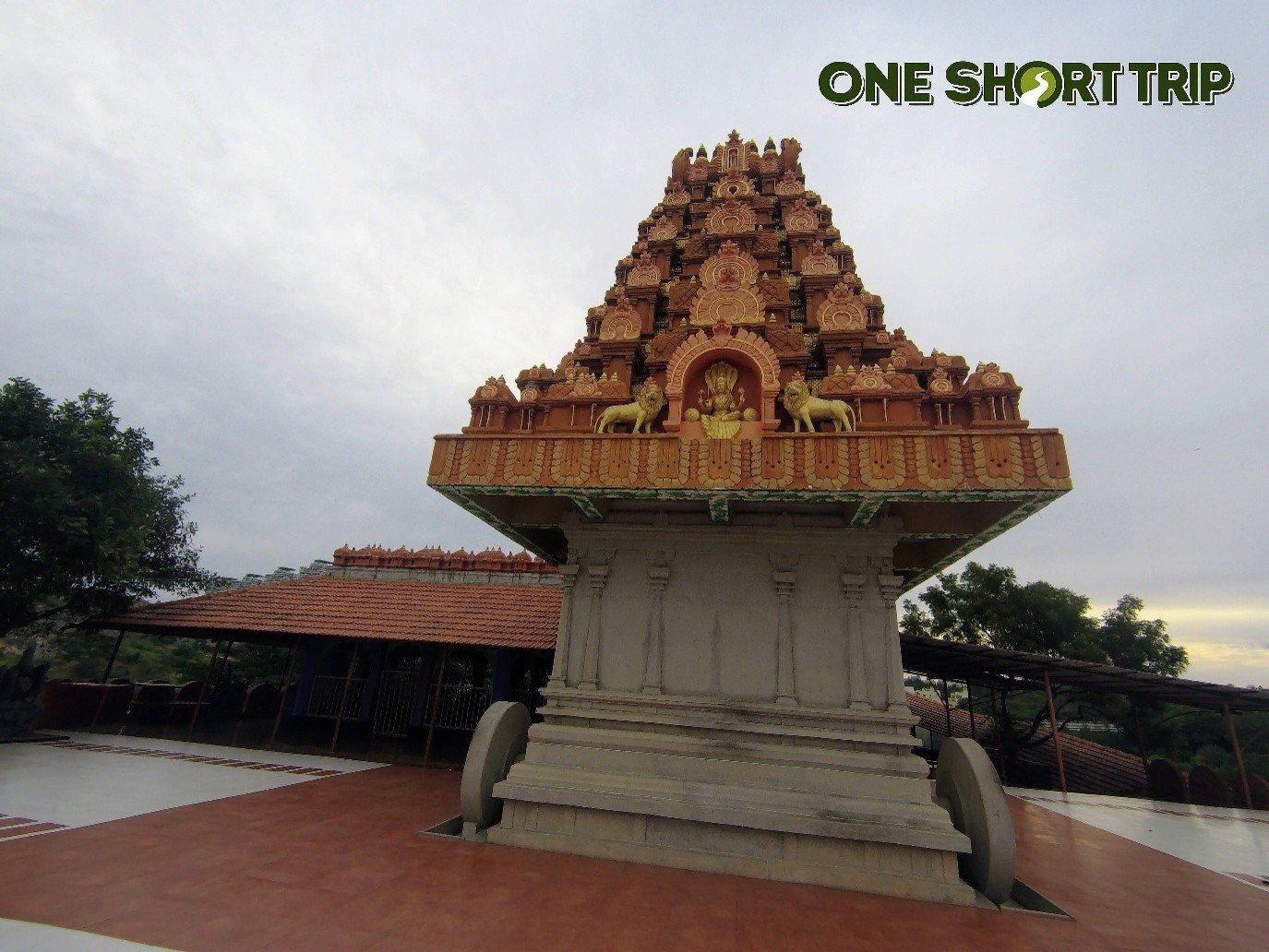
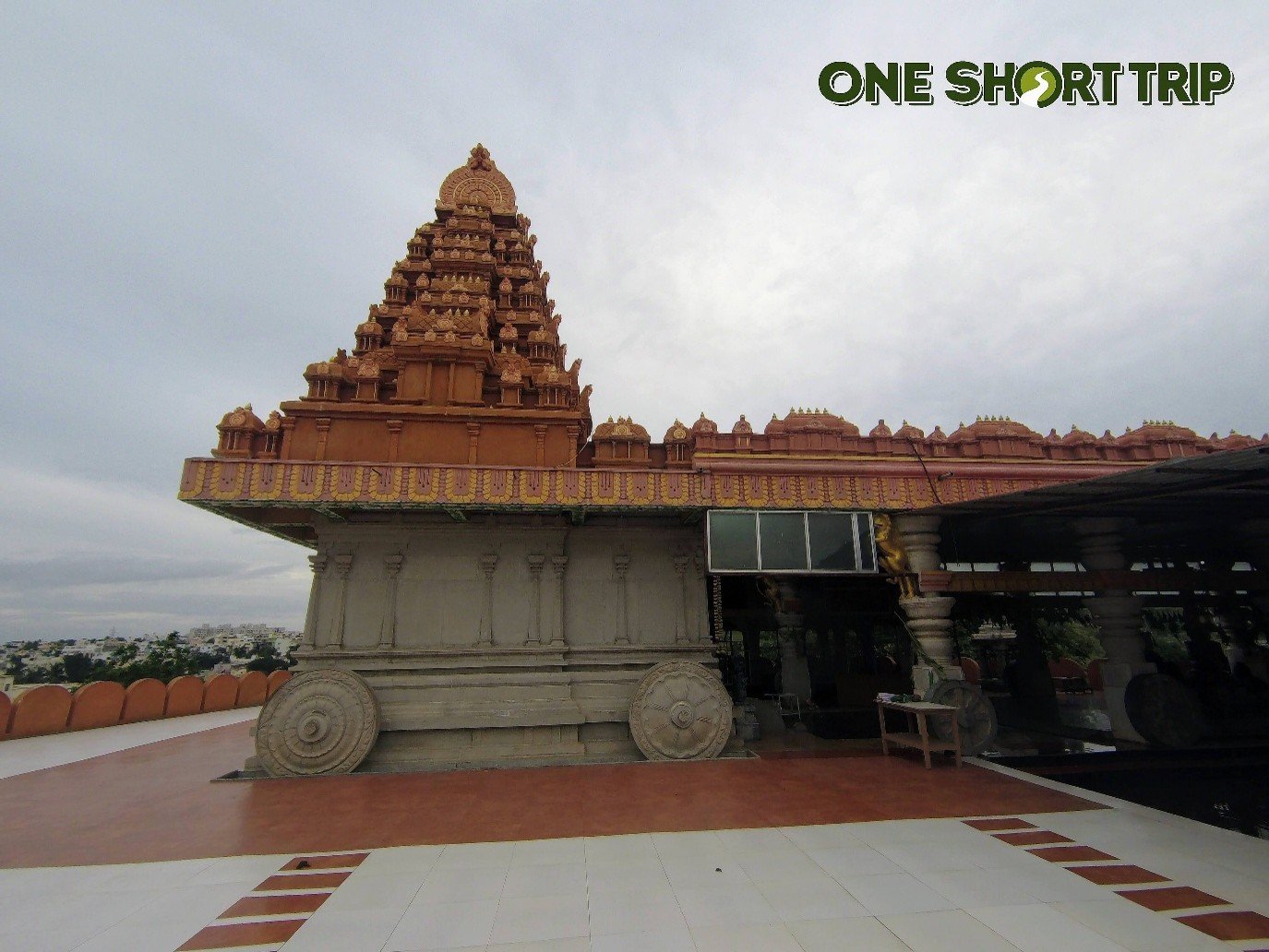
Sri Devi Karumariamman Temple is a Hindu temple dedicated to Goddess Karumariamman in Rajarajeshwari Nagar, Bengaluru. Located opposite the Srungagiri Sri Shanmukha Temple, the temple is a local place of worship for devotees seeking the blessings of the Divine Mother. Its setting in RR Nagar makes it a convenient spiritual stop for residents and travellers exploring the western parts of Bengaluru.
Karumariamman is revered as a powerful manifestation of the Mother Goddess, particularly associated in popular Hindu tradition with protection, compassion, fertility, rain, wellbeing and the removal of difficulties. The worship of Mariamman has deep roots in South Indian devotional culture, where the Goddess is traditionally regarded as a protective village and community deity as well as an expression of Shakti. At the Rajarajeshwari Nagar temple, devotees come for darshan, prayer and various forms of devotional worship throughout the year.

Who is Goddess Karumariamman?
Goddess Karumariamman is worshipped as a form of Parashakti, the supreme feminine divine power. Traditional accounts connect the name Karumari with the ideas of motherhood, protection and the nourishing power of rain. The word “Mari” is traditionally associated with rain, while “Karu” is connected with the idea of carrying or nurturing life. Together, the name expresses the image of a mother who protects, nourishes and blesses her devotees.
In South Indian religious traditions, Mariamman temples have historically been closely associated with communities seeking protection from disease, hardship and natural difficulties. Devotees also pray to the Goddess for family wellbeing, prosperity, health and relief from obstacles. These beliefs form part of the wider devotional tradition surrounding Karumariamman and should be understood as matters of faith rather than medical or scientific claims.
The Spiritual Significance of Karumariamman Worship
Karumariamman is particularly associated with the protective aspect of the Divine Mother. Devotees traditionally approach her with prayers for the welfare of their families, the removal of difficulties and the strength to overcome challenging periods in life. The Goddess is also associated with the life-giving power of rain, which explains the importance of Mariamman worship in agrarian and village traditions across South India.
Traditional devotional stories also describe Karumariamman as a manifestation of Parvati or Parashakti. In these traditions, the Goddess takes different forms according to the needs of devotees and the circumstances in which divine protection is required. Such stories are part of the religious and cultural heritage surrounding Mariamman worship and help explain why the Goddess continues to have a strong devotional presence in South Indian temples.
Evening: 4:30 PM–9:00 PM
A Temple Rooted in the Worship of Shakti
The religious tradition surrounding Karumariamman is closely connected with Shakti worship, in which the feminine divine is understood as the creative, protective and transformative power of the universe. Devotees may approach the Goddess with different personal prayers, including prayers for family harmony, protection, prosperity and the successful completion of important responsibilities.
The temple's location in Rajarajeshwari Nagar also gives it a distinctive place within Bengaluru's growing network of neighbourhood temples. Rather than being only a sightseeing attraction, it functions as a living place of worship where local devotees can visit regularly for darshan and prayer.
Why Visit Sri Devi Karumariamman Temple?
A visit to Sri Devi Karumariamman Temple is especially meaningful for travellers interested in Bengaluru's local religious traditions and neighbourhood temples. The temple offers an opportunity to experience a form of Goddess worship that has a strong cultural connection with South India while also seeing how traditional devotional practices continue within a modern Bengaluru neighbourhood.
For devotees, the visit can be centred around darshan and personal prayer. For travellers, it can be combined with other nearby temples and attractions in Rajarajeshwari Nagar, making it a useful stop during a temple-focused Bengaluru itinerary.


When to Visit the Temple
The temple is currently listed as open in two daily sessions: from 6:30 AM to 12:30 PM in the morning and from 4:30 PM to 9:00 PM in the evening. Visitors planning a special puja or visiting on a festival day should check the temple's current schedule beforehand, as timings and ceremonies can vary on important religious occasions.
Best Time for Darshan
For a quieter temple experience, early morning is generally a good choice. Evening is also an important period for worship, particularly for devotees who prefer visiting after the day's work. Festival days and special religious observances can attract larger crowds, so travellers who prefer a peaceful visit should plan accordingly.
Temple Etiquette for Visitors
Sri Devi Karumariamman Temple is an active place of worship, so visitors should dress modestly and maintain a respectful manner inside the temple. Footwear should be removed wherever required, and visitors should follow the instructions of temple staff and devotees during puja or other ceremonies. Photography should only be undertaken where it is permitted, particularly around the sanctum and during active rituals.
Those visiting as part of a wider Bengaluru temple tour should allow sufficient time for darshan rather than treating the temple simply as a photographic stop. Respecting worshippers and avoiding disruption during prayers helps preserve the peaceful atmosphere of the shrine.
How to Reach Sri Devi Karumariamman Temple
The temple is located in Rajarajeshwari Nagar in Bengaluru, opposite the Srungagiri Sri Shanmukha Temple. The official temple website lists the address as Sri Devi Karumariamman Temple, Opposite to Srungagiri Sri Shanmuka Temple, Rajarajeshwari Nagar, Bengaluru, Karnataka – 560098.
The temple can be reached by road from different parts of Bengaluru using taxis, private vehicles and local public transport serving Rajarajeshwari Nagar. Using the nearby Srungagiri Sri Shanmukha Temple as a landmark can make the temple easier to identify.
A Living Temple in Bengaluru
Sri Devi Karumariamman Temple represents the continuing presence of South Indian Shakti traditions within Bengaluru's urban landscape. With Goddess Karumariamman as its central focus, the temple brings together personal prayer, family devotion and the broader cultural traditions associated with Mariamman worship. For devotees and travellers alike, it provides a meaningful glimpse into the living religious character of Rajarajeshwari Nagar.
Temple Address: Sri Devi Karumariamman Temple, Opposite to Srungagiri Sri Shanmuka Temple, Rajarajeshwari Nagar, Bengaluru, Karnataka – 560098.
Opening Hours: 6:30 AM–12:30 PM and 4:30 PM–9:00 PM.