Sri Vasantha Vallabharayaswami Temple, Vasanthapura – An Ancient Vishnu Temple in Bengaluru
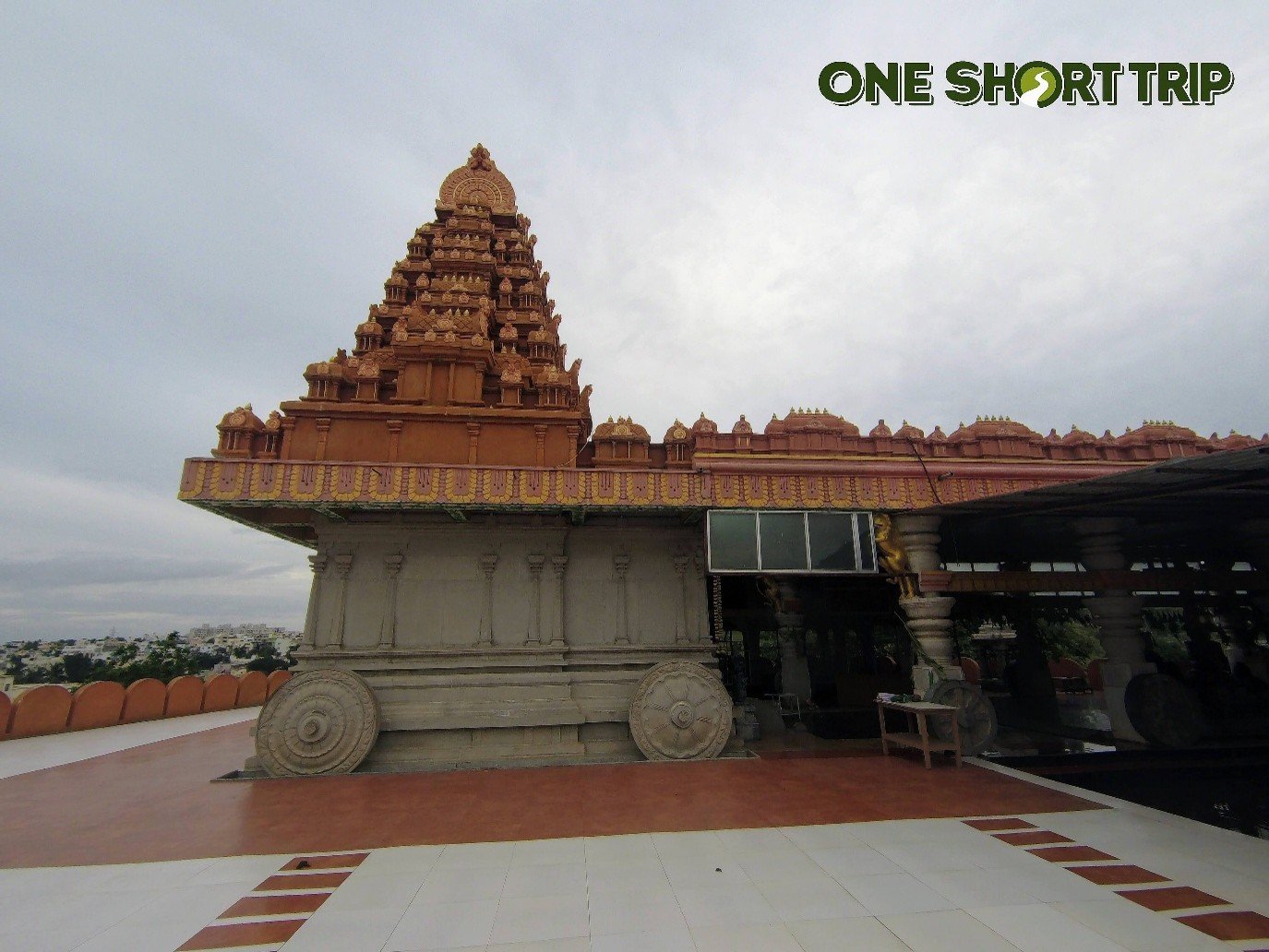
Sri Vasantha Vallabharayaswami Temple is one of the historic Vishnu temples of Bengaluru, located on Guptagiri hill in Vasanthapura in the southern part of the city. Dedicated to Sri Vasantha Vallabha Raya Swamy, a form of Lord Vishnu associated with Lord Venkateshwara, the temple combines an ancient sacred tradition with the rapidly growing urban landscape around it.
The temple is particularly important for devotees who follow the tradition of Lord Srinivasa and Venkateshwara. Karnataka's official temple records associate the shrine with the Chola period and preserve the sthala purana of Sage Mandavya, the discovery of a Swayambhu form of the deity and the sacred theerthas associated with Vasanthapura.


A Historic Temple in Vasanthapura
Sri Vasantha Vallabharayaswami Temple is regarded as an ancient temple associated with the Chola period. The Karnataka HRCE records describe the temple as being on Guptagiri hill and preserve a long-standing tradition connecting the shrine with Sage Mandavya. Historical research on Chola temples in Bengaluru also identifies Vasanthapura as an important old settlement centred around the Vasantha Vallabharaya shrine.
The temple's history is therefore best understood through both its surviving architectural and historical associations and the religious traditions preserved through the sthala purana. Rather than treating every element of the temple legend as archaeological fact, visitors can appreciate it as part of the sacred history that continues to shape the identity of Vasanthapura.


The Legend of Sage Mandavya
The central legend associated with the temple concerns Sage Mandavya, who is said to have travelled from Badarikashrama and stayed at Vasanthapura. According to the temple tradition, the sage discovered the presence of Lord Srinivasa here and performed penance at the sacred site.
The sthala purana further states that Mandavya encountered a Swayambhu form of the deity and subsequently established the sacred image at the site. This story remains an important part of the temple's religious identity and explains the deep connection devotees associate between Vasanthapura and Lord Srinivasa.


Lord Vasantha Vallabha Raya and His Consorts
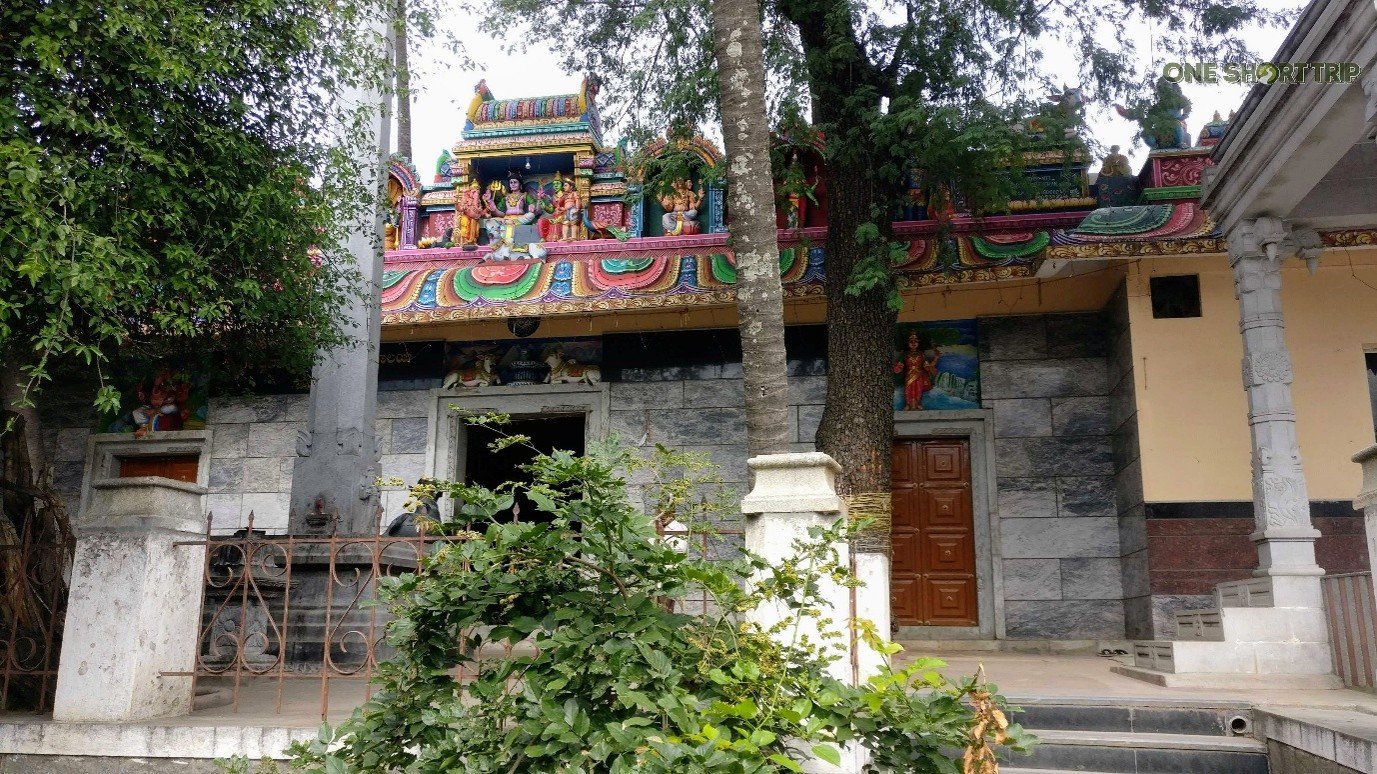
The principal deity of the temple is Sri Vasantha Vallabha Raya Swamy, identified with Lord Venkateshwara or Srinivasa. The deity is worshipped along with Sri Devi, Bhoo Devi and Neela Devi, with the latter also associated with Vasanthanayaki Padmavati in the temple's tradition.
The presence of the deity and consorts gives the temple a strong Vaishnava character and connects its local traditions with the wider worship of Srinivasa. Historical documentation also records carved figures of Vishvaksena and the Alvars in the temple, reflecting the broader Sri Vaishnava devotional tradition.
The Sacred Theerthas of Vasanthapura
The religious identity of Vasanthapura is closely connected with its sacred water sources, traditionally known as theerthas. Temple tradition associates the area with several holy theerthas, including Shankha Theertha, Chakra Theertha, Plava Theertha, Deva Theertha and Vasantha Theertha.
According to the sthala purana, Lord Srinivasa is believed to have visited the Vasanthapura kshetra with his consorts and bathed in these sacred waters. The tradition is closely connected with the name Vasantha Vallabha and the temple's religious significance.
Chola Heritage and Bengaluru's Ancient Temples
Vasantha Vallabharayaswami Temple forms part of the wider story of Bengaluru's historic temples. The city is better known today for its technology industry and urban growth, but several neighbourhoods preserve temples connected with much older settlements and dynasties. Vasanthapura is one such locality, with the Vasantha Vallabharaya shrine remaining at the centre of its religious identity.
Visiting Sri Vasantha Vallabharayaswami Temple – Timings, How to Reach and Travel Tips
Sri Vasantha Vallabharayaswami Temple is an easy-to-visit historic temple in Vasanthapura, Bengaluru. Its location within the city makes it suitable for a short spiritual visit, especially for devotees looking for an old Vishnu temple away from the busiest central areas of Bengaluru.


Sri Vasantha Vallabharayaswami Temple Timings
According to the Karnataka Hindu Religious and Charitable Endowments Department, the temple is currently open from 7:30 AM to 12:00 PM in the morning and from 5:30 PM to 8:30 PM in the evening. Temple timings can change during festivals, special poojas and other religious occasions, so it is advisable to confirm before travelling for a specific seva or darshan.
Temple Timings at a Glance
Morning: 7:30 AM – 12:00 PM
Evening: 5:30 PM – 8:30 PM
How to Reach Vasantha Vallabharayaswami Temple
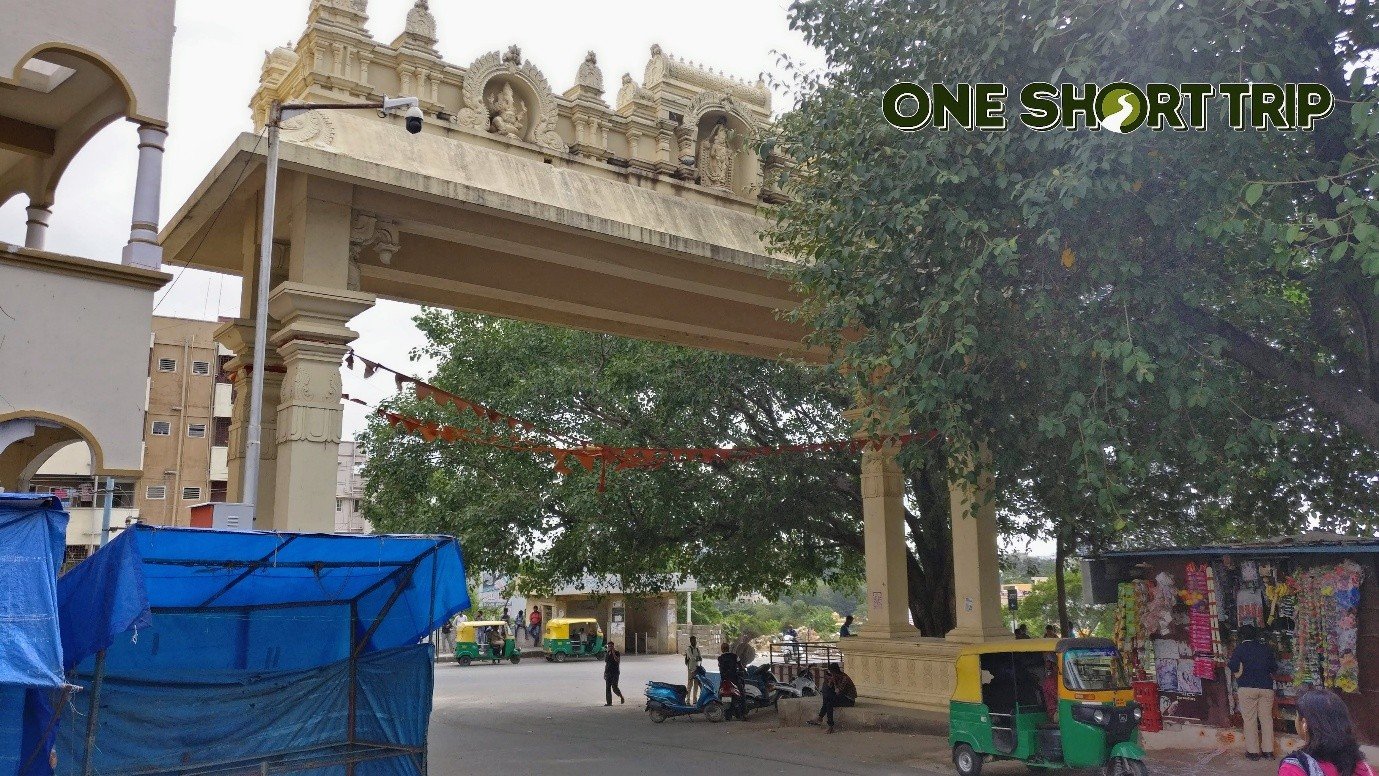
The temple is located at Vasanthapura in southern Bengaluru and can be reached by road, bus and metro connections. For visitors travelling by car or taxi, following directions to Vasanthapura and then the temple is generally the simplest option.
Vasanthapura has several BMTC bus services connecting it with different parts of Bengaluru. Public transport listings include routes such as 210-D, 210-G, 210-R and 378, with Vasanthapura among the nearby stops. The Green Line of Namma Metro serves the surrounding southern Bengaluru corridor, although the final journey to the temple may require a bus, auto-rickshaw or cab.

Best Time to Visit
For a quieter temple visit, mornings are generally a good choice, particularly soon after the temple opens. The evening session is another convenient option for visitors exploring southern Bengaluru after work or during a short city outing.
Weekends and important Vaishnava festivals can attract more devotees. If you want a peaceful darshan and time to appreciate the temple surroundings, visiting outside major festival periods can be more comfortable.
How Much Time Do You Need?
Most visitors can plan around 30 to 60 minutes for darshan and a relaxed look around the temple. Devotees attending a pooja, seva or special religious ceremony may wish to allow additional time.
Because the temple is located in southern Bengaluru, it can also be included in a half-day temple circuit covering other spiritual and cultural attractions around Vasanthapura, JP Nagar, Banashankari and nearby areas.


Temple Etiquette and Dress Code
Visitors should dress modestly and respectfully when entering the temple. Traditional or comfortable clothing that covers the shoulders and knees is appropriate. Footwear should be removed before entering areas where required, and devotees should follow the instructions of temple staff and priests.
Photography should be avoided wherever temple authorities restrict it, particularly around the sanctum and during rituals. Visitors should also avoid disturbing devotees during pooja or darshan.
Is the Temple Suitable for Families and Senior Citizens?
Yes. Sri Vasantha Vallabharayaswami Temple can be included in a family-friendly Bengaluru temple itinerary. The visit is relatively short, making it practical for families with children as well as older devotees who prefer a peaceful temple experience rather than a long sightseeing programme.
Senior citizens should take their time while moving around the temple premises, particularly during crowded periods. Visiting during a quieter morning period can make the experience more comfortable.
What to Carry
- Comfortable and modest clothing
- Water for the journey, especially during warmer months
- A small bag for personal belongings
- Cash or digital payment options for offerings and personal expenses
- Any required medicines for senior citizens or regular travellers
Nearby Places to Visit
The temple's location makes it possible to combine the visit with other attractions in southern Bengaluru. Depending on your route and available time, a temple-focused outing can include historic shrines in areas such as Banashankari, Gavipuram, JP Nagar and surrounding neighbourhoods.
Visitors interested specifically in Bengaluru's historic temples can use Sri Vasantha Vallabharayaswami Temple as one stop in a wider heritage and spiritual circuit rather than treating it as an isolated attraction.
Why Visit Sri Vasantha Vallabharayaswami Temple?
Sri Vasantha Vallabharayaswami Temple offers a different side of Bengaluru from the city's modern landmarks and commercial districts. Its ancient Vaishnava tradition, association with Sage Mandavya, sacred theerthas and historic setting make it a meaningful destination for devotees and travellers interested in Bengaluru's lesser-known heritage. For anyone exploring the city's old temples, Vasanthapura is a worthwhile stop for experiencing one of southern Bengaluru's longstanding spiritual landmarks.