


B.R. Hills (Biligiriranga Hills), Karnataka
B.R. Hills, also known as the Biligiriranga Hills or BRT Hills, is one of Karnataka's most distinctive destinations for combining wildlife, mountains, spirituality and indigenous culture. Located in the eastern part of the Western Ghats near the Karnataka–Tamil Nadu border, the hills rise to more than 5,000 feet and are covered by forests that support an impressive variety of plants, birds and wildlife.
What makes B.R. Hills particularly important is its location between two major mountain systems. The landscape forms an ecological link between the Western Ghats and Eastern Ghats, allowing wildlife and plant species associated with both regions to occur within the same broader landscape. This unusual geographical setting is one of the reasons the area is recognised as an important wildlife and conservation region in southern India.
Much of the region is protected as the Biligiriranganatha Swamy Temple Wildlife Sanctuary, commonly called the BRT Wildlife Sanctuary. The sanctuary covers more than 500 square kilometres of forest and was declared a Tiger Reserve in 2011. Unlike some of Karnataka's larger and busier wildlife destinations, B.R. Hills generally offers a quieter forest experience, making it attractive to travellers looking for wildlife, birdwatching, scenic drives and a slower connection with nature.
The hills take their name from the Biligiriranga Swamy Temple, a historic shrine dedicated to Lord Ranganatha, a form of Vishnu. The temple stands in the higher reaches of the hills and remains an important pilgrimage destination alongside the region's growing reputation for wildlife tourism. This combination of sacred landscape and protected forest gives B.R. Hills an identity that is quite different from a conventional hill station.


Why Are B.R. Hills Important?
B.R. Hills is important not only because of its scenery and wildlife but also because of the relationship between its forest ecosystem and the people who have lived here for generations. The Soliga community has a deep cultural and traditional connection with the forests of the Biligiriranga landscape. Their knowledge of local plants, wildlife, seasons and forest resources forms an important part of the region's cultural heritage.
The Soligas have traditionally depended on forest resources such as honey and other non-timber forest produce, while maintaining a close relationship with the surrounding landscape. Their presence is an important reminder that B.R. Hills is not simply a wildlife reserve created for visitors; it is also a lived cultural landscape with a long human history.
The recognition of forest rights under India's Forest Rights Act has also made B.R. Hills significant in discussions about conservation and indigenous communities. The experience of the Soliga community is frequently referenced in conversations about how protected forests can balance wildlife conservation with the rights, knowledge and livelihoods of traditional forest-dependent communities.
B.R. Hills as a Wildlife Destination
The BRT Tiger Reserve is home to a diverse range of wildlife and is particularly interesting because of the variety of habitats created by its elevation, terrain and location between the Western and Eastern Ghats. Visitors may encounter animals such as elephants, gaur, spotted deer, wild boar, sambar and other forest species, while the reserve also supports a rich variety of birds and smaller mammals.
B.R. Hills is also a destination for people interested in birdwatching and nature photography. The combination of dense forest, open patches, streams and changing elevations creates different habitats within a relatively compact region. Early mornings are particularly rewarding for visitors hoping to observe birds and experience the forest when it is cooler and more active.
Wildlife sightings can never be guaranteed in a natural forest, and the experience here is better approached as a chance to explore a protected ecosystem rather than as a hunt for a particular animal. Patience, silence and an experienced local or forest guide can make a significant difference to the quality of a visit.
Biligiriranga Swamy Temple at B.R. Hills
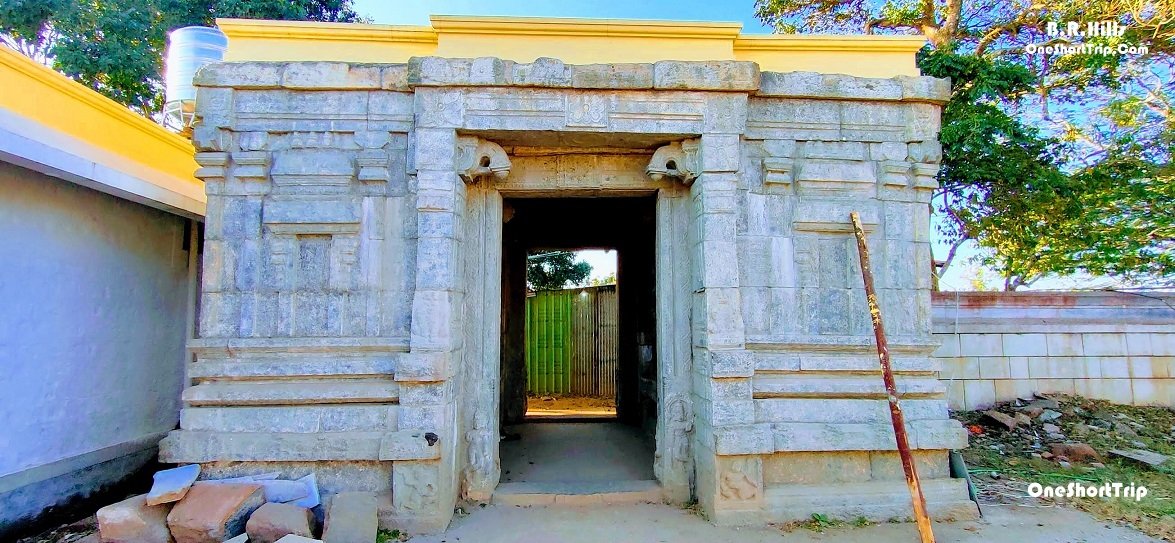
At the heart of the destination is the Biligiriranga Swamy Temple, which gives the hills their name. The temple is dedicated to Lord Ranganatha and is one of the most important religious landmarks in the B.R. Hills region. Its hilltop setting also gives visitors an opportunity to experience the surrounding forest landscape from a different perspective.
A visit to B.R. Hills therefore does not have to be limited to a wildlife safari. Travellers can combine the temple with scenic viewpoints, forest experiences and nearby attractions to create a more complete day trip or weekend getaway. The spiritual character of the hill is particularly noticeable during festivals and periods of increased pilgrimage.
A Destination Where Nature, Culture and Spirituality Meet
The real appeal of B.R. Hills lies in the way several experiences come together in one destination. You can drive through winding forest roads, explore the surrounding hills, look for wildlife, visit an ancient temple and learn about the traditional relationship between the Soliga community and the forest — all within the same trip.
For travellers from Bengaluru, Mysuru and other parts of Karnataka, B.R. Hills can make an excellent weekend escape when the aim is to spend time in nature rather than visit a crowded tourist centre. The relatively peaceful atmosphere, forest scenery and combination of wildlife and heritage make it particularly appealing to families, couples, photographers, birdwatchers and travellers who enjoy less-commercial destinations.
If you are planning a trip to B.R. Hills, it is worth setting aside enough time to experience more than just the temple or a quick drive through the hills. A well-planned visit can combine the BRT Tiger Reserve, wildlife experiences, Biligiriranga Swamy Temple, scenic mountain roads and the cultural heritage of the Soliga community, making B.R. Hills one of Karnataka's most rewarding nature destinations.


Wildlife in B.R. Hills & Best Time to Visit
The Biligiriranga Tiger Reserve protects a diverse forest ecosystem where the wildlife reflects the unusual geographical position of B.R. Hills between the Western and Eastern Ghats. The reserve supports species such as tigers, leopards, Asian elephants, gaur, sambar deer, spotted deer, wild boar and sloth bears, along with many smaller mammals and reptiles. The variety of habitats and elevations makes the region particularly interesting for travellers who enjoy wildlife and nature rather than focusing only on one particular animal.
B.R. Hills is also known for its rich birdlife. The combination of dry and moist forest areas, bamboo patches, streams and open clearings creates suitable habitats for a wide range of resident and seasonal birds. Birdwatching and nature photography can therefore be rewarding activities, especially during the quieter hours of the morning when the forest is cooler and bird activity is generally higher.
Wildlife sightings are never guaranteed in a natural forest, and this is particularly important to remember when planning a B.R. Hills safari. Tigers and leopards are naturally elusive, while sightings of elephants, gaur, deer and other animals depend on season, weather, forest conditions and simple chance. The best approach is to enjoy the overall forest experience rather than measure the success of a safari by whether a particular animal appears.


When Is the Best Time to Visit B.R. Hills?
The period from October to May is generally considered a convenient time to explore B.R. Hills, particularly for visitors interested in wildlife, outdoor activities and comfortable sightseeing. The landscape remains greener after the monsoon, while the drier months can make it easier to explore forest roads and improve visibility in some areas.
The months of March to May can be warmer, but the drier conditions may offer interesting opportunities for wildlife observation. Early mornings and late afternoons are generally more comfortable than the hotter middle of the day. During the monsoon, the hills become lush and scenic, although rain can affect road conditions, visibility and the availability of certain outdoor activities.
If your main priority is a B.R. Hills wildlife safari, check the latest safari schedules, forest access rules and weather conditions before travelling. For a broader experience combining the forest, Biligiriranga Swamy Temple, scenic roads and local culture, almost any season can offer something worthwhile when planned around current conditions.


Location & How to Reach B.R. Hills
B.R. Hills is located in the Chamarajanagar district of Karnataka, close to the Karnataka–Tamil Nadu border. The hills are approximately 85–90 km from Mysuru and around 170–180 km from Bengaluru, making them a practical weekend destination from both cities. The most commonly used road approach from Mysuru is through Nanjangud, Chamarajanagar and Yelandur, followed by the forest road towards B.R. Hills. Travel time can vary depending on traffic, road conditions and stops along the way.
Driving is generally the most convenient way to reach B.R. Hills, particularly if you want to combine the hills with nearby temples, wildlife experiences or other attractions in the Chamarajanagar region. Buses are available towards Chamarajanagar and Yelandur, from where local transport may be available for the onward journey. However, public transport connections can be less convenient for visitors planning early-morning safaris or multiple sightseeing stops, so a private car or organised tour is often the easier option.

Reaching B.R. Hills by Car or Bike
A road trip is one of the best ways to experience the approach to B.R. Hills. From Mysuru, the route passes through the countryside around Nanjangud, Chamarajanagar and Yelandur before climbing towards the forested hills. The final stretch becomes more scenic as the road enters the B.R. Hills landscape, with winding sections, forest views and occasional viewpoints along the route. If travelling by bike, start early and plan fuel and food stops in advance, as facilities become more limited closer to the forest.
Reaching B.R. Hills by Bus or Train
Visitors using public transport can travel towards Chamarajanagar or Yelandur and then arrange local transport for the remaining journey to B.R. Hills. Because services and onward connections can vary, it is advisable to check the latest bus and train schedules before travelling. Public transport is more suitable for travellers staying overnight or those with flexible plans; visitors targeting a specific safari slot should allow plenty of extra time for the final leg of the journey.


Forest Entry and Safari Access
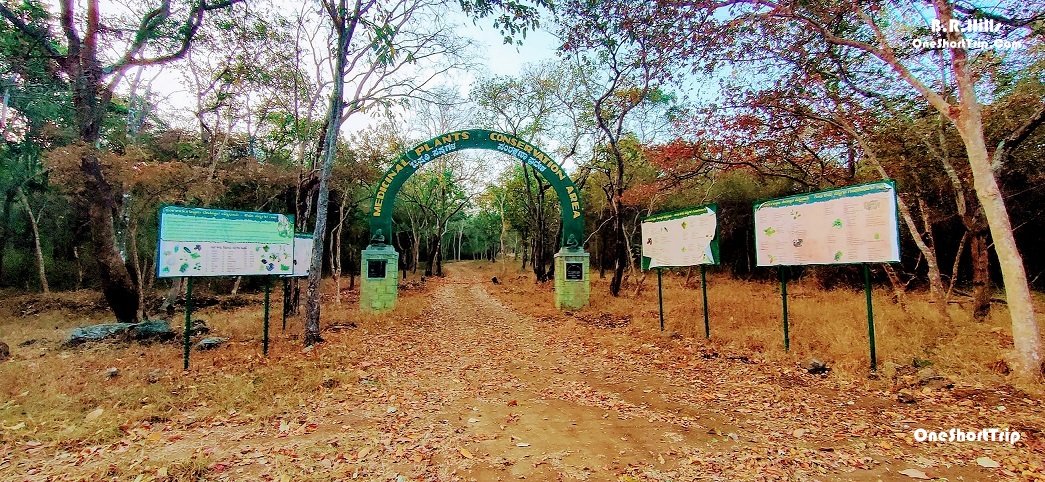
Access to areas within the Biligiriranga Tiger Reserve is regulated, particularly in forest and safari zones. Wildlife safaris operate according to the prevailing Forest Department and eco-tourism rules, with designated routes, vehicles and timings. Visitors should not enter restricted forest areas independently or attempt to explore wildlife zones without authorised access. Safari availability, timings and booking procedures can change, so checking the latest official information before the trip is important.
Places to Visit Around B.R. Hills
A trip to B.R. Hills can be combined with several nearby experiences depending on the route and available time. Popular options include the Biligiriranga Swamy Temple, K.Gudi and its surrounding wildlife tourism facilities, and attractions around Chamarajanagar and Yelandur. Travellers coming from Mysuru can also plan suitable temple or heritage stops along the route, turning the journey into a more complete Karnataka weekend trip.

Also In Chamarajanagar

