

Kolar
Karnataka's eastern gold country — home to the legendary Kolar Gold Fields and the ancient temple towns of Mulbagal and Kurudumale.
Things To Do
Things To See In Kolar
 Temple
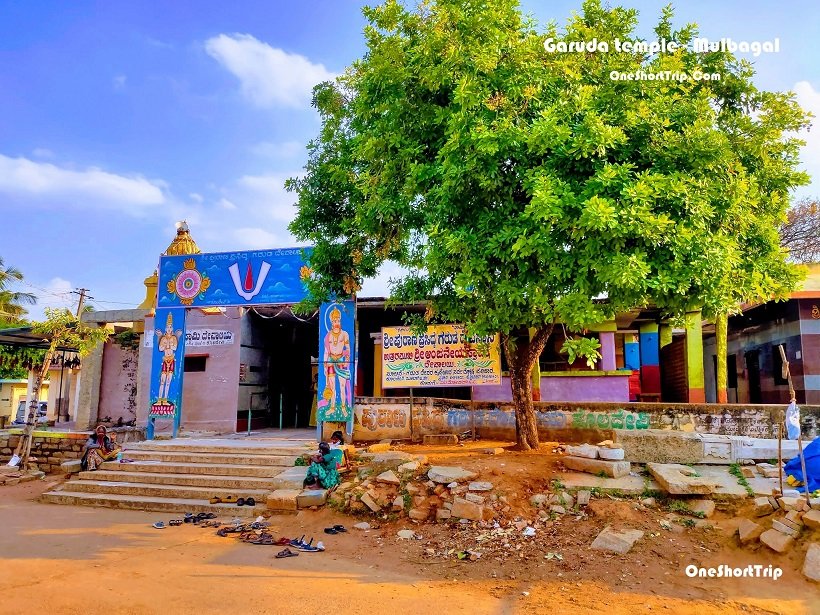
Garuda Temple Mulbagal
The only temple in the world dedicated to Garuda.
Explore → Temple
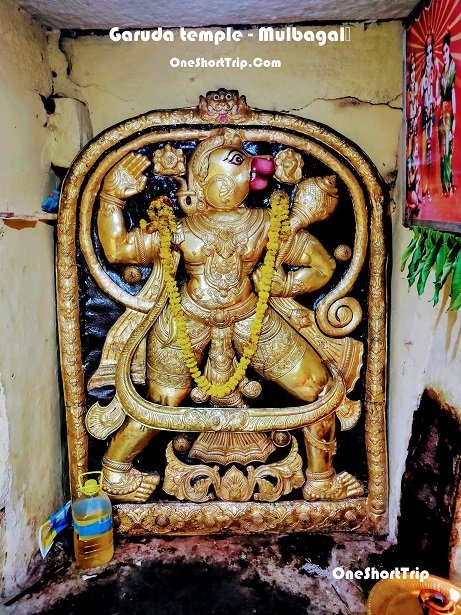
Veeranjaneya Swamy Temple
A 12-foot granite Hanuman idol tied to Pandava legend.
Explore →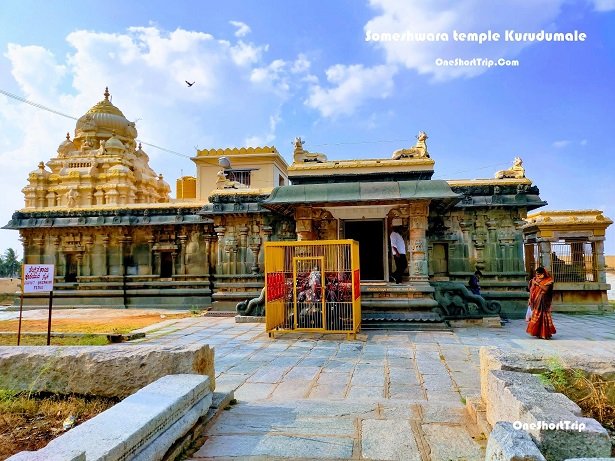 Temple
Someshwara Temple Kurudumale
A 1,330-year-old Chola-era Shiva temple built on bare rock.
Explore →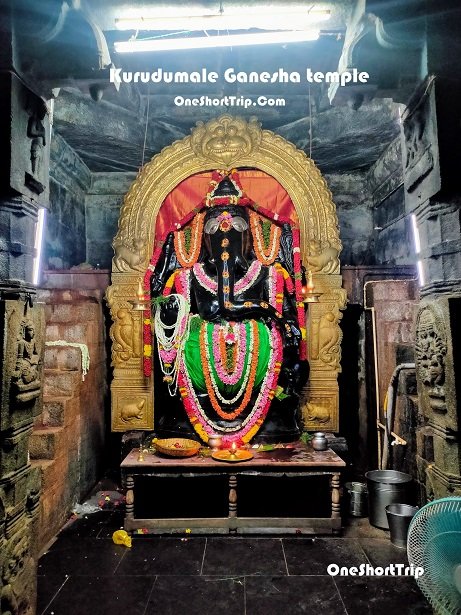 Temple
Kurudumale Ganesha Temple
A 12-foot Ganesha idol said to have stood since the four yugas.
Explore →Kolar, Karnataka – The Land of Gold, Temples, Silk and Milk
Kolar is one of Karnataka's most historically layered destinations, located in the eastern part of the state and easily accessible from Bengaluru. The district is best known for four very different sides of its identity: the ancient temples of Kolar and Mulbagal, the legendary Kolar Gold Fields (KGF), its long-standing silk and dairy traditions, and the rocky hill landscapes around places such as Antaragange. For travellers, this combination makes Kolar much more than a quick stop on the Bengaluru–Chennai route.
The historic town of Kolar has roots going back many centuries and was associated with the Western Ganga kingdom before being influenced by the Cholas, Hoysalas, Vijayanagara rulers and later powers. The district subsequently became famous throughout India for the Kolar Gold Fields, while its temples continued to preserve an older religious and architectural heritage. Today, a trip to Kolar can take you from ancient shrines and hill caves to the industrial history of KGF within the same district.
Kolar is where Karnataka's ancient temple heritage, gold-mining history, agricultural traditions and rocky eastern landscape come together.
Kolar at a Glance
Where Is Kolar?
Kolar is located in the eastern part of Karnataka and forms one of the state's important gateways towards Andhra Pradesh and Tamil Nadu. The district borders Chikkaballapur and Bengaluru Rural districts towards the west and north-west, Andhra Pradesh towards the east, and parts of Tamil Nadu towards the south.
Its location is one of the reasons Kolar works particularly well for short trips from Bengaluru. National Highway 75 passes through the district and connects the Bengaluru side with Mulbagal and onward routes towards Chittoor, Vellore and Chennai. The district also has extensive road and railway connections, making several of its attractions accessible as day trips or weekend excursions.
Why Is Kolar Worth Visiting?
Kolar is particularly rewarding for travellers who enjoy destinations that combine several different experiences. It does not depend on a single monument. Instead, the district offers a collection of temples, historic towns, mining heritage, hill landscapes, caves and rural culture.
- Explore ancient temples and Dravidian and Vijayanagara-era architecture.
- Learn about the extraordinary history of the Kolar Gold Fields.
- Trek among the rocky formations of Antaragange.
- Visit the massive Shiva Lingam at Kotilingeshwara Temple.
- Explore the temple heritage of Mulbagal and Kurudumale.
- Visit the Ramayana-associated heritage of Avani.
- Experience the pilgrimage atmosphere of Bangaru Tirupati and Chikka Tirupati.
- Discover the traditional agricultural and dairy identity of the district.
- Plan an easy weekend trip from Bengaluru.
Kolar History
Kolar has a history that is considerably older than the modern city. Historical references identify the region by earlier names including Kuvalala, Kolala and Kolahalapura. The Western Gangas made Kolar an important centre and are associated with some of the earliest layers of the region's temple heritage.
Over the centuries, Kolar came under the influence of several major South Indian dynasties and ruling houses, including the Cholas, Hoysalas and Vijayanagara rulers. Their influence can still be seen in the temples, stone carvings, inscriptions and architectural styles found across the district.
Kolar's later history took a dramatic turn when gold mining developed on a large industrial scale in the Kolar Gold Fields. The mining settlements brought together workers, engineers and communities from different parts of India and overseas, creating a distinctive industrial landscape that remains one of the most unusual heritage stories in Karnataka.
The modern district therefore has two very different historical faces: an ancient temple culture that stretches back many centuries and an industrial mining heritage associated with the modern development of KGF.
Kolar Gold Fields (KGF) – The Gold Mining History of Kolar
No discussion of Kolar is complete without Kolar Gold Fields, commonly called KGF. Located in the eastern part of the district, KGF developed into one of India's best-known gold-mining regions and became a major industrial settlement around the mines.
Mining activity in the region has much older roots, but large-scale modern mining transformed KGF into a major industrial centre. The mining operations eventually became associated with deep underground workings, specialised engineering and a multicultural workforce.
The mines were finally closed in 2001 after prolonged commercial difficulties and declining viability. The closure changed the economic character of the area, but the old mining town, industrial buildings and mining landscape remain important reminders of the region's past.
KGF also became widely known across India through the Kannada film franchise titled KGF. The films are fictional stories and should not be confused with a literal historical account of the mining town, but they have undeniably increased national interest in the region.
KGF Heritage and What You Can See Today
KGF is interesting for travellers because its character is very different from the temple towns elsewhere in Kolar. Old residential quarters, colonial-era buildings, industrial landscapes and the remains of the mining era tell the story of a town built around one of India's most important gold-mining operations.
Visitors should remember that former mining infrastructure is not automatically open for exploration. Mine shafts, industrial structures and restricted areas can be dangerous. KGF is best approached as a heritage and historical destination, with access limited to places that are publicly accessible or officially permitted.
Best Places to Visit in Kolar
1. Kolaramma Temple
Kolaramma Temple is one of the most important historic temples in Kolar town. Dedicated to Goddess Kolaramma, the temple is closely connected with the identity of the city itself. Its architecture preserves elements associated with the Ganga-Chola tradition and later additions.
The temple is particularly interesting for visitors who want to see a living religious site rather than a monument that exists only as an architectural attraction. The complex contains several associated deities and distinctive sculptural details.
2. Someshwara Temple, Kolar
Someshwara Temple is one of Kolar's finest examples of historic temple architecture. Dedicated to Lord Shiva, the temple is associated with the Vijayanagara architectural tradition and contains an impressive sequence of mandapas, carved pillars, decorative elements and a temple tank.
It is worth visiting slowly rather than treating it as a quick photo stop. Architecture enthusiasts will find details in the pillars, ceilings and mantapas that are easy to miss during a rushed visit.
3. Antaragange
Antaragange is one of the best-known adventure and nature attractions near Kolar. The area combines a hill landscape of large granite boulders with temples, natural caves and a perennial spring associated with the sacred Basavanna.
The climb involves a long flight of steps through the rocky hillside and eventually reaches the temple and spring area. The boulder formations and cave passages make Antaragange particularly popular with travellers looking for something beyond conventional sightseeing.
Early morning is the most comfortable time for the climb, especially outside the cooler months. Visitors should wear proper footwear and avoid attempting difficult cave sections without appropriate local guidance.
4. Kotilingeshwara Temple
Kotilingeshwara Temple at Kammasandra is one of the most visually striking pilgrimage attractions in Kolar district. The complex is dominated by a huge Shiva Lingam measuring about 33 metres (108 feet) in height and a monumental Nandi idol.
The name Kotilingeshwara reflects the site's association with the installation of a very large number of Shiva Lingas. The temple complex also contains several smaller shrines and an extensive open area filled with Lingas of different sizes. For first-time visitors, the sheer scale of the complex is its most memorable feature.
5. Kurudumale Ganesha Temple
Kurudumale, near Mulbagal, is home to a famous Ganesha shrine with a large monolithic idol. The temple is an important pilgrimage stop for devotees, particularly those seeking blessings before important beginnings.
The surrounding temple architecture and carved stone pillars add to the experience. Kurudumale can easily be combined with Mulbagal, Avani and Virupakshi Temple when planning a temple circuit in the eastern part of Kolar district.
6. Avani
Avani is a small historic settlement near Mulbagal with strong associations with the Ramayana tradition. It is sometimes described as the "Gaya of the South" because of its religious significance.
The Ramalingeshwara temple complex contains shrines associated with Rama's brothers, while the surrounding hills and sacred sites are connected with local traditions about Sita, Lava and Kusha and the sage Valmiki. Avani is therefore particularly interesting for travellers who enjoy the combination of mythology, temple architecture and hill landscapes.
7. Mulbagal
Mulbagal is an important historic town in the eastern part of Kolar district. Its name is commonly associated with the idea of being the eastern gateway, reflecting its location on the traditional route towards Tirupati and the Andhra region.
The town and its surrounding area contain several religious sites, including the Anjaneya temple complex, Narasimha Theertha and nearby Virupakshi and Kurudumale. Mulbagal is therefore a useful base for exploring several eastern Kolar attractions in a single route.
8. Narasimha Theertha and Sripadaraja Mutt
Narasimha Theertha near Mulbagal is an important spiritual centre associated with the Sripadaraja tradition. The site includes the brindavana of Sripadaraja and a cave associated with the Dvaita philosophical tradition. The Yoga Narasimha shrine adds another layer to the religious heritage of the area.
9. Virupakshi Temple
Virupakshi Temple is located near Mulbagal and is associated with the Vijayanagara period. Dedicated to Lord Virupaksha, a form of Shiva, the temple is known for its stone architecture and carved details. It is a worthwhile addition for travellers exploring the historic temple belt around Mulbagal.
10. Bangaru Tirupati
Bangaru Tirupati, also called Chinna Tirupati, is a hilltop Venkateshwara temple near Guttahalli. The shrine is designed around the devotional tradition associated with Tirupati and attracts pilgrims from Kolar and neighbouring districts.
The temple is reached by climbing a small hill, and other shrines including Varaha, Lakshmi, Ganesha and Anjaneya can be found along the approach.
11. Chikka Tirupati
Chikka Tirupati is another important Vishnu pilgrimage centre in Kolar district. The temple is associated with Lord Venkateshwara and is traditionally regarded by devotees as a southern pilgrimage alternative with strong similarities to Tirupati's devotional tradition.
12. Budikote
Budikote is a historic settlement in Bangarpet taluk. Its name is associated with an old fort, and the village is traditionally remembered as the birthplace of Hyder Ali, the father of Tipu Sultan. It offers a different historical perspective from Kolar's temples and mining heritage.
13. Bethamangala
Bethamangala is known for its reservoir and its connection with the water requirements of the Kolar Gold Fields region. It is a quieter option for travellers who want to add a landscape or lakeside stop to a Kolar and KGF route.
Things to Do in Kolar
Kolar offers more than temple sightseeing. Depending on your interests, you can build a trip around adventure, history, spirituality, photography or local culture.
- Trek up Antaragange through the rocky hillside.
- Explore the natural caves around Antaragange with proper local guidance.
- Study the architecture of Kolaramma and Someshwara temples.
- Visit the huge Shiva Lingam at Kotilingeshwara.
- Explore the temple circuit around Mulbagal.
- Visit Kurudumale Ganesha Temple.
- Explore the Ramayana traditions associated with Avani.
- Visit Bangaru Tirupati and Chikka Tirupati.
- Explore KGF's mining-era history from safe and publicly accessible areas.
- Photograph historic temples, rocky landscapes and rural Kolar.
- Experience local markets and agricultural produce.
Kolar Temple Circuit
One of the best ways to explore Kolar is to treat the district as a collection of temple circuits rather than visiting each shrine independently. Kolar town itself can cover Kolaramma Temple and Someshwara Temple, while the eastern route can include Mulbagal, Kurudumale, Avani and Virupakshi.
Travellers interested in pilgrimage can extend the route towards Bangaru Tirupati, Chikka Tirupati, Narasimha Theertha and Kotilingeshwara. The exact order depends on your starting point and the temple opening hours on the day of travel.
Kolar Culture and Local Life
Kolar's culture reflects its position close to the Karnataka–Andhra Pradesh border. Kannada is the principal official language, while Telugu has also had a strong cultural and social presence in parts of the district. The result is a region where food, speech, religious traditions and everyday life show influences from both sides of the border.
Temple festivals remain important in many towns and villages. Religious fairs, processions and local celebrations bring together devotees, farmers, traders, artisans and visitors and provide a glimpse into the living culture behind Kolar's monuments.
The district's traditional identity is also strongly connected with silk, dairy farming and agriculture. Kolar is popularly associated with the phrase "silk, milk and gold", while its agricultural landscape is particularly known for fruits and vegetables.
What Is Kolar Famous For?
Kolar's reputation comes from several industries and traditions rather than one product alone.
- Gold: The historic Kolar Gold Fields gave the district its famous gold-mining identity.
- Silk: Sericulture is an important part of the district's rural economy.
- Milk: Dairy farming is a major source of employment and income.
- Mangoes: Kolar is one of Karnataka's important fruit-growing regions.
- Tomatoes: Tomato cultivation and trade are major parts of local agriculture.
- Temples: Ancient and medieval shrines are among the district's strongest tourism assets.
- Adventure: Antaragange provides trekking, cave exploration and rocky terrain.
Kolar Food – What to Eat
Food in Kolar reflects the broader cuisine of southern Karnataka, with strong connections to the surrounding Andhra-influenced region. Travellers will find simple, filling meals built around grains, vegetables, lentils and traditional Karnataka preparations.
- Ragi mudde with saaru or sambar
- Ragi rotti with chutney
- Idli and vada for breakfast
- Dosa and traditional Karnataka breakfast dishes
- Bisi bele bath
- Rice meals with seasonal vegetables and curries
- Filter coffee
- Seasonal mangoes and locally grown produce
Shopping in Kolar
Shopping in Kolar is more interesting when approached through the district's local economy rather than conventional tourist souvenirs. Sericulture and handloom traditions have long been part of the region, while agricultural markets are important centres for fruits and vegetables.
Traditional Kambli, a thick woollen blanket associated with Karnataka's rural textile tradition, is also linked with Kolar's local craft identity. Availability varies, so visitors interested in purchasing one should check local markets or speak with local sellers rather than assuming every shop carries them.
Best Time to Visit Kolar
The most comfortable period for a Kolar sightseeing trip is generally from October to February. Temperatures are more suitable for temple visits, outdoor sightseeing and the climb at Antaragange.
October to February
This is the preferred season for a complete Kolar sightseeing trip. It is particularly suitable for combining temples with Antaragange or KGF.
March to May
Daytime heat can become uncomfortable, especially during the Antaragange climb. If travelling during these months, start outdoor activities early in the morning.
June to September
The monsoon can bring greener landscapes and a different atmosphere around the hills, although outdoor plans should remain flexible because rain can make rocky trails and cave areas slippery.
How to Reach Kolar
Kolar by Road
Road travel is the easiest way to explore Kolar, particularly for travellers coming from Bengaluru. National Highway 75 passes through the district and provides a direct road connection towards Kolar and Mulbagal. Private cars, taxis and buses are convenient options.
Kolar from Bangalore
Kolar town is roughly 70 km from Bengaluru, although the exact distance and journey time depend on your starting point and traffic. Under normal conditions, the drive can be around 1.5 to 2 hours. Attractions deeper inside the district, such as KGF, Mulbagal, Avani and Kotilingeshwara, require additional driving.
Kolar by Train
Kolar has its own railway station and the district is connected to the wider Bengaluru–Chennai railway network. Bangarapet Junction is another important railway point and can be particularly useful for travellers heading towards KGF and the eastern side of the district.
Kolar by Air
Kempegowda International Airport in Bengaluru is the nearest major airport. The district administration places the airport at around 67 km from Kolar town, although the actual road distance varies according to the destination within the district.
Kolar One-Day Trip from Bangalore
Kolar can be visited as a day trip from Bengaluru, but the number of places you can cover depends heavily on whether you concentrate on Kolar town or attempt to include the eastern temple belt and KGF in the same day.
Suggested Kolar Day Trip
- Start early from Bengaluru.
- Visit Kolaramma Temple.
- Explore Someshwara Temple.
- Continue towards Antaragange.
- Have lunch and proceed towards Kotilingeshwara Temple.
- Spend time exploring the temple complex.
- Return to Bengaluru in the evening.
Kolar 2-Day Itinerary
Day 1 – Kolar Town and Antaragange
Bengaluru → Kolaramma Temple → Someshwara Temple → Antaragange → Kolar town.
Day 2 – KGF and Eastern Kolar
Kolar → KGF → Kotilingeshwara Temple → Kurudumale → Avani → Mulbagal → Bengaluru.
Who Should Visit Kolar?
- Families looking for a short trip from Bengaluru
- Temple and pilgrimage travellers
- History enthusiasts
- Architecture lovers
- Photography enthusiasts
- Adventure travellers interested in trekking and caves
- Travellers interested in KGF and industrial heritage
- Travellers exploring Karnataka's lesser-known destinations
Is Kolar Good for Families?
Yes. The temple attractions around Kolar are generally easy to combine with a family road trip from Bengaluru. Kotilingeshwara, Kolaramma Temple and Someshwara Temple are particularly suitable for families interested in heritage and religious sightseeing.
Antaragange requires more physical effort, so families with young children or elderly travellers should decide whether the climb and rocky terrain are suitable for everyone in the group.
Is Kolar Suitable for Senior Citizens?
Kolar's major temples can be suitable for senior citizens when the itinerary is paced comfortably. Antaragange is the main attraction that requires caution because of its long staircase and uneven rocky terrain. A Kolar trip for senior citizens is better planned around temples and accessible viewpoints rather than a strenuous trek.
Kolar Travel and Safety Tips
- Start early for Antaragange, especially during warmer months.
- Wear shoes with good grip for rocky terrain.
- Carry enough drinking water during outdoor sightseeing.
- Do not enter abandoned mine structures or restricted KGF areas.
- Follow temple rules regarding footwear, photography and dress.
- Keep children supervised near hills, caves and water bodies.
- Allow extra time when combining attractions across the district.
- Check individual temple timings before planning a multi-temple circuit.
- Carry sunscreen, a hat and sunglasses during hot weather.
How Many Days Are Enough for Kolar?
One day is enough for a focused Kolar sightseeing trip covering Kolar town, Antaragange and one or two major attractions. However, a two-day trip is much better if you want to understand the district rather than simply visit its most famous temples.
Two days allow you to combine Kolar town with KGF, Kotilingeshwara and the eastern temple belt around Mulbagal. Travellers interested in a slower temple and heritage journey can comfortably spend longer exploring the district.
Kolar vs Other Places Near Bangalore
Kolar is a particularly good choice when you want a day trip that combines history and spirituality rather than focusing entirely on scenery. Compared with hill destinations around Bengaluru, Kolar offers more temples and historical sites. Compared with purely religious destinations, it also provides adventure at Antaragange and industrial heritage at KGF.
This variety is what makes Kolar useful for families and groups with different interests: one person can enjoy the temples, another can explore history, and another can experience the hills and caves.
Why Kolar Deserves a Place on Your Karnataka Travel List
Kolar may not have the instant recognition of Mysuru, Hampi or Coorg, but that is exactly what makes it interesting. Within one district, you can trace centuries of South Indian temple history, climb a rocky hill at Antaragange, stand before the enormous Shiva Lingam at Kotilingeshwara, explore the legacy of the Kolar Gold Fields and experience the agricultural and cultural traditions that continue to shape the region.
For travellers from Bengaluru, Kolar is especially valuable because it can be explored as a day trip or expanded into a relaxed weekend journey. If you want a destination that combines temples, history, adventure, gold-mining heritage and local culture, Kolar is one of Karnataka's most rewarding short-trip destinations.
Frequently Asked Questions About Kolar
What is Kolar famous for?
Kolar is famous for the Kolar Gold Fields (KGF), ancient temples, Kotilingeshwara Temple, silk production, dairy farming and agriculture. The district is popularly associated with the identity of silk, milk and gold.
What are the best places to visit in Kolar?
Some of the best places to visit in Kolar include Antaragange, Kolaramma Temple, Someshwara Temple, Kotilingeshwara Temple, Kolar Gold Fields, Kurudumale, Avani, Mulbagal, Virupakshi Temple, Bangaru Tirupati and Chikka Tirupati.
How far is Kolar from Bangalore?
Kolar town is approximately 70 km from Bengaluru by road. Depending on your starting point and traffic, the journey can take around 1.5 to 2 hours.
Is Kolar a good one-day trip from Bangalore?
Yes. A one-day Kolar trip from Bengaluru can cover Kolaramma Temple, Someshwara Temple, Antaragange and Kotilingeshwara Temple if the route is planned efficiently and the day starts early.
What is Kolar Gold Fields?
Kolar Gold Fields, commonly known as KGF, is a historic gold-mining region in Kolar district. Large-scale mining created a major industrial settlement and continued for more than a century before the mines closed in 2001.
Is KGF open for tourists?
KGF can be explored as a historical and cultural destination, but former mine shafts and restricted industrial areas should not be entered without official permission. Visitors should stay within publicly accessible areas.
What is special about Antaragange?
Antaragange is known for its rocky hill landscape, temple, sacred spring, natural caves and trekking route. It is one of the most popular adventure attractions near Kolar.
Is Antaragange good for trekking?
Yes. Antaragange is popular for trekking and cave exploration. The route includes many steps and rocky sections, so comfortable footwear, water and caution are important.
What is special about Kotilingeshwara Temple?
Kotilingeshwara Temple at Kammasandra is famous for its approximately 33-metre (108-foot) Shiva Lingam, monumental Nandi and the large number of Shiva Lingas spread across its temple complex.
What is the history of Kolar?
Kolar has ancient roots and was an important centre under the Western Gangas. The region was later influenced by the Cholas, Hoysalas, Vijayanagara rulers and other powers. Its modern history is strongly connected with the Kolar Gold Fields.
What temples are famous in Kolar?
Important temples include Kolaramma Temple, Someshwara Temple, Kotilingeshwara Temple, Kurudumale Ganesha Temple, Virupakshi Temple, Bangaru Tirupati, Chikka Tirupati and the temples around Avani and Mulbagal.
What is Kolaramma Temple famous for?
Kolaramma Temple is the historic shrine of Goddess Kolaramma and is closely associated with the identity and history of Kolar town. Its architecture preserves important Ganga-Chola traditions.
What is special about Someshwara Temple in Kolar?
Someshwara Temple is a historic Shiva temple known for its Dravidian and Vijayanagara architectural features, carved pillars, mantapas and temple tank.
What is special about Kurudumale?
Kurudumale near Mulbagal is famous for its large Ganesha idol and historic temple architecture. It is an important pilgrimage stop in eastern Kolar.
Why is Avani famous?
Avani is known for its ancient temple complex and its strong association with Ramayana traditions, particularly stories connected with Sita, Lava, Kusha and Valmiki.
Is Mulbagal worth visiting?
Yes. Mulbagal is useful as part of an eastern Kolar temple circuit because several important religious and heritage sites are located in and around the town.
What is Bangaru Tirupati?
Bangaru Tirupati, also known as Chinna Tirupati, is a hilltop Venkateshwara temple near Guttahalli in Kolar district and is an important pilgrimage site.
What is Kolar known for besides gold?
Besides gold mining, Kolar is known for temples, silk production, dairy farming, mangoes, tomatoes, agriculture and the rocky landscapes of Antaragange.
What food is Kolar famous for?
Kolar's local food reflects southern Karnataka cuisine. Ragi mudde, ragi rotti, saaru, sambar, dosa, idli, bisi bele bath and traditional filter coffee are good examples of what travellers can look for.
What is the best time to visit Kolar?
October to February is generally the most comfortable period for sightseeing, trekking and temple visits. Summer can be hot, particularly around Antaragange.
How many days are enough for Kolar?
One day is sufficient for a focused Kolar sightseeing trip. Two days are better if you want to include KGF, Kotilingeshwara and the eastern temple circuit around Mulbagal, Kurudumale and Avani.
Can Kolar be visited from Bangalore in one day?
Yes. Kolar is one of the more accessible heritage destinations from Bengaluru and can be planned as a one-day road trip, especially when the itinerary is focused on Kolar town and nearby attractions.
Planning A Trip Here?
Get help planning your visit — call or WhatsApp us and we will help you book a tour.