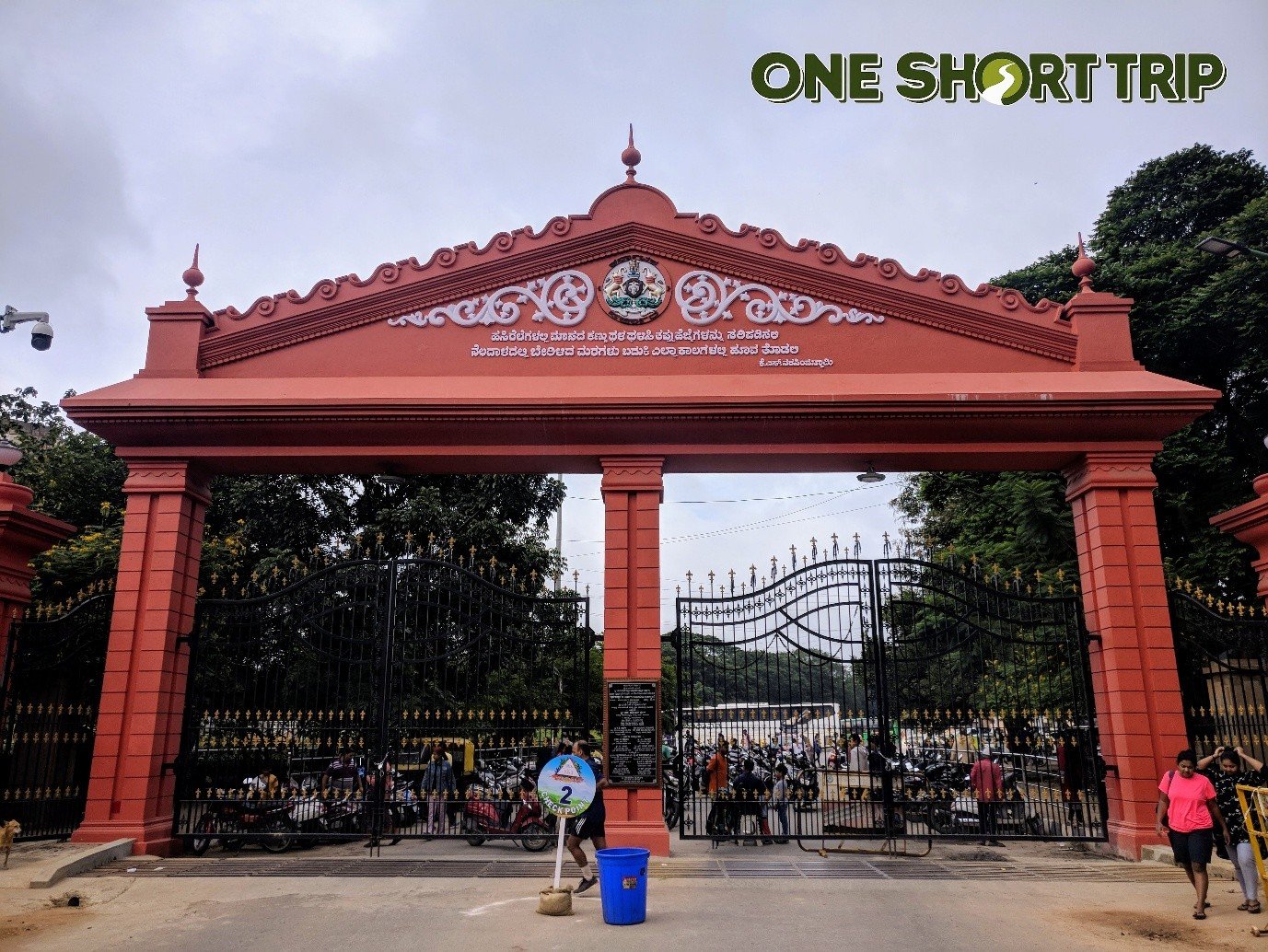

About Bannerghatta National Park
Just a short drive from the busy streets of Bengaluru, Bannerghatta National Park offers one of the city's most accessible ways to experience wildlife, forest landscapes and nature. Spread across a large stretch of the Bannerghatta landscape, the protected forest is known for its dry and moist deciduous vegetation, rocky terrain and importance as a habitat and wildlife corridor in southern Karnataka. For travellers looking for a break from Bengaluru's urban surroundings, Bannerghatta provides a very different experience without requiring a long journey outside the city.
The name Bannerghatta National Park is often used by visitors to describe the entire wildlife attraction near Bengaluru. However, it is useful to understand the distinction between the national park and the Bannerughatta Biological Park. The Biological Park was separated from Bannerghatta National Park as an independent establishment and now contains several visitor attractions, including the zoo, safari, butterfly park and rescue centre. This is the area most tourists visit when planning a Bannerghatta wildlife experience.


Bannerghatta National Park and Bannerughatta Biological Park: What Is the Difference?
One of the most common questions travellers have is whether Bannerghatta National Park and Bannerghatta Biological Park are the same place. They are closely connected, but they are not exactly the same. Bannerughatta Biological Park was carved out of Bannerghatta National Park and developed as a separate wildlife and conservation establishment. Today, the Biological Park covers about 731.88 hectares and contains the main visitor facilities that people associate with a Bannerghatta day trip.
The Biological Park includes the Bannerghatta Zoo, Bannerghatta Safari, Butterfly Park and Rescue Centre. This means that when most tourists search for Bannerghatta safari tickets, Bannerghatta Zoo or Bannerghatta Butterfly Park, they are generally planning a visit to the Biological Park rather than exploring the wider protected forest of Bannerghatta National Park. Understanding this difference makes it much easier to plan your visit and choose the attractions you actually want to experience.


A Wildlife Escape Close to Bengaluru
Bannerghatta is located roughly 22 kilometres south of Bengaluru, making it one of the easiest wildlife destinations to include in a Bangalore itinerary. The journey from the city gradually changes from dense urban development to greener surroundings, giving visitors a noticeable change of atmosphere before they reach the park. This proximity is one of the biggest reasons Bannerghatta is popular with families, weekend travellers, school groups and visitors who have limited time in Bengaluru.
However, Bannerghatta is more than a recreational attraction. The Biological Park combines wildlife education, conservation, research and visitor experiences. Its facilities allow people to see animals in managed environments while learning about wildlife protection and the importance of natural habitats. The park's official information also highlights its conservation and educational objectives rather than treating the attraction simply as an entertainment venue.


What Can You Do at Bannerghatta?
A visit to Bannerghatta can be much more than a single safari ride. The Biological Park has several attractions, allowing visitors to create an experience based on their interests and available time. The main attractions are the Zoo, Safari and Butterfly Park, while the Rescue Centre forms an important part of the park's conservation work. Depending on the ticket selected, visitors can combine several of these experiences during one visit.
For first-time visitors, the safari is usually the highlight because it offers the opportunity to observe large mammals from protected vehicles in spacious, naturalistic surroundings. The zoo provides a closer look at a wider range of animals, while the Butterfly Park offers a completely different experience focused on butterflies, insects, plants and conservation education. This variety is what makes Bannerghatta particularly suitable for families and mixed-age groups.


The Bannerghatta Safari Experience
The Bannerghatta safari is the attraction most visitors look forward to, and for good reason. Rather than walking through individual animal enclosures, visitors enter the safari area in protected buses or safari vehicles. The animals move through large, naturalistic sections designed to resemble the forest environments around Bannerghatta, creating a more immersive experience than a conventional zoo enclosure.
The safari includes different sections for herbivores and large carnivores. Depending on the route and current animal activity, visitors may see deer, antelope, gaur, bears, leopards, lions and tigers. Wildlife sightings can never be guaranteed because animals move freely within their designated areas, but the uncertainty is also part of what makes a safari exciting. The official park describes the safari as an educational experience that allows visitors to observe animals safely while causing minimal disturbance.


From Herbivores to Big Cats
The safari begins with large herbivore areas where different species can move through open landscapes. Deer, antelope and other herbivores are among the animals visitors may encounter. The expansive setting gives these animals considerably more space to move than a small conventional enclosure and helps create the feeling of travelling through a wildlife landscape rather than simply viewing animals behind barriers.
The excitement increases as the safari progresses towards the carnivore sections. Lions, tigers, leopards and bears are among the animals associated with the safari experience. Tigers can sometimes be difficult to spot when they remain in grass or shaded areas, while at other times an animal may come surprisingly close to the protected safari vehicle. Patience is therefore important. The best safari is not necessarily the one where every animal is guaranteed to appear, but the one where visitors take time to observe natural behaviour.


Why the Safari Is Different From a Regular Zoo Visit
A regular zoo visit allows visitors to walk from one enclosure to another, often seeing animals at relatively close range. The Bannerghatta safari provides a different perspective. Visitors remain inside protected vehicles while the animals occupy larger areas designed to resemble their natural surroundings. The experience is therefore closer to wildlife observation, even though the animals in the safari are managed captive populations.
The surrounding landscape also adds to the experience. Bannerghatta lies within a larger forested region with rocky outcrops, hills and deciduous vegetation. The Biological Park's landscape shares characteristics with the adjoining national park, helping visitors understand the connection between wildlife, forest habitat and conservation. The park is also associated with the northern end of the Mysore Elephant Reserve landscape.


Bannerghatta Zoo: More Than Just the Safari
The zoo is another major part of Bannerghatta Biological Park and is worth including if you have enough time. Unlike the safari, the zoo allows visitors to walk between different animal enclosures and observe a broader collection of mammals, birds and reptiles. This makes it particularly useful for families and children who want to learn about several types of wildlife during the same visit.
The zoo also has an important conservation and education role. The Biological Park states that its animals are maintained in naturalistic environments with veterinary care and species-specific enrichment. Visitors should therefore approach the zoo as a place to learn about wildlife and conservation rather than simply as an entertainment attraction.


The Butterfly Park at Bannerghatta
The Butterfly Park offers a completely different side of Bannerghatta. Instead of focusing on large mammals, it introduces visitors to butterflies, moths, insects, host plants and the delicate ecosystems that support them. The park includes a butterfly garden and a controlled conservatory where temperature and humidity are maintained to create suitable conditions for butterflies and their plants.
The Butterfly Park was developed with conservation, research and education in mind. Visitors can learn about butterfly life cycles, breeding, host plants and the role of insects in ecosystems. There is also an insectarium and educational material designed to make the experience useful for students and families. If you are visiting Bannerghatta with children, this section can be particularly engaging because it combines colourful displays with simple lessons about nature.


Bannerghatta as a Conservation and Education Centre
One of the most important things to understand about Bannerghatta is that it is not simply a weekend amusement destination. The Biological Park combines tourism with conservation, animal care, education and research. Its rescue centre provides long-term care for rescued animals, while the zoo and butterfly park help visitors understand the importance of protecting species and their habitats.
The wider Bannerghatta landscape is equally important. Its forests, rocky terrain and wildlife habitats form part of a larger ecological system south of Bengaluru. Visiting the park responsibly means following the rules, avoiding unnecessary disturbance to animals, keeping the surroundings clean and treating the experience as an opportunity to understand wildlife rather than simply photograph it. This makes a day at Bannerghatta more meaningful and helps connect the attractions inside the Biological Park with the larger conservation story of Bannerghatta.
Planning Your Visit to Bannerghatta National Park
A visit to Bannerghatta National Park is best planned around the experiences you want to include. The park is much more than a conventional zoo. Depending on your ticket and the day's operating schedule, you can combine a wildlife safari with the zoo, Butterfly Park and other attractions within the Bannerghatta Biological Park complex. This makes it one of the most varied places to visit near Bengaluru for families, wildlife enthusiasts and travellers looking for a full-day outing.
The safari is usually the main attraction for first-time visitors. Unlike walking through animal enclosures, the safari takes you through larger forested areas where animals can sometimes be seen moving through more natural surroundings. Sightings are never guaranteed, which is part of the experience, but the possibility of seeing lions, tigers, bears, deer and other wildlife makes the journey exciting.

Bannerghatta Safari: What to Expect
The Bannerghatta safari is designed to give visitors an opportunity to observe wildlife from a protected vehicle. The route passes through different sections where animals are kept in large enclosures that resemble their natural habitats. Depending on the safari route and animal activity, visitors may see species such as Bengal tigers, lions, sloth bears, elephants, deer and other wildlife.
Keep your expectations realistic when going on safari. Animals are free to move around their enclosures, so some visits produce excellent sightings while others may be quieter. Avoid making excessive noise or trying to attract animals towards the vehicle. A patient approach makes the safari more enjoyable and is also more respectful towards the wildlife.


The Zoo Area at Bannerghatta
The zoo area provides another way to observe the wildlife of Bannerghatta. Walking between the enclosures gives visitors more time to look at individual animals and learn about different species. For families with children, the zoo can be especially useful because it turns the visit into an educational experience rather than simply a sightseeing trip.
Take your time while moving through the zoo rather than trying to cover every section quickly. Children may enjoy spending longer at particular animal enclosures, while adults interested in wildlife can use the visit to understand more about animal behaviour, habitats and conservation.


Bannerghatta Butterfly Park
The Butterfly Park is one of the most distinctive attractions within the Bannerghatta Biological Park. It is designed as a controlled tropical environment where visitors can observe butterflies at close range. The landscaped surroundings, plants and humid conditions create an environment suitable for different stages of the butterfly life cycle.
The Butterfly Park is particularly enjoyable for children and photographers because butterflies can often be observed resting on plants or moving through the enclosure. Move slowly and avoid touching the butterflies or plants. A quieter approach gives you a better chance of observing their colours and behaviour.


Wildlife Conservation at Bannerghatta
Bannerghatta Biological Park also has an important conservation role. Its facilities include areas associated with wildlife rescue, rehabilitation and conservation education. This adds another dimension to the visitor experience because the park is not only a recreational attraction but also a place where visitors can learn about the challenges faced by wild animals and the importance of protecting their habitats.
The wider Bannerghatta landscape is part of a larger ecological region south of Bengaluru. Protecting forests and wildlife corridors in this part of Karnataka is important for maintaining habitats for native species. Visitors can contribute simply by following park rules, avoiding litter and treating the animals and their surroundings with respect.


How Much Time Do You Need at Bannerghatta National Park?
A quick visit focusing mainly on the safari can take a few hours, but travellers who want to experience the safari, zoo and Butterfly Park should plan a larger part of the day. Families with young children may also need additional time for breaks, food and moving between attractions.
Starting early is generally a good strategy because you can complete the major attractions before the afternoon becomes tiring. It also gives you more flexibility if there are queues for tickets or safari vehicles. Check the operating schedule and ticket availability before travelling because individual attractions may follow different timings.


Best Time to Visit Bannerghatta National Park
Bannerghatta National Park can be visited throughout much of the year, but the experience changes with the seasons. The cooler months from October to February are generally comfortable for spending several hours outdoors. The monsoon months can make the surroundings greener, while summer afternoons can feel warmer and may be less comfortable for walking.
For the most comfortable experience, aim for the morning and try to avoid the hottest part of the day. Weekdays can also be preferable if your schedule allows, particularly if you want to spend more time at the attractions without the heavier crowds often seen on weekends and public holidays.


How to Reach Bannerghatta National Park from Bengaluru
Bannerghatta National Park is located to the south of Bengaluru and is connected to the city by road. Visitors can travel by private car, taxi or BMTC bus services operating towards Bannerghatta. Driving is convenient for families carrying food, water and other essentials, while taxis can be useful for visitors who do not want to drive through Bengaluru traffic.
Travel time depends heavily on where you start and the traffic conditions on the day. Bengaluru traffic can make the journey considerably longer during peak hours, so leave early if you have a particular safari or ticket slot in mind. It is better to reach the park before your planned activity rather than trying to arrive at the last minute.


Tips for Families Visiting Bannerghatta
Bannerghatta is particularly suitable for a family day trip because several attractions can be combined in one visit. Carry drinking water, comfortable footwear, sun protection and any essentials needed by children or older family members. The park involves walking as well as time spent in vehicles, so comfortable clothing and footwear can make the day easier.
Keep children close during the visit and follow all instructions around animal enclosures and safari vehicles. Do not feed the animals, lean out of safari vehicles or make loud noises to attract wildlife. If you are travelling with senior citizens, plan regular breaks and avoid trying to cover every attraction too quickly.


What to Carry for Bannerghatta National Park
A comfortable day at Bannerghatta starts with simple preparation. Carry a reusable water bottle, sunglasses, sunscreen, a hat or cap and comfortable walking shoes. During the monsoon, rain protection is useful. A small bag with essential medicines, tissues and other personal requirements can also be helpful, particularly for families and senior travellers.
Avoid carrying unnecessary food into areas where it is not permitted and never offer food to wildlife. Keep plastic and other waste with you until you find the appropriate disposal point. Binoculars and a camera can add to the experience, but always follow the park's current photography and equipment rules.
Nearby Places to Visit
If you are planning a longer outing in south Bengaluru, Bannerghatta National Park can be combined with other attractions depending on your available time. Nearby options include Lalbagh Botanical Garden, Hulimavu Lake and other parts of south Bengaluru. However, because Bannerghatta itself can take several hours, it is usually better to keep the rest of the day's itinerary flexible rather than trying to visit too many places.
For travellers looking for a wildlife-focused day trip from Bengaluru, Bannerghatta offers a combination that is difficult to find elsewhere so close to the city. The safari, zoo, Butterfly Park and conservation facilities allow visitors to experience wildlife, learn about nature and spend quality time outdoors without travelling far from Bengaluru.