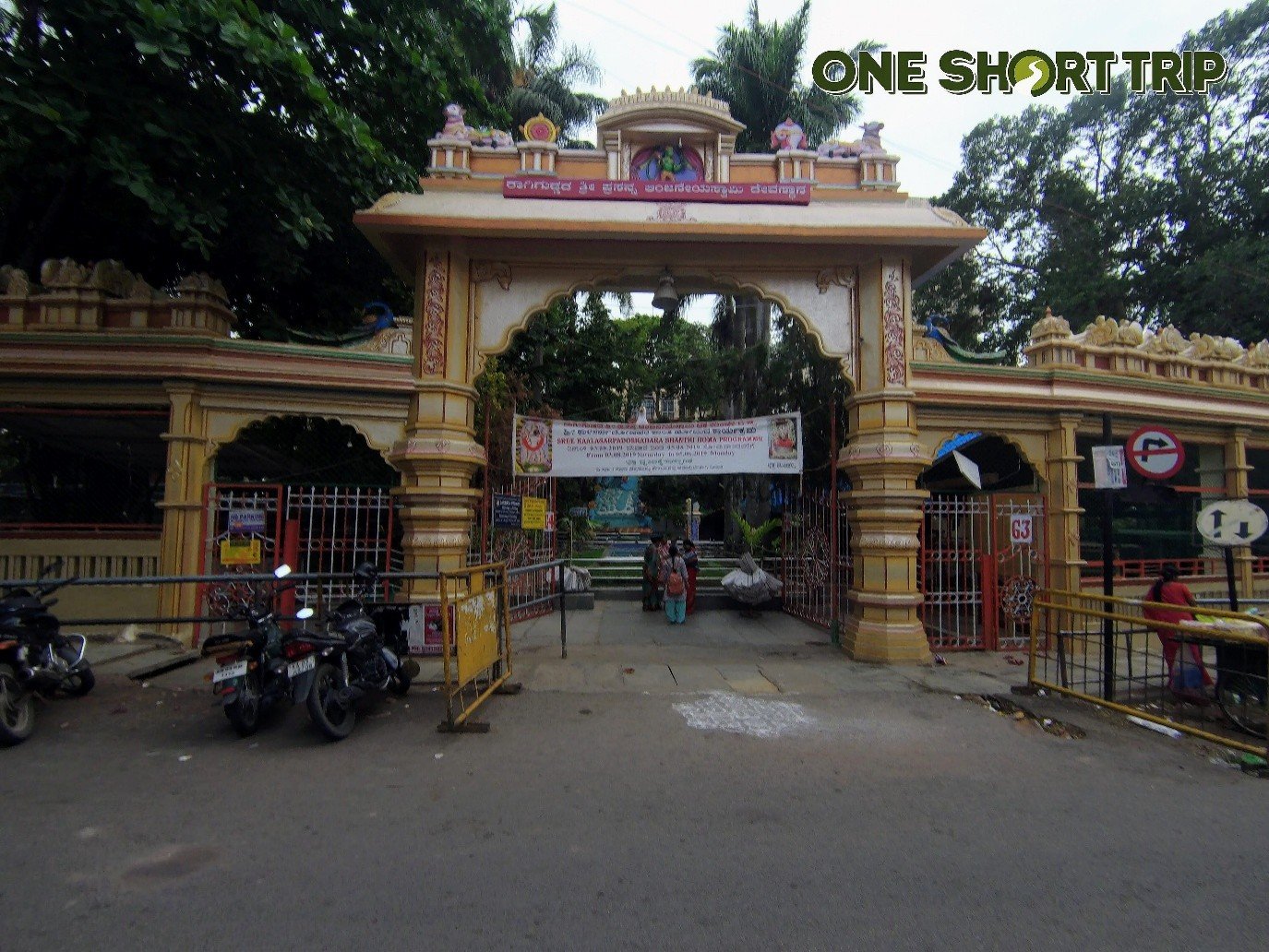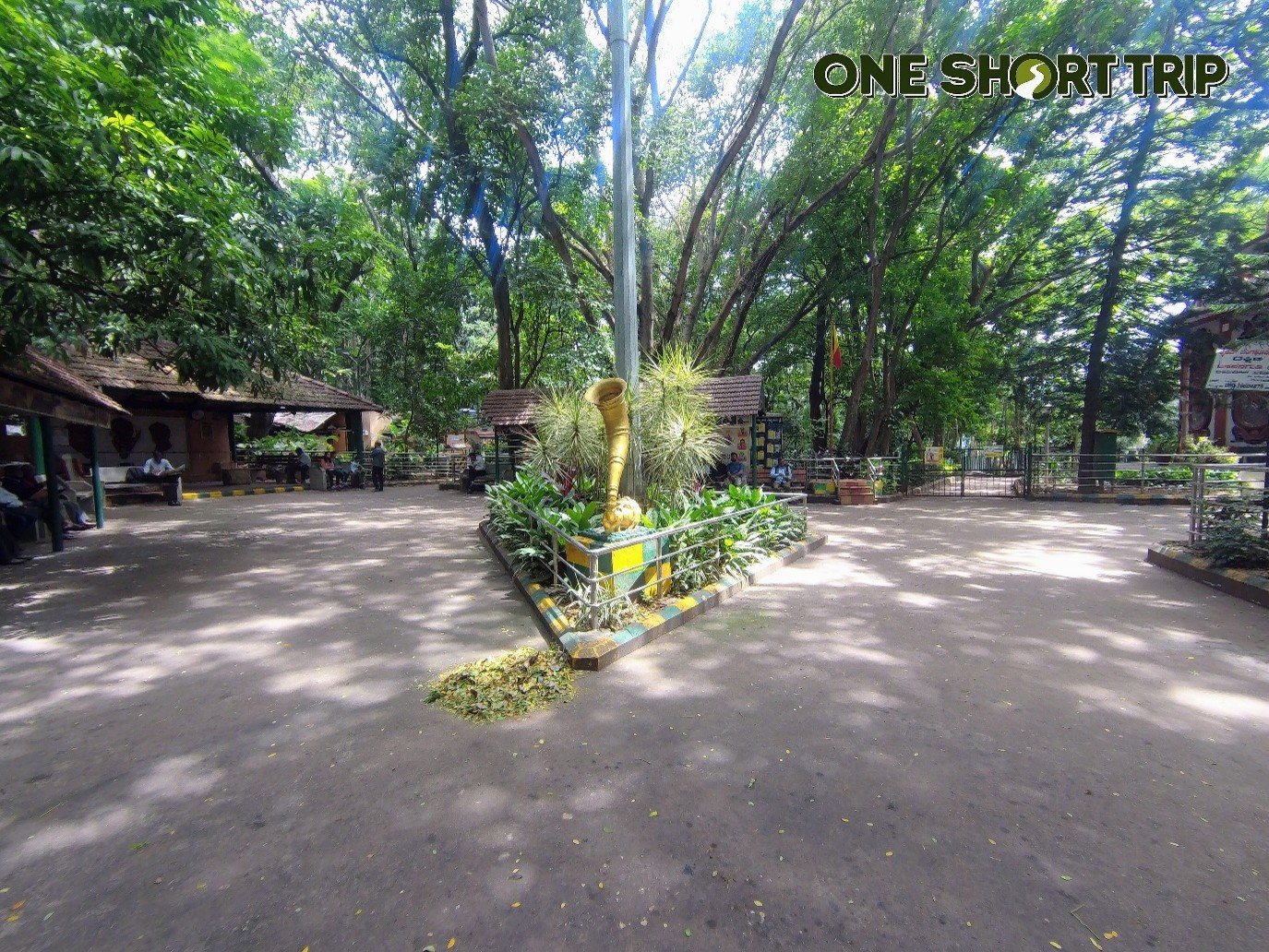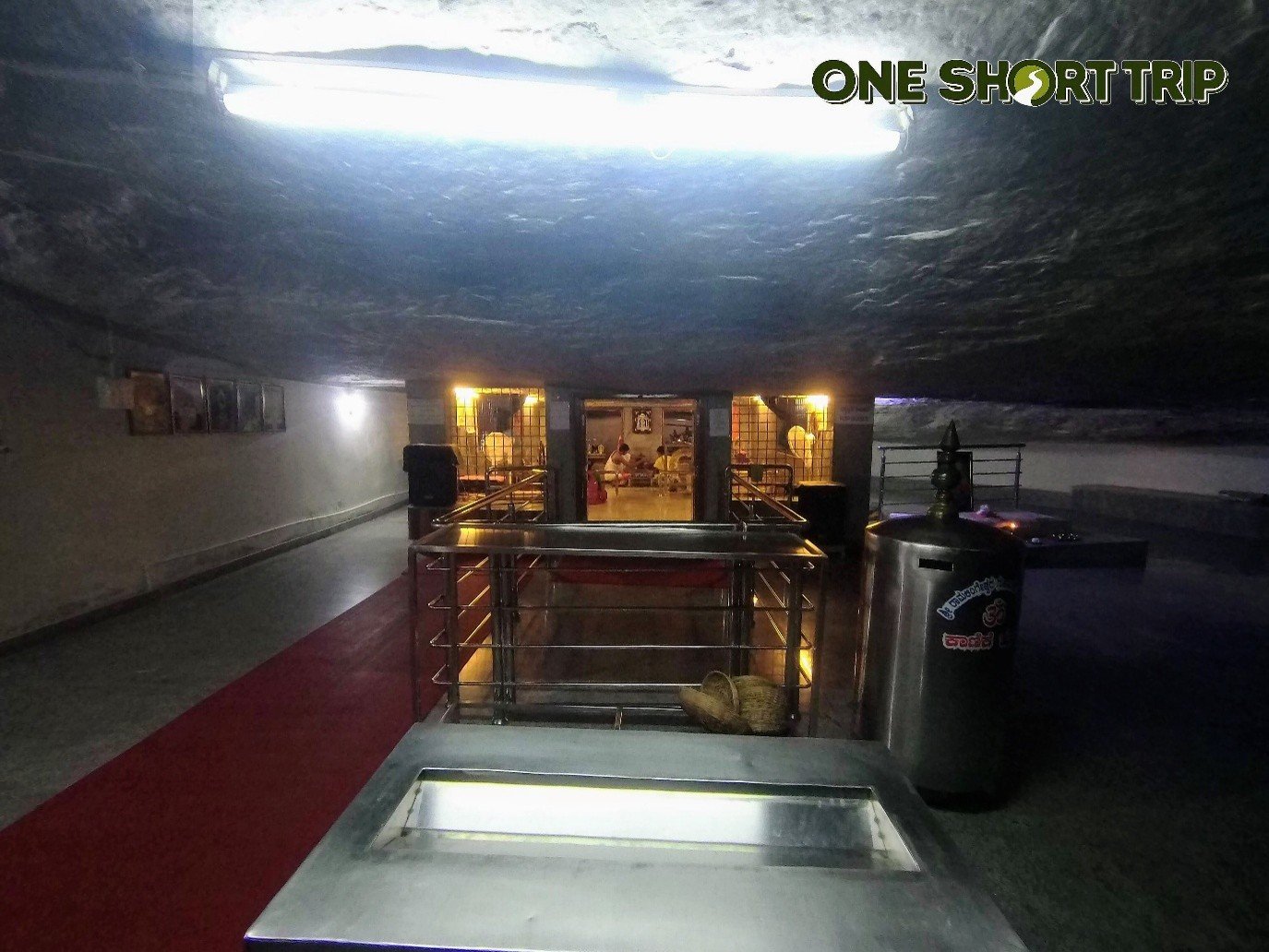
About Shrungagiri Sri Shanmukha Swami Temple
Shrungagiri Sri Shanmukha Swami Temple is a distinctive hilltop temple dedicated to Lord Shanmukha, the six-faced form of Lord Subrahmanya. Located in Rajarajeshwari Nagar in Bengaluru, the temple is known for its striking architecture, spiritual atmosphere and unusual design features. Unlike many of Bengaluru's older temples, Shrungagiri is a relatively modern temple whose identity comes from the way traditional Hindu worship has been combined with innovative architecture and engineering.
The temple stands on Shrungagiri Hill and is easily recognised by its remarkable six-faced gopuram. The entire architectural concept revolves around Lord Shanmukha and the symbolism of his six faces. The hilltop setting, distinctive temple tower, Crystal Dome and carefully planned geometric design make Shrungagiri Sri Shanmukha Swami Temple one of the most unusual temples to visit in Bengaluru.
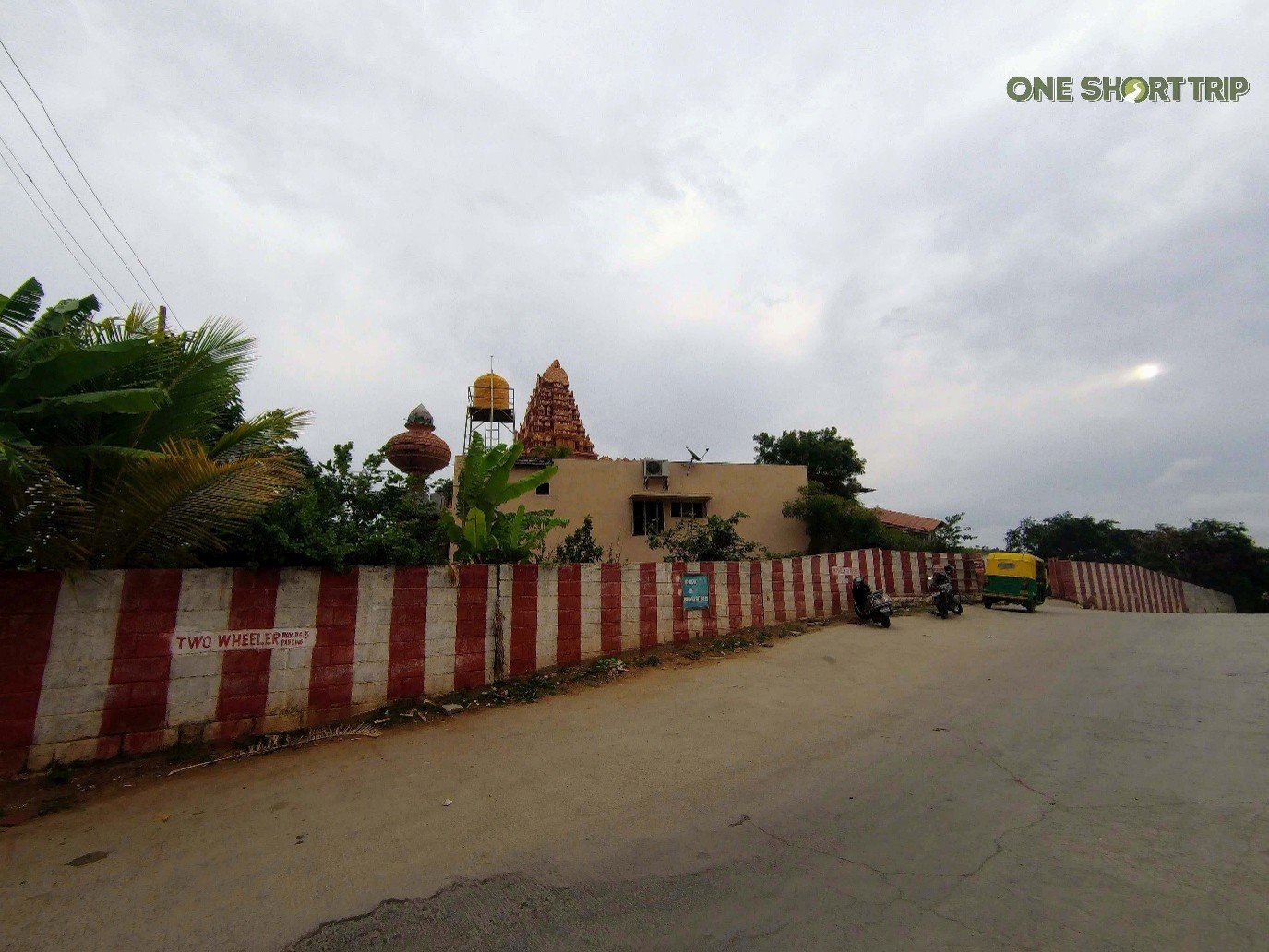


History and Origin of Shrungagiri Shanmukha Temple
Shrungagiri Sri Shanmukha Swami Temple was established on the hillock at Rajarajeshwari Nagar with the blessings and guidance of Jagadguru Sri Sri Bharathi Tirtha Mahaswamiji of Sri Sharada Peetham, Sringeri. The temple project was entrusted to architect Dr. R. Arunachalam, whose design gave the hill a distinctive religious and architectural landmark.
From the beginning, the temple was conceived around Lord Shanmukha's six-faced form. Rather than following only a conventional temple design, the architects incorporated the symbolism of six faces into the structure itself. This concept can be seen in the gopuram, the geometric arrangement of the temple and several other architectural elements throughout the complex.


Why Is Shrungagiri Temple Famous?
Shrungagiri is particularly famous for its six-faced gopuram, which represents Lord Shanmukha and gives the temple its instantly recognisable appearance. The temple is also known for its Crystal Dome, star-shaped architectural elements and a specially designed solar tracking system associated with Surya Kirana Abhisheka.
These features make the temple different from many conventional temples in Bengaluru. A visit here is therefore not only about darshan. Visitors can also appreciate the symbolism behind the architecture, the use of natural light and the way modern engineering has been incorporated into a place of worship.
Lord Shanmukha – The Six-Faced Form of Lord Subrahmanya
Lord Shanmukha is another name for Lord Subrahmanya, who is also widely known as Murugan, Kartikeya, Skanda and Kumara. The word Shanmukha refers to the deity's six-faced form. This six-fold identity is the central theme of Shrungagiri Sri Shanmukha Swami Temple.
Lord Subrahmanya is traditionally associated with courage, wisdom, spiritual strength and the victory of good over negative forces. Devotees visit Shanmukha temples to offer prayers, seek blessings and participate in special worship associated with the deity.
At Shrungagiri, the six-faced form is not limited to the main shrine. It becomes the defining architectural idea of the entire temple, making the building itself an expression of the deity's identity.
The Six-Faced Gopuram
The six-faced gopuram is the most prominent architectural feature of Shrungagiri Sri Shanmukha Swami Temple. The tower is designed around the six faces of Lord Shanmukha, making it immediately different from the traditional tiered gopurams seen at many South Indian temples.
The gopuram rises above the hilltop temple and can be seen from the surrounding area. Its six faces provide the clearest visual representation of the temple's central religious concept. For first-time visitors, this is usually the feature that makes Shrungagiri instantly recognisable.
A Symbolic Architectural Design
The temple's architecture repeatedly reflects the number six, connecting the physical structure with Lord Shanmukha's six-faced form. This makes the building itself an important part of understanding the temple.
The Crystal Dome
One of the most striking features above the six-faced gopuram is the Crystal Dome. The dome is an important part of the temple's modern architectural character and adds another layer of visual symbolism to the hilltop structure.
The dome incorporates numerous crystals that interact with sunlight during the day. As light passes through the crystals, it creates changing patterns and colourful reflections. The dome can also be illuminated after sunset, giving the temple a different appearance in the evening.
The Crystal Dome is one of the reasons visitors often spend time looking at the temple from different angles rather than simply entering for darshan and leaving immediately.
Surya Kirana Abhisheka
Another unusual feature of Shrungagiri is its solar tracking system. The temple incorporates a mechanism designed to follow the movement of the sun and direct sunlight towards the main deity.
This is associated with Surya Kirana Abhisheka, which can be understood as the symbolic bathing of Lord Shanmukha in the rays of the sun. The idea brings together the movement of the sun, natural light and traditional worship in a way that is unusual for a modern temple.
Star-Shaped Temple Architecture
The six-fold concept continues into the geometric design of the temple. Several sections of the complex use star-shaped forms, creating a visual connection between the sanctum, surrounding areas and the overall structure.
The sanctum, surrounding prakara, devotees' hall, outer walls and roof elements are part of the temple's broader architectural concept. Visitors interested in temple architecture should therefore look beyond the main gopuram and observe the geometry of the surrounding structure as well.
The Main Shrine of Lord Shanmukha
The main sanctum is dedicated to Lord Shanmukha. While the exterior of the temple is notable for its unusual modern design, the heart of the complex remains a traditional place of Hindu worship where devotees come for darshan and prayers.
The six-faced form of Lord Shanmukha creates a direct connection between the deity inside the sanctum and the six-faced gopuram outside. This relationship between the deity and architecture is one of the defining characteristics of Shrungagiri Sri Shanmukha Swami Temple.
Panchamukhi Ganesha Shrine
The temple complex also includes a Panchamukhi Ganesha shrine. Lord Ganesha is worshipped in a distinctive five-faced form, adding another interesting element to the temple's collection of unique religious representations.
Visitors can include the Panchamukhi Ganesha shrine as part of their temple visit before or after offering prayers to Lord Shanmukha. The presence of this shrine makes the complex more than a single-deity temple and gives visitors additional sacred spaces to explore.
Why Shrungagiri Is Worth Visiting
- It is a prominent Bengaluru temple dedicated to Lord Shanmukha.
- The six-faced gopuram gives the temple a unique identity.
- The Crystal Dome creates a distinctive architectural and visual feature.
- The temple incorporates a solar tracking concept connected with Surya Kirana Abhisheka.
- Its star-shaped architectural design reflects the temple's six-fold concept.
- The hilltop location provides a peaceful setting within Bengaluru.
- The Panchamukhi Ganesha shrine adds another important devotional stop.
- It is suitable for devotees, families and visitors interested in distinctive temple architecture.
Shrungagiri Sri Shanmukha Swami Temple at a Glance
Location: Rajarajeshwari Nagar, Bengaluru, Karnataka
Hill: Shrungagiri Hill
Main deity: Lord Shanmukha / Subrahmanya
Also known as: Murugan, Kartikeya and Skanda
Main architectural feature: Six-faced gopuram
Other major feature: Crystal Dome
Unique concept: Surya Kirana Abhisheka and solar tracking system
Additional shrine: Panchamukhi Ganesha
Best suited for: Devotion, architecture, family visits and peaceful temple exploration
How to Reach Shrungagiri Sri Shanmukha Swami Temple
Shrungagiri Sri Shanmukha Swami Temple is located in Rajarajeshwari Nagar in the western part of Bengaluru. Because it is within the city, the temple can be reached by car, cab, auto-rickshaw, bus and Bengaluru Metro, depending on your starting point. The road approach is generally straightforward, making it possible to include the temple in a half-day Bengaluru sightseeing plan.
If you are travelling from another part of Bengaluru, allow extra time during peak traffic hours. For a relaxed temple visit, early morning or the later part of the afternoon can be more comfortable than travelling during the busiest commute periods.


Reaching Shrungagiri Temple by Metro
Bengaluru Metro can be a convenient option for visitors coming from areas connected to the Purple, Green and other operational metro corridors, followed by a short road journey towards Rajarajeshwari Nagar. The most suitable metro station depends on your starting location and the metro services operating on the day of travel.
Since Bengaluru's metro network continues to expand and routes can change, it is best to check the current Namma Metro route and station information before starting the journey rather than relying on an old route description.
Reaching Shrungagiri Temple by Road
For families and groups, travelling by car or cab is usually the simplest option because it allows you to travel directly to the temple and combine the visit with other places in Bengaluru. Ride-hailing cabs and local taxis can also be used depending on availability.
Visitors driving to the temple should use live navigation on the day of travel because Bengaluru traffic can significantly change journey times. If you are visiting on a major festival day, allow additional time for traffic and parking.


Best Time to Visit Shrungagiri Sri Shanmukha Swami Temple
Shrungagiri Sri Shanmukha Swami Temple can be visited throughout the year. The most comfortable time depends on whether your priority is peaceful darshan, festival atmosphere, pleasant weather or seeing the temple architecture in different lighting conditions.
- Early morning: A good choice for devotees who prefer a quieter atmosphere and cooler weather.
- Late afternoon: Suitable for combining the temple with other Bengaluru sightseeing.
- Evening: A good time to experience the temple exterior and its illuminated appearance.
- Festival days: Best for experiencing special devotional activity, but expect larger crowds.
- Weekdays: Generally preferable if you want a more relaxed visit.
Temple Timings and Darshan
The temple generally follows separate morning and evening visiting periods, with a break during the afternoon. Published timings can vary between sources and may change during festivals, special poojas and other temple events.
Before You Visit
Check the current temple schedule before travelling, especially if you are planning your visit around a particular pooja, festival or special darshan. Temple timings can differ on important religious occasions.
How Much Time Do You Need at Shrungagiri Temple?
A short darshan can take less time, but visitors who want to explore the temple properly should avoid treating Shrungagiri as a quick stop. There are several architectural features worth seeing, including the six-faced gopuram, Crystal Dome, geometric design and additional shrines.
Keeping around 1 to 2 hours is a practical choice for a relaxed visit. During festivals and busy periods, allow more time because queues and movement around the temple can take longer.
Is Shrungagiri Temple Suitable for Families?
Yes. Shrungagiri Sri Shanmukha Swami Temple can be included in a family outing in Bengaluru. Children may find the unusual six-faced tower and Crystal Dome particularly interesting, while parents and grandparents can combine the visit with prayers and other nearby attractions.
Families visiting with young children should keep an eye on them around steps, crowded areas and temple entrances. On festival days, the number of visitors can increase significantly.
Is Shrungagiri Temple Suitable for Senior Citizens?
Senior citizens can visit Shrungagiri, but the hilltop setting and movement through the temple complex should be considered when planning the visit. The easiest experience is usually achieved by travelling directly to the temple, avoiding the busiest periods and allowing enough time without rushing.
If a senior traveller has difficulty with steps or walking, it is advisable to check the temple's current accessibility arrangements before visiting. Conditions and access facilities can change, particularly during large festivals.
Temple Dress Code and Etiquette
Shrungagiri Sri Shanmukha Swami Temple is a place of worship, so visitors should dress modestly and behave respectfully within the temple premises. Comfortable traditional or conservative clothing is a suitable choice, especially when visiting with family or during religious occasions.
- Dress respectfully while entering the temple.
- Follow instructions from temple staff and priests.
- Maintain silence and avoid disturbing devotees during prayers.
- Follow the temple's rules regarding footwear and restricted areas.
- Do not touch idols, sacred objects or temple structures unless permitted.
- Follow current photography rules inside the temple.
Photography at Shrungagiri Temple
The distinctive exterior architecture makes Shrungagiri an interesting place for photography. The six-faced gopuram, hilltop setting and Crystal Dome provide several strong visual elements, especially when viewed from different parts of the surrounding area.
Photography restrictions may apply inside the sanctum or other areas of the temple. Always follow the latest instructions displayed at the temple rather than assuming that photography is permitted everywhere.
Shrungagiri Temple for Devotees of Lord Murugan
Devotees of Lord Murugan, also known as Lord Subrahmanya, Skanda or Kartikeya, can include Shrungagiri as an important spiritual stop in Bengaluru. The temple's focus on Shanmukha makes it particularly distinctive for devotees interested in the six-faced form of the deity.
The temple can also be considered as part of a wider Bengaluru temple trail, especially for visitors interested in exploring different forms of Lord Ganesha, Shiva, Devi and Subrahmanya worship across the city.
Places to Visit Near Shrungagiri Sri Shanmukha Swami Temple
Because Shrungagiri is located within Bengaluru, the temple can be combined with other attractions depending on your route and available time. Rajarajeshwari Nagar and the western side of Bengaluru offer several temples, parks and local attractions that can be added to a city sightseeing plan.
For a temple-focused outing, you can combine Shrungagiri with other prominent Bengaluru temples. For a broader family day out, choose nearby attractions that fit your travel direction rather than trying to cross the city multiple times.
Suggested Half-Day Plan
- Start early: Travel towards Rajarajeshwari Nagar before the busiest traffic period.
- Visit Panchamukhi Ganesha: Begin your temple visit with the additional shrine near the entrance.
- Darshan of Lord Shanmukha: Spend time at the main shrine and offer your prayers.
- Explore the architecture: Observe the six-faced gopuram, star-shaped design and Crystal Dome.
- Spend a few quiet moments: Take in the hilltop setting before leaving.
- Continue sightseeing: Add nearby temples or attractions based on your route.
Things to Keep in Mind Before Visiting
- Check current temple timings before leaving.
- Allow extra travel time during Bengaluru peak traffic.
- Expect more visitors during major Murugan festivals.
- Wear comfortable and respectful clothing.
- Carry water, especially if you are visiting during warmer weather.
- Senior citizens should plan the visit without rushing.
- Follow all current temple instructions regarding photography and restricted areas.
- Do not rely on old information for festival schedules, pooja timings or special events.
A Peaceful Temple Experience in Bengaluru
Shrungagiri Sri Shanmukha Swami Temple offers a different kind of temple experience within Bengaluru. Its spiritual importance comes from its dedication to Lord Shanmukha, while its visual identity comes from the six-faced gopuram, Crystal Dome and unusual architectural design.
Whether you are visiting for darshan, exploring Bengaluru's important temples or simply interested in distinctive Indian temple architecture, Shrungagiri is worth including in your itinerary. The best experience comes when you give yourself enough time to see both the sacred spaces and the architectural details that make this hilltop temple unique.
Plan Your Visit
Temple: Shrungagiri Sri Shanmukha Swami Temple
Location: Rajarajeshwari Nagar, Bengaluru, Karnataka
Deity: Lord Shanmukha / Subrahmanya
Type: Hilltop Hindu temple
Recommended time: Around 1–2 hours
Best for: Darshan, Murugan devotees, families, temple lovers and architecture enthusiasts
Signature attractions: Six-faced gopuram, Crystal Dome, star-shaped design and Surya Kirana Abhisheka concept
Planning tip: Check current timings and special-event schedules before travelling.