Sri Satyanarayana Temple, Bannerghatta Road – A Complete Guide
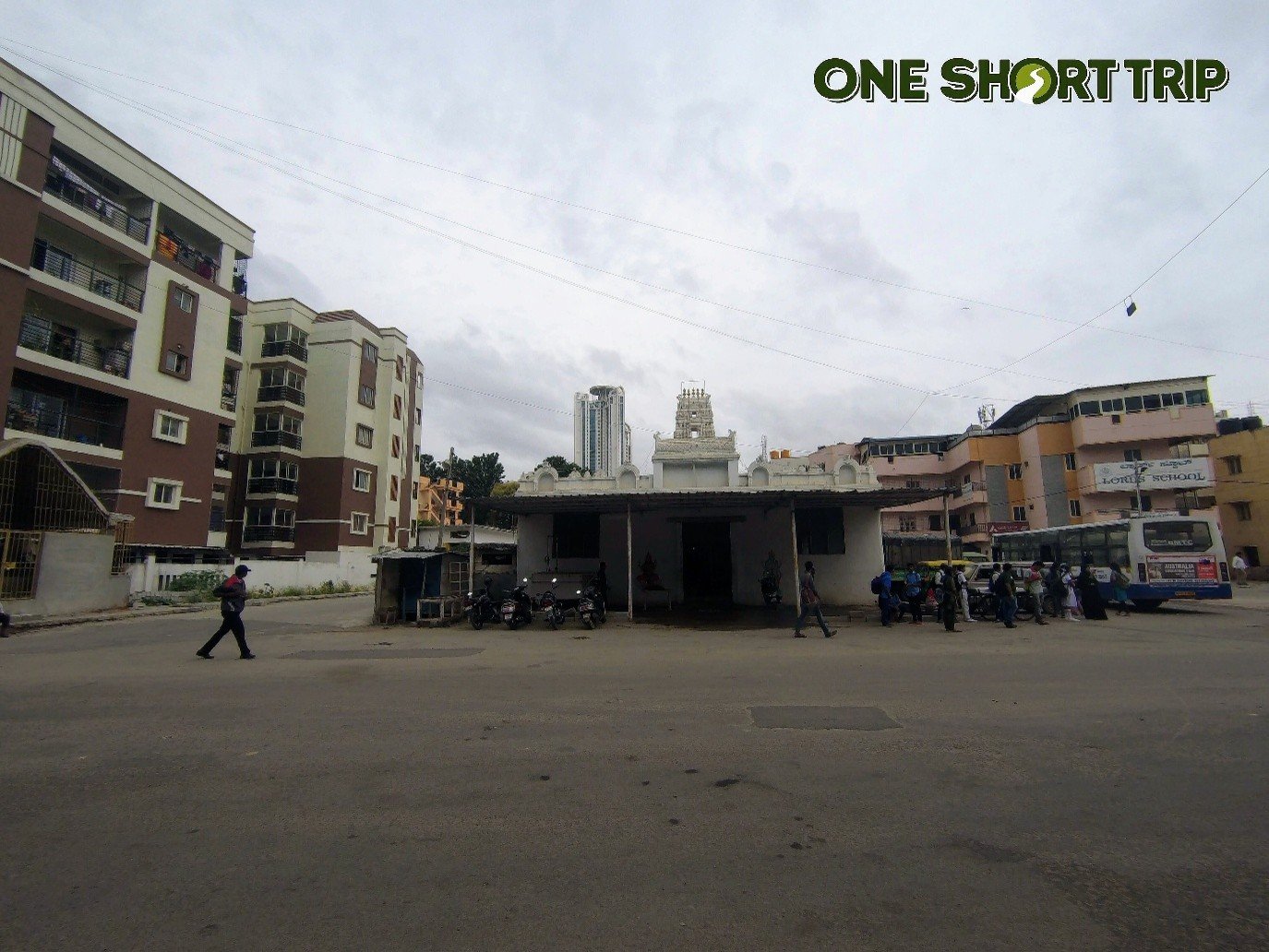

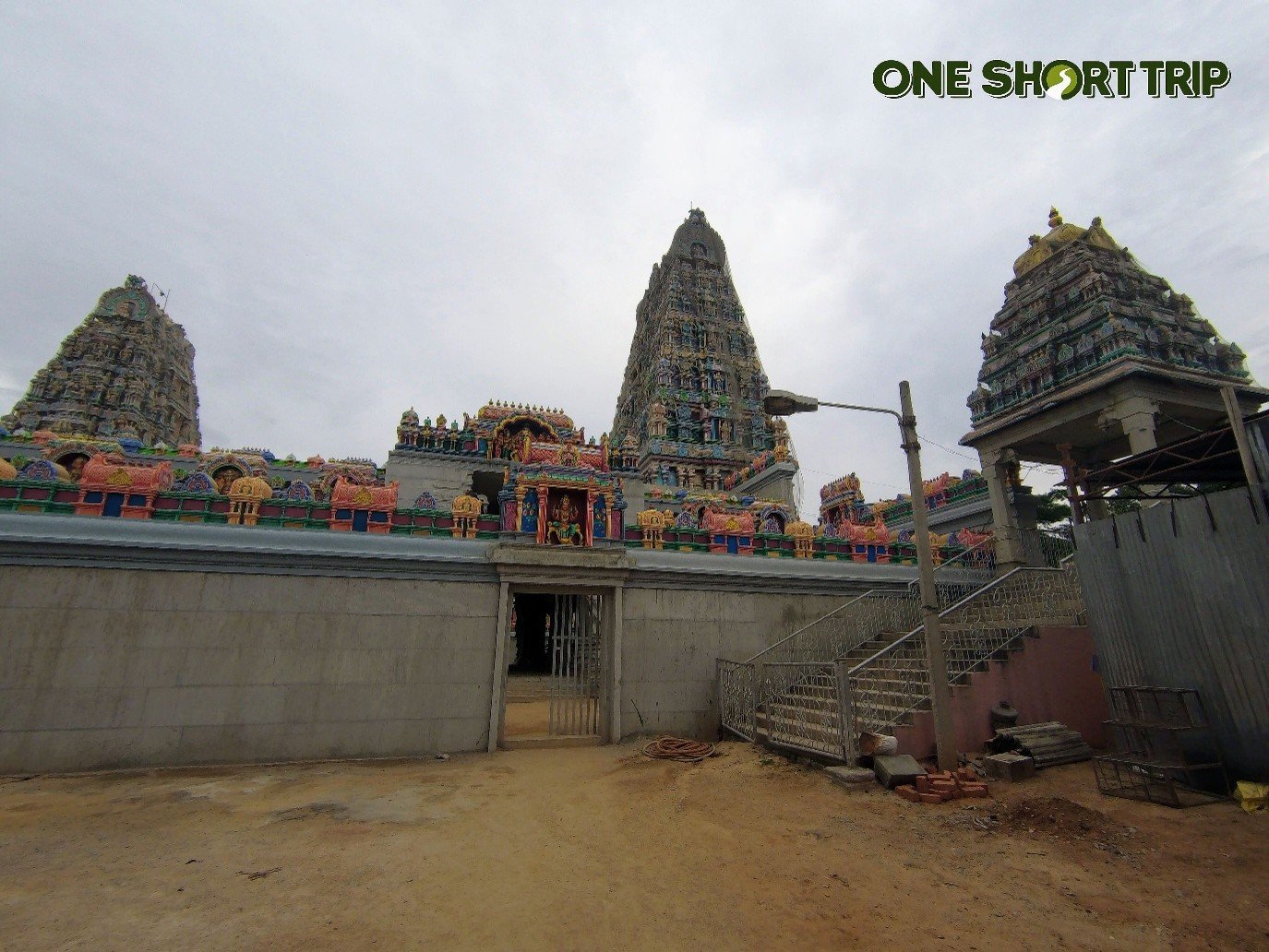
Sri Satyanarayana Temple in Hulimavu, Bengaluru, is a peaceful temple dedicated to Lord Satyanarayana, a revered form of Lord Vishnu. Located near the Bannerghatta Road corridor, the temple is visited by devotees seeking darshan, prayer and a quiet spiritual experience away from the busy city surroundings.
The temple is particularly associated with Sri Satyanarayana Vratha and Satyanarayana Katha, a traditional form of Vishnu worship in which families come together for prayers, offerings and the narration of the sacred Katha. This makes the temple an important place of worship for families living around Hulimavu, Bannerghatta Road and nearby parts of south Bengaluru.
Why Is Sri Satyanarayana Temple Famous?
Sri Satyanarayana Temple is primarily known for its association with Lord Satyanarayana worship and the Satyanarayana Vratha. Devotees visit the temple for regular darshan as well as for religious occasions when they wish to perform or participate in Satyanarayana Puja.
The temple has a local and devotional character rather than being a large tourist monument. For visitors exploring the temples of south Bengaluru, it offers an opportunity to experience a traditional neighbourhood place of worship and understand the continuing importance of Satyanarayana worship in Hindu family traditions.
Who Is Lord Satyanarayana?
Lord Satyanarayana is a devotional form of Lord Vishnu. Satyanarayana worship is traditionally connected with truth, devotion, gratitude and keeping one's promises. The Satyanarayana Katha narrates stories that emphasise faith, devotion and the importance of fulfilling one's commitments.
Families commonly perform Satyanarayana Puja during important occasions such as housewarming ceremonies, weddings, birthdays, anniversaries, business beginnings and other personal milestones. Purnima, or the full-moon day, is also traditionally considered an auspicious occasion for Satyanarayana worship.
Sri Satyanarayana Vratha at the Temple
The Satyanarayana Vratha is one of the main reasons devotees may choose this temple for a special religious visit. The ceremony generally includes ritual worship, offerings, prayers and the narration of the Satyanarayana Katha. Families can participate together, making it a meaningful form of household worship.
If you plan to perform the Vratha at the temple, it is advisable to confirm the current schedule, booking procedure, required pooja materials and applicable charges with the temple before visiting. Vratha timings may differ from normal darshan hours.
Why Do Devotees Perform Satyanarayana Puja?
Satyanarayana Puja is traditionally performed as an expression of devotion and gratitude towards Lord Vishnu. Devotees may undertake the ritual while praying for peace, prosperity, family well-being, success and blessings during important stages of life.
The ceremony is especially meaningful for families because everyone can participate in the prayers and listen to the Satyanarayana Katha together. The religious benefits associated with the ritual are matters of faith and personal belief.
Pournima and Satyanarayana Worship
Pournima, the full-moon day, is traditionally regarded as an auspicious time for Satyanarayana worship. Devotees may therefore choose to visit the temple around Pournima to participate in special prayers or a Satyanarayana Vratha.
Visitors planning a Pournima visit should expect the temple to potentially be busier than on a normal weekday. If you are visiting specifically for a Vratha or special pooja, checking the day's schedule beforehand is recommended.
A Peaceful Temple in Hulimavu
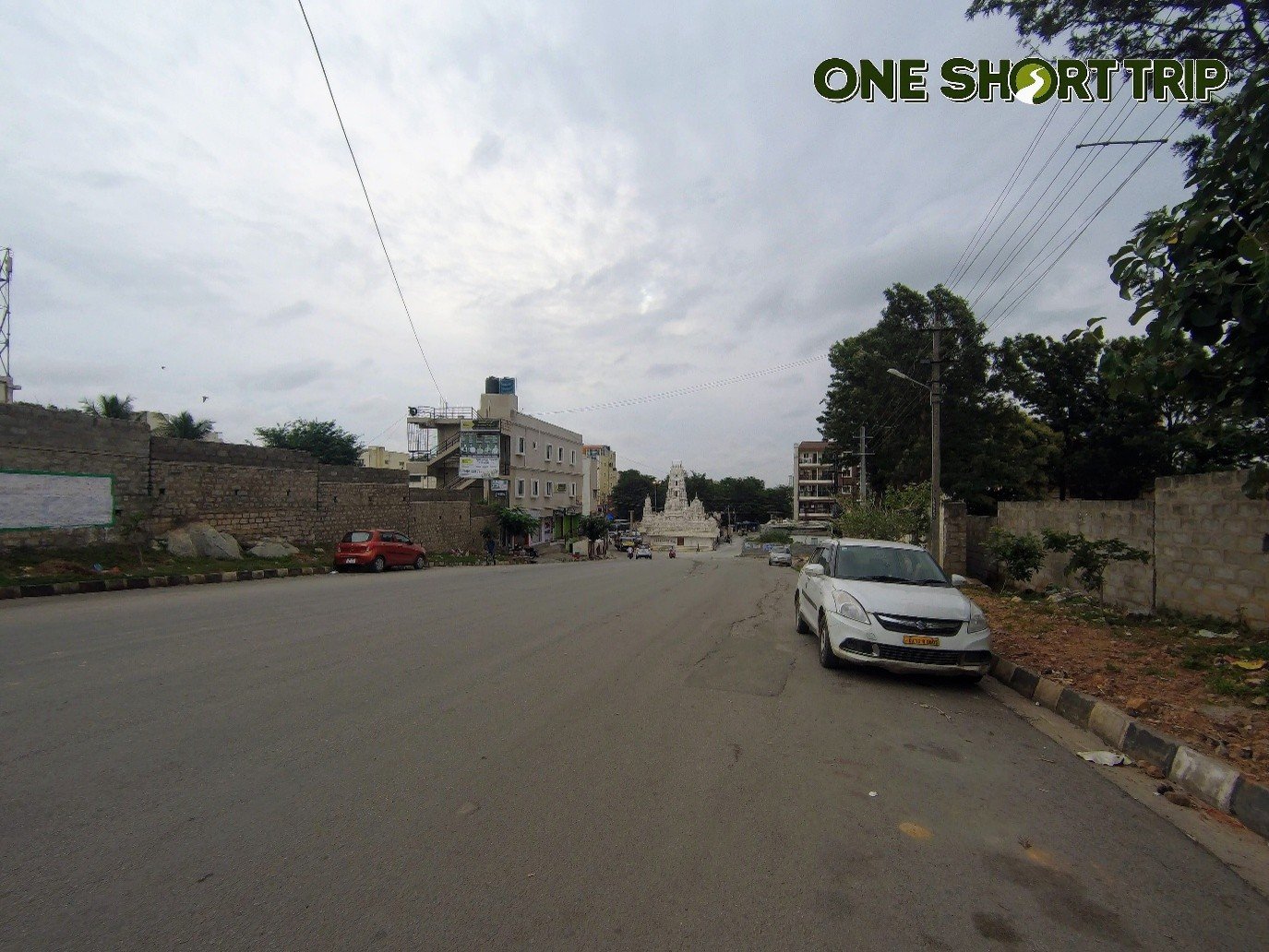
Hulimavu and Bannerghatta Road are among the rapidly developing parts of Bengaluru, yet Sri Satyanarayana Temple provides a quiet setting for prayer and reflection. Its neighbourhood character makes it particularly convenient for residents who want to visit a Vishnu temple without travelling far across the city.
For travellers, the temple can also be included in a wider south Bengaluru temple itinerary. Its location allows visitors to combine the visit with other temples, parks, food destinations and attractions around Bannerghatta Road and Hulimavu.
Visiting Sri Satyanarayana Temple, Bannerghatta Road


Sri Satyanarayana Temple is located in Hulimavu, Bengaluru, close to the Bannerghatta Road corridor. Because it is situated in a busy part of south Bengaluru, the temple is relatively easy to include in a local temple visit or a wider day trip covering attractions in the surrounding area.
A visit does not need to take an entire day. If you are coming only for darshan, a short visit may be sufficient, while devotees attending a Satyanarayana Vratha or special pooja should allow additional time depending on the day's programme.
Sri Satyanarayana Temple Timings
Temple timings can vary depending on the day, special poojas and religious occasions. Before travelling specifically for darshan or a Satyanarayana Vratha, it is best to confirm the current opening hours and day's programme with the temple.
Special occasions such as Pournima may attract more devotees and can have a different schedule from an ordinary day.
Is There an Entry Fee?
There is generally no separate entrance ticket required for ordinary temple darshan. However, devotees choosing specific services such as archana, special pooja or Satyanarayana Vratha may have to pay the applicable service or ritual charges.
If you are planning a special ceremony, confirm the current charges and booking requirements directly with the temple before your visit.
How Much Time Should You Spend at the Temple?
For a simple darshan, you can usually plan a short visit. The actual time will depend on the crowd, ongoing poojas and whether you are visiting during a special religious occasion.
If you are participating in a Satyanarayana Vratha, allow considerably more time because the ceremony includes several stages of worship and the narration of the Katha.
Best Time to Visit Sri Satyanarayana Temple
For a quieter visit, weekday mornings are generally a practical choice. Pournima, weekends and special religious occasions can be busier, particularly when special poojas or Vrathas are scheduled.
If your priority is participating in a Satyanarayana Vratha rather than simply having darshan, choose your date based on the temple's ritual schedule instead of crowd levels.
How to Reach Sri Satyanarayana Temple
By Road
The temple is located in the Hulimavu area near Bannerghatta Road and can be reached by car, cab or auto-rickshaw from different parts of Bengaluru. Navigation apps are useful for checking the best route based on current traffic conditions.
By Bus
BMTC buses operate along the Bannerghatta Road corridor and provide connectivity between Hulimavu and several parts of Bengaluru. Depending on your starting point, you may need a short auto-rickshaw or walk from the nearest convenient bus stop.
By Metro
Metro connectivity can be combined with a road journey for visitors travelling from other parts of Bengaluru. Since the nearest convenient station and last-mile route can depend on the current metro network and your starting point, check the latest Bengaluru Metro route before travelling.
By Car or Cab
Driving or taking a cab is convenient for families and groups. However, traffic on Bannerghatta Road can be heavy during peak hours, so allow additional travel time when planning a temple visit.
What to Wear When Visiting the Temple
Wear clean and modest clothing suitable for a place of worship. Traditional Indian clothing is welcome, but it is not necessary unless a particular ritual or ceremony has specific requirements.
Visitors participating in a Satyanarayana Vratha should follow any dress or ritual instructions provided by the temple.
Photography and Temple Etiquette
Photography rules may vary inside active places of worship. Follow temple signage and staff instructions, and avoid photographing rituals or devotees where permission is not given.
Maintain a respectful atmosphere, keep mobile phones on silent and avoid disturbing ongoing prayers or ceremonies.
Places to Visit Near Sri Satyanarayana Temple
The temple can be combined with several attractions in and around south Bengaluru. Depending on how much time you have, you can create a short temple circuit or a broader family outing.
- Hulimavu Cave Temple – a distinctive spiritual attraction in the Hulimavu area.
- Bannerghatta National Park – a popular family attraction located further along Bannerghatta Road.
- Meenakshi Sundareshwara Temple – another temple option in south Bengaluru.
- Arekere Lake – a local green space that can be considered for a relaxed outing.
Suggested Temple Visit Around Bannerghatta Road
A practical outing can begin with morning darshan at Sri Satyanarayana Temple, followed by another nearby temple or attraction. Families can then continue towards Bannerghatta Road for lunch and other activities depending on their interests.
For a more spiritual itinerary, combine the temple with other places of worship around Hulimavu and south Bengaluru. For a family-friendly day, Bannerghatta National Park can be added to the itinerary, provided sufficient travel time is allowed.
Things to Keep in Mind Before Visiting
- Check the current temple timings before travelling.
- Confirm special pooja or Satyanarayana Vratha schedules in advance.
- Dress respectfully and maintain temple etiquette.
- Expect potentially larger crowds on Pournima, weekends and special occasions.
- Allow extra travel time because Bannerghatta Road can experience heavy traffic.
- Follow the temple's instructions regarding footwear, photography and ritual participation.
Why Sri Satyanarayana Temple Is Worth Visiting
Sri Satyanarayana Temple offers a simple and meaningful spiritual experience in one of Bengaluru's busy southern neighbourhoods. Its association with Lord Vishnu and the traditional Satyanarayana Vratha makes it particularly relevant for devotees looking for a place to pray, perform a family pooja or participate in the Satyanarayana Katha.
Whether you are a local resident, a family exploring Bengaluru's temples or a traveller creating a south Bengaluru itinerary, Sri Satyanarayana Temple can be included as a peaceful stop along the Bannerghatta Road corridor.