Sri Subrahmanya Swamy Temple, Sajjan Rao Circle, Bengaluru
Standing at the heart of V.V. Puram in Bengaluru, Sri Subrahmanya Swamy Temple at Sajjan Rao Circle is one of South Bengaluru's distinctive temples dedicated to Lord Subrahmanya, also known as Murugan, Kartikeya and Skanda. The temple is closely associated with Rao Bahadur Sajjan Rao, the prominent Bengaluru philanthropist whose name lives on through the circle surrounding the temple. Unlike many heritage attractions that survive mainly as monuments, this temple continues to function as a living place of worship, with regular poojas, abhishekams and festivals drawing devotees from Bengaluru and beyond.
The temple's location is particularly interesting for travellers because it sits within one of Bengaluru's oldest and most characterful neighbourhoods. V.V. Puram and Basavanagudi combine traditional temples, old residential streets, local markets and some of the city's best-known food destinations. A visit to Sri Subrahmanya Swamy Temple can therefore become part of a wider South Bengaluru heritage experience rather than simply a short temple stop.
The Story Behind Sajjan Rao and the Temple
The history of this temple is inseparable from Rao Bahadur Sajjan Rao, a Bengaluru businessman and philanthropist who became known for supporting education, healthcare, public facilities and charitable causes. Historical accounts credit him with establishing the Subramanya Swamy Temple as well as other public institutions in the area. His contributions became so closely associated with this part of the city that the surrounding traffic circle came to be known as Sajjan Rao Circle.
Sajjan Rao's legacy is therefore present in the temple in two ways: through the religious institution he helped establish and through the neighbourhood identity that grew around it. The story is a reminder that Bengaluru's heritage is not limited to palaces, forts and colonial buildings. Temples founded or supported by philanthropists also form an important part of the city's social history, especially in older neighbourhoods such as Basavanagudi and V.V. Puram.
Lord Subrahmanya — The Main Deity
The principal deity of the temple is Lord Subrahmanya, one of the most widely worshipped forms of Murugan or Kartikeya. In Hindu tradition, Subrahmanya is associated with courage, wisdom, discipline and victory over obstacles. He is traditionally described as the son of Lord Shiva and Goddess Parvati and the commander of the divine forces.
Murugan worship has a particularly strong devotional tradition in South India, especially in Tamil Nadu and among Tamil communities across Karnataka. This gives the temple a wider cultural importance within Bengaluru, where Kannada and Tamil traditions have long existed alongside one another. The temple's regular worship and Murugan festivals reflect that continuing devotional connection.
The Rajagopuram and Temple Architecture
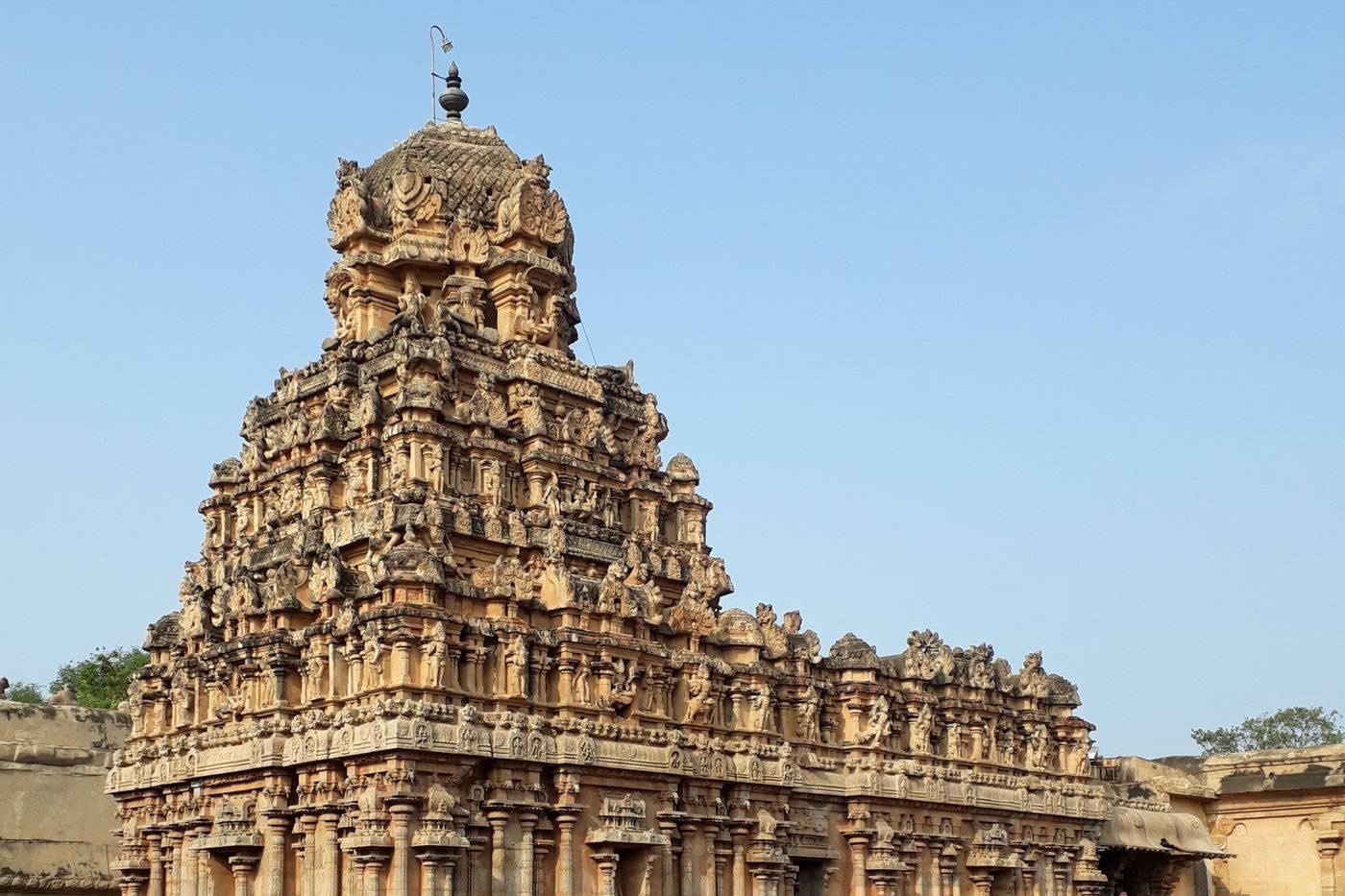
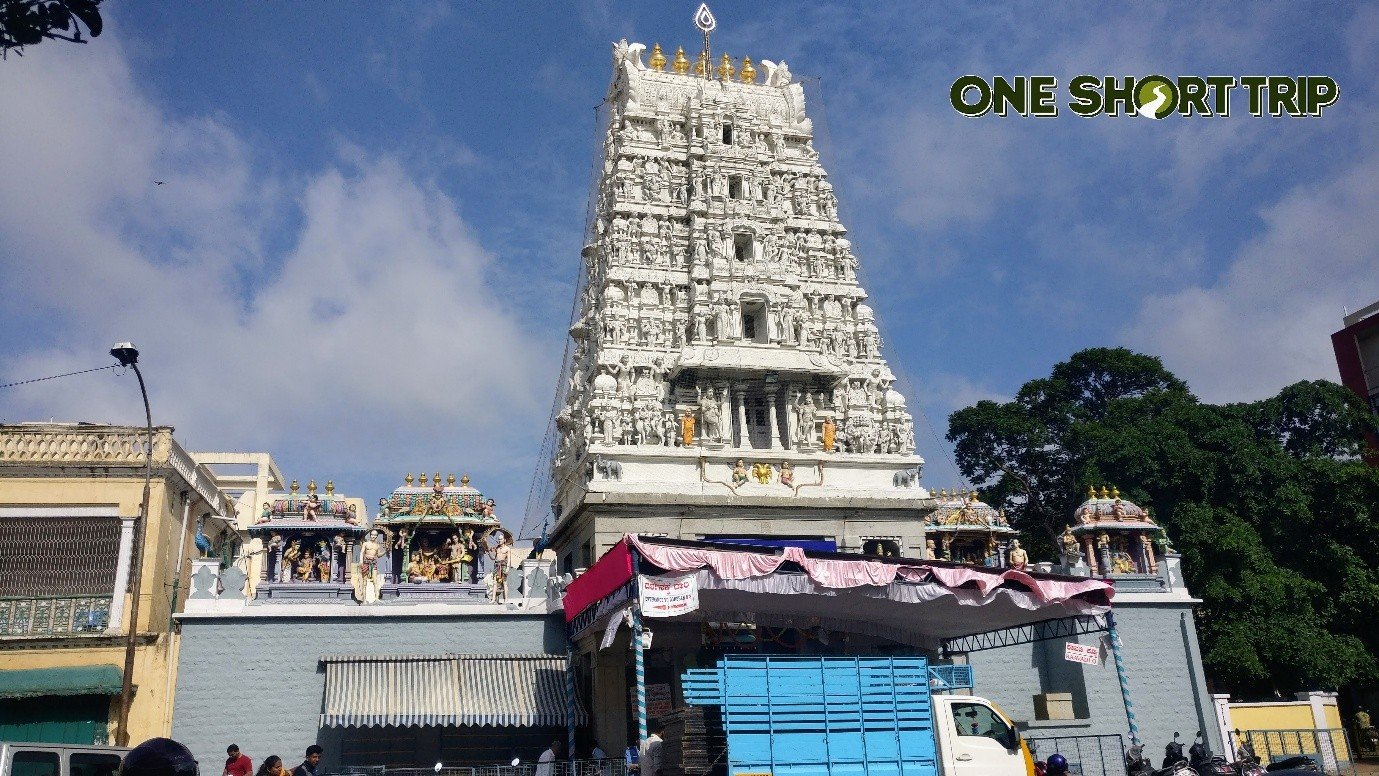
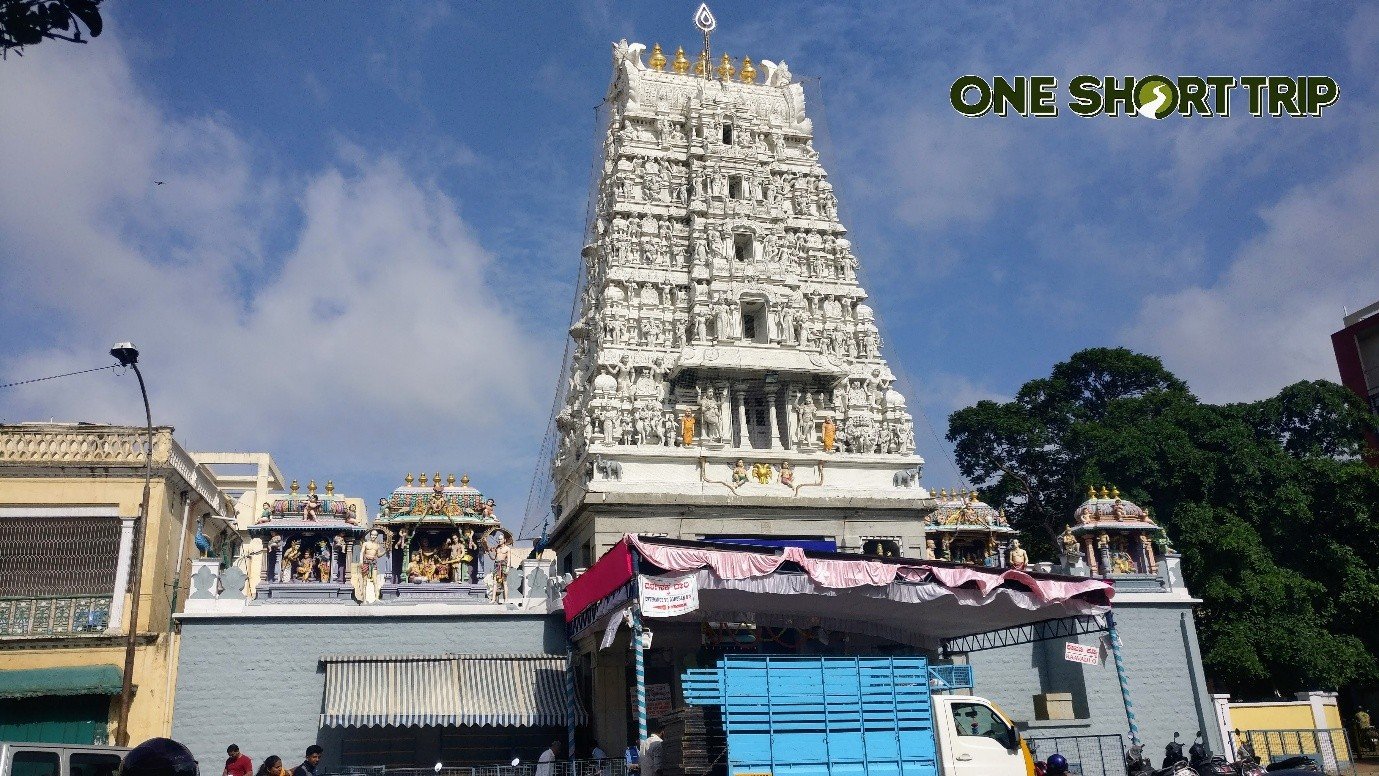
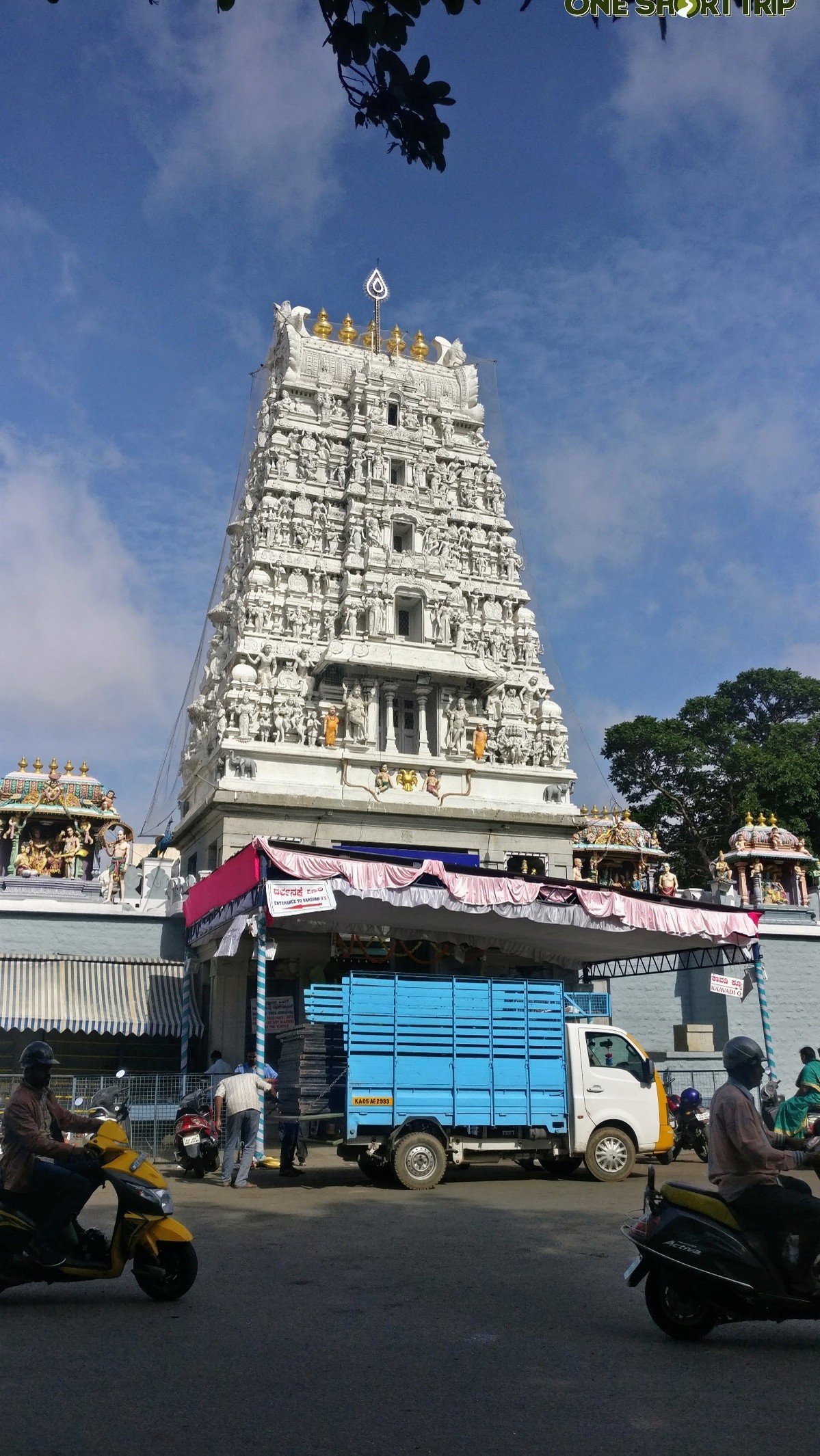
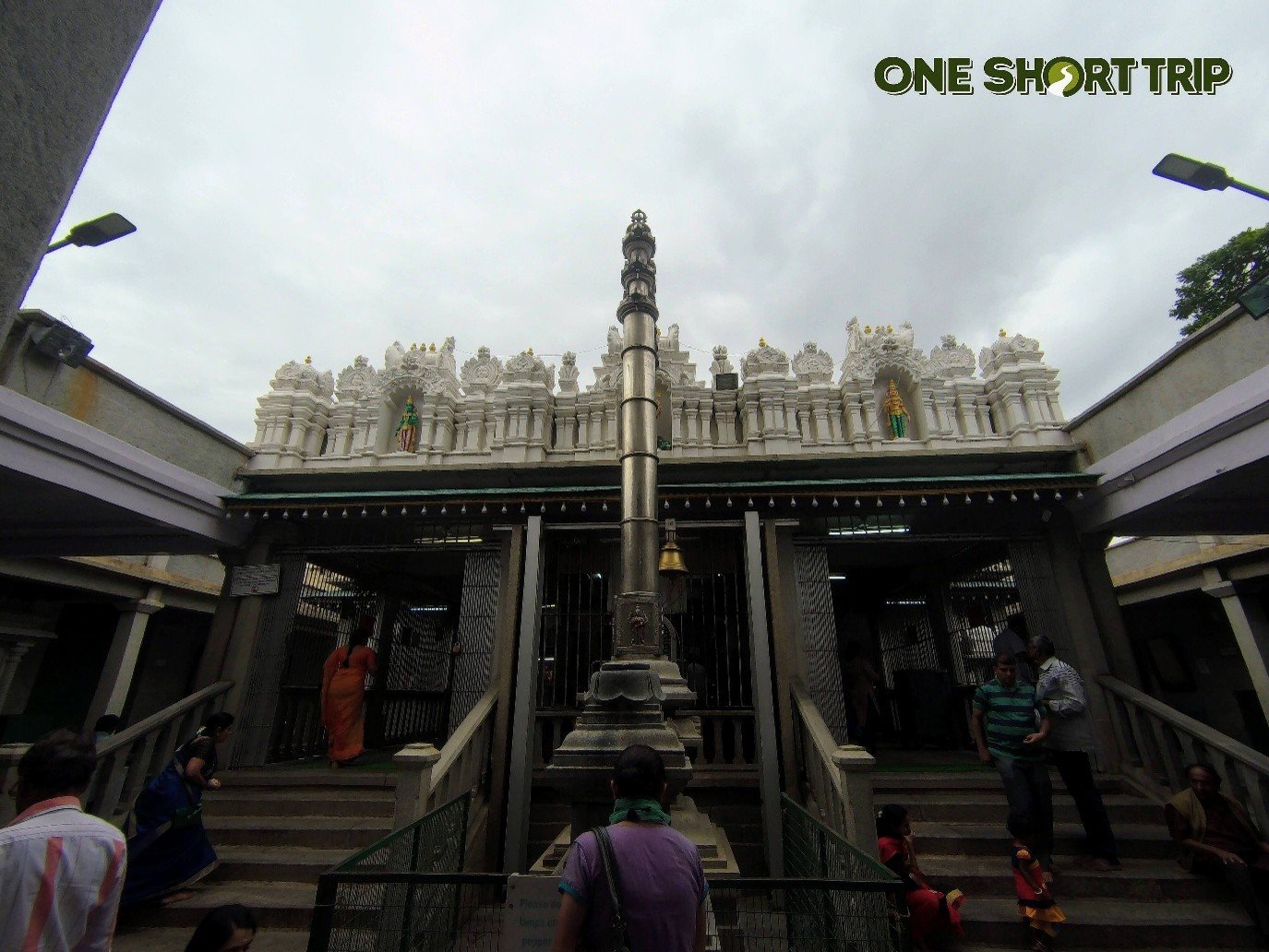
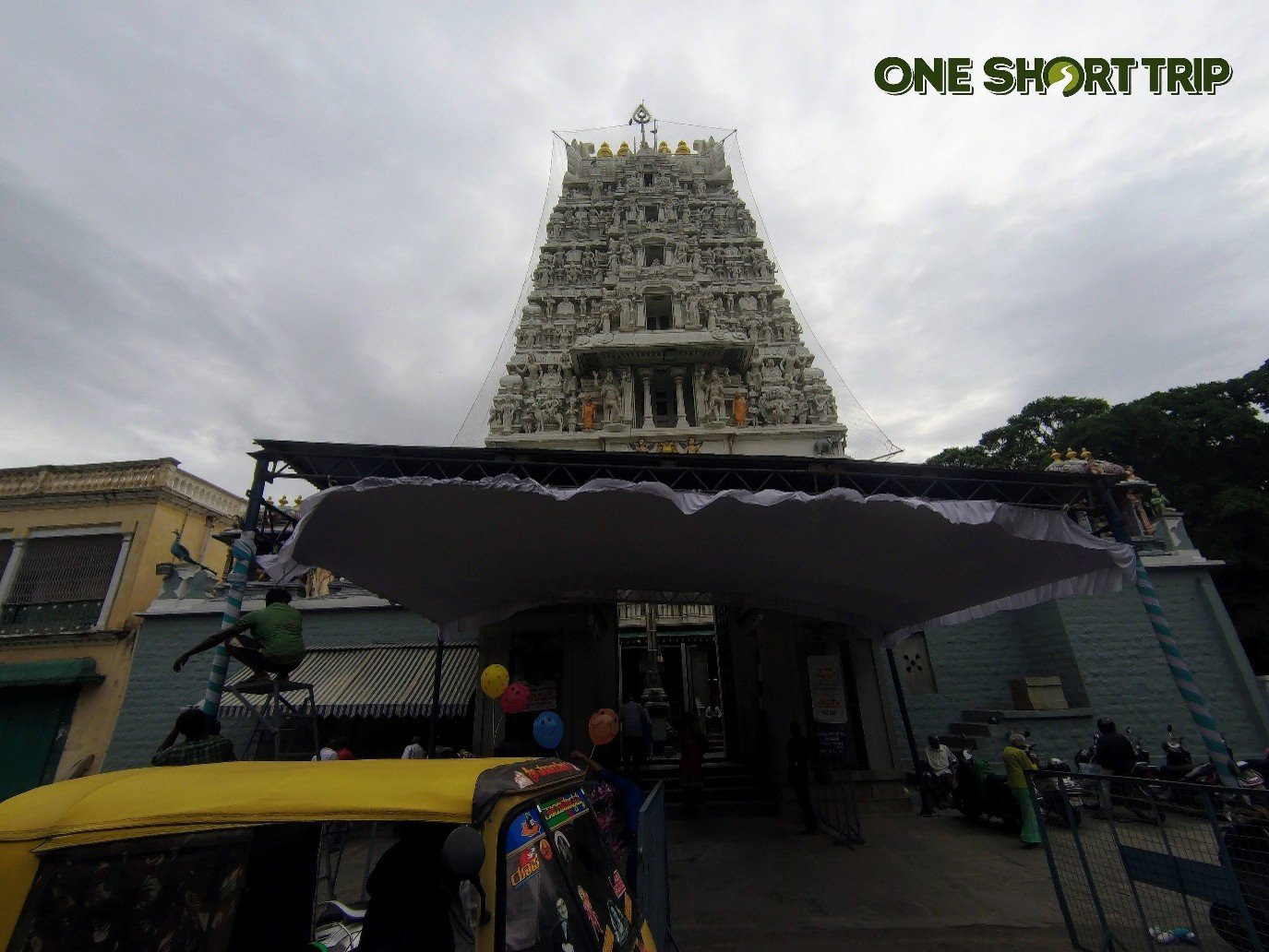
One of the first things visitors notice is the temple's prominent Rajagopuram. Rising directly beside the busy traffic circle, the decorated gateway gives the temple a strong visual presence within the surrounding urban landscape. Sculptural representations associated with the Murugan tradition and other Hindu deities add colour and detail to the entrance, making the gopuram an important architectural feature of the temple.
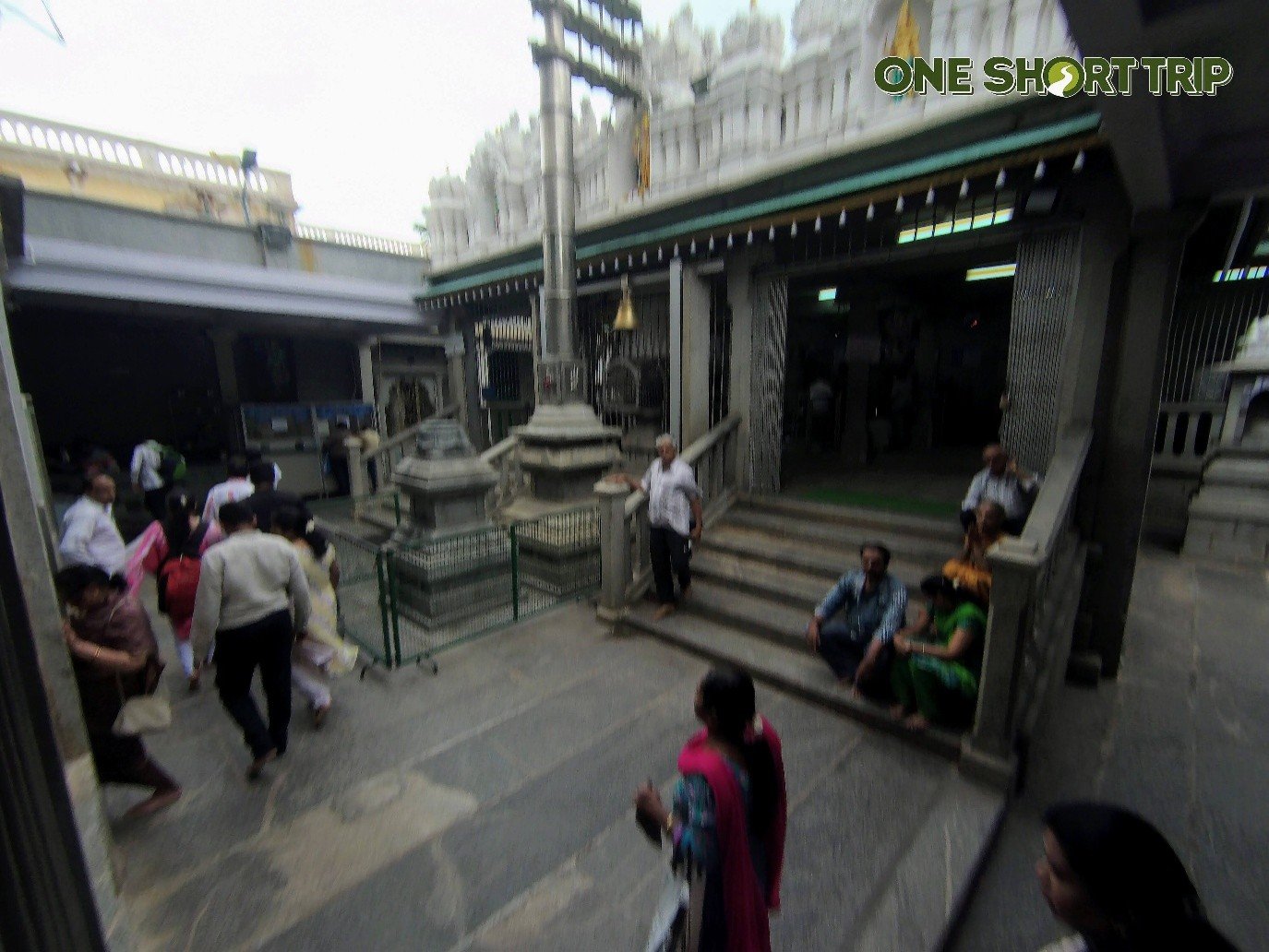
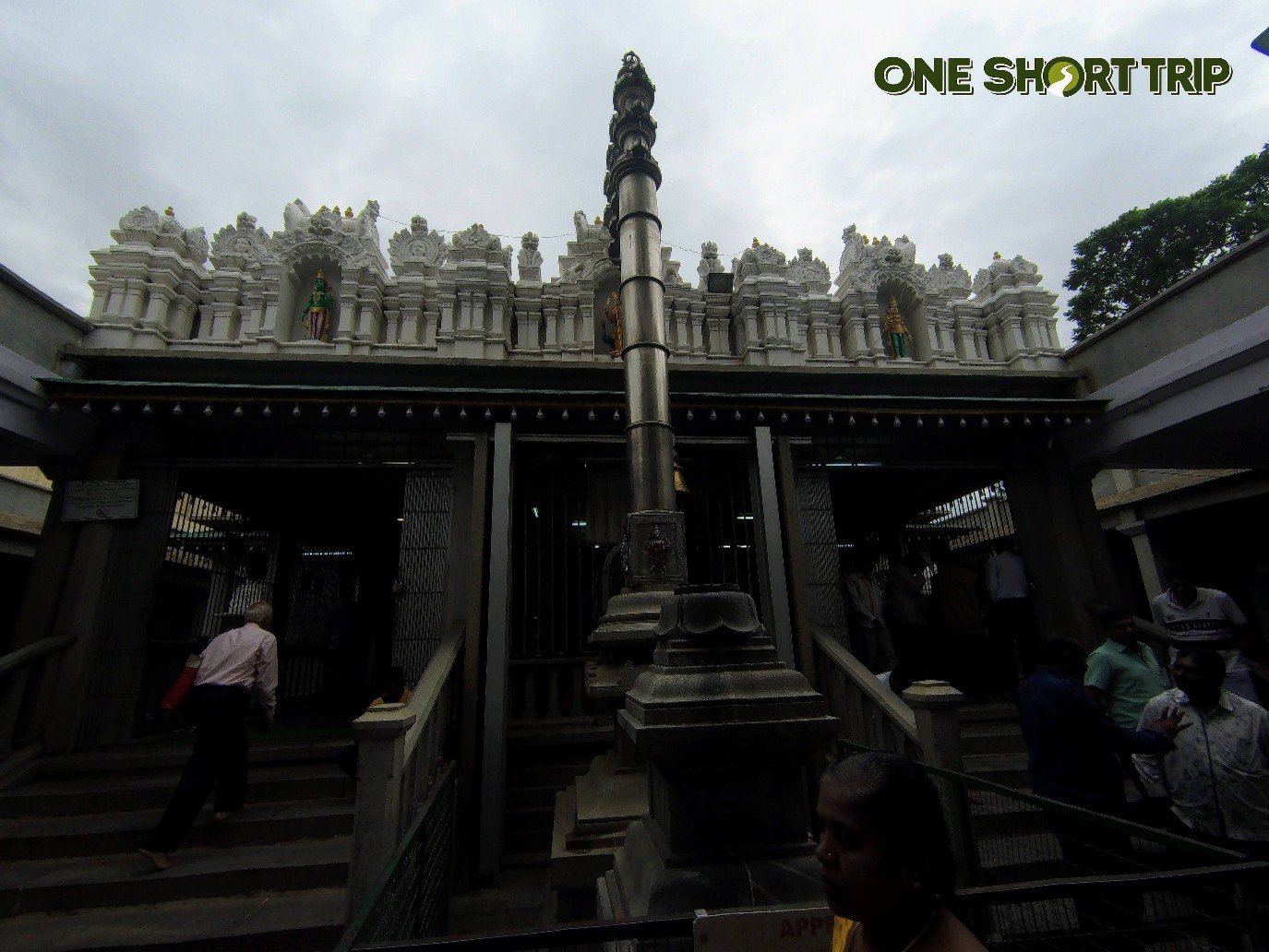
Beyond the entrance, the atmosphere changes noticeably. The busy streets of V.V. Puram give way to a more traditional temple environment with granite flooring, pillars, mandapas and the sacred spaces associated with South Indian temple worship. The contrast between the modern traffic outside and the devotional setting within is one of the most interesting aspects of visiting this temple.
Valli, Devasena and the Vel
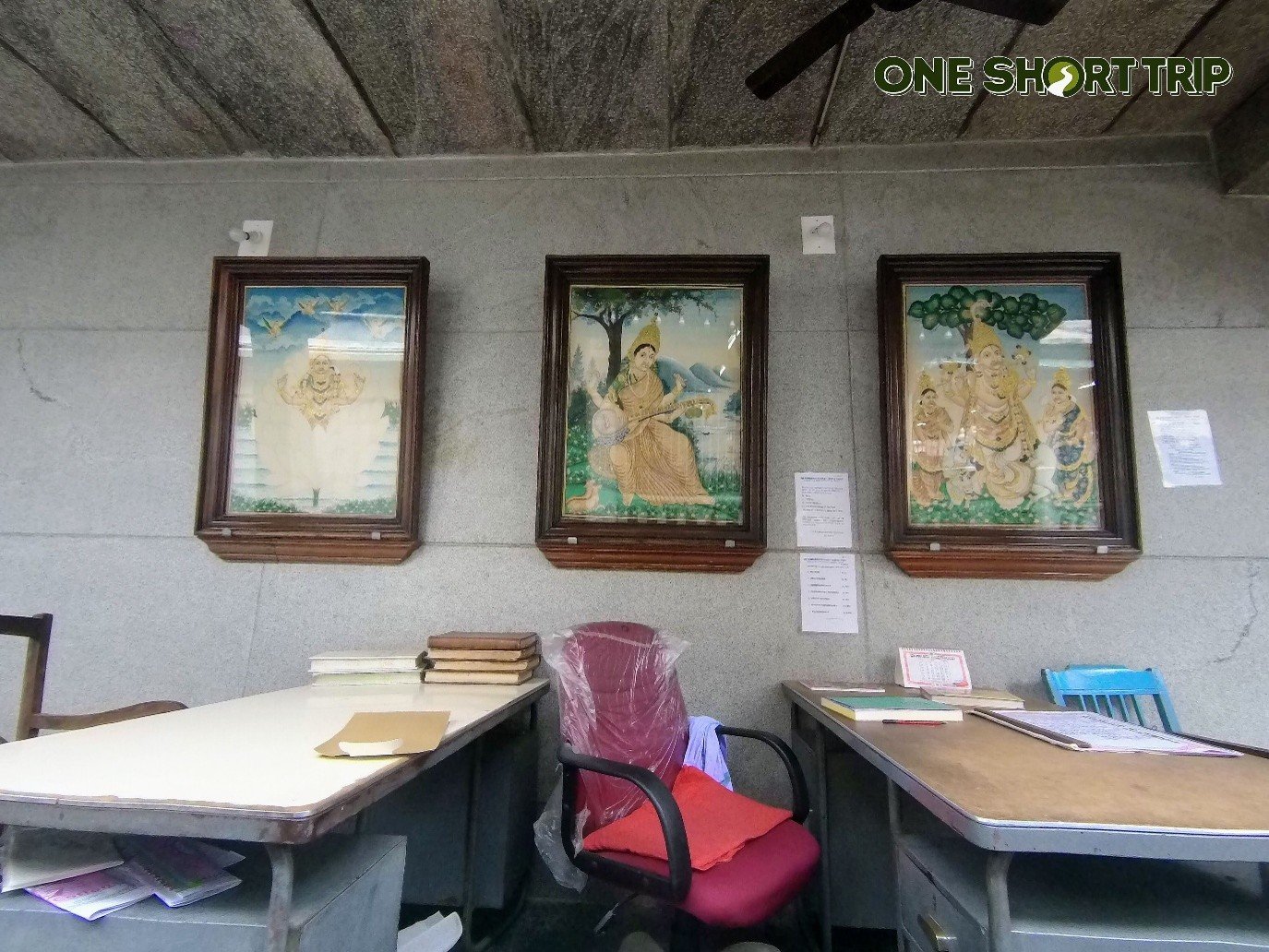
Lord Subrahmanya is traditionally associated with his two consorts, Valli and Devasena. Their presence reflects different aspects of the Murugan tradition, while the Vel — the divine spear carried by Subrahmanya — is one of the most recognisable symbols associated with the deity. In devotional understanding, the Vel represents divine power and the ability to overcome ignorance and obstacles.
For devotees, worship at a Subrahmanya temple can therefore carry meanings beyond simply seeking blessings. Lord Murugan is often approached for courage, clarity, discipline and strength while facing difficult circumstances. These associations help explain why Murugan temples continue to attract devotees of different ages and backgrounds.
Why Devotees Visit the Temple
Sri Subrahmanya Swamy Temple is particularly associated by devotees with prayers concerning Naga Dosha and Sarpa Dosha. These are traditional concepts within Hindu astrology and religious practice, and devotees may perform specific prayers or offerings seeking spiritual relief. Such beliefs should be understood as matters of faith and tradition rather than medical or scientific claims.
The temple also attracts devotees who simply wish to pray to Lord Murugan for courage, family well-being, success in personal efforts and spiritual strength. Its continuing popularity comes from this combination of religious significance, neighbourhood heritage and the long-standing connection with Sajjan Rao.
Visiting Sri Subrahmanya Swamy Temple, Sajjan Rao Circle
Sri Subrahmanya Swamy Temple is an easy temple visit to include in a South Bengaluru sightseeing plan. Located at Sajjan Rao Circle in V.V. Puram, the temple is surrounded by some of the city's most traditional neighbourhoods, making it especially convenient for visitors exploring Basavanagudi, V.V. Puram and nearby heritage temples.
A typical visit does not require several hours. Devotees who come primarily for darshan can usually plan a shorter stop, while visitors interested in the temple's architecture, shrines and surrounding heritage can allow additional time. On Tuesdays, Shashti days and major Murugan festivals, the temple can become considerably busier.
Sri Subrahmanya Swamy Temple Timings
The temple is located in the V.V. Puram area of Bengaluru, at Sajjan Rao Circle. Since temple schedules can change during festivals, special poojas and other occasions, it is advisable to confirm the day's opening and closing hours before travelling, particularly if your visit depends on a specific pooja or darshan period.
Best practical approach: morning visits are generally preferable for devotees who want a quieter temple experience, while evenings can be convenient for visitors combining the temple with V.V. Puram's food streets and Basavanagudi sightseeing.
Best Time to Visit
For a peaceful darshan, an early morning visit is a good choice. The surroundings are usually less hectic than during the busier parts of the day, and the cooler morning weather makes walking around the neighbourhood more comfortable.
Tuesday and important Subrahmanya-related observances can attract larger numbers of devotees. If your priority is photography, architecture or a relaxed visit rather than participating in a busy devotional occasion, choosing a quieter weekday is usually more comfortable.
How Much Time Do You Need?
Most visitors can plan approximately 30 to 60 minutes for the temple. This allows enough time for entering the temple, darshan, observing the main shrine and visiting the other accessible areas without rushing.
During festivals or particularly busy days, allow additional time because queues and crowd movement can make the visit longer. If you are travelling with senior citizens or young children, keeping some flexibility in the schedule is recommended.
How to Reach Sri Subrahmanya Swamy Temple
By Road
The temple is situated at Sajjan Rao Circle in V.V. Puram, making it accessible from several parts of central and southern Bengaluru. Cab and auto-rickshaw services are convenient options, while private vehicles can also reach the area. Because this is a busy urban neighbourhood, traffic and parking conditions can vary considerably depending on the time of day.
By Public Transport
V.V. Puram and Basavanagudi are well connected to other parts of Bengaluru by BMTC buses and other city transport services. Visitors using public transport should use Sajjan Rao Circle or V.V. Puram as their navigation landmark and check the latest route information before travelling.
By Metro
Metro users can combine the journey with a short road transfer or walk depending on their starting point and the current metro network. Because Bengaluru's metro network continues to expand, the most convenient station can change as new sections open, so checking the current route on the day of travel is recommended.
Other Shrines and Things to See
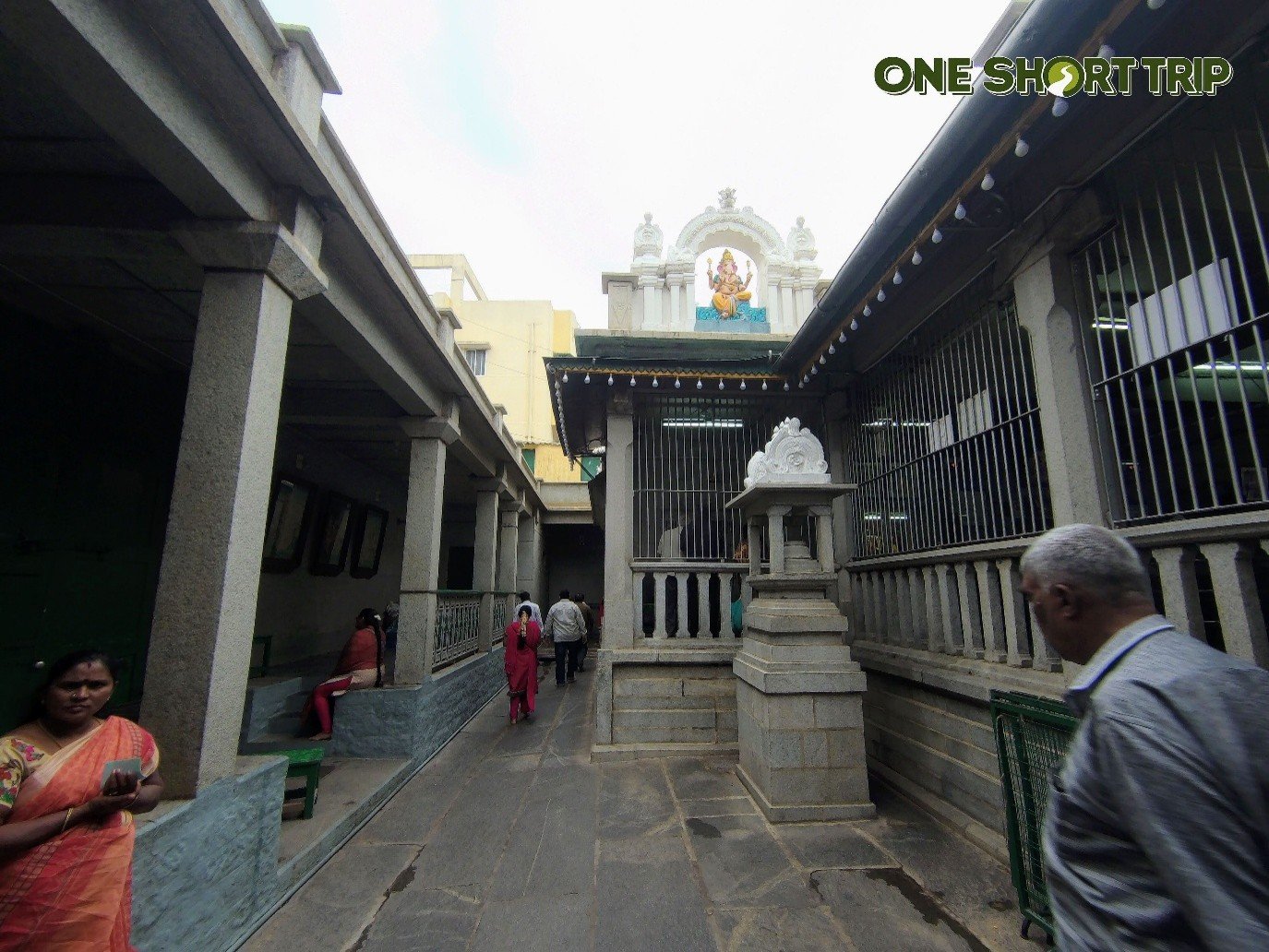
The temple complex is not only about the principal Subrahmanya shrine. Visitors can encounter other Hindu deities and traditional worship spaces within the temple, making it worthwhile to look around rather than entering only for a quick darshan. The presence of Ganesha, Anjaneya, Navagraha and other shrines has also been noted in descriptions of the temple.
For travellers interested in Bengaluru's temple heritage, the greater V.V. Puram–Basavanagudi area is particularly rewarding. The nearby Sri Dodda Ganapathi Temple, Bull Temple, Bugle Rock Park, Gandhi Bazaar and other historic temples can be combined into the same sightseeing circuit.
Festivals and Special Occasions
Subrahmanya-related festivals and Shashti observances are among the important occasions at the temple. On special days, devotional activities can include additional poojas, decorations, processions and larger gatherings of devotees. These occasions can provide a more vibrant experience but also mean longer queues and heavier crowds.
If you are visiting specifically for a festival, it is better to plan ahead and confirm the day's programme with the temple rather than relying on a normal-day schedule.
Dress Code and Temple Etiquette
Visitors should dress modestly and respectfully when entering the temple. Comfortable traditional or conservative clothing is suitable. Footwear should be removed before entering the designated temple areas, and visitors should follow instructions from temple staff and priests regarding where they may stand or enter.
Photography should be done only where permitted. Avoid photographing worshippers during private or sensitive moments, and do not obstruct queues or devotional activities while taking pictures.
Is the Temple Suitable for Families and Senior Citizens?
Yes. The temple is a practical religious stop for families, older travellers and visitors exploring South Bengaluru. The visit itself can be kept short, making it easier to include in a wider itinerary. Senior citizens should preferably visit during quieter periods and avoid the busiest festival crowds if standing in queues for long periods is difficult.
Nearby Places to Visit
Sri Dodda Ganapathi Temple
One of Basavanagudi's best-known temples and an excellent addition to a South Bengaluru temple circuit.
Bull Temple
A historic Bengaluru temple associated with Basavanagudi and the city's Kempegowda-era heritage.
Bugle Rock Park
A natural rock landscape and heritage park located close to the Bull Temple and Dodda Ganapathi Temple.
V.V. Puram Food Street
A popular food destination that can be combined with an evening temple visit.
Sri Subrahmanya Swamy Temple in a Bengaluru Temple Circuit
The temple works particularly well as part of a half-day South Bengaluru itinerary. A thoughtfully planned route can combine Sri Subrahmanya Swamy Temple with Sri Dodda Ganapathi Temple, Bull Temple, Bugle Rock Park, Gandhi Bazaar and other heritage attractions in Basavanagudi and V.V. Puram.
For travellers who want to experience a different side of Bengaluru beyond technology parks and modern shopping districts, this neighbourhood offers a valuable glimpse into the city's older religious, cultural and community life. Sri Subrahmanya Swamy Temple adds an important Murugan tradition to that experience and remains an active place of worship at the centre of the historic V.V. Puram area.
Quick Visitor Information
| Temple | Sri Subrahmanya Swamy Temple |
| Location | Sajjan Rao Circle, V.V. Puram, Bengaluru, Karnataka 560004 |
| Main Deity | Lord Subrahmanya / Murugan |
| Ideal Visit Duration | Around 30–60 minutes |
| Best For | Devotion, temple heritage, architecture and South Bengaluru sightseeing |
| Best Time | Morning for a quieter visit; check festival schedules for special occasions |
| Nearby | Dodda Ganapathi Temple, Bull Temple, Bugle Rock Park, Gandhi Bazaar and V.V. Puram |