About Tiruvannamalai
Tiruvannamalai is one of Tamil Nadu's most important spiritual and heritage destinations. Located in the northern part of the state, the district is widely known for the sacred Arunachala Hill, the magnificent Arunachaleswarar Temple and the traditional Girivalam pilgrimage. The district headquarters, Tiruvannamalai town, attracts devotees throughout the year, particularly during full moon days and the famous Karthigai Deepam festival.
Beyond the main temple town, Tiruvannamalai district has a remarkable variety of destinations. Ancient temples, historic forts, Jain heritage sites, Pallava-era cave temples, hill landscapes, reservoirs and rural pilgrimage centres are spread across its towns and villages. Padaivedu, Devikapuram, Thennangur, Cheyyar, Sathanur Dam, Parvathamalai and the Jawadhu Hills are among the places that reveal the district's wider cultural and natural character.
Distance from Bangalore
Tiruvannamalai town is approximately 200 km from Bengaluru by road, depending on the starting point and route.
Best Time to Visit
November to February is generally more comfortable for sightseeing, temple visits and outdoor exploration.
Ideal Trip Length
Two days are suitable for the main Tiruvannamalai pilgrimage, while three to four days allow visits to more distant district attractions.
Why Is Tiruvannamalai Famous?
Tiruvannamalai is best known for Arunachaleswarar Temple, one of the Pancha Bhoota Sthalams representing the element of fire. The sacred Arunachala Hill is central to the spiritual identity of the region, and thousands of devotees undertake Girivalam, the traditional circumambulation of the hill, particularly on full moon days. The Karthigai Deepam festival is another major attraction, drawing pilgrims from across Tamil Nadu and other parts of India.
The wider district is equally interesting for its religious and historical heritage. Padaivedu is associated with the Renugambal Temple and the Sambuvarayar rulers, Devikapuram is known for its Periyanayagi Amman and hilltop Ponmalainathar temples, and Thennangur is famous for its Pandurangan Temple. The district also preserves ancient Jain monuments, Pallava cave temples and important historic settlements.
Sacred Arunachala Hill
The hill and its Girivalam path are at the heart of Tiruvannamalai's spiritual traditions and pilgrimage culture.
Ancient Temple Heritage
The district has significant temples at Tiruvannamalai, Padaivedu, Devikapuram, Thennangur, Cheyyar and other historic towns.
Hills & Heritage Sites
Jawadhu Hills, Parvathamalai, Sathanur Dam, Tirumalai Jain heritage and ancient cave temples offer experiences beyond the main pilgrimage.
Best Places to Visit in Tiruvannamalai District
Tiruvannamalai district has attractions spread across several towns and taluks. While the main temple town can be explored as a pilgrimage destination, other places require separate travel plans. The following destinations are among the important places to consider when exploring the wider district.
Arunachaleswarar Temple
The district's most prominent pilgrimage destination, dedicated to Lord Shiva and associated with the element of fire. The temple stands at the foot of Arunachala Hill.
Girivalam Path
The sacred walking route around Arunachala Hill, traditionally associated with eight directional Lingams and several other spiritual stops.
Padaivedu Renugambal Temple
An important Goddess Renugambal shrine surrounded by historic temple remains and the landscape associated with the Sambuvarayar rulers.
Devikapuram
Known for the Periyanayagi Amman Temple at the foothills and the Ponmalainathar Temple on the nearby hill.
Thennangur Pandurangan Temple
A distinctive temple dedicated to Lord Pandurangan and Goddess Raghmayi, known for its North Indian-inspired architectural style.
Sathanur Dam
A major dam across the Thenpennai River, with a reservoir and landscaped surroundings that make it a popular district attraction.
Parvathamalai
A prominent hill destination known for its hilltop Mallikarjuna temple, steep trekking route and expansive natural views.
Jawadhu Hills
An Eastern Ghats hill region known for tribal settlements, forests, rural landscapes and outdoor attractions.
Tirumalai Jain Temple
An important Jain heritage site near Arni, known for its hilltop Jain monuments, sculptures and inscriptions.
Mamandur Cave Temples
A group of historic rock-cut cave temples associated with the Pallava period and the architectural history of the region.
Seeyamangalam Cave Temple
A historic Pallava rock-cut temple site known for its early cave architecture, sculptures and inscriptions.
Brammadesam
A heritage destination recognised for its historic temple architecture and sandstone temple traditions.
Cheyyar Vedapureeswarar Temple
An important Shiva temple at Tiruvothur, in the Cheyyar region, with connections to Tamil Saiva devotional history.
Kuranganilmuttam
A historic Shiva temple site associated with traditional legends and a nearby Pallava-period cave temple.
Erikkupam Saniswarar Temple
A distinctive temple dedicated to Lord Saniswarar, located in the Arni region and known for its unusual yantra-style shrine.
History of Tiruvannamalai District
Tiruvannamalai district has a long history shaped by ancient settlements, religious traditions and successive South Indian dynasties. Archaeological evidence from different parts of the district includes prehistoric tools, Neolithic remains, megalithic burial sites and inscriptions. The region was historically connected with Thondaimandalam and later became part of the political and cultural landscape of medieval Tamil Nadu.
The Cholas, Pandyas, Hoysalas, Sambuvarayars and Vijayanagara rulers contributed to the region's temples, settlements and political history. Padaivedu served as an important centre of the Sambuvarayar rulers, while the temples at Tiruvannamalai and Devikapuram reflect the architectural influence of different dynasties. Later, the region experienced conflicts involving the Nawabs of Arcot, Marathas, Mysore rulers and the British.
Tiruvannamalai district was formed on 30 September 1989 from the erstwhile North Arcot district. It was initially named Tiruvannamalai Sambuvarayar District and was later renamed Tiruvannamalai District in 1997. Its historic temples, forts, inscriptions and heritage settlements continue to preserve the story of the region.
Early Settlements
Prehistoric tools, Neolithic remains and megalithic sites provide evidence of early human activity across the district.
Chola & Vijayanagara Periods
Temple construction, inscriptions, architecture and regional administration developed under several medieval ruling powers.
Modern District Formation
Tiruvannamalai became a separate district in 1989 and received its present district name in 1997.
Temples and Pilgrimage Places in Tiruvannamalai
Religious tourism is one of the defining features of Tiruvannamalai district. The Arunachaleswarar Temple and the sacred Arunachala Hill form the centre of its pilgrimage tradition. Devotees visit the main temple for darshan and undertake Girivalam around the hill, stopping at the eight Ashta Lingams and other shrines along the route.
The wider district has many other important pilgrimage destinations. Padaivedu Renugambal Temple, Devikapuram Periyanayagi Amman Temple, Thennangur Pandurangan Temple and the Vedapureeswarar Temple at Cheyyar are among the notable shrines. These temples represent different religious traditions, architectural styles and local histories.
Arunachaleswarar Temple
The major Shiva pilgrimage centre of the district and one of the Pancha Bhoota Sthalams.
Ashta Lingams
Eight directional Lingam shrines visited by devotees during the Girivalam pilgrimage around Arunachala Hill.
Adi Annamalai Temple
An important Shiva temple situated along the Girivalam route around Arunachala Hill.
Padaivedu Renugambal Temple
A major Shakti pilgrimage destination dedicated to Goddess Renugambal.
Devikapuram Periyanayagi Amman
A significant temple complex with the Periyanayagi Amman shrine and the hilltop Ponmalainathar Temple.
Thennangur Pandurangan Temple
A distinctive Vaishnava pilgrimage centre known for its Pandurangan and Raghmayi deities.
Vedapureeswarar Temple, Cheyyar
A historic Shiva temple associated with the devotional tradition of Thirugnanasambandar.
Yoga Ramachandra Temple
A historic temple in the Chetpet region known for its Vijayanagara-era artistic and architectural features.
Tirumalai Jain Temple
An important Jain pilgrimage and heritage site with hilltop monuments, sculptures and inscriptions.
Trekking and Hill Destinations in Tiruvannamalai
Tiruvannamalai district has several hill destinations that appeal to trekkers, nature lovers and pilgrims. The rocky landscapes around Arunachala, the challenging climb at Parvathamalai and the broader hill region of Jawadhu offer different outdoor experiences. Some destinations are primarily pilgrimage sites, while others are better suited to visitors looking for longer walks and hill exploration.
Parvathamalai is known for its steep ascent and hilltop temple, and it should be attempted only by visitors who are comfortable with demanding terrain. Jawadhu Hills offer a more spread-out hill-region experience, with villages, forest landscapes and seasonal natural attractions. Visitors should plan these trips during daylight hours and check local access conditions before setting out.
Parvathamalai
Best suited to experienced walkers and pilgrims prepared for a steep hill climb to the Mallikarjuna Temple.
Jawadhu Hills
Suitable for scenic drives, rural exploration, nature experiences and visits to selected hill attractions.
Arunachala Hill
A sacred hill associated with Girivalam, spiritual traditions and views of the surrounding Tiruvannamalai landscape.
Nature and Wildlife in Tiruvannamalai
The natural landscape of Tiruvannamalai district ranges from dry agricultural plains and rocky hills to forested stretches of the Eastern Ghats. The Jawadhu Hills are among the district's most distinctive natural regions, with tribal settlements, hill villages, cultivated slopes and seasonal streams. The landscape changes with the seasons, making some areas especially attractive after the monsoon.
Sathanur Dam is one of the district's best-known outdoor attractions, offering reservoir views and landscaped surroundings. The Jawadhu region has several nature-oriented places, while the area around Parvathamalai is known for its hill scenery. Visitors should respect forest rules, avoid littering and check access restrictions before visiting remote natural areas.
Important Towns and Taluks in Tiruvannamalai District
Tiruvannamalai district is administered through three revenue divisions and twelve taluks. Its attractions are spread across the Tiruvannamalai, Arni and Cheyyar divisions, so understanding the main towns and taluks can help visitors plan longer journeys and group nearby destinations together.
Tiruvannamalai
District headquarters and the main pilgrimage centre, known for Arunachaleswarar Temple and Girivalam.
Arni
An important historic town associated with the region's heritage, temples and the nearby Padaivedu area.
Cheyyar
A major town in the northeastern part of the district, known for its historic temple and industrial activity.
Chengam
An important town on the western side of the district, providing access towards Sathanur Dam and surrounding landscapes.
Polur
A town that provides access to parts of the northern district and the Jawadhu and Parvathamalai regions.
Vandavasi
A historic town associated with the Battle of Wandiwash and several nearby heritage and temple destinations.
Kalasapakkam
A taluk in the northern part of the district, with rural settlements and access towards the hill regions.
Jamunamarathur
A hill-region taluk associated with the Jawadhu Hills and its villages and natural landscapes.
Kilpennathur
A taluk close to Tiruvannamalai town, with agricultural villages and local temples.
Thandrampattu
A taluk in the western part of the district, with rural settlements and access to the Chengam region.
Chetpet
A town in the northern district, with access to historic temples and the surrounding countryside.
Vembakkam
A northeastern taluk with historic settlements and access towards the Cheyyar and Vandavasi areas.
How to Reach Tiruvannamalai
Tiruvannamalai is accessible by road from Bengaluru, Chennai, Vellore, Villupuram and other important cities in Tamil Nadu. Road travel is a convenient option for pilgrims and families because it allows visitors to combine the main temple town with nearby shrines and other district attractions.
Tiruvannamalai has a railway station with train connectivity to selected destinations. For air travellers, Chennai International Airport is one of the major airport options, while Bengaluru International Airport may also be considered depending on the travel origin and onward route. Visitors should check current train and flight schedules before planning their journey.
By Road
A convenient option for reaching Tiruvannamalai and exploring temples, hill destinations and other attractions across the district.
By Train
Tiruvannamalai Railway Station serves the town. Check available train services and onward local transport before travelling.
By Air
Chennai and Bengaluru are major airport options to consider, followed by a road journey to Tiruvannamalai.
How Many Days Are Enough for Tiruvannamalai?
The ideal duration depends on whether you are visiting only the main pilgrimage sites or exploring the wider district. A two-day trip is suitable for the main Arunachaleswarar Temple visit and Girivalam, while additional days allow you to visit temples, heritage monuments and hill destinations farther from the town.
2 Days / 1 Night
Ideal for visiting Arunachaleswarar Temple, undertaking Girivalam and exploring the main spiritual attractions around Arunachala Hill.
3 Days / 2 Nights
Allows a more relaxed pilgrimage and the addition of selected nearby destinations such as Sathanur Dam or Parvathamalai, depending on the route.
4 Days or More
Better for exploring the wider district, including Padaivedu, Devikapuram, Thennangur, Jawadhu Hills and heritage sites.
Best Time to Visit Tiruvannamalai
November to February is generally a comfortable period for visiting Tiruvannamalai, particularly for temple visits, Girivalam and sightseeing around the district. The cooler months are also more suitable for exploring hill destinations and heritage sites during the day.
Karthigai Deepam is one of the most important annual occasions in Tiruvannamalai and attracts very large numbers of devotees. Full moon days also bring significant crowds for Girivalam. Travellers visiting during these periods should plan accommodation and transport well in advance and allow additional time for traffic and temple queues.
Summer months can be hot, especially for walking around Arunachala Hill and climbing exposed rocky hills. During the monsoon and immediately afterwards, hill trails may become slippery, so visitors should check local weather and access conditions before trekking.
Food in Tiruvannamalai
Tiruvannamalai offers a range of Tamil Nadu food options, including idli, dosa, pongal, vada, meals, rice preparations and traditional vegetarian dishes. The main town has restaurants, small eateries and food outlets catering to pilgrims and visitors throughout the year.
Around the temple and Girivalam route, visitors can find eateries, refreshment stalls and shops selling snacks and drinks. Other towns in the district have local restaurants and traditional food options, although choices may be more limited in smaller villages and remote hill areas. It is advisable to plan meal stops in advance when travelling to distant attractions.
Tiruvannamalai for Families and Senior Citizens
Tiruvannamalai can be a meaningful family pilgrimage destination, with the main Arunachaleswarar Temple, Adi Annamalai Temple and other shrines offering opportunities for worship and sightseeing. Families can plan their visit at a comfortable pace, allowing sufficient time for darshan, meals and rest.
Senior citizens should consider their physical comfort before undertaking the complete Girivalam walk, which covers a substantial distance. Those who choose to walk should take breaks, stay hydrated and avoid the hotter parts of the day. Parvathamalai and some hill destinations involve steep or uneven climbs and may not be suitable for visitors with mobility difficulties.
For families travelling with elderly members, a private vehicle, planned temple visits and comfortable accommodation can make the journey easier. During full moon days and major festivals, allow extra time for crowds and traffic.
Practical Travel Tips for Tiruvannamalai District
Plan Girivalam Carefully
Choose a suitable time, carry water and allow enough time for the full walk and temple stops.
Check Festival Crowds
Full moon days and Karthigai Deepam can attract very large crowds. Book accommodation early and plan additional travel time.
Carry Drinking Water
Keep water with you during temple visits, Girivalam and journeys to hill and rural destinations.
Wear Suitable Footwear
Comfortable walking shoes are useful for sightseeing and hill trails. Follow temple and Girivalam customs regarding footwear where applicable.
Respect Temple Customs
Follow local dress requirements, photography restrictions, darshan arrangements and instructions from temple authorities.
Check Hill Access
Check weather, trail conditions and local restrictions before visiting Parvathamalai or remote hill destinations.
Is Tiruvannamalai Worth Visiting?
Tiruvannamalai is worth visiting for pilgrims, families, history enthusiasts and travellers interested in Tamil Nadu's spiritual heritage. Arunachaleswarar Temple, Arunachala Hill, Girivalam and Karthigai Deepam make the town an important destination in its own right. Its spiritual atmosphere and historic temple architecture offer an experience that is different from a conventional sightseeing trip.
The wider district offers even more reasons to explore. From the temples of Padaivedu and Devikapuram to the Jain heritage of Tirumalai, the cave temples of Mamandur and Seeyamangalam, and the hill landscapes of Jawadhu and Parvathamalai, there is considerable variety beyond the main temple town.
For travellers from Bengaluru and other nearby cities, Tiruvannamalai can be planned as a short pilgrimage, a weekend road trip or a longer journey covering several temples and heritage destinations across the district.



 Travel Guide
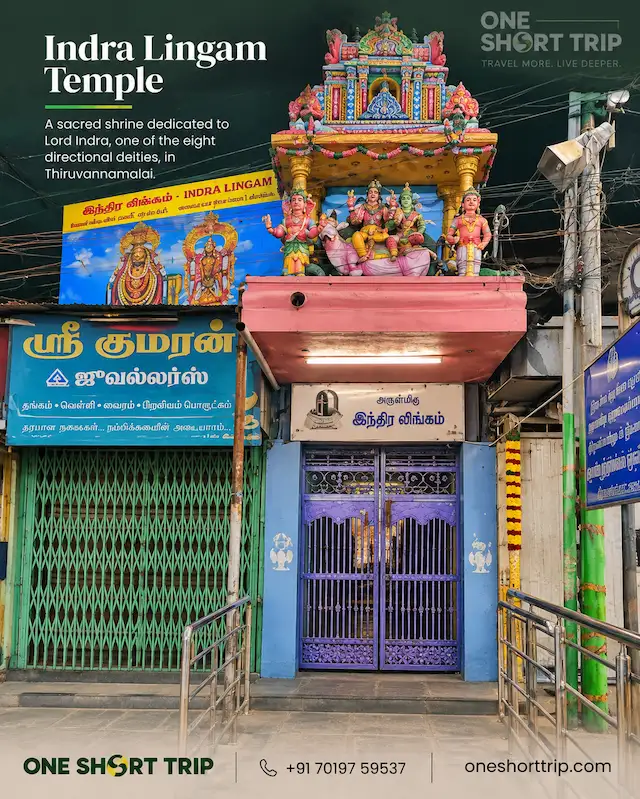 Ashta Lingam – East
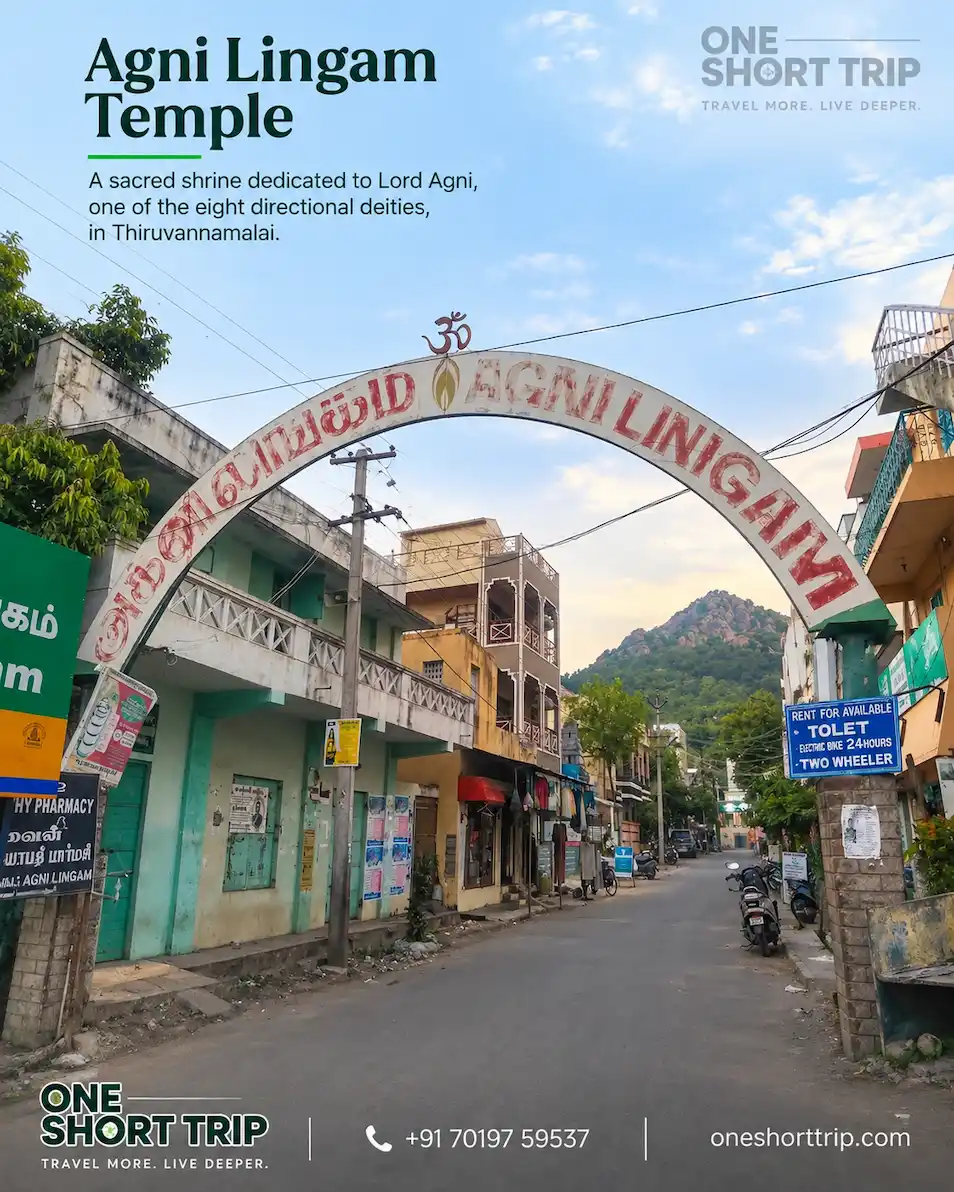 Ashta Lingam – Southeast
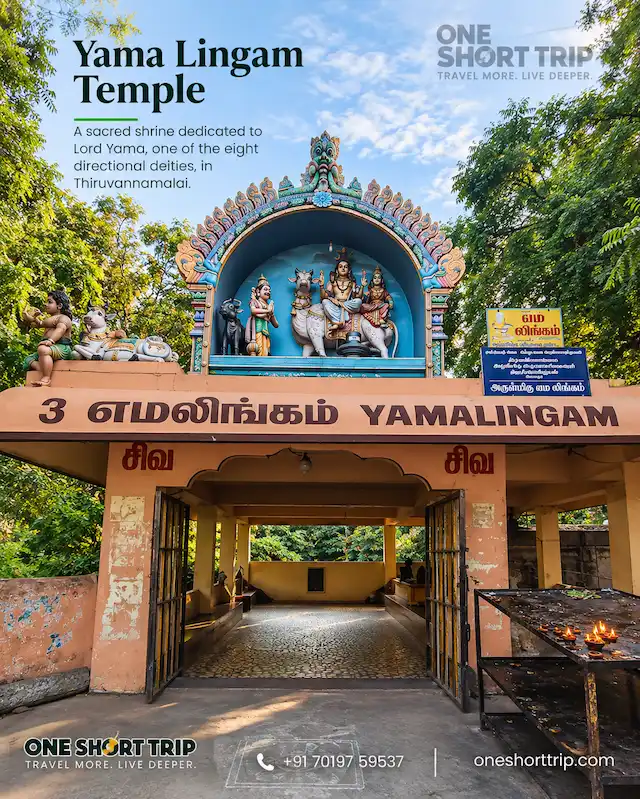 Ashta Lingam – South
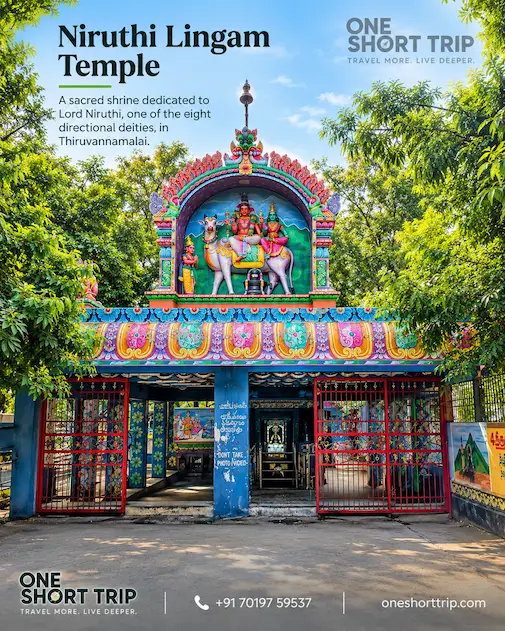 Ashta Lingam – Southwest
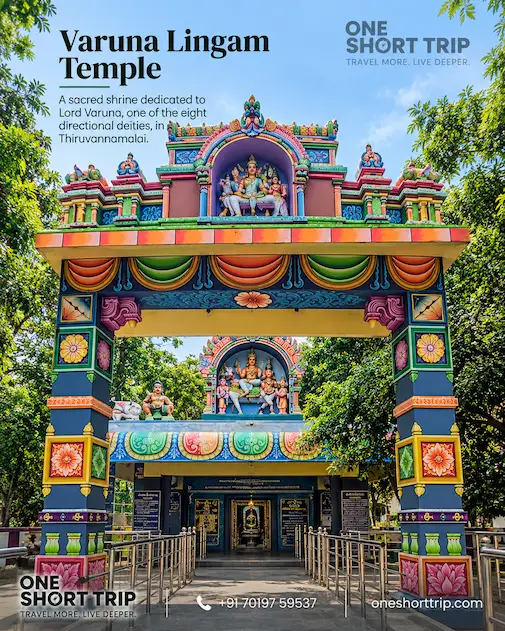 Ashta Lingam – West
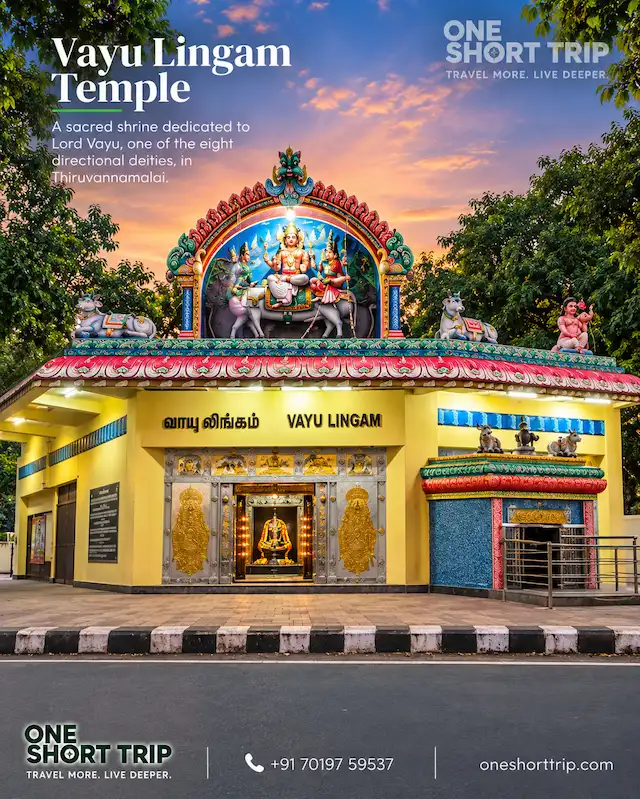 Ashta Lingam – Northwest
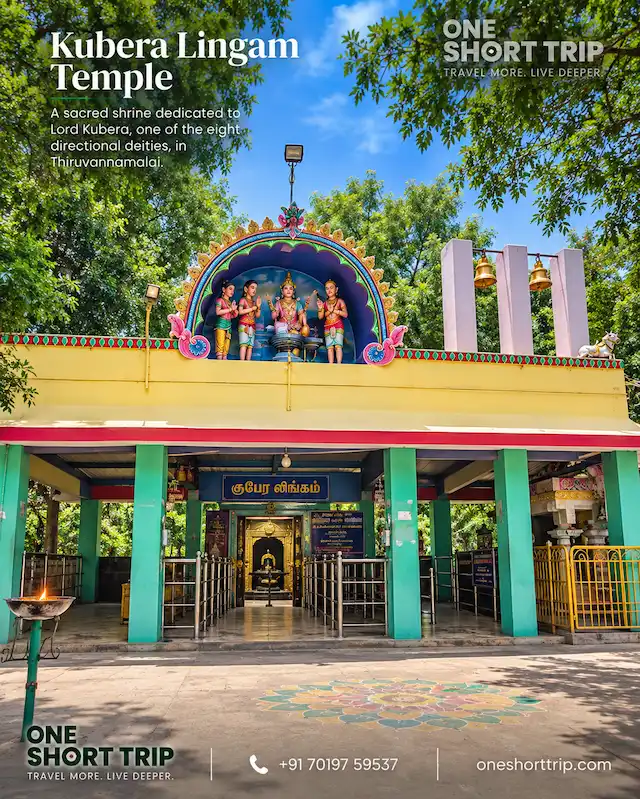 Ashta Lingam – North
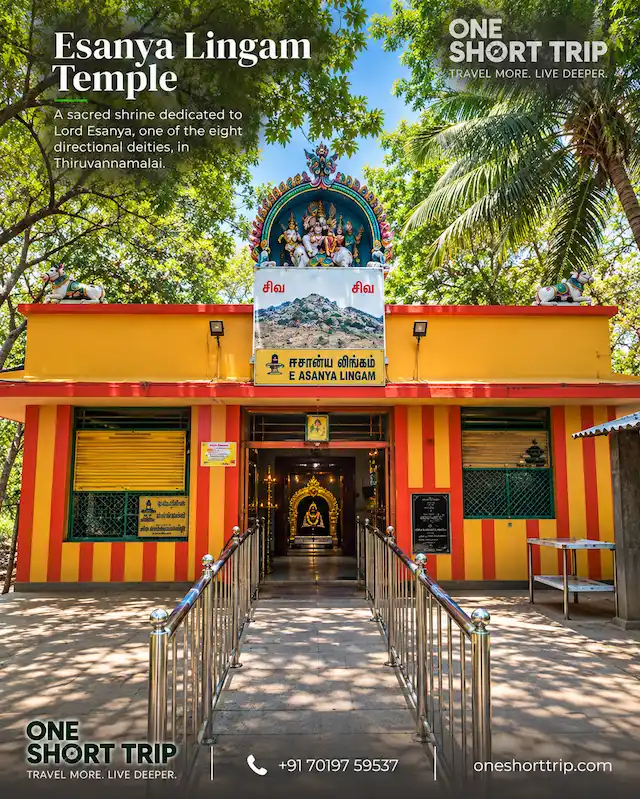 Ashta Lingam – Northeast